







Introduction:This article provides an in-depth analysis of the flavor differences between the washed coffee beans from the Konga Cooperative in Yirgacheffe, Ethiopia, and the Green Label Geisha from Panama’s Finca Elida Estate when brewed using the pour over method. From regional background and processing methods to performance at different temperatures, it helps readers understand the unique characteristics of these two classic coffee beans. It also offers practical V60 brewing parameters and flavor descriptions, making it an entry-level guide for those seeking a high-value Geisha alternative and looking to improve their brewing skills.
In the world of specialty coffee, Yirgacheffe and Geisha are often seen as two extremes in terms of flavor expression — one being approachable and classic, the other expensive and legendary. Both coffees are renowned for their bright acidity and delicate floral notes, yet they differ significantly in price and complexity. This article takes the washed beans from Ethiopia’s Yirgacheffe Konga Cooperative as a starting point, guiding you through the historical context of the region and the cooperative’s operational model, while practically comparing the brew performance of Panama’s Green Label Geisha. It dissects the flavor secrets behind the citrus, berry, lemon tea, and creamy textures across high and low temperature stages.
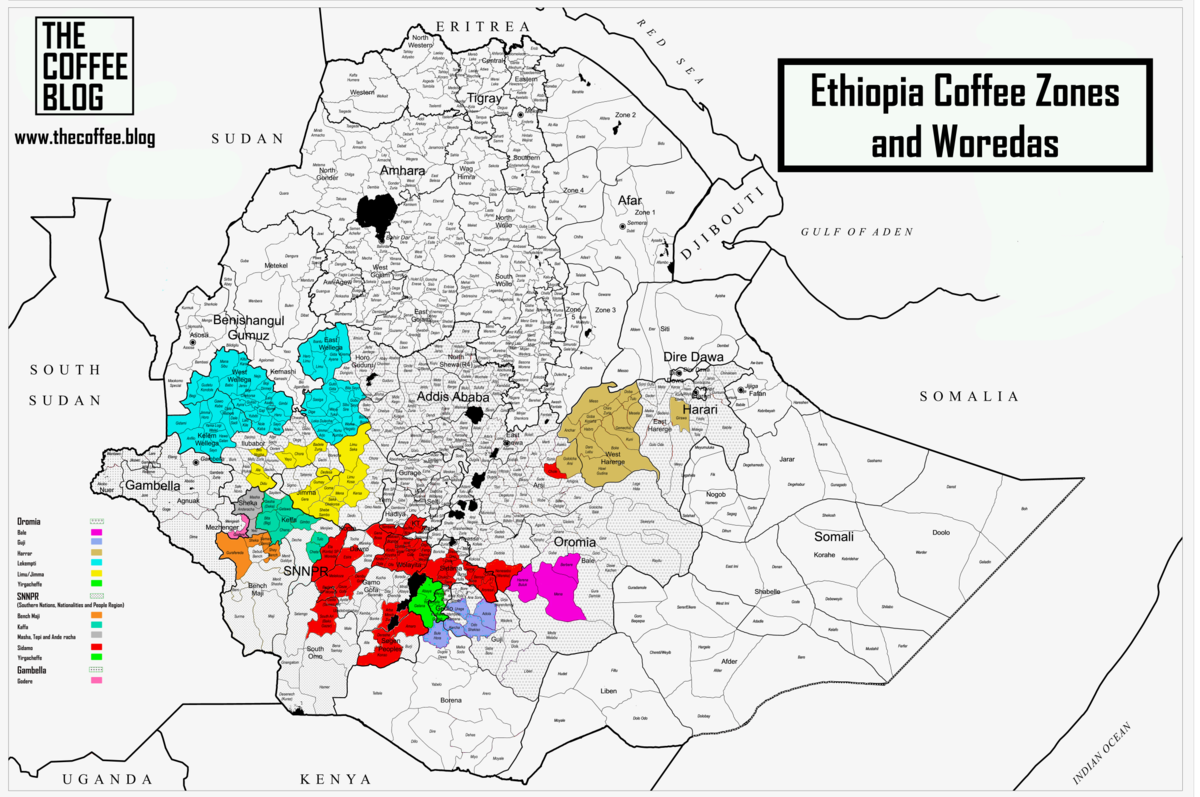
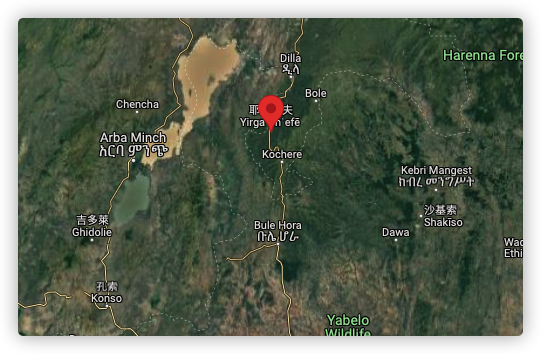
Although Yirgacheffe is often the first bean that introduces many beginners to flavored coffee, the story behind this producing region is quite rich. Located in Ethiopia’s Sidamo region, Yirgacheffe was originally just an administrative town, but it stood out due to the unique bright acidity and fruity-floral aromas of its coffee. Surrounding small regions such as Wenago, Kochere, and Gelena Abaya, with similar altitudes and microclimates, also produce similarly flavored beans, and are thus considered important components of the Yirgacheffe flavor profile. In 2009, the Ethiopian government established the Ethiopian Commodity Exchange (ECX), which unified the trading of coffee from multiple regions including Yirgacheffe, and added these three sub-regions to highlight their market potential.
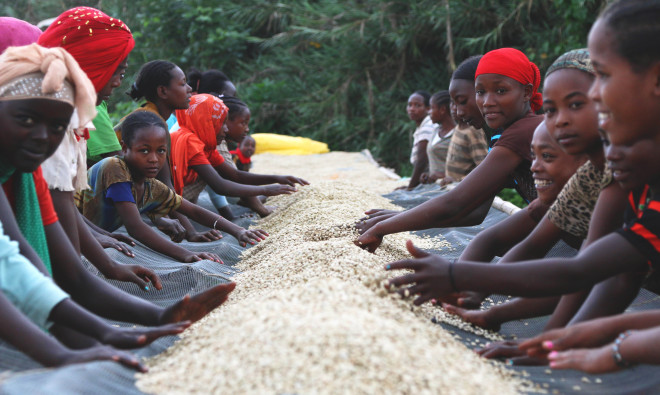
The reason Yirgacheffe has been able to establish an independent reputation is inseparable from the formation of the Yirgacheffe Coffee Farmers Cooperative Union (YCFCU). Established in 2002 with only 13 member organizations initially, it has since expanded to 28 members, encompassing over 45,100 coffee farmers. Notably, YCFCU members are not directly bound by the ECX, allowing them to secure higher returns through direct trade, as well as obtain Fair Trade and Organic certifications, further ensuring coffee quality.
Yirgacheffe is situated in a high-altitude area, representing one of the highest coffee-growing belts in southern Ethiopia. The high-altitude environment not only means thinner oxygen and lower temperatures, which extend the growth cycle of coffee cherries, but also gives the beans more time to accumulate flavor compounds, resulting in its distinctive balance of acidity and sweetness, as well as aromatic expression. Moreover, the region has a tropical climate, with an average annual temperature of around 18°C, annual rainfall of about 1400–1800 millimeters, and nutrient-rich red-brown soil, providing ideal growing conditions for coffee trees.
Among the many cooperatives in the Yirgacheffe region, the Konga Cooperative (Konga Coop) is one noteworthy representative. Established in 1994 and officially joining the YCFCU in 2002, the Konga Cooperative also functions as a washing station. It currently consists of 1,556 smallholder farmers, with an average planting area of about 1.25 acres per household, situated at an altitude of around 2,000 meters. The area enjoys abundant annual rainfall and excellent soil conditions, primarily cultivating Typica and local native coffee varieties. In addition to coffee, cooperative farmers also grow crops such as bananas and corn, forming a diverse agricultural ecosystem.
The washed beans from the Konga Cooperative, introduced by this coffee shop, are known for their clean and bright flavor profile. Using a V60 dripper, with a water temperature of 91°C, a 1:15 coffee-to-water ratio (15g coffee), and a grind size with 80% passing through a Chinese No. 20 mesh sieve, the specific brewing method is as follows: 30g of water for a 30-second bloom, followed by pouring in small circles until reaching 125g for the first pour. When the water level drops and is about to expose the coffee bed, pour again up to 225g before removing the dripper. The total brew time is approximately 2 minutes. With these parameters, the Konga washed beans exhibit a sweet berry note and silky creamy texture at high temperatures, with bright acidity and a juice-like freshness. As the temperature drops, it gradually transitions into a lemon tea-like aftertaste, offering clear layers and a long-lasting finish.
In contrast, the Green Label Geisha from Panama’s Finca Elida Estate showcases a distinctly different flavor profile. Grown in the Boquete region at altitudes of 1,600–1,800 meters, it uses the natural processing method to preserve more fruitiness and sweetness. Using the same V60 brewing parameters, this Geisha offers an upfront citrus and lemon acidity, gradually releasing passion fruit and ripe berry aromas as the temperature changes. Even at lower temperatures, it maintains good flavor consistency, with a soft tea-like finish. The overall profile is rounded and layered.
The reason Geisha commands such a high price can be traced back to the 2004 Best of Panama (BOP) competition, where Finca Elida entered a Geisha and won first place, thereby establishing its legendary status in the specialty coffee world. In fact, the Geisha variety originates from the Gori Gesha forest in Ethiopia. It was introduced to Costa Rica in the 1950s and later made its way to Panama. Initially used only as a windbreak, it was only when its unique floral and fruity characteristics were discovered under high-altitude cultivation that it began ascending to the ranks of premium coffee. Today, in addition to Panama and Ethiopia, Geisha varieties can also be found in Costa Rica and Colombia, offering more diverse options.
Overall, the washed beans from Yirgacheffe’s Konga Cooperative, with their high value-for-money and clear fruity-floral notes, have become a popular entry point for many coffee enthusiasts exploring specialty coffee. In contrast, Panama’s Green Label Geisha satisfies those seeking more complex layers and a richer mouthfeel. Regardless of which one you choose, mastering the right brewing parameters and understanding temperature variations will allow you to fully experience their unique charm.
The above content is compiled by CoffeeHunters, a coffee news website.


