







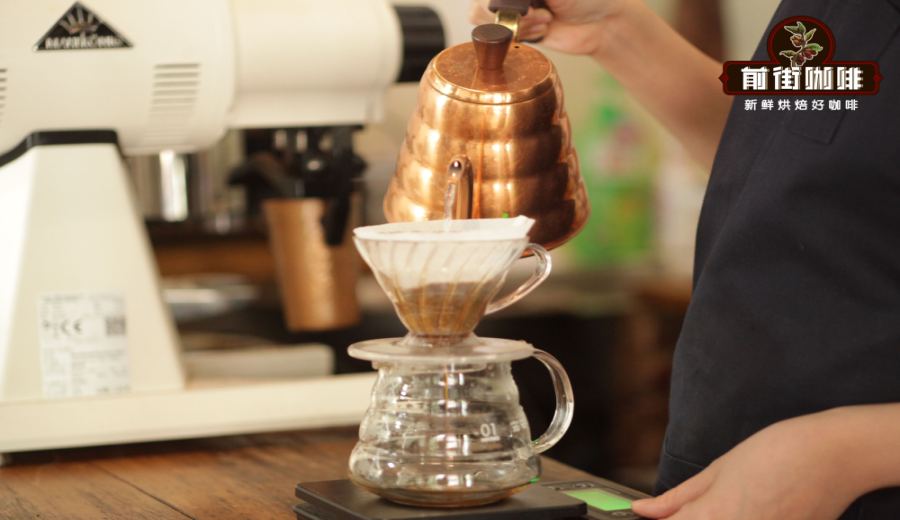
Introduction:The flavor profile of pour over coffee is closely related to extraction time, but how long should you actually brew to achieve the optimal balance? This article uses a 15-gram coffee dose as a baseline to explore the scientific rationale behind the golden extraction window of 1 minute 50 seconds to 2 minutes 30 seconds. Starting from the principles of coffee extraction, it analyzes how time affects the dissolution of flavor compounds, and explains in detail how three key variables—grind size, filter design, and pouring technique—influence water flow rate. This will help you precisely control your brewing rhythm and produce a cup of coffee with rich layers and balanced taste.
The charm of pour over coffee lies in the ability to finely control the process to extract just the right amount of flavor compounds from the coffee beans. However, many coffee enthusiasts often wonder: how long should you brew to achieve the ideal flavor? Taking 15 grams of coffee grounds with a No. 01 filter cone as an example, keeping the total extraction time within1 minute 50 seconds to 2 minutes 30 secondsis generally the ideal range for achieving balanced flavor.
Pour over brewing, at its core, is the process of using hot water as a medium to dissolve aromatic substances and flavor compounds from the coffee grounds. During this process,time plays a crucial role—the longer the extraction time, the more compounds are dissolved, but not all extracted components contribute positively to flavor quality. Therefore, it’s essential to accurately control the time range.
In a typical drip extraction process, around2 minutes, the coffee grounds will rapidly release soluble substances, and the extraction yield usually reaches about 18% (according to the Golden Cup standard, 18% to 22% is considered an ideal extraction yield range). When the extraction time extends to5 minutes or more, over 80% of the soluble substances may be released—equivalent to more than 24% of the coffee bean’s weight—which can easily lead to over-extraction.
In other words, if the extraction time is significantly shorter than 2 minutes, the coffee may taste thin, watery, and lack complexity; on the other hand, if the extraction time far exceeds 2 minutes, unpleasant burnt bitterness and astringency can emerge. Therefore,maintaining the time between 1 minute 50 seconds and 2 minutes 30 secondshelps to extract a more balanced and rich flavor profile. To become more skilled at controlling coffee flavor, it's also important to understand how several key variables practically affect extraction time.
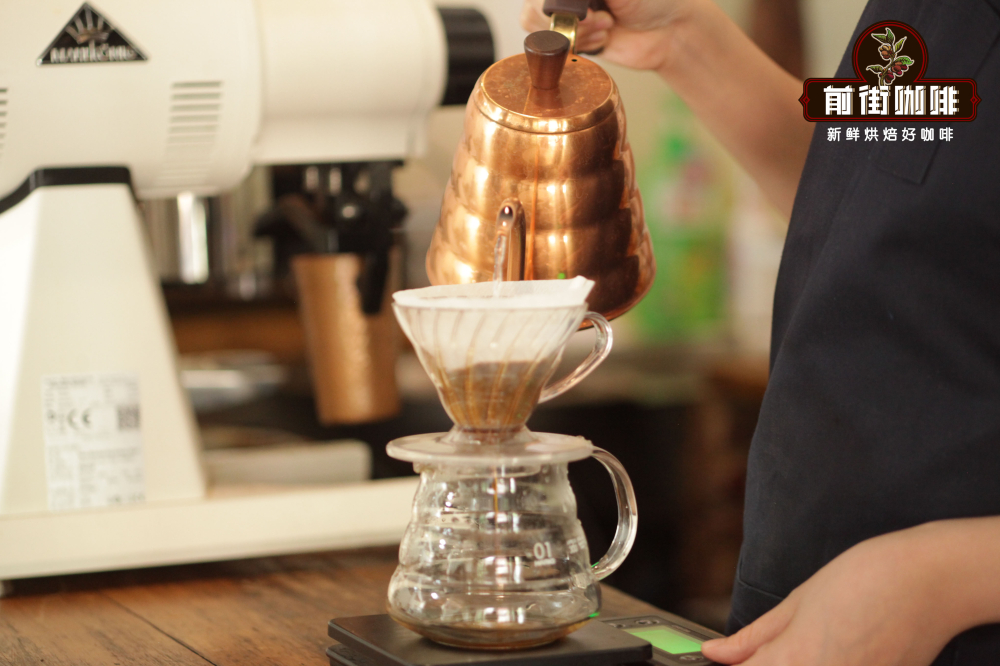
First,coffee grind sizedirectly affects how quickly water flows through. Coarser coffee particles have larger gaps between them, allowing smoother water flow and resulting in relatively shorter extraction times; finer grinds, due to smaller gaps and increased resistance, slow down the water flow, thereby extending the extraction time. Generally, if you want to stabilize the total extraction time around2 minutes, it’s recommended to aim for a grind setting where the20-mesh sieve passes 75% to 80%of the particles—this corresponds to a medium-fine grind.
Second,filter cone designis also a key factor affecting water flow speed. For example, filter cones such as V60, Bingtong, and Chuanliu, which feature multiple flow channels, offer smoother water pathways and typically faster drainage, often resulting in slightly shorter overall extraction times. In contrast, filter cones like Kono or fan-shaped designs, which have more concentrated base flow structures, tend to have slower water speeds and extraction times that are usually about20 seconds longerthan the former. When choosing different filter cones, it's wise to adjust grind size and pouring techniques according to their specific characteristics.
Finally,pouring techniqueshould not be overlooked either. Pouring with a high flow rate delivers a larger volume of water in a shorter time, exerting greater pressure and agitation on the coffee bed, which typically results in a shorter extraction time. On the other hand, a delicate, slow pour with a low flow rate helps improve extraction evenness but can extend the overall brewing time. It's advisable to flexibly adjust the pouring speed and rhythm based on your personal brewing habits and desired flavor outcomes.
In summary, mastering the extraction time of 1 minute 50 seconds to 2 minutes 30 seconds is not simply a matter of timing, but requires a comprehensive understanding of the interplay among grind size, filter type, and pouring technique. By gaining deeper insight into these variables and refining your approach through practice, you’ll be able to more steadily control your brewing rhythm and consistently produce a high-quality pour over coffee with balanced flavors and distinct layers.
The above content is compiled by CoffeeHunters, a coffee news website.


