







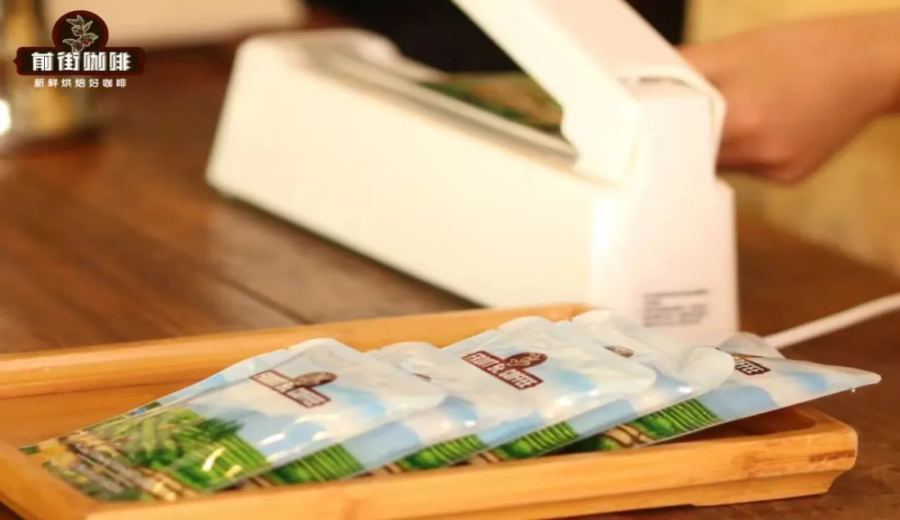
Introduction:Drip bags are a convenient option for many coffee enthusiasts to enjoy specialty coffee flavors, but how can you brew them correctly to bring out the best taste? This article provides a detailed breakdown of drip bag brewing steps, common mistakes, and key flavor-affecting parameters such as water temperature, coffee-to-water ratio, and bloom time. It also highlights ten renowned single-origin drip bags, introducing their unique flavor profiles—from the bright acidity of Yirgacheffe to the rich body and sweet aftertaste of Mandheling—to help you find your perfect match.
Drip bags combine the flavors of specialty coffee with the convenience of instant preparation, making them a daily favorite for many coffee lovers. However, within the seemingly simple four steps—tear open, hang up, pour water, and remove—there are quite a few easily overlooked details. Mastering the correct brewing method not only helps you avoid common mistakes but also fully reveals the layered flavor potential of the coffee beans.
From practical experience, while the drip bag brewing process is less complex than professional pour over, it still requires attention to key factors such as water temperature, coffee-to-water ratio, and bloom time. These details often determine the final flavor experience and are essential knowledge for every beginner coffee enthusiast.
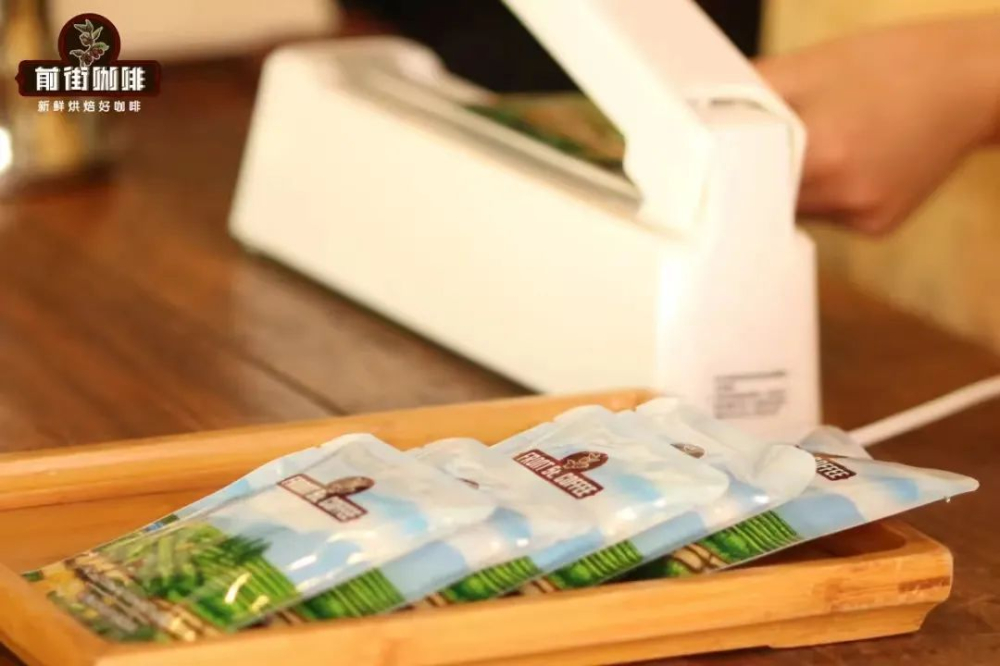
Even if they come from the same batch of beans, freshly ground and brewed coffee differs in flavor from pre-ground coffee made into drip bags. This is because once coffee is ground, its volatile aromatic compounds dissipate quickly, affecting the final aroma. Therefore, unless necessary, it’s recommended to consume the drip bags soon after purchase for the best flavor. Of course, for those with a fast-paced lifestyle who have no time to grind and brew manually, drip bags remain a very practical solution for enjoying specialty coffee.
This selection of drip bag products covers multiple renowned origins and processing methods, including Panama Geisha, Kenya Little Tomato, Yirgacheffe Red Cherry, Mandheling, and Brazil Cerrado. The flavor profiles range from bright citrus acidity and rich chocolate notes to wine-like and fermented characteristics, catering to different taste preferences. Additionally, if you have other favorite coffee beans on hand, you might consider having them custom-made into drip bags for easy enjoyment anytime.
So, how exactly should drip bags be brewed correctly? The process isn’t complicated—at least, not when you master a few key steps, you can get started with ease.
[Correct Drip Bag Brewing Steps]
Step one: Carefully tear open along the marked line on the packaging—usually, the opening is clearly designed and easy to operate. When choosing a cup, it’s recommended to use one with a not-too-wide mouth to ensure the drip bag holder stays stable.
Step two: Pour approximately 90°C hot water, using just enough to fully saturate the coffee grounds, then let it sit for 20 to 45 seconds of blooming. This step awakens the aromatic compounds in the coffee grounds and lays the foundation for subsequent extraction.
Step three: After blooming, you can begin the main pouring. Each drip bag contains 10 gramsof coffee grounds, and it’s recommended to use a 1:15 coffee-to-water ratio, which means pouring about 150 milliliters of hot water. If you prefer a stronger taste, you can reduce the water slightly; if you prefer a lighter flavor, you can add more water. For pouring, it’s suggested to use a gooseneck kettle to maintain a steady stream and circle the pour—there’s no need to overly pursue complicated multi-pour techniques; simplicity and convenience are key.
Step four: Once pouring is complete, wait for the coffee to fully drip through, then remove the drip bag. At this point, you can add sugar or milk according to your preference. If you choose to add milk, it’s recommended to brew the coffee slightly stronger and mix it at approximately a 1:8 coffee-to-milk ratio, or use a milk frother to make a simple latte.
[Common Brewing Mistakes]
However, many people unknowingly make some mistakes when brewing drip bags, which can affect the final flavor experience.
The first common mistake is mistaking the coffee grounds inside the drip bag for instant coffee and pouring them directly out to brew. This not only results in a mouthful of coffee grounds but also misses the essence of drip bag filtration extraction. Instant coffee and drip bags are fundamentally different—the former is made from dried extracted coffee liquid, while the latter consists of freshly ground coffee that needs to be extracted through dripping.
The second mistake is treating the drip bag like a tea bag and directly soaking it in the cup. Although they may look similar, drip bags are designed with two “ears” on the sides for hanging. Soaking them directly in water not only fails to effectively extract the coffee flavor but may also introduce paper odors.
The third mistake—and the one most people overlook—is pouring water without first tearing open the drip bag’s opening. Most brands clearly mark the word “OPEN” on the package. Without opening it, water cannot enter, and extraction simply won’t occur.
Additionally, some finer details are often ignored—for example, failing to remove the drip bag promptly after brewing, leading to over-extraction, or mistakenly thinking the drip bag can be reused, when in fact the second brew yields little to no effective flavor.
[Three Key Details to Enhance Flavor]
To further enhance the flavor of your drip bag coffee, here are three practical tips to keep in mind:
First, it’s recommended to use a gooseneck kettle instead of pouring directly from a regular water dispenser. A stable water flow reduces unwanted flavors and makes the coffee taste purer.
Secondly, mastering the coffee-to-water ratio is crucial.The difference between ratios like 1:10, 1:15, and 1:20 is quite noticeable, so using a measuring cup with scale markings will help you control the water volume accurately for your desired strength.
Lastly, don’t overlook water temperature control. Although drip bags don’t require the same precision as pour over, it’s still advisable to keep the water temperature between 80 to 95°Cto avoid extracting unwanted impurities due to excessive heat or poor extraction efficiency from too low a temperature.
[Flavor Profiles of Ten Specialty Drip Bag Brands]
Below are ten selected drip bags from different origins, each showcasing unique flavor characteristics for you to choose based on personal preference:
1. Panama Washed Geisha Drip Bag Coffee: Sourced from the Baru Volcano region at an altitude of 1600 meters, blended from Geisha, Catuai, and Caturra. Its flavor profile features citrus, floral notes, honey, and tea-like qualities, with high sweetness and excellent cost-performance.
2. Kenya Little Tomato Drip Bag Coffee: Produced in the high-altitude regions of Kenya, using a long fermentation washed process. Its flavor presents cherry tomato and dark plum acidity, with notable mid-palate sweetness and a finish of berry and green tea notes.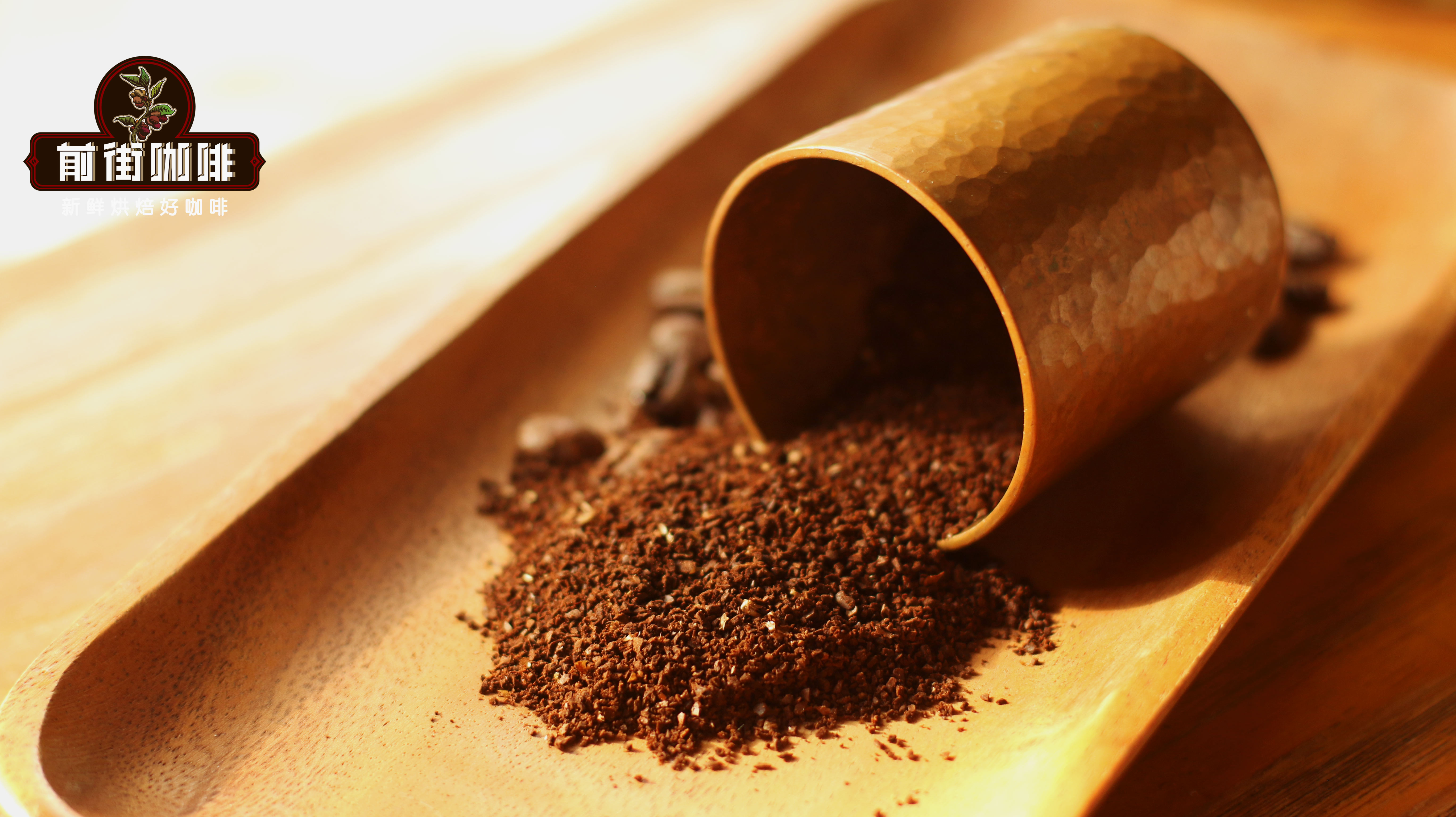
3. Yirgacheffe Natural Red Cherry Drip Bag Coffee: Selected through the Red Cherry Project for high-quality coffee cherries, the natural process gives it pronounced lemon, berry, and fermented wine aromas, with balanced acidity-sweetness and a sweet lingering aftertaste.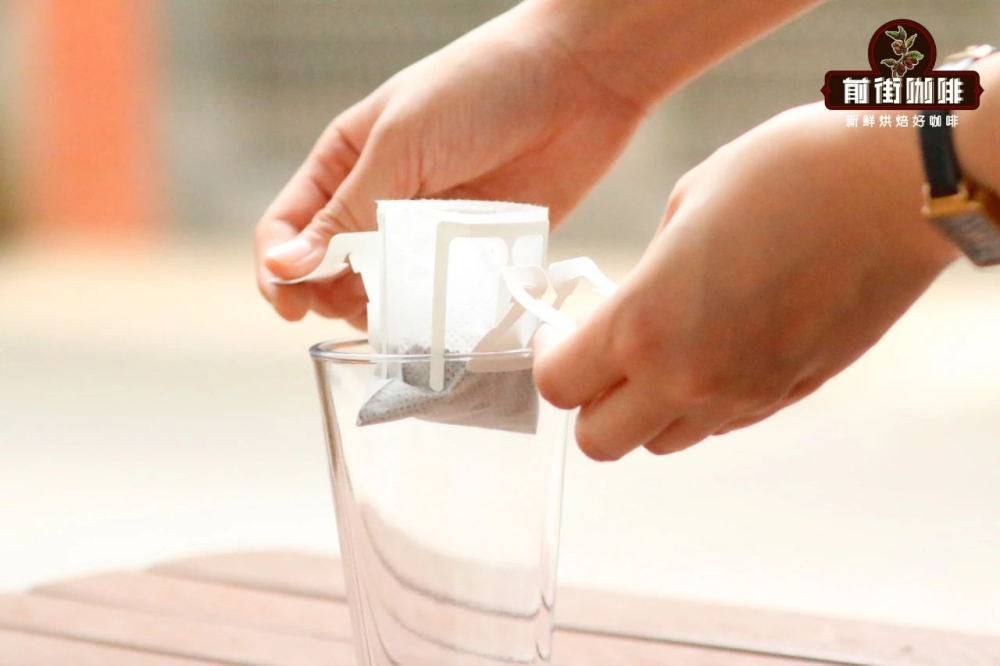
4. Washed Yirgacheffe Drip Bag Coffee: Using traditional washed processing, it showcases clean notes of lemon, floral scents, and cane sugar, with a refreshing and representative flavor.
5. Sumatra Mandheling Drip Bag Coffee: Processed with the wet-hulled method, it offers herbal, dark chocolate, and caramel flavors, with a notable sweet aftertaste and rich layers.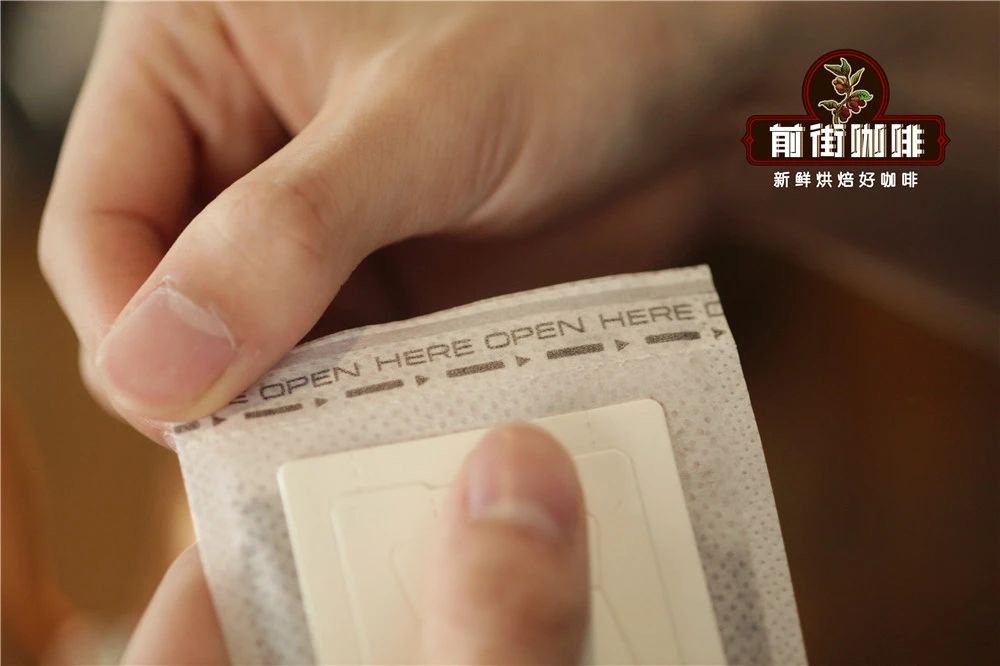
6. Brazil Cerrado Red Bourbon Drip Bag Coffee: Using the honey process, its flavor focuses on nuts and chocolate, with low acidity and a full-bodied mouthfeel.
7. Yunnan Small Coffee Beans: Sourced from Baoshan, Yunnan, the Catimor variety presents melon, nut, and cream notes, with a mild and smooth flavor.
8. Costa Rica Tarrazú Drip Bag Coffee: From a high-quality origin at 1200–1800 meters altitude, its flavor highlights nuts, sweet orange, and honey, with clear layers.
9. Colombia Washed Huila Drip Bag Coffee: A national treasure-grade specialty bean, with balanced flavors of nuts, dark chocolate, and soft fruit acidity.
10. Honduras Washed Catuaí Drip Bag Coffee: Notable for its chocolate and nut tones, moderate acidity, and a cocoa-scented aftertaste.
The above content is compiled by CoffeeHunters, a coffee news website.


