








Introduction:This article delves into the characteristics of coffee from Ethiopia’s Yirgacheffe region, covering the geography of the region, differences in processing methods, the flavor profiles of two classic washed and natural sun-dried beans, as well as practical pour over recommendations and extraction parameters. Not only does it introduce you to Yirgacheffe’s signature citrus and floral notes, but it also provides expert insight into the common issue of uneven bean size—making it a comprehensive beginner’s guide to exploring specialty coffee.
Yirgacheffe is one of Ethiopia’s most representative specialty coffee regions, known for its bright, lemony citrus tones and clean, pure taste. This area is not only a microcosm of African coffee culture but also a window for global coffee enthusiasts to experience Ethiopian flavors. This article will start with the regional background, processing techniques, and cooperative characteristics, and provide a detailed analysis of the actual flavor profiles of two classic processed beans—washed Guji Dingding and natural Red Cherry. It also offers suitable pour over parameters and extraction suggestions, helping you grasp every step from bean selection to brewing for this uniquely flavored specialty coffee.

As the birthplace of coffee, Ethiopia boasts numerous regions with distinctive flavor profiles, among which Yirgacheffe is renowned for its unique lemon, floral tea, and citrus notes. Compared to other regions, Yirgacheffe has the highest average altitude in the country, and is home to many small cooperatives, resulting in diverse and nuanced bean profiles. For example, Guji Dingding and Kochere are two highly representative cooperatives in the area, both primarily producing high-quality washed beans. Among them, Guji Dingding is favored by pour over enthusiasts for its distinctly sized beans and bright acidity. Kochere, on the other hand, is known for its mature washed processing techniques, often yielding sweet profiles where honey and citrus intertwine.
When selecting a washed Yirgacheffe bean, it is recommended to use a light roast to preserve its vibrant fruit acidity and floral aroma. Taking Guji Dingding as an example, many roasters deliberately control the roasting intensity to maintain its bright acidity, allowing the citrus, black tea, floral, and subtle creamy notes to fully shine. During actual pour over brewing, it is suggested to use water at about 91°C, with a coffee-to-water ratio controlled at 1:15, and the coffee dosage can be around 15 gramsdepending on the size of your cup, which can effectively bring out its clear layers and refreshing aftertaste. In addition, due to the light roast, a higher water temperature helps release more aromatic compounds and avoids under-extraction that could lead to superficial flavors.
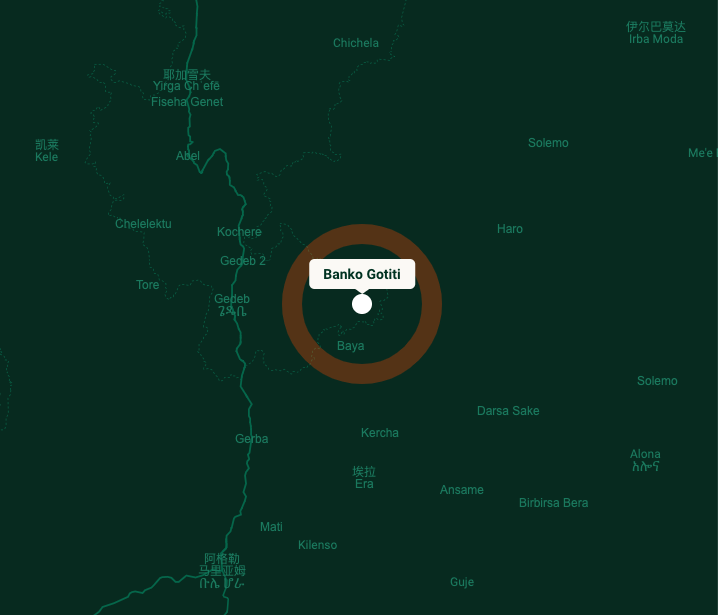
Many consumers, when first trying washed Yirgacheffe beans, often notice the inconsistent bean sizes and may even suspect the presence of defective beans. In fact, this is related to Ethiopia’s unique coffee cultivation and harvesting practices. Since most of the farming is done by smallholders, and multiple native varieties (such as Bourbon, Typica, Caturra, Catuai, etc.) are commonly interplanted in the same area, harvesting is generally not sorted by variety, resulting in uneven bean sizes. This “native variety blend” is one of the reasons why Ethiopian coffee flavors are so diverse and distinctive, and it is also a key difference compared to beans produced on large-scale estates in other countries.
Historically, Yirgacheffe originally relied mainly on traditional natural sun-dried processing, but early methods were relatively rudimentary, often involving spreading beans directly on the ground to dry, which easily absorbed impurities and off-flavors. It wasn’t until 1972, when Ethiopia introduced washed processing techniques from Central and South America, that the cleanliness and purity of the coffee were significantly improved, propelling Yirgacheffe to a prominent position on the world map of specialty coffee. Washed processing not only removes the pulp and some impurities, but also highlights the fruit acidity and floral notes of the beans through fermentation and washing processes, resulting in a cleaner and brighter cup profile.
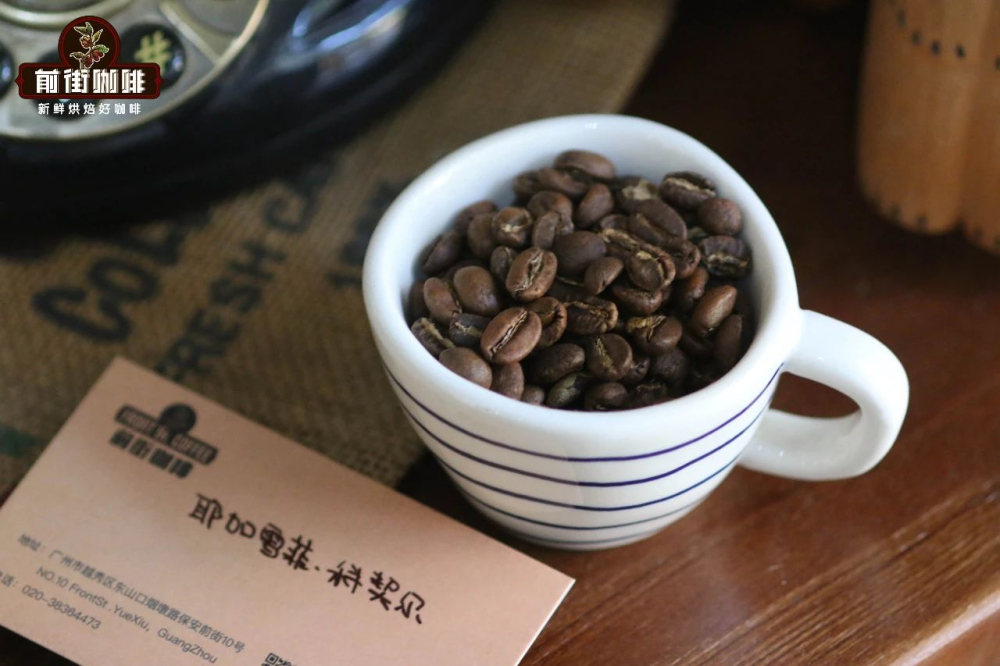
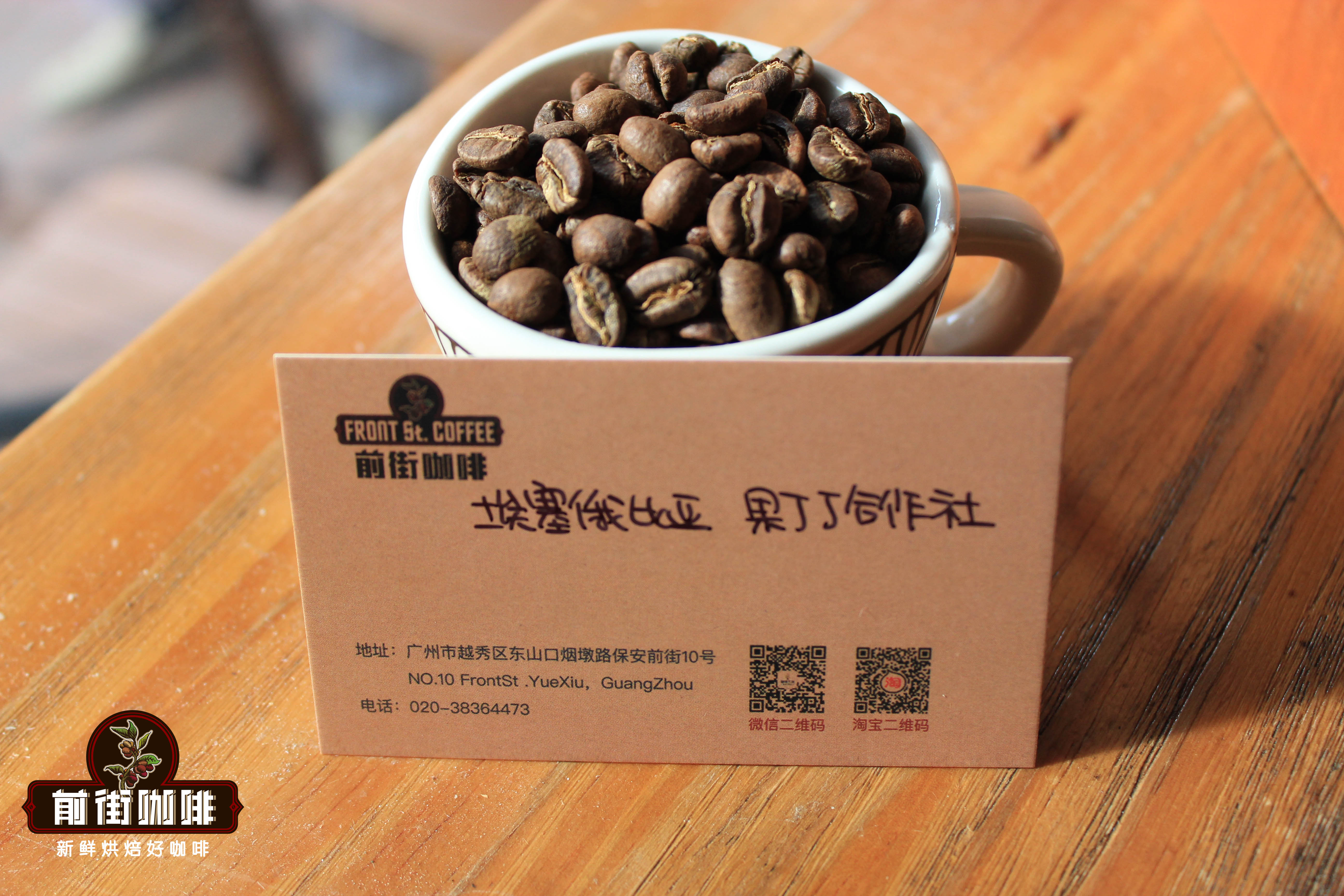
In addition to washed processing, natural sun-dried is also a common method used in Yirgacheffe, with the “Red Cherry Project” being a representative specialty natural program. This initiative was driven by a Dutch green coffee importer in collaboration with local Ethiopian farmers, aiming to encourage farmers to carefully select ripe red cherries and process them manually by handpicking, through offering higher purchase prices. Red Cherry natural beans are typically harvested only when fully ripe and then undergo prolonged sun drying until the moisture content drops to 12% before hulling and defect sorting, resulting in a more intense and concentrated flavor profile, often featuring berry, wine-like, and rich sweetness notes, forming a strong contrast to the bright and clean profile of the washed version.
If you observe closely, you’ll also notice differences in the appearance of washed and natural Yirgacheffe green beans. Washed green beans are generally bright green in color and have more silver skin (the inner film) residue; whereas natural green beans tend to be yellow-green with less silver skin. Additionally, the degree of roasting also affects the retention of silver skin—dark roasts nearly completely remove it, while light roasts may still show noticeable silver skin. These details not only help determine the processing method but also assist in predicting the final flavor direction of the coffee.
In summary, Yirgacheffe coffee holds a unique place in the global specialty coffee market, thanks to its bright acidity, complex floral and fruity tones, and exceptional cleanliness. Whether you’re a beginner just starting out with pour over or an experienced coffee enthusiast, understanding its regional background, processing differences, and actual extraction parameters can help you more accurately appreciate and enjoy this unique coffee flavor from the African highlands.
The above content is compiled by CoffeeHunters, a coffee news website.


