







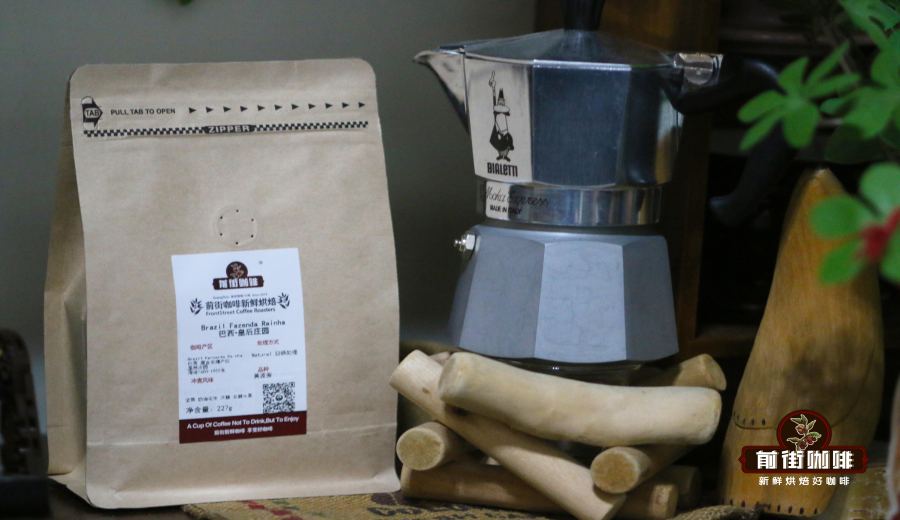
Introduction:Many beginner coffee enthusiasts often encounter pronounced bitter or even harsh, throat-burning notes when brewing medium to dark roasted Brazilian beans. In fact, the bitterness in Brazilian coffee can be divided into pleasant nutty, chocolatey, and caramel tones, and unpleasant negative flavors such as smoky or woody notes. This article will delve into how to effectively extract the rich caramel and nutty aromas of Brazilian coffee—while avoiding common burnt-bitter defects—through filter choice, appropriate grind size, precise water temperature, and a three-stage pouring technique, helping you easily brew a balanced and flavorful pour-over black coffee.
Many beginners who have just started exploring pour-over brewing often find that Brazilian coffee produces strong bitterness, and even smoky or burnt-offending flavors. This is actually related to the commonly used medium to dark roast level of Brazilian beans. Although bitterness is one of the fundamental flavor profiles of Brazilian coffee, not all bitterness is positive. Nutty, chocolatey, and caramel-like bitterness can bring body and sweetness, which are considered positive flavors; however, once negative flavors such as woody, medicinal, or burnt notes appear, they can easily make the entire cup of coffee unpalatable.
So, how can you use the correct pour-over techniques to extract the charming caramel and nutty aromas of Brazilian coffee while avoiding those unpleasant burnt-bitter notes? The following will analyze the optimal extraction parameters and practical tips step by step—from filter choice, coffee-to-water ratio, grind size, water temperature control, to pouring methods.
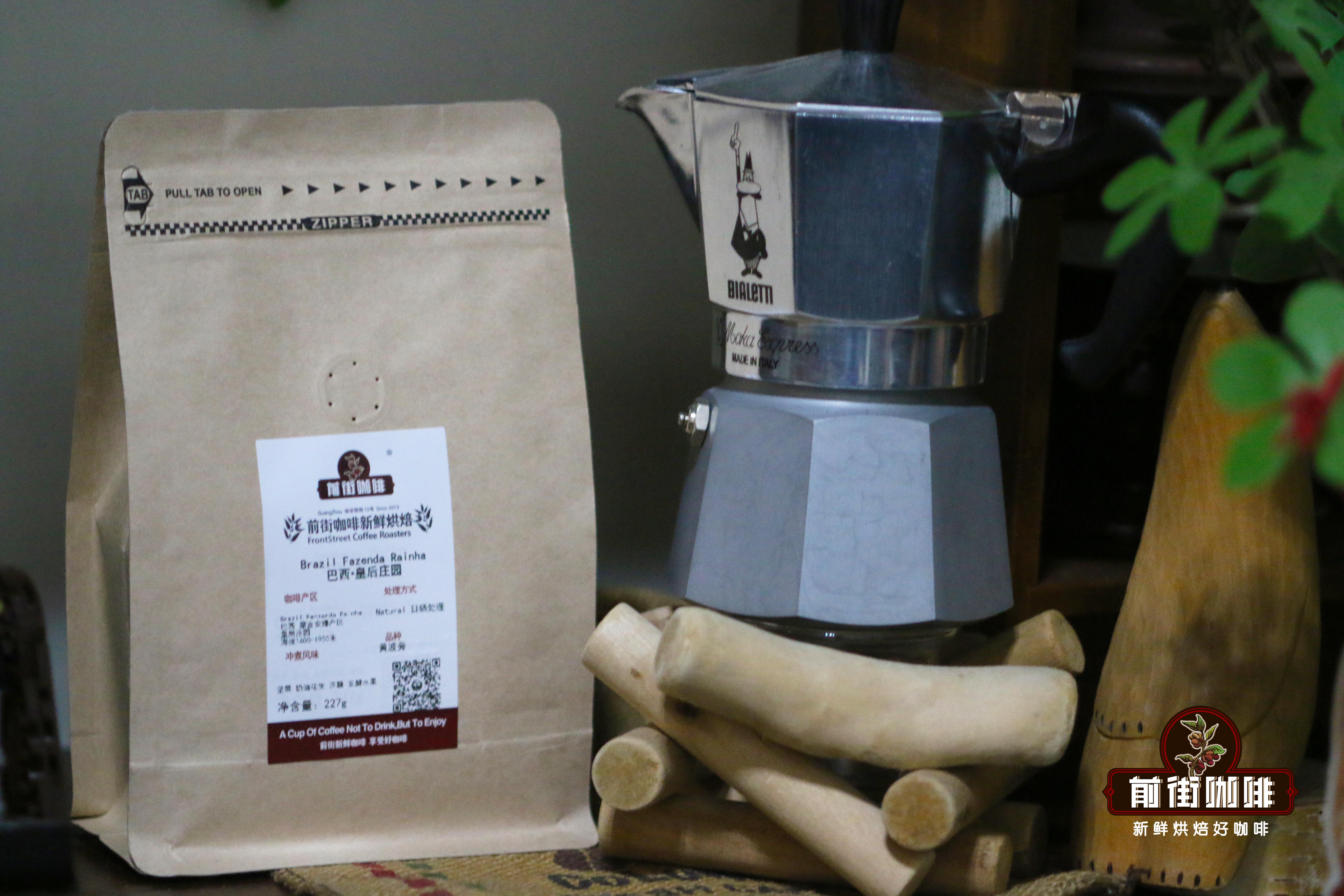
First, in terms of filter choice, it is recommended to use models with special rib designs, such as the Kono Mingmen filter. The ribs of the Kono filter extend from the bottom to the middle section, while the upper part features smooth walls. This design reduces bypass flow along the edges of the filter paper, allowing water to pass more evenly through the coffee grounds, which helps improve extraction stability and the body of the cup. It is especially suitable for medium to dark roasted Brazilian beans, enhancing their naturally rich characteristics.
For coffee dosage, it is generally recommended to use 15 grams of coffee grounds. This amount is suitable for most 1 to 2-cup capacity pour-over filters—not only convenient to control but also ensuring even coffee extraction. It should be noted that too much or too little coffee can affect water distribution and extraction efficiency, thereby altering the final flavor profile.
In terms of coffee-to-water ratio, a 1:15 ratio is recommended—that is, 15 grams of coffee grounds to 225 milliliters of water. Although some brewing suggestions may mention ratios like 1:13 or even more concentrated, excessively high concentrations can lead to over-extraction, resulting in an overly heavy mouthfeel and amplifying bitterness and negative flavors. A 1:15 ratio balances body and clarity of flavor, making it ideal for showcasing the rich layers of Brazilian coffee.
As for grind size, it is recommended to use a coarseness where about 70% of the particles pass through a #20 sieve—slightly coarser than the standard for light roasted beans. Since Brazilian beans are typically medium to dark roasted, the beans are relatively porous. If ground too fine, it can lead to over-extraction of burnt-bitter and smoky off-flavors; but if ground too coarse, it may result in under-extraction, leaving the coffee tasting thin like water. Therefore, a moderately coarse grind is key to stabilizing the release of desirable flavor compounds.
Water temperature is equally crucial. It is recommended to use hot water at 87 to 88°C for brewing. Excessively high temperatures can accelerate over-extraction, leading to sharp bitterness and burnt notes; whereas too low a temperature may render the coffee’s flavors dull or even bring about unpleasant sourness or astringency. Maintaining a range of 87–88°C helps balance the extraction of sweetness, caramel aroma, and a stable, full-bodied mouthfeel.
Finally, in terms of pouring technique, the three-stage pouring method is recommended, as it aids in even extraction and the expression of layered flavors. First is the bloom stage: pour about 30 milliliters of hot water to allow the coffee grounds to fully expand and release carbon dioxide, preparing them for subsequent extraction. Then, in the second stage, pour about 100 milliliters of water, primarily extracting the mid-palate flavors, including the nutty and chocolatey base notes. Finally, in the third stage, pour another approximately 95 milliliters to enhance the release of sweetness and caramel flavors, resulting in a more rounded and balanced overall mouthfeel.
By following the complete process—from filter selection, coffee dosage, coffee-to-water ratio, grind size, water temperature, to the three-stage pouring technique—you will effectively reduce the common burnt-bitter and off-flavor issues associated with medium to dark roasted Brazilian beans, while highlighting their charming caramel sweetness and nutty flavors. You’ll be able to brew a well-balanced, full-bodied pour-over black coffee. Even as a beginner coffee enthusiast, mastering these basic techniques will allow you to easily enjoy the unique charm of Brazilian beans.

The above content is compiled by CoffeeHunters, a coffee news website.


