







Introduction:Delve into the culture, geography, and cooperative operations behind the Yirgacheffe region, and explore how washed and natural processing methods shape its unique flavors. This article provides a detailed analysis of the characteristics of two classic Yirgacheffe beans, along with practical pour over parameters and steps to help you fully showcase the bright fruity notes and layered complexity of African beans.
Yirgacheffe, a name that resonates deeply with many coffee enthusiasts, represents not just a small town in Ethiopia but also a flavor icon in the world of specialty coffee. When Yirgacheffe is mentioned, many people immediately think of its distinctive citrus aroma and soft jasmine floral notes—traits that set it apart from other regions and make it a top choice for many pour over coffee lovers.
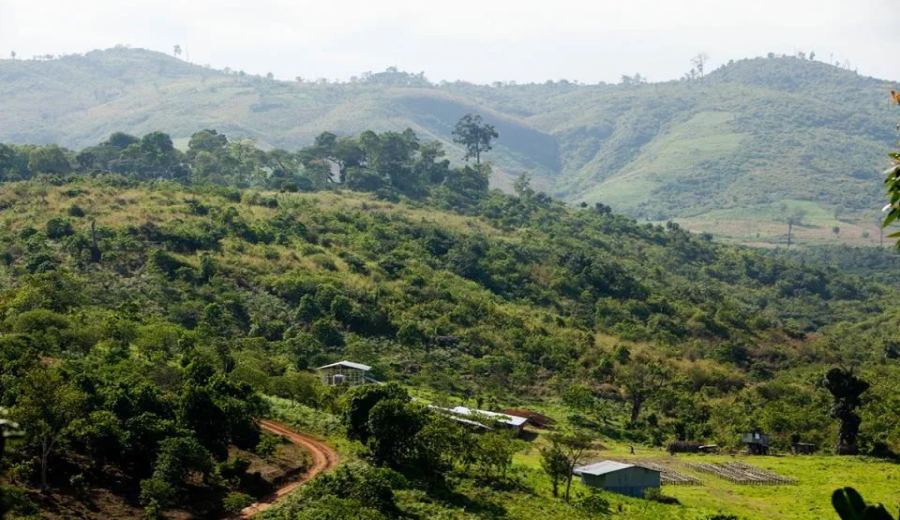
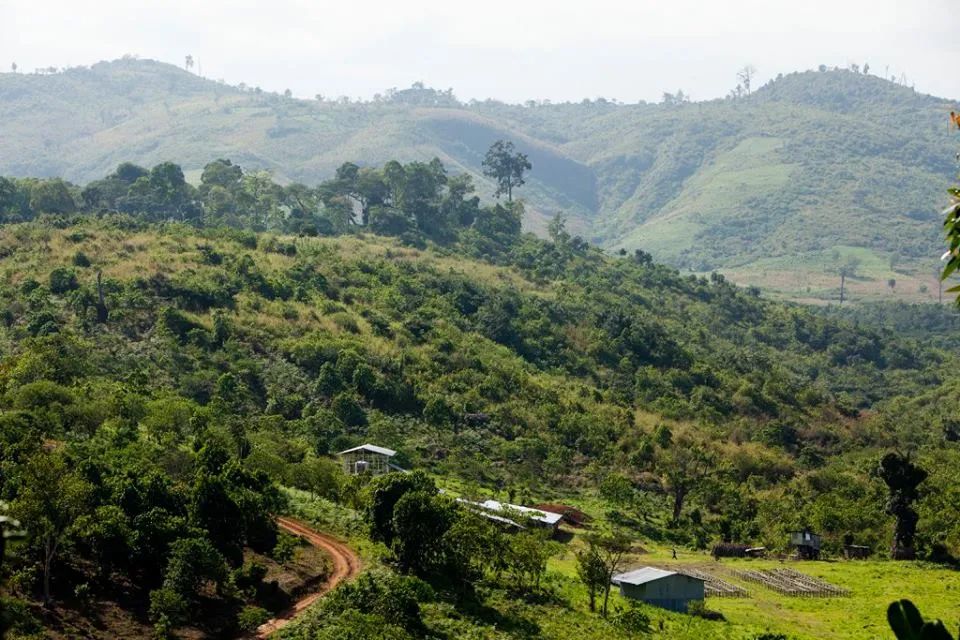
Yirgacheffe is actually a small town located in the northwest of Ethiopia’s Sidamo region, within the Gedeo zone, near the Great Lakes basin. It benefits from abundant water sources, providing ideal conditions for local washed processing. In terms of altitude, Yirgacheffe sits between 1,700 and 2,100 meters, making it one of Ethiopia’s highest-altitude coffee-growing areas. With its cool, moist climate, moderate sunlight, and spring-like microclimate year-round, the coffee produced here typically boasts bright acidity and rich floral and fruity aromas.
Interestingly, the name “Yirgacheffe” holds deep meaning in the local ancient language. “Yirga” means peace or settlement, while “Cheffe” refers to a type of marshy wetland. Together, they can be understood as “we have made our home on this wetland,” which seems to metaphorically illustrate the inseparable bond between this land and coffee.
In Ethiopia, coffee is primarily cultivated by smallholder farming families. Around 1.2 million smallholder households depend on coffee for their livelihoods, most operating on a small scale with limited production. As a result, various coffee production models have emerged locally, including forest coffee, semi-forest coffee, garden coffee, and large plantations—with garden coffee being the most common. To address the challenges faced by smallholders working alone, the region has seen the rise of numerous coffee cooperatives and processing mills that consolidate coffee cherries from nearby farmers for unified processing and sales. Yirgacheffe is a typical example of this cooperative model.
Among the many high-quality coffees from Yirgacheffe, the “Gedeb Cooperative” and “Natural Red Cherry” beans offered here are quintessential representations of the region’s flavor profile. The former uses traditional washed processing to highlight clean, bright citrus and floral notes, making it a popular entry point for many pour over enthusiasts. The latter, through carefully selected fully red cherry natural processing, delivers intense sweetness and complex fermentation layers, resulting in a bolder flavor.
The Gedeb Cooperative is made up of 300 smallholder farmers dedicated to growing Ethiopia’s finest quality coffee beans. They continue the traditional washed processing method and are hailed as “the last pure land of Yirgacheffe.” During processing, coffee cherries first undergo flotation to remove unripe beans, then the pulp is removed mechanically. The beans are then placed in water tanks for fermentation, where microbial action breaks down the mucilage layer. Finally, they are rinsed with clean water and dried in the sun. This processing method effectively reduces defective flavors, highlighting a clean, bright acidity and allowing the coffee to express delicate aromas such as passion fruit, citrus, and jasmine.
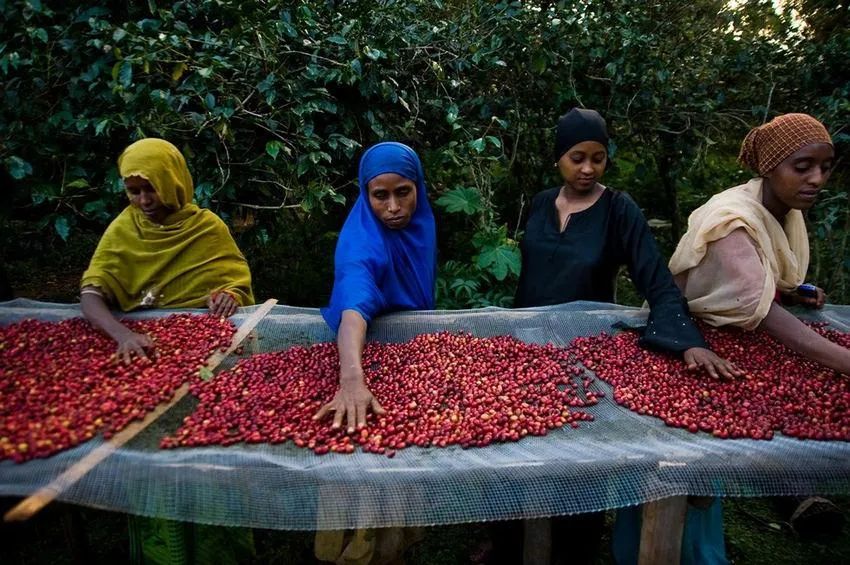
In contrast, the “Natural Red Cherry” bean showcases a distinctly different personality. These beans come from the Aletre Farm and are part of the “Red Cherry Project,” initiated in 2007 by the Dutch trading company Trabocca BV. The project aims to enhance the quality of coffee from Ethiopia’s high-altitude regions through technological upgrades and professional cupping. The initiative requires only the harvest of fully ripe red coffee cherries, and employs strict quality control and post-harvest processing to significantly increase the beans’ value and market competitiveness.
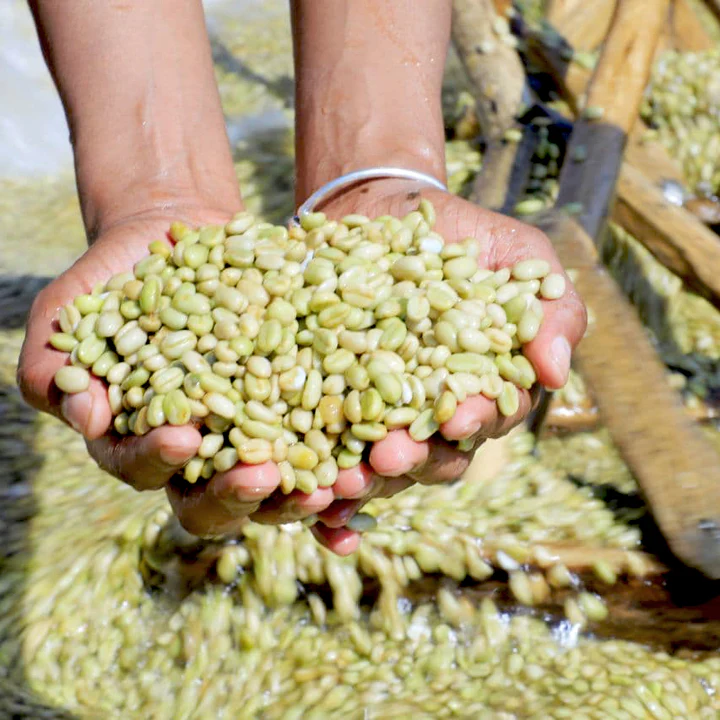
The Natural Red Cherry beans are classified as G1 grade, with intact beans and an extremely low defect rate. They undergo full red cherry natural processing, and the green beans appear light yellow with plump, well-formed seeds. In terms of flavor, this coffee exhibits intense berry-like acidity and sweetness, distinct honey-like sweetness, and a black tea-like finish. Its mouthfeel is round and layered, making it ideal for coffee lovers who enjoy sweet flavors and fermentation complexity.
In terms of roast level, based on the characteristics of Yirgacheffe, a medium-light roast is generally chosen to preserve its bright acidity and floral-fruity aromas. Among them, the washed beans from the Gedeb Cooperative are roasted to a light level to enhance the expression of citrus and white floral notes, while the Natural Red Cherry is medium-light roasted to fully bring out the berry flavors and sweetness. Regardless of the roast style, multiple cuppings are conducted to ensure each batch of beans can showcase its optimal flavor profile.
If you want to brew Yirgacheffe’s captivating flavors at home, here are some practical pour over tips: First, the freshness of the coffee beans is crucial—opt for beans roasted within 5 days to fully experience their aroma and flavor. For grind size, a medium-fine grind is recommended (such as around 78% passing through a Chinese standard No. 20 sieve, similar in size to fine sugar). Water temperature should be controlled between 92–93°C to better highlight the floral and fruity characteristics.
For brewing, it is recommended to use a V60 dripper with a three-pour method. The coffee-to-water ratio can be adjusted between 1:15 and 1:16 based on personal taste. If you prefer a bright and vibrant acidity, choose a 1:16 ratio; if you favor a richer and fuller body, go with 1:15. Specifically, start with a bloom using twice the amount of water by coffee weight (e.g., 30 ml of water for 15 g of beans) for 30 seconds. Then, pour in a circular motion with a slow stream until reaching 125 g, pause for a brief drawdown, then pour up to 225 g. The total brew time is approximately 2 minutes. This brewing method fully highlights Yirgacheffe’s multi-layered flavors—from bright citrus and berry notes to the honey and tea-like finish—all of which can be distinctly experienced.
The above content is compiled by CoffeeHunters, a coffee news website.


