







Introduction:Indonesian Mandheling coffee is a top choice for many coffee enthusiasts due to its rich body and low acidity. This article begins with an interesting WWII anecdote behind its name, then delves into the variety’s characteristics, the strict selection criteria of Golden Mandheling, and offers practical pour over brewing tips along with flavor profiles to help readers better understand and choose the Mandheling coffee that suits them.
In the world of specialty coffee, Indonesian Mandheling coffee has always held an important place. Its bold, full-bodied taste and low acidity set it apart from coffees of other origins. Moreover, Mandheling offers a rich layering of flavors—from the deep richness of dark chocolate to the sweetness of caramel—all within a single cup.
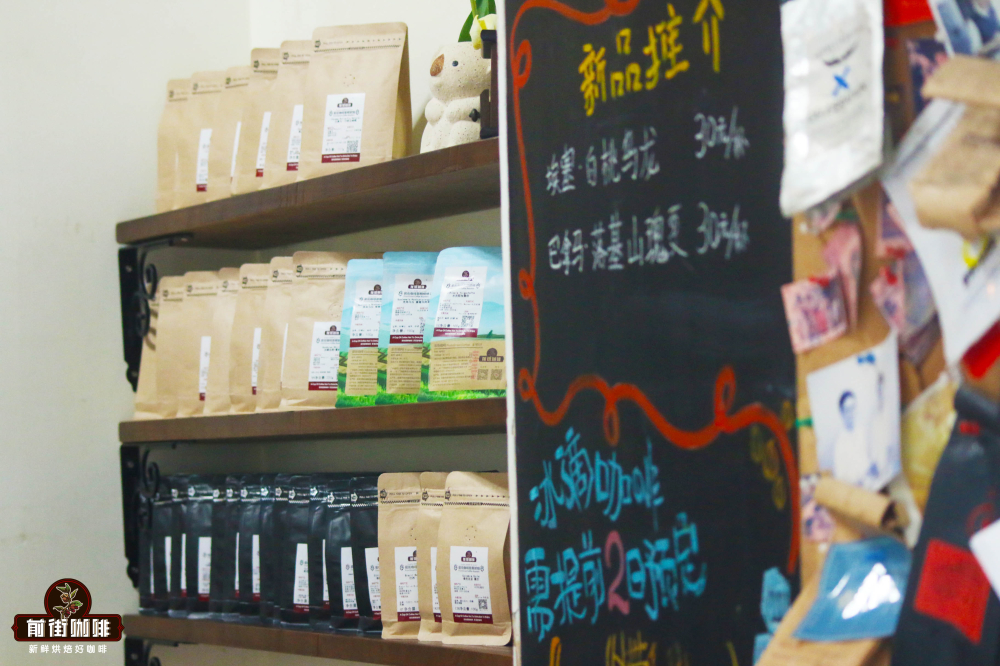
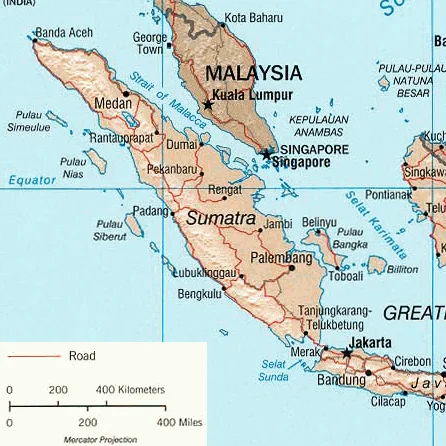
Walking into any specialty café, you’ll often encounter two distinct types of coffee lovers: one group prefers bright, fruity, and acidic profiles, while the other is drawn to bold, full-bodied flavors with a slight bitterness. Even in today’s era of widespread Geisha popularity, many customers still specifically seek out Mandheling, showcasing its timeless charm. The origin of this unique flavor profile lies in Sumatra, Indonesia—a renowned coffee-growing region in Asia.
Mandheling is not the name of a coffee variety, but rather originates from an indigenous ethnic group in the northern highlands of Sumatra. There’s an interesting WWII story behind its name. It’s said that a Japanese soldier once tasted an exceptionally aromatic cup of coffee at a café in Indonesia and curiously asked the shop owner about the coffee’s name. The owner, misunderstanding the question, thought he was being asked about his origin, and replied “Mandheling.” After the war, the soldier returned home and specially asked a friend to import 15 tons of this coffee from Indonesia. It received widespread acclaim, and thus the name “Mandheling” became widely known.
The most distinctive features of Mandheling coffee are its intense aroma and heavy body. Its richness ranks among the highest in specialty coffee, and its low acidity gives it a smoother overall profile. Paired with the sweetness reminiscent of dark chocolate and caramel, it delivers a long, layered aftertaste. Additionally, some Mandheling coffees carry subtle earthy or herbal notes, adding further depth to the flavor.
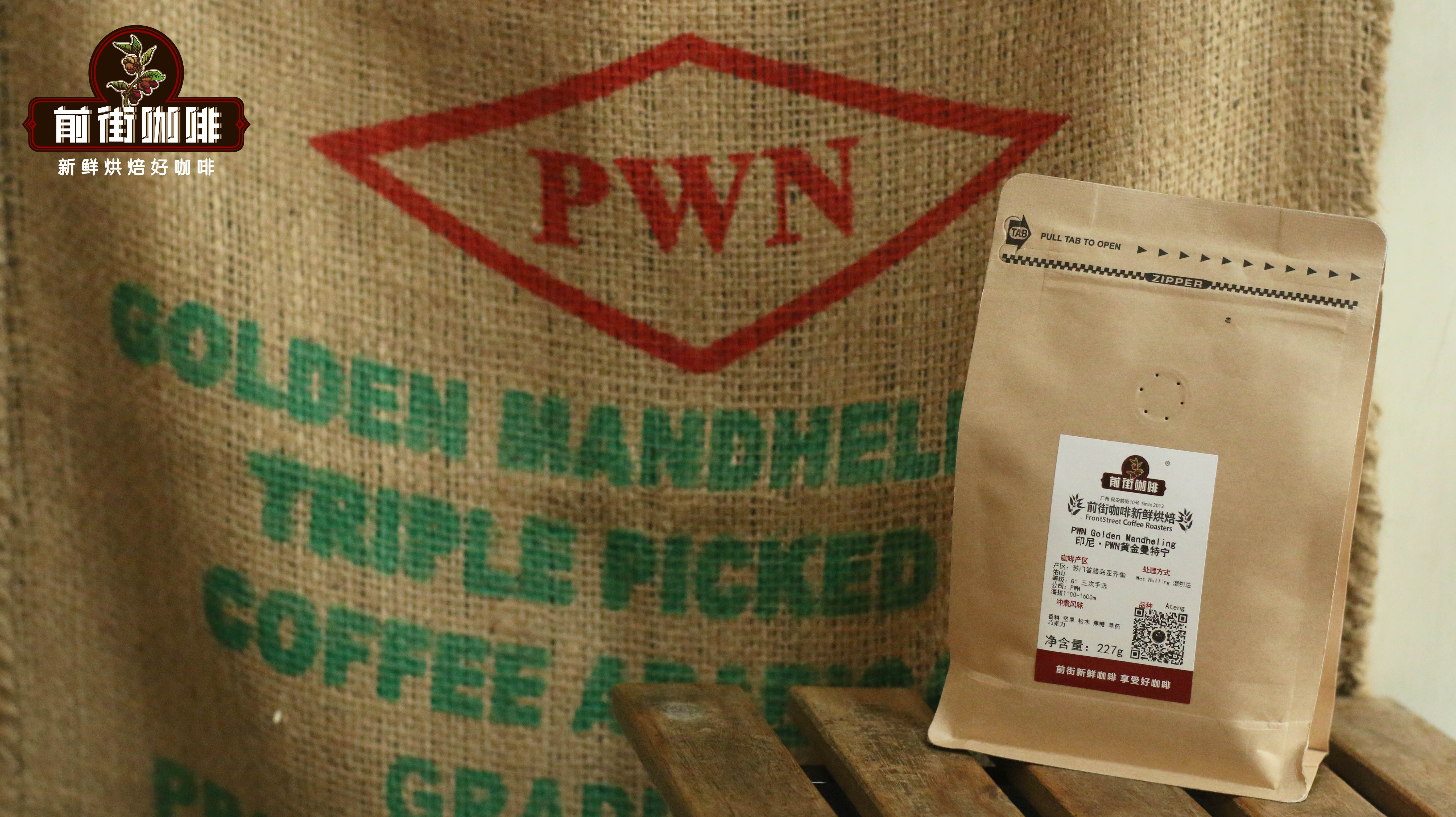
Among the various Mandheling offerings, “Golden Mandheling” is regarded as the premium representative. However, the name “Golden Mandheling (Golden Mandheling)” has been registered as a trademark by Indonesia’s PWN company, and the Golden Mandheling commonly found on the market usually refers to beans produced by this company. PWN applies extremely strict standards when selecting this coffee: only G1 grade green beans larger than 18 mesh, with no more than 3 defective beans in a 300g sample, are chosen, and they undergo an additional three rounds of manual sorting. This rigorous process ensures consistency in the quality and appearance of each bean, resulting in a cleaner, sweeter flavor profile after brewing.
Due to the reputation and value of Golden Mandheling, some counterfeit products have also appeared on the market. Some merchants select ordinary Mandheling beans that meet G1 grade standards, then manually sort and remove defective beans to make them look similar to the genuine product, but there are still noticeable differences in flavor and quality. Therefore, consumers should pay special attention to the origin and supply source when purchasing, ensuring they are getting authentic Golden Mandheling produced in the Gayo highlands of Aceh, Sumatra, by PWN. The Ateng variety grown in this region helps reduce the common herbal and earthy notes found in traditional Mandheling, resulting in a cleaner and more refreshing cup.
Aside from the premium Golden Mandheling, Mandheling from Sumatra’s Lintong region is also an excellent choice for many coffee beginners. Commonly found in the entry-level bean series, Lintong Mandheling is also processed using Sumatra’s unique wet-hulling method, which contributes to its distinctive flavor profile. The wet-hulling method enhances the coffee’s body and earthy aroma, and is one of the key factors in shaping the Mandheling flavor.
In terms of roasting, to fully showcase the bold character of Mandheling, a certain roaster typically uses a medium-dark roast. This level of roasting balances acidity, sweetness, and bitterness, highlighting the chocolate and nutty notes of the coffee. For pour over brewing, it is recommended to use a KONO filter, with water at 87°C and a medium-coarse grind (approximately 70% passing through a Chinese No. 20 sieve), using a 1:15 coffee-to-water ratio and a total of 15 grams of coffee. The specific steps are as follows: start with a 30-second bloom using 30 grams of hot water, then slowly pour in a circular motion from the center outward until reaching 125 grams. Once the water level drops, continue pouring up to 225 grams, with the total extraction time controlled to around 2 minutes.
It’s worth noting that once coffee beans are ground into powder, their aroma and flavor compounds begin to dissipate more quickly. Therefore, it is recommended that consumers purchase whole beans whenever possible and grind them just before brewing to achieve the best flavor. If a grinder is not available, pre-ground services can be considered, but the coffee should be used as soon as possible.
Overall, Lintong Mandheling showcases rich flavors of nuts, cream, and chocolate. As the temperature cools, spicy and herbal notes gradually emerge, with a caramel-like sweetness in the aftertaste. The overall cup is bold and layered. Meanwhile, PWN Golden Mandheling is known for its clean and bright profile, with pronounced nutty aromas. As it cools, notes of pine, spices, and herbs appear, and the finish carries distinct black chocolate and caramel sweetness, delivering a smoother and more delicate overall experience.
The above content is compiled by CoffeeHunters, a coffee news website.


