







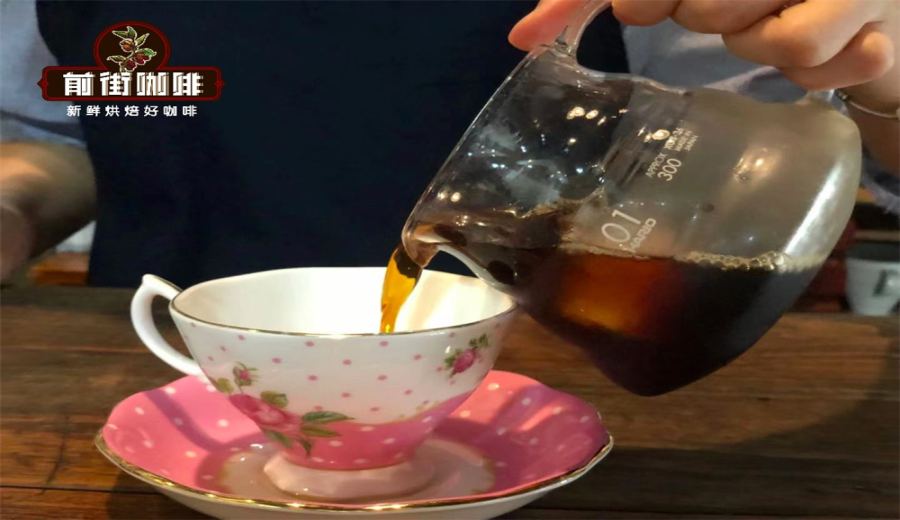
Introduction:Cold drip coffee, with its low-temperature slow extraction, showcases delicate richness and unique fermentation aromas, making it a goal many coffee enthusiasts strive to master. However, replicating professional-grade flavors at home requires attention to every detail—from bean variety and grind size, to coffee-to-water ratio, drip rate, and refrigerated fermentation time. This article will systematically introduce the principles and practical details of cold drip coffee, including pre-wetting, filter paper placement, tamping techniques, and the optimal timing for flavor expression, helping you easily master this classic extraction method.
Thanks to its low-temperature slow extraction, cold drip coffee delivers a refreshing yet rich mouthfeel, accompanied by unique subtle fermentation aromas—a flavor profile that has gained increasing popularity among coffee lovers in recent years. However, to make cold drip coffee at home that rivals café-quality standards, each step—from bean selection and grind size to drip rate and refrigerated fermentation time—holds lesser-known key techniques. This article will take you deep into the origins and fundamental principles of cold drip coffee, and provide a detailed breakdown of the entire process: from bean selection, pre-wetting techniques, filter paper setup, grind coarseness, coffee-to-water ratio, to final refrigerated maturation. Practical operational tips are also included to help you easily produce full-flavored cold drip black coffee at home.
Cold drip coffee carries a hint of gentle fermentation aroma, with an overall taste that leans towards richness and reserved layers, which is quite different from the bold flavors of pour-over coffee. Since it involves long-duration low-temperature extraction and requires refrigeration for fermentation, if you want to challenge this unique flavor at home, it’s recommended to plan ahead to achieve the best extraction results.
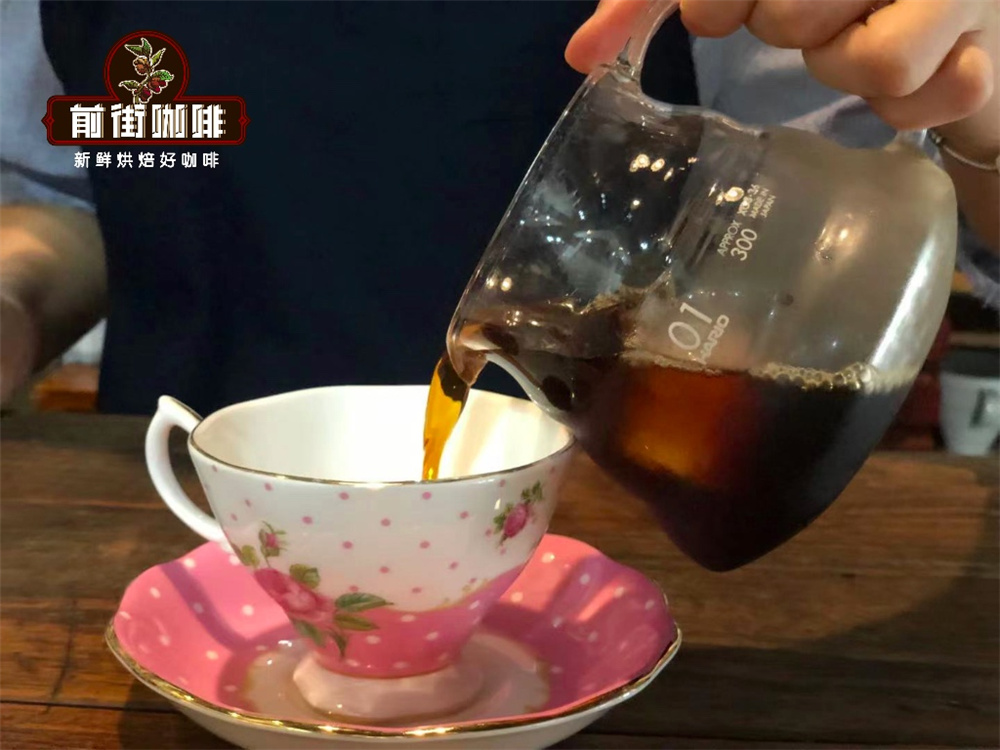
Many people wonder why café-made cold drip coffee always tastes particularly good? This actually relates to the brewing technique, attention to detail, and how the beans are processed. But more importantly, there’s no so-called “absolute standard” for cold drip coffee—everyone may develop their own preferred method. As long as you master the key details, you can also adjust the flavor to best suit your palate.
The history of cold drip coffee can be traced back to Europe, where the original brewing device was invented by the Dutch, hence it is also called Dutch Coffee or distilled coffee. As early as the 17th century, the Dutch began enjoying this type of coffee, which later spread to Korea and Japan through colonial activities, gradually forming the familiar cold drip culture we know today. In some regions, it is therefore also referred to as Dutch coffee.
This extraction method utilizes the natural compatibility between coffee and water. Through the water pressure formed by condensation, water droplets slowly penetrate the coffee grounds layer, completing extraction gradually over about eight hours. Since the entire process takes place in a low-temperature environment, it effectively suppresses the release of bitter and astringent substances. Additionally, if the brewed coffee liquid is further refrigerated for fermentation for 12 to 24 hours after preparation, the accumulation of carbon dioxide inside the bottle helps release flavor molecules, resulting in a smoother mouthfeel with distinct layers. Cold drip coffee is not heated, has soft acidity, low bitterness, noticeable sweetness, minimal stomach irritation, and relatively low caffeine content, making it a type of coffee that is very suitable for savoring slowly.
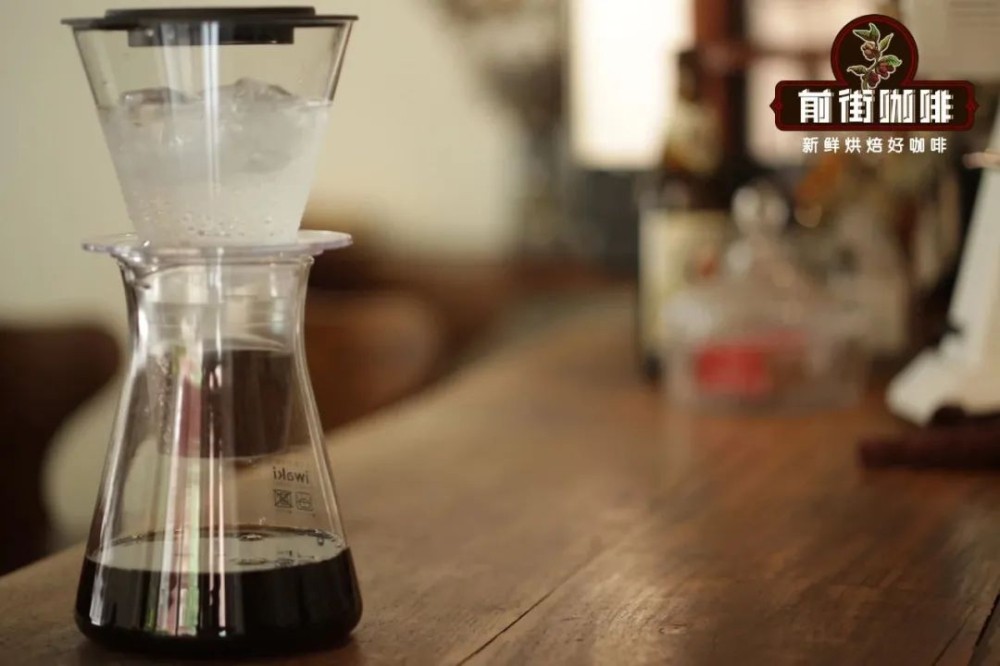
In cold drip preparation, several key elements directly affect the final flavor, including: choice of coffee beans, grind coarseness, coffee-to-water ratio, drip speed, pre-wetting process, filter paper placement, and subsequent refrigerated fermentation time. Precise control over these details can significantly enhance the overall performance of cold drip coffee.
First, let’s talk about the coffee beans. Both cold brew and cold drip are low-temperature extraction methods, with water temperature typically controlled between 0 to 7°C. This effectively reduces the release of large-molecule bitter substances, making the coffee flavor fresher and richer in fruit acidity and sweetness. When selecting coffee beans, light roasts are usually the first choice because their fruity characteristics can exhibit a more comfortable acid-sweet balance under low temperatures. If you prefer specialty flavors, you can also try beans with distinct personalities. However, no matter which beans you choose,it is recommended to use coffee beans roasted within 20 days, as freshly roasted beans continuously release large amounts of carbon dioxide. If too much gas is released during the ice-water drip filtration process, it can cause the coffee bed to expand or channeling effects to occur, thereby affecting extraction uniformity and overall flavor expression.
Next is the pre-wetting process. This step is similar to the bloom in pour-over, helping the coffee grounds fully absorb water and release aromas, enhancing the consistency of subsequent extraction. Especially under low-temperature filtration extraction conditions, without pre-wetting the coffee bed evenly, it’s easy to end up with over-extracted areas and under-extracted zones. Proper pre-wetting not only improves extraction efficiency but can also effectively shorten the overall preparation time.
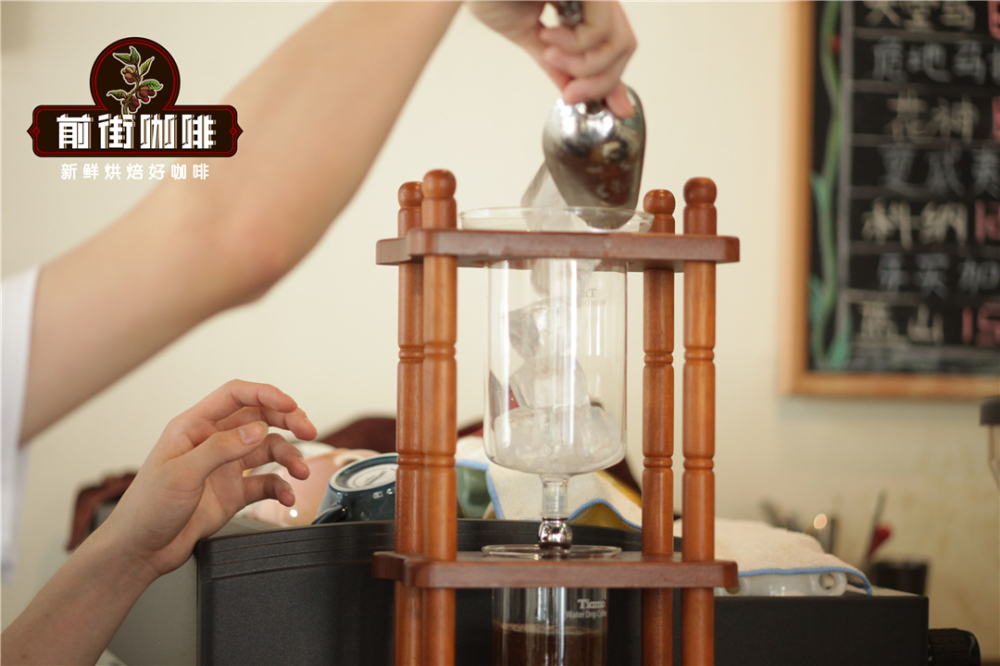
Before placing the coffee grounds into the filter chamber, it’s recommended to lay down a round filter paper. This provides better ventilation space and helps achieve a more complete and clean flavor extraction. After leveling the coffee grounds, cover them with another filter paper. This increases the contact area between the water droplets and coffee grounds, avoiding uneven extraction caused by water droplets concentrating and creating indentations, leaving surrounding grounds insufficiently saturated.
As for grind coarseness, it is also one of the important parameters affecting the flavor of cold drip coffee. If the grind is too coarse, water flows through too quickly, leading to under-extraction and a light-tasting coffee; if too fine, resistance is too high, which can not only cause water pooling but also lead to over-extraction and bitterness. It is generally recommended to use a grind size with80% to 85% passing rate through a #20 standard sieve . For a bolder profile, you can opt for 85%; for a cleaner, more refreshing taste, go with 80%.
The step of leveling the coffee grounds is equally important. Although cold drip doesn’t require the high pressure used in espresso extraction, moderate tamping ensures an even coffee bed structure, preventing uneven extraction due to water pooling or poor gas release. It’s recommended to gently tamp the coffee grounds flat, then lightly press with a tamper—avoid using excessive force, as it may hinder water droplet penetration and affect overall extraction efficiency.
Drip speed and coffee-to-water ratio are also key factors influencing flavor expression. Generally, drip speed can be adjusted according to personal taste preferences—for example, 7 drops per 10 seconds is a common reference value. As for the coffee-to-water ratio,a 1:10 ratio is recommended. If you plan to add ice for dilution afterward, you can also adjust to a 1:12 to 1:14 ratio based on personal preference.
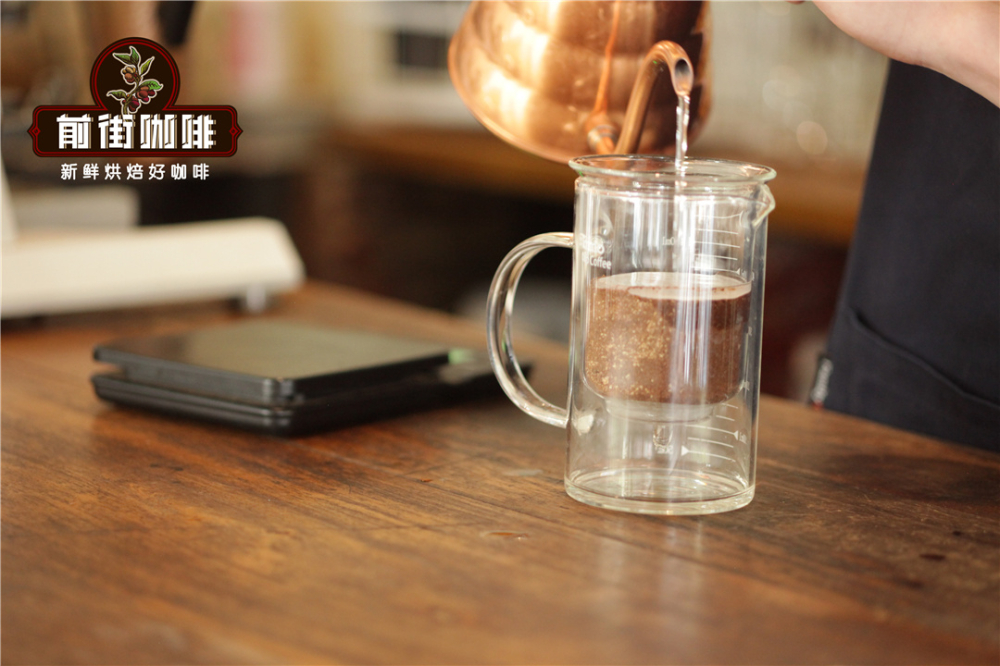
Finally, the extracted cold drip coffee is recommended to be left refrigerated for 12 hours to allow post-brew fermentation in a low-temperature environment. This process helps fully release flavor molecules, resulting in a richer and more layered mouthfeel. Cold drip coffee that has been refrigerated often has more aroma and depth than when just completed, and is widely recognized by coffee enthusiasts as the optimal time for drinking.
The above content is compiled by CoffeeHunters, a coffee news website.


