







Introduction:From Ethiopian landraces to globally renowned varieties, this article introduces the origins, flavor profiles, and growing environments of 11 of the most common coffee bean varieties. Whether you're a pour over beginner or an enthusiast chasing ultimate flavors, you'll discover the unique charm of each variety and find the one that best suits your palate.
In the vast world of coffee, Arabica and Robusta are the two main varieties that form the foundation of most people's daily cups. However, it is the historic and distinctive names hidden within the varietal lineage—such as Typica, Bourbon, Maragogype, and Geisha—that truly deliver coffee’s diverse flavors. These coffee varieties either originate from ancient Ethiopian forests or were born from scientists' hybridization experiments in laboratories, each carrying unique geographical backgrounds and flavor imprints.
This article will systematically introduce 11 of the most representative coffee varieties, analyzing their origins and characteristics from botanical classification, flavor profiles, regional distribution to cupping performance. It aims to help you build a deeper understanding of coffee varieties. Whether you prefer the bright acidity of pour over or the rich intensity of espresso, you’ll find inspiration and guidance in this varietal guide.
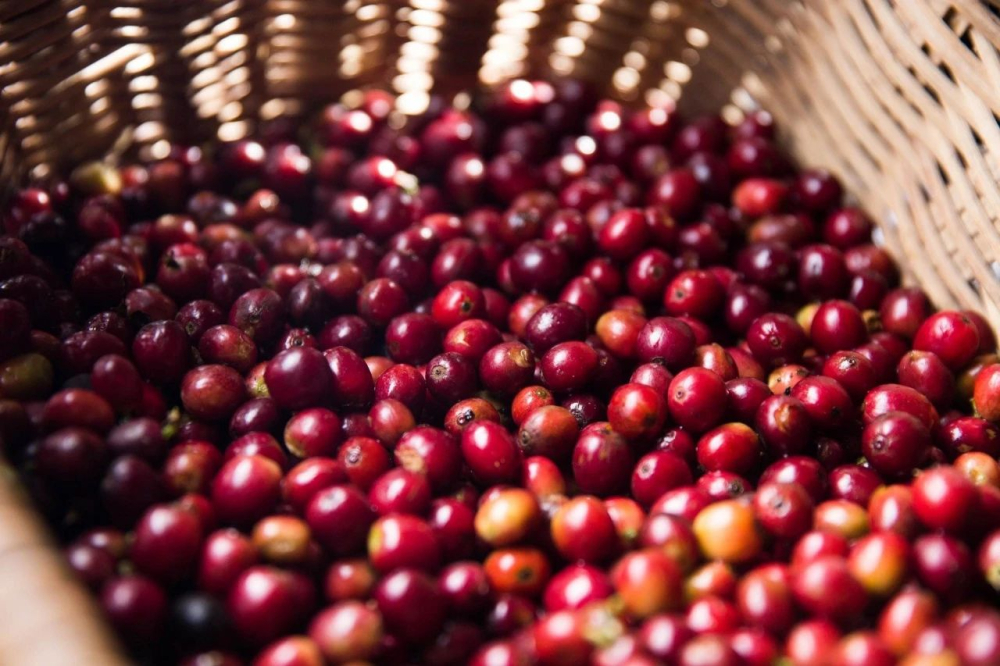
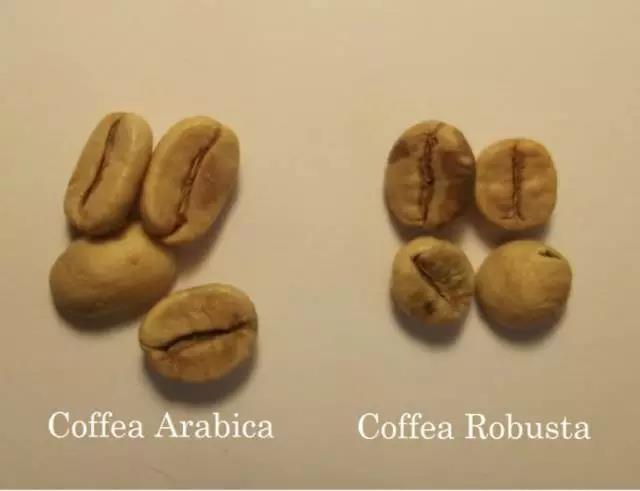
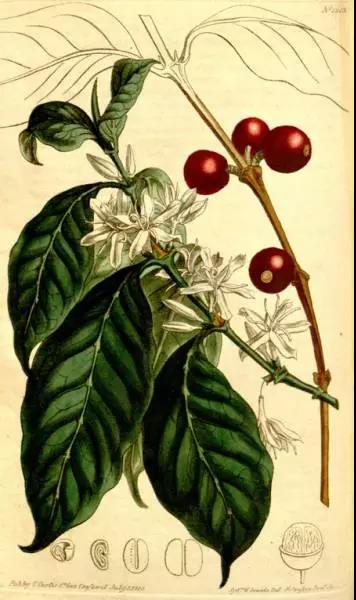
When it comes to coffee varieties, Arabica is undoubtedly the most well-known category. This variety has won global consumers’ favor for its elegant aroma and smooth taste. Compared to Robusta, Arabica contains less caffeine (about 0.9–1.2%) but higher fat and sugar content, giving it a sweeter flavor with a bright acidity reminiscent of plum-like fruitiness. However, Arabica is more susceptible to pests, diseases, and climate change, so it is usually grown at higher altitudes, matures more slowly, and yields relatively limited quantities. Its cherries have an elegant oval shape. Currently, Brazil is the world’s largest producer of Arabica, while Colombia focuses on cultivating pure Arabica varieties.
As for Robusta, it originates from the Congo region of Africa and has stronger disease resistance and adaptability. Robusta contains significantly higher caffeine levels (1.6–2.4%) but lower fat and sugar content, resulting in a bold, bitter, and uniquely flavored taste, which some even describe as having a slight rubbery note. Due to its lower environmental requirements, it can be grown at low altitudes, grows quickly, and yields abundantly, making it commonly used as the primary ingredient for instant coffee or commercial blends. Vietnam is the world’s largest producer of Robusta, with significant output also coming from Africa and India.
In botanical classification, besides Arabica and Robusta, the Liberica variety is also part of the coffee family, but it is often overlooked due to its rare production or flavors that do not meet mainstream market demands. Generally, Arabica is more commonly used for single-origin or specialty coffee, while Robusta is often found in instant and commercial blends. Although Arabica is traditionally regarded as a premium variety and Robusta as a lower-grade one, flavor preferences vary by individual—the key is choosing the variety that best suits your taste. For example, consumers in the United States and Japan prefer the light-bodied coffee brewed from Arabica, while Europeans tend to favor espresso blends of Arabica and Robusta.
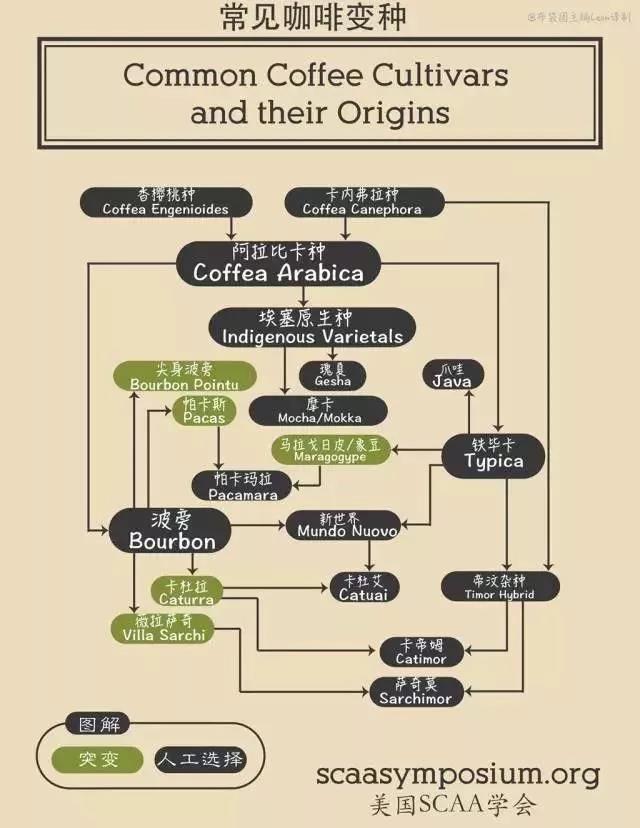
Speaking of Arabica, one cannot fail to mention one of its most iconic varieties—Typica. As the oldest landrace from Ethiopia, Typica is the ancestor of many modern Arabica varieties. Its top leaves display a unique bronze hue, and the beans are slender ovals or pointed shapes. It offers an elegant and delicate flavor but has a fragile tree structure, poor disease resistance, and low yield. Well-known high-quality estate beans such as Jamaican Blue Mountain, Sumatran Mandheling, and Hawaiian Kona all belong to the Typica variety. One of its distinguishing features is the copper-colored top leaves and the oval shape of the green beans, with little variation in bean shape even when cultivated at different altitudes.
Tim Tim (also called Timor Hybrid) is a natural hybrid between Arabica and Robusta, known for its excellent disease resistance. This variety was discovered on the island of Timor in Indonesia in the 1940s and later became the foundation for several important hybrid varieties, such as Catimor. In the Americas, this variety is also referred to as Hybrido de Timor, while in Indonesia it is called Bor Bor. Its bean shape is distinctive, often humorously referred to by enthusiasts as “horse-face beans” or “long Mandheling.”
Among the Typica variants, Blue Mountain is undoubtedly one of the most prestigious representatives. This variety, originating from the Typica family, is globally renowned for its exceptional balance and rarity. Jamaican Blue Mountain coffee is strictly grown above 666 meters in the Blue Mountains and is subdivided into grades NO.1 to NO.4 and PB (peaberry) based on quality. Among these, Blue Mountain No.1 is the highest grade, produced only in limited quantities at high altitudes, making it extremely rare.
Another notable Typica variant is Hawaiian Kona. Though grown at relatively lower altitudes, thanks to Hawaii’s Big Island gentle sea breezes and fertile volcanic soil, Kona coffee exhibits an exceptionally clean acidity and sweetness, with a flavor profile considered by some to rival even that of Blue Mountain.
Maragogype is a mutation of Typica, famous for its astonishingly large bean size. This variety was first discovered in Bahia, Brazil, in 1870. Its beans are roughly three times longer and wider than standard Arabica beans, hence the name. While its flavor at low altitudes is unremarkable, in high-altitude environments, Maragogype can showcase gentle acidity and sweet aromas.
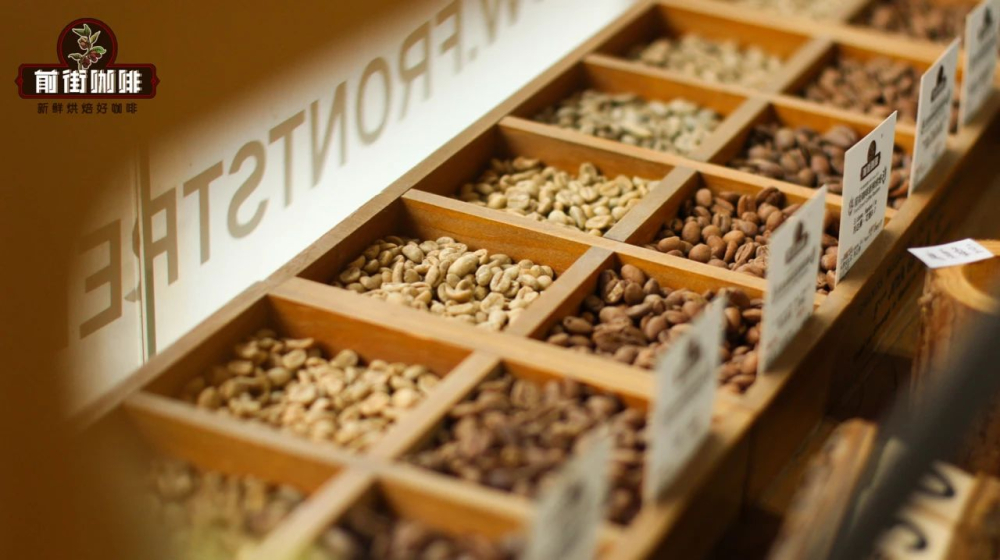
Pacamara is a hybrid of Pacas and Maragogype, with bean size only slightly smaller than Maragogype. Developed in El Salvador in the 1950s, it has recently performed impressively in international cuppings, becoming one of the varieties sought after by many specialty coffee enthusiasts.
Kent is a Typica hybrid originating from India, known for its high yield and strong disease resistance, though its cupping performance is relatively modest and it has never received particularly outstanding evaluations.
Bourbon is another highly representative Arabica variety, originating from Yemen and transplanted to the east coast of Africa—Bourbon Island (now Réunion)—in the 18th century, from which it gets its name. Its green fruits turn bright red when ripe, and compared to Typica, Bourbon beans have a rounder shape. The Bourbon variety frequently wins in specialty coffee cupping competitions across the Americas, with flavor profiles typically featuring sweet fruity notes and soft acidity.
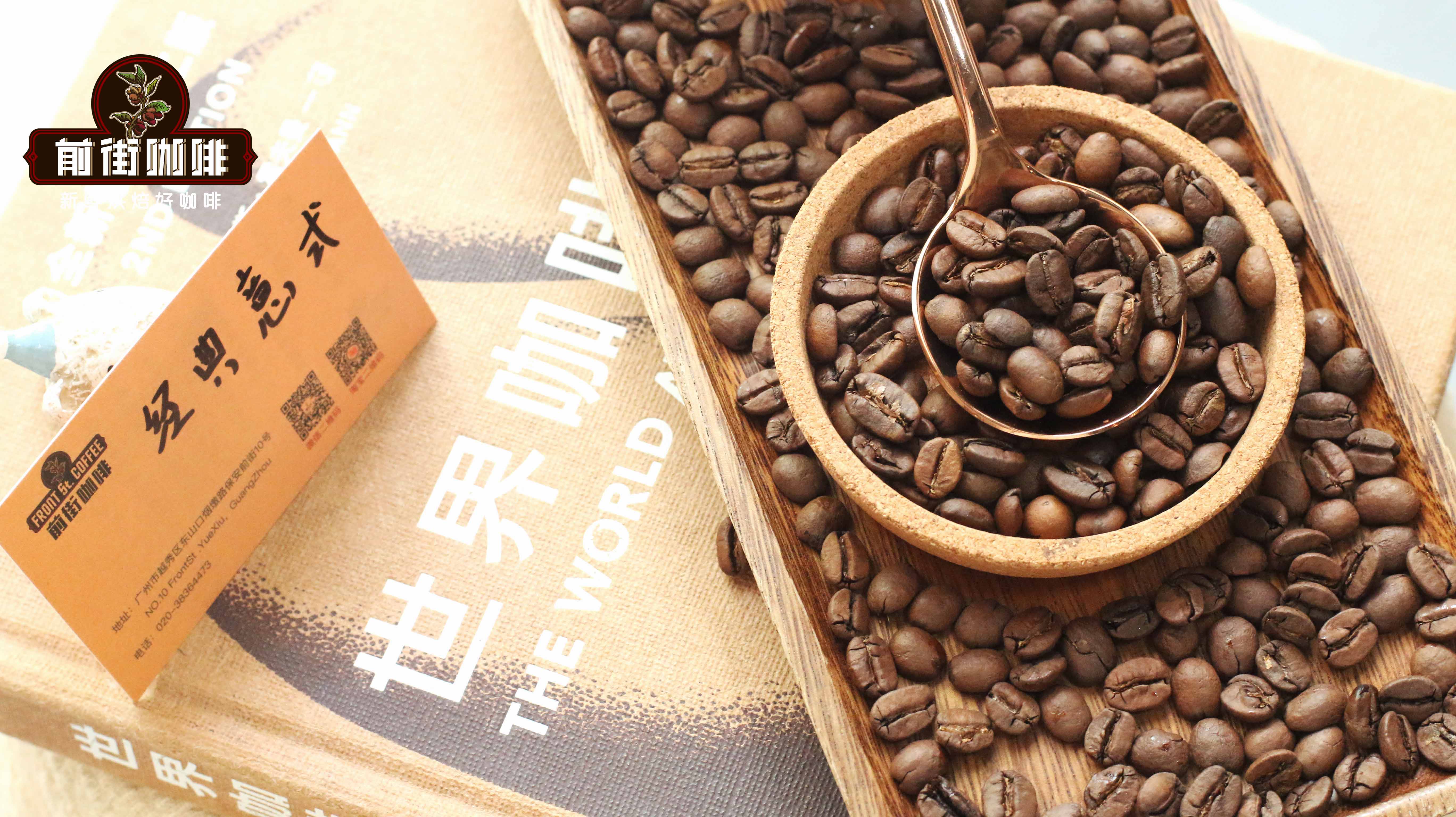
Among Bourbon variants, Red Bourbon is the most well-known type, with its coffee cherries turning red upon ripening. High-altitude-grown Red Bourbon often displays excellent aroma and bright acidity, with some enthusiasts even describing its complex flavors as wine-like. Yellow Bourbon is the product of Bourbon hybridization with other varieties, ripening to a yellow color. Primarily grown in Brazil’s high-altitude regions, it is known for its sweet nutty tones and soft acidity.
Pink Bourbon is an extremely rare new variety, with its coffee cherries ripening to a romantic pink color. Due to the difficulty in genetic control, its yield is very low, but its flavor profile is characterized by sweet orange, sugarcane-like sweetness, and a delightful juiciness, offering coffee lovers a unique taste experience.
Bourbon Pointu, also known as Laurina, is a rare variety with only half the caffeine content of regular coffee. Its beans are long and slender with pointed ends and were first discovered on Bourbon Island in 1810. Due to its scarcity and extreme fragility, Laurina is mostly cultivated in laboratory settings and was favored by European nobility in the 18th and 19th centuries for its low caffeine and elegant flavor. In recent years, Colombia has resumed cultivation of this variety, and due to its high rarity and unique flavor, it commands a premium price.
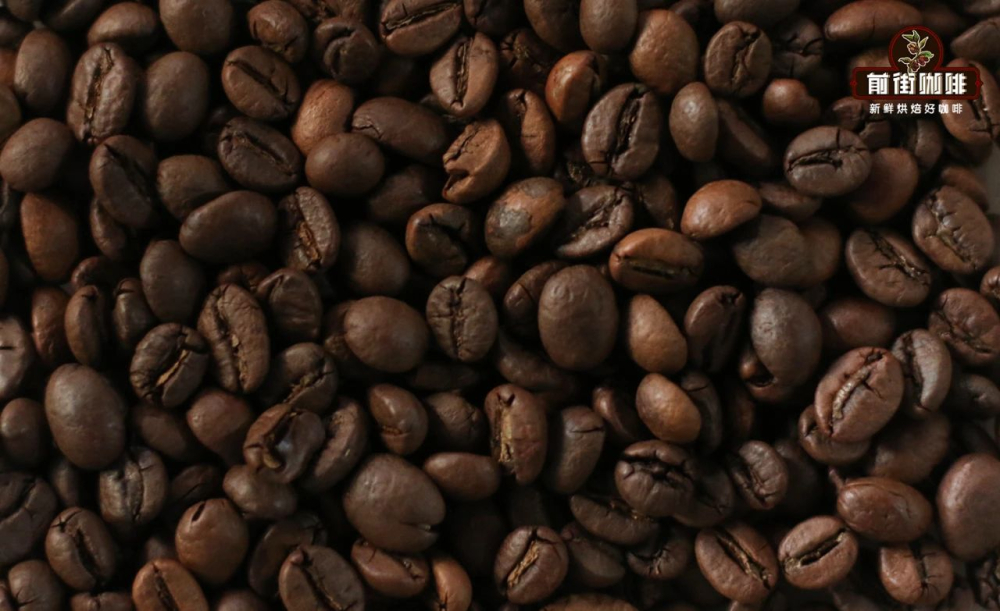
SL28 and SL34 are Bourbon-lineage varieties developed by British and French researchers in Kenya in the early 20th century, specifically designed to adapt to Kenya’s high-phosphorus soils. These two varieties produce the distinctive bright acidity and complex flavors of Kenyan coffee, becoming star varieties in many coffee evaluation competitions. Kenyan coffee is classified into multiple grades based on bean size and flavor performance, with PB (peaberry) and AA++ being the highest grades.
Caturra is a single-gene mutation of Bourbon, first discovered in Brazil in the 1950s. Its trees are shorter, facilitating harvesting, and it offers both better yield and disease resistance than Bourbon, though its flavor profile is similar or slightly inferior. Caturra thrives at elevations between 700 and 1700 meters—the higher the altitude, the better the flavor, though yield decreases accordingly.
Catuai is a crossbreed between Caturra and the Mundo Novo variety, inheriting Caturra’s short stature and wind resistance, while improving fruit firmness. Catuai comes in red and yellow fruit varieties, with the red-fruited variety performing better in cuppings. Alongside Caturra, Mundo Novo, and Bourbon, it is among Brazil’s four main coffee varieties.
Pacas is a Bourbon variant discovered in El Salvador in 1935, known for its high yield and excellent flavor. In 1956, it was confirmed by a University of Florida professor to be a genetic mutation of Bourbon. Pacas currently accounts for about 25% of El Salvador’s coffee production. It is sweet with bright acidity and is beloved by Central American coffee enthusiasts.
Villa Sarchi is a dwarf Bourbon variant discovered in Costa Rica in the 1960s, known for its outstanding acidity and rich fruit aromas. This variety is suited for high-altitude organic cultivation, often exhibiting bright citrus acidity and complex finishes of raisin and nuts. It is one of the frequent winners in cupping competitions.
Mundo Novo is a natural hybrid of Bourbon and Sumatran Typica, first discovered in Brazil. It boasts high yield and strong disease resistance, but its trees are taller and harder to harvest. Mundo Novo became a key pillar of Brazil’s coffee industry in the 1950s.
Nicaraguan Java is a long-bean variety derived from the Typica lineage, rediscovered and successfully cultivated by Nicaragua’s Lemon Tree Estate. It once won second place in the local COE competition, demonstrating high quality potential.
Maracaturra is a hybrid of Maragogype and Caturra cultivated in Guatemala, combining Maragogype’s rich fruitiness with Caturra’s elegant acidity. It has high body and excellent sweetness, and once won the championship in the Nicaragua COE competition.
Geisha, also translated as Gesha, is a derivative of the Typica family, first discovered in the Gesha Mountains of southern Ethiopia in 1931. After years of obscurity, it was transplanted to Panama in the 1960s and began winning awards in cupping competitions after 2005, becoming a legendary variety in the specialty coffee world. Geisha is known for its unique floral and tropical fruit sweetness, delivering an unprecedented taste sensation to coffee lovers worldwide.
Finally, hybrid varieties such as Catimor and Icatu, resulting from crosses between Arabica and Robusta, were bred to enhance yield and disease resistance. Although some hybrids perform slightly less in cuppings compared to traditional varieties, continuous breeding improvements have gradually revealed their unique flavor potential.

The above content is compiled by CoffeeHunters, a coffee news website.


