








Introduction:The moka pot is the go-to brewing device for many who want to make espresso-style coffee at home, but why do specialty coffee shops rarely use it to brew single-origin coffee? This article delves into the structure and extraction principles of the moka pot, explores its suitable scenarios and limitations, and provides practical operation tips and precautions to help you better understand the characteristics and usage of this classic coffee tool.
As coffee culture gradually becomes part of everyday life, more and more consumers are no longer limited to the singular experience of pour over coffee. From manual brewing to manual pressure extraction, various methods of making coffee have emerged one after another. Among them, espresso stands out with its intense flavor and diverse variations, becoming a favorite for many. Popular drinks like lattes and cappuccinos are classic beverages made using espresso as the base. If you don’t have a professional semi-automatic coffee machine at home but still want to try a similar flavor, the moka pot is a popular and affordable alternative.
The moka pot was invented in 1933 by Italian designer Alfonso Bialetti. It’s a device that uses steam pressure generated by heating to extract coffee. This design has made it one of the most widely used and economical tools for making espresso in Italian households. Its classic shape and practical functionality are not only popular in Europe and Latin America, but it is also referred to as an “Italian drip pot” in the United States. In recent years, due to its diverse designs, it has become both a collectible and a functional item for many coffee enthusiasts.
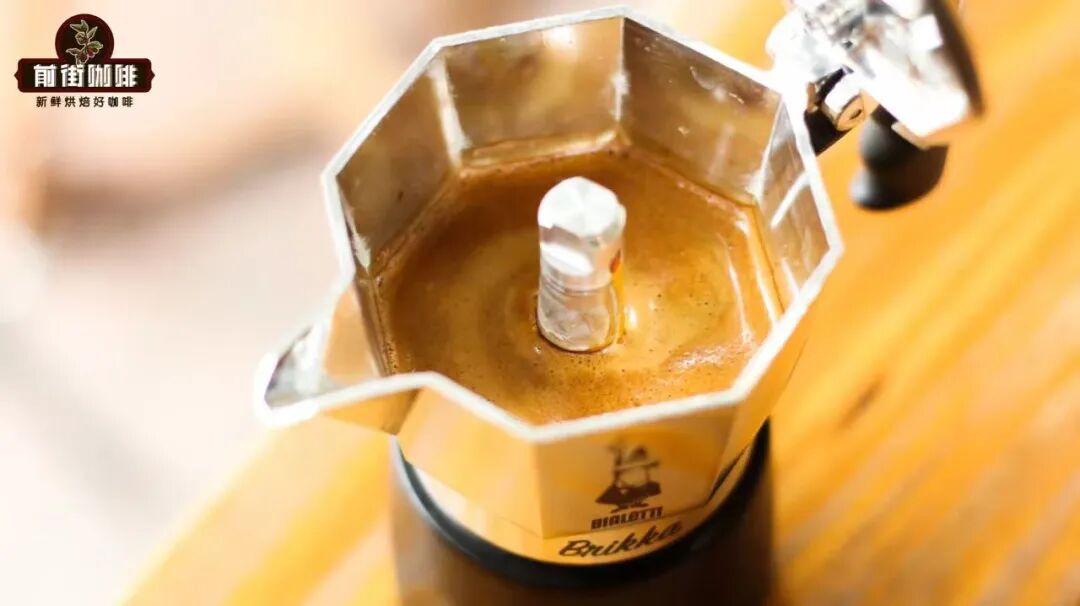
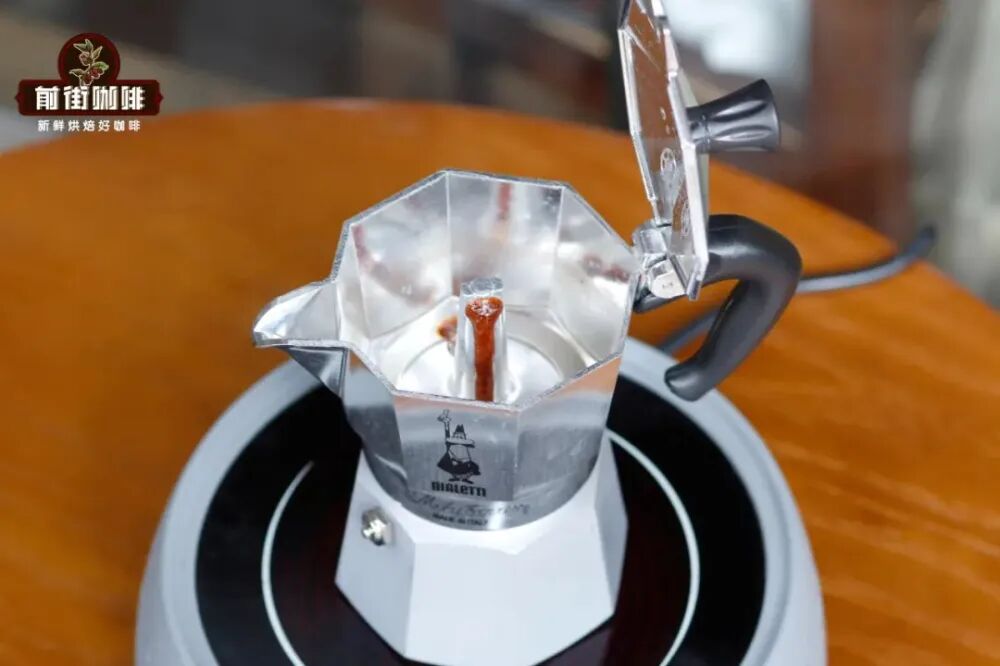
The moka pot mainly consists of three parts: the upper chamber, the filter basket, and the lower chamber. The lower chamber holds the water, the filter basket contains the ground coffee, and the upper chamber is used to collect the extracted coffee liquid. Its working principle is quite straightforward: it relies on the steam pressure generated by heating the lower chamber. When the pressure builds up to a certain level, it pushes the hot water upward through the middle filter basket, extracting the coffee essence, which then flows into the upper chamber. This pressure-based extraction method makes the moka pot a practical tool for producing espresso-like flavors at home.
Depending on design differences, moka pots can be categorized into single-valve, double-valve, or even triple-valve versions. Among these, the double-valve design can generate higher pressure during extraction, helping to increase the production of coffee crema and enhance the overall intensity of the espresso. When the steam pressure reaches a certain threshold, the pressure valve in the double-valve system opens, allowing the coffee liquid to be ejected more forcefully. Compared to the single-valve, the double-valve typically extracts coffee with a richer flavor and a thicker mouthfeel, though both rely on steam pressure to push hot water through the coffee grounds.
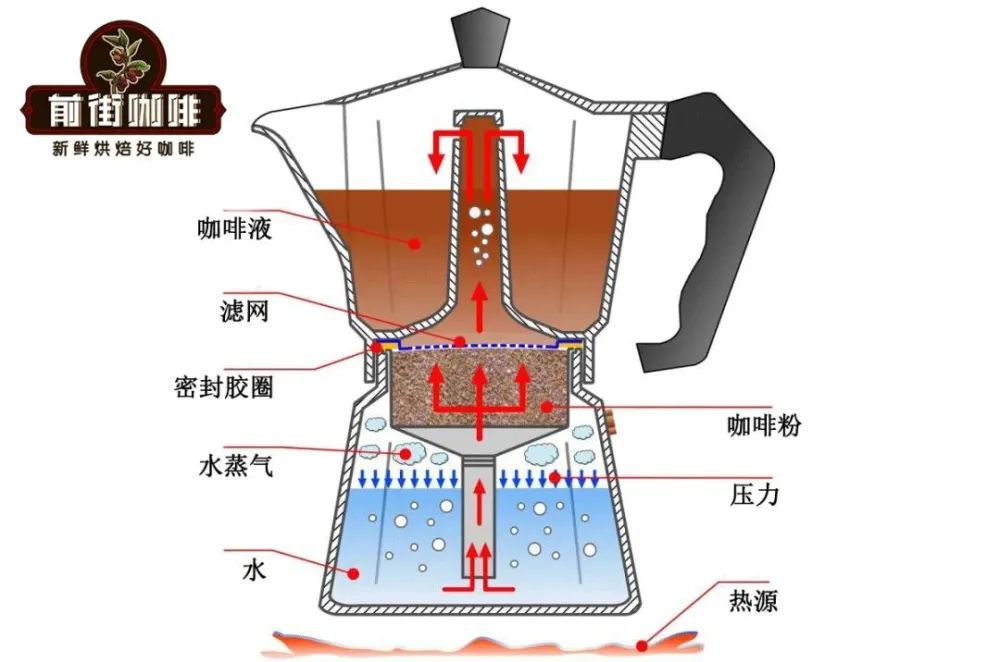
When using a moka pot to brew coffee, the process mainly depends on the steam pressure generated by the lower chamber, which ranges between 1.5 to 3.0 atmospheres. This pressure is sufficient to quickly push hot water through the coffee grounds, extracting a rich array of flavor compounds. However, compared to the 9 atmospheres typical of professional semi-automatic coffee machines, there is still a noticeable gap. As a result, while moka pot coffee boasts intensity and crema-like texture, its flavor complexity and clarity often fall short of professional-grade espresso. Nonetheless, its ease of use, portability, and lack of need for complex equipment make it a practical choice for outdoor activities or daily home use.
The advantages of the moka pot lie in its simple structure and ease of use—even beginners can quickly grasp the basics. Additionally, its compact size and durability make it highly suitable for travel or outdoor use. However, its extraction principle also determines the ceiling of its flavor performance—due to limitations in pressure and brewing time, the moka pot struggles to deliver the same clarity of acidity and layered complexity as pour over coffee, nor can it achieve the refined precision of professional espresso machines. Therefore, in specialty coffee shops where flavor detail is paramount, the moka pot is not commonly seen. But in home or non-professional settings, it remains a highly practical coffee tool.
To make a drink similar to espresso using a moka pot, the basic tools you’ll need include: the moka pot itself, a heat source (such as a gas stove, induction cooker, or a small dedicated gas burner), freshly roasted coffee beans, and a suitable grinder. It’s recommended to use medium to dark roasted blends—for example, a 7:3 blend of Brazilian and Colombian beans—whose flavors typically showcase notes of chocolate, cream, nuts, and caramel, complementing the extraction characteristics of the moka pot. Additionally, the grind size should be adjusted to fine, ensuring that the coffee grounds can fully release their flavors under pressure.
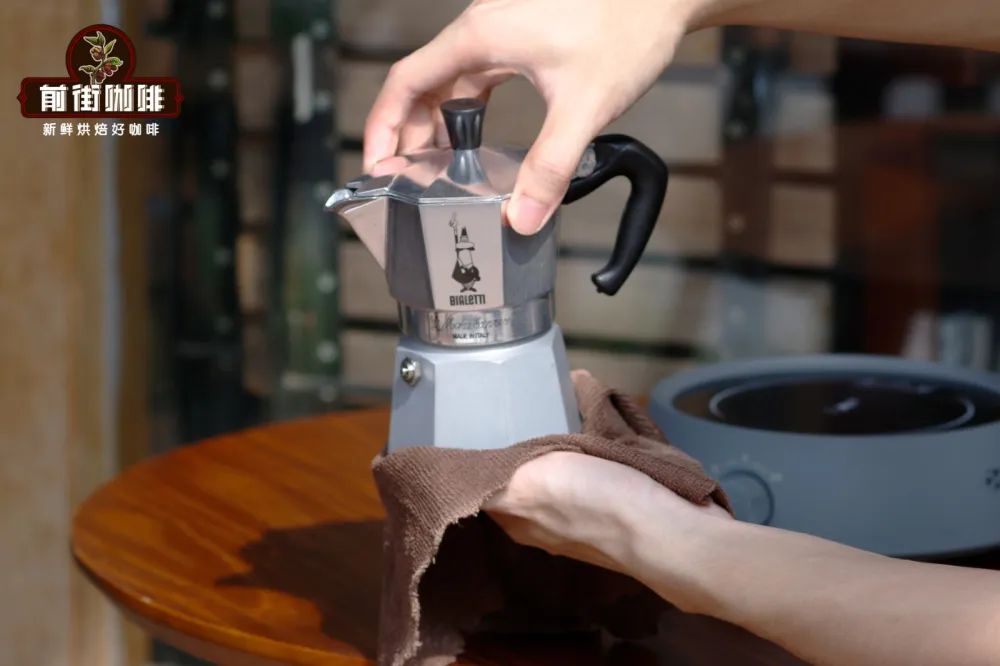
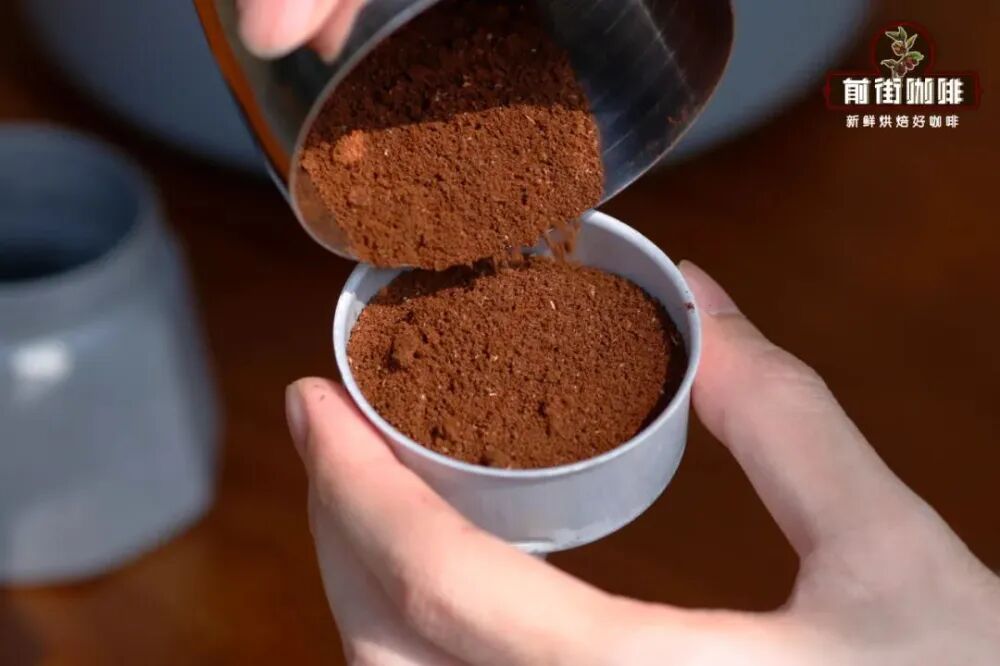
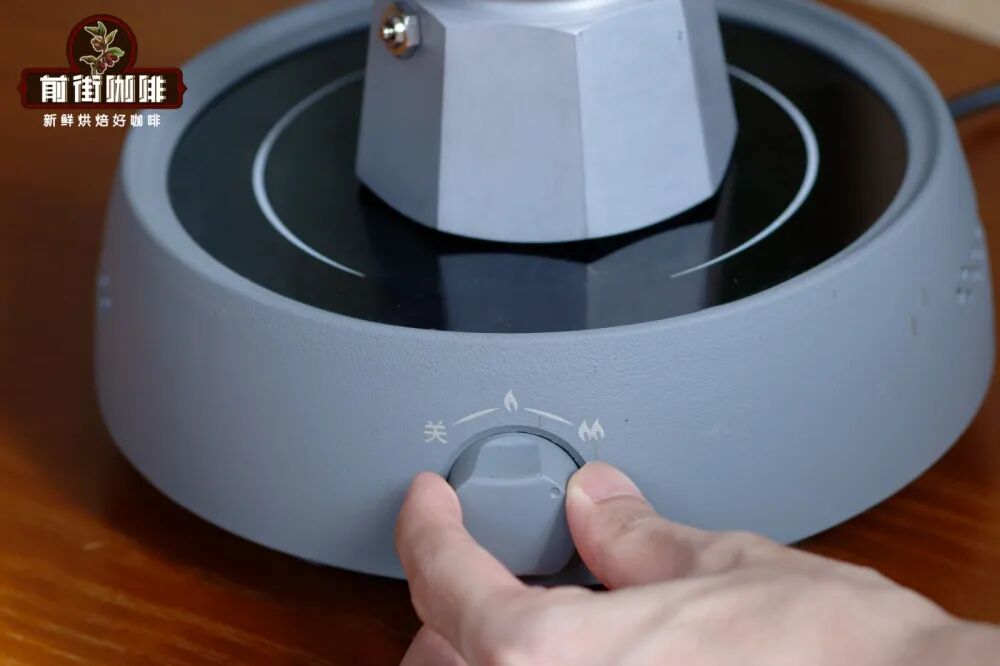
In terms of actual operation, start by adding an appropriate amount of hot water (cold water can also be used if hot water is unavailable) into the lower chamber. Then, fill the filter basket with coffee grounds to about nine-tenths full, and gently tamp the surface to ensure an even and compact coffee bed. Next, screw the upper and lower chambers tightly together to prevent leaks during heating. Place the assembled moka pot on the heat source. It’s recommended to start with medium heat, and once you hear a distinct hissing sound, switch to low heat to help control the extraction speed and pressure buildup. When the sound turns into a subtle bubbling noise, it indicates that the extraction is nearly complete, and you should turn off the heat immediately to avoid over-extraction.
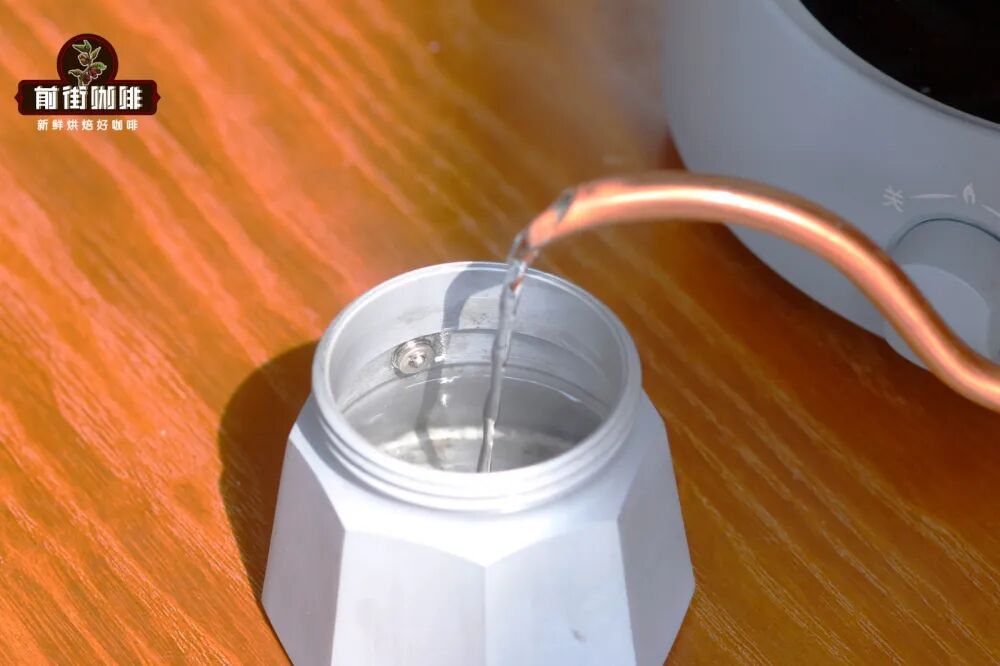
When using a moka pot, there are several important precautions to keep in mind. First, due to its high extraction pressure and concentration, it’s advisable to dilute the brewed coffee with water to taste after brewing. Second, the coffee grounds must be ground to a fine consistency to match the requirements of pressure extraction. Furthermore, avoid heating the moka pot without water to prevent damage to its structure; always clean it thoroughly after each use to prevent coffee residue from clogging the filter holes or affecting the lifespan of the rubber gasket. If you’re using a new moka pot, it’s recommended to perform a “pre-brew” process—either three empty boils or three brews followed by discarding the liquid—to remove any residual manufacturing odors or impurities.
The brewed moka pot coffee can be enjoyed in various ways according to personal preference. The simplest way is to drink it straight or mix it with hot water to make an Americano, suitable for those who prefer low-sugar, low-fat options. To get closer to classic café drinks, you can add appropriately tempered fresh milk (recommended to heat to 60–65°C) to create a latte with a similar flavor profile. Additionally, the Vietnamese-style method of adding ice and sweetened condensed milk is also a creative choice for many. No matter which method you choose, it showcases the diverse potential of moka pot coffee.
In summary, although the moka pot cannot completely replace professional coffee machines in the specialty coffee domain, its ease of use, affordability, and intense flavor make it a highly favored coffee tool for home and outdoor use. Whether you’re a beginner in the world of coffee or someone looking for a convenient way to enjoy espresso-style flavor, the moka pot offers a unique and practical coffee experience.


The above content is compiled by CoffeeHunters, a coffee news website.


