








Introduction:As an extended version of espresso, lungo coffee has gradually gained attention in the specialty coffee scene in recent years. But how is it different from a regular espresso? What are the differences in coffee-to-water ratio, concentration, and flavor profile? This article will delve into the origins and brewing principles of lungo, and provide practical extraction tips and precautions to help you better understand this “longer” style of espresso.
In recent years, many specialty coffee shops have started offering a type of coffee called “lungo.” For beginners, this term may sound unfamiliar. In fact, it has a more widely known Italian name—Lungo, pronounced similarly to “loon-goh.” If you’ve heard of this term before, you might find it a bit less foreign.
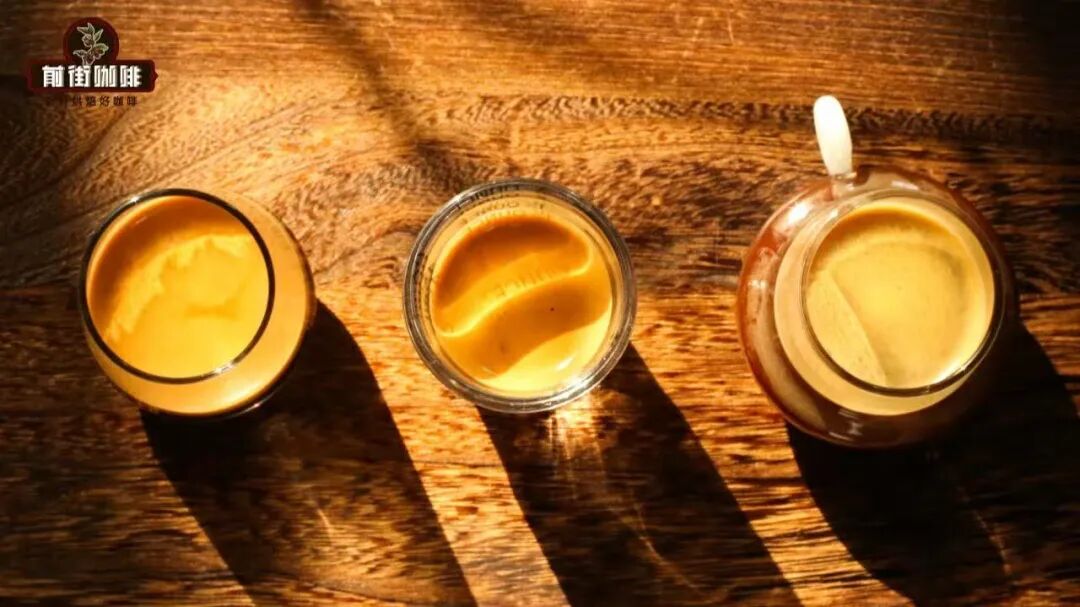
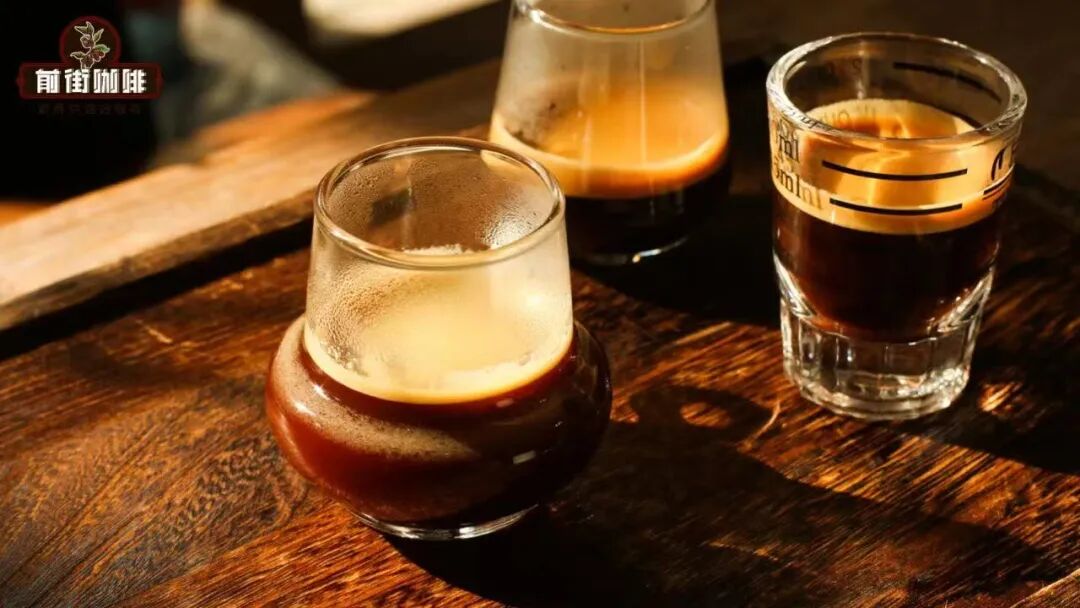
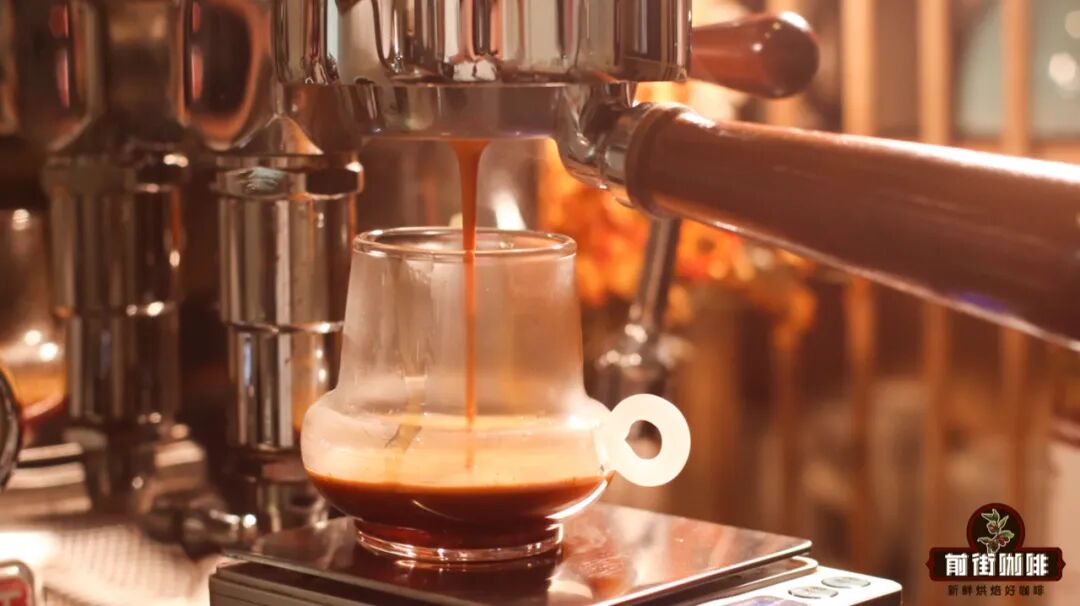
So, what exactly is Lungo (long extraction)?When discussing the various variations of espresso, three main types are often mentioned: Ristretto (short shot), Normale (standard shot), and Lungo (long shot). The biggest difference among them lies inthe volume of extracted liquid,which in turn affects the coffee’s concentration and overall extraction yield. From left to right, they are typically arranged as Ristretto, standard shot (Normale), and Lungo.
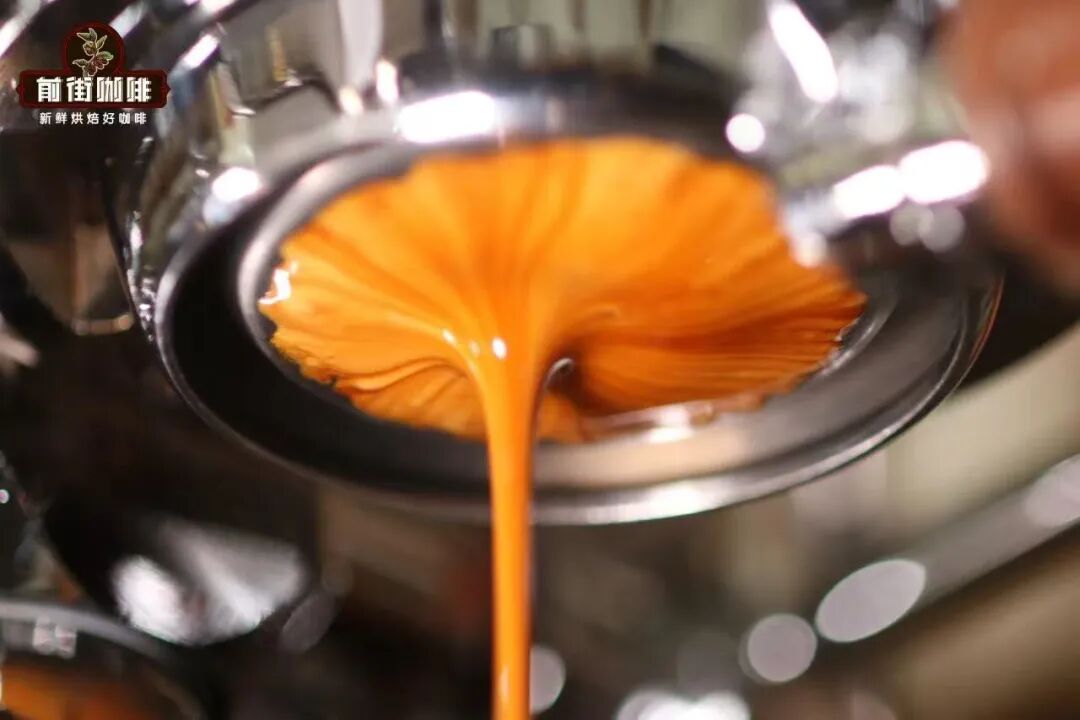
For example, a common standard shot is usually extracted at acoffee-to-water ratio of 1:2,such as using 20 grams of coffee grounds to extract about 40 milliliters of espresso. At this ratio, the coffee typically has a rich and balanced taste. Reducing the liquid volume results in the essence version of espresso—Ristretto, which is highly concentrated but with a slightly lower extraction yield, offering intense flavors without bitterness and even noticeable sweetness. On the other hand, increasing the liquid volume gives you Lungo. This type of coffee has a larger volume, significantly lower concentration, and a softer mouthfeel. The flavor layers also become more noticeable due to the reduced concentration.
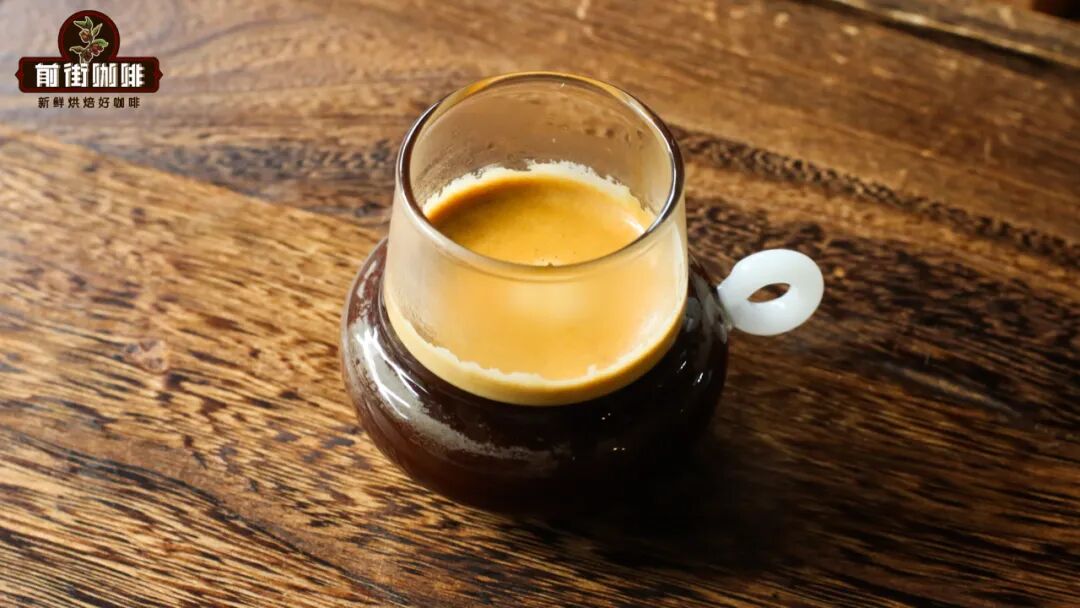
The history of Lungo is actually quite long,even predating the standard espresso we’re familiar with today. As early as the beginning of the 20th century, shortly after the world’s first true espresso machine was invented, the term “Espresso” was officially included in the Italian dictionary, defined as “concentrated coffee made by pressurized equipment or a filter.” However, the pressure of coffee machines at that time was only 1.5–3 bar, far from the commonly used 9 bar today and even close to the pressure level of a moka pot. Under such conditions, the only way to achieve sufficient richness in the coffee was to extend the extraction time and increase the liquid volume—this became the earliest prototype of Lungo.
It wasn’t until the mid-20th century, with the improvement of lever-operated coffee machines, that the pressure finally increased to 9 bar, marking the true entry of espresso into the “modern” era. This pressure allows for quick extraction while forming a layer of golden, fine crema, laying the foundation for subsequent espresso-based drinks such as latte and cappuccino. It was also during this period that espresso became the core, while Ristretto and Lungo were formally defined as important members of the espresso family.
Even in the era when espresso dominated, Lungo was never phased out.In Italian, Lungo means “long” or “extended,”so Lungo can be seen as an “extended version” of espresso. Some may wonder why not simply dilute espresso with water? The answer actually relates to European drinking habits and culture. The standard coffee-to-water ratio for Lungo typically falls between1:4 and 1:5,or even higher, resulting in a less concentrated but relatively softer taste, while also making the flavors easier to discern.

However, making a great cup of Lungo is not as simple as just extending the extraction time or increasing the liquid volume. Doing so would lead to over-extraction due to the excessively long brew time and too much liquid, releasing undesirable compounds from the coffee and resulting in prominent bitterness and an unbalanced taste. Therefore, to successfully brew a well-balanced Lungo,a series of extraction parameters must be adjusted, especially the grind size.。
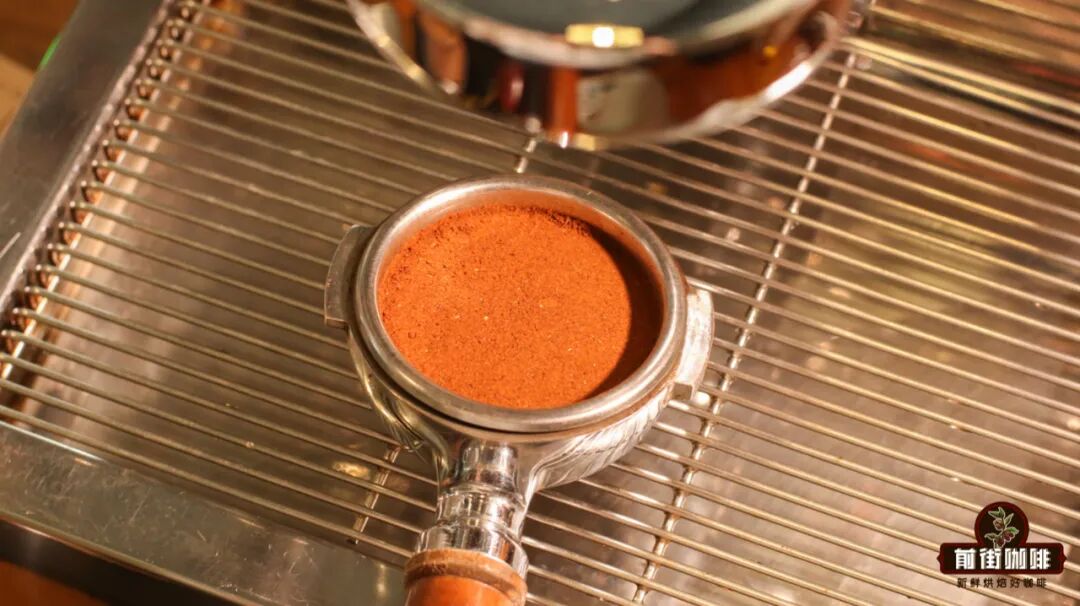
Generally, it is recommended to usea coarser grind settingwhen making Lungo. The purpose is to increase the space between coffee particles, facilitating water flow and helping control extraction time to avoid over-extraction. However, a coarser grind also introduces another challenge—channeling. When localized pathways form in the coffee puck, water tends to flow through these areas first, causing some coffee grounds to be under-extracted, leading to uneven extraction. This may result in parts of the coffee puck remaining dry or coffee spraying out, negatively affecting the overall flavor.
In the past, due to these technical limitations, Lungo was not widely favored. It wasn’t until thewidespread adoption of pressure profiling technologythat the situation improved. By dynamically adjusting pressure during extraction, channeling can be effectively reduced, making the extraction process more stable and the flavor of Lungo more consistent and enjoyable.
More importantly, pressure profiling gives greater flexibility in choosing the grind size for Lungo. Compared to standard espresso or Ristretto, which require extremely precise grind settings, Lungo allows for a relatively wider grind range. As long as it stays within a certain range, even when using coffee beans from different origins, there’s no need to frequently adjust the grinder—one grinder can handle multiple bean varieties. This not only improves serving efficiency but also meets customers’ diverse taste preferences, allowing Lungo’s flavor performance to be on par with other types of black coffee. As a result, more and more coffee shops are including it in their regular menus.
However, making Lungo still poses certain challenges. If the coffee shop lacks sufficient understanding of the coffee beans’ characteristics and extraction parameters, it’s easy to end up with a flat-tasting, one-dimensional cup, or even one with uneven extraction. Therefore, the ability to produce a high-quality Lungo is also one of the indicators of a barista’s overall skill level.


The above content is compiled by CoffeeHunters, a coffee news website.


