







Introduction:Robusta coffee has a high caffeine content and bold, intense flavors, commonly found in espresso blends and instant coffee. Many people wonder whether drinking pure robusta black coffee can aid in weight loss. This article delves into the variety characteristics of Robusta beans, the roles of chlorogenic acid and caffeine, and explores their potential to boost metabolism, reduce water retention, and improve constipation. It also provides recommended daily intake levels and optimal timing for consumption before exercise, helping readers enjoy black coffee scientifically for maximum benefits.
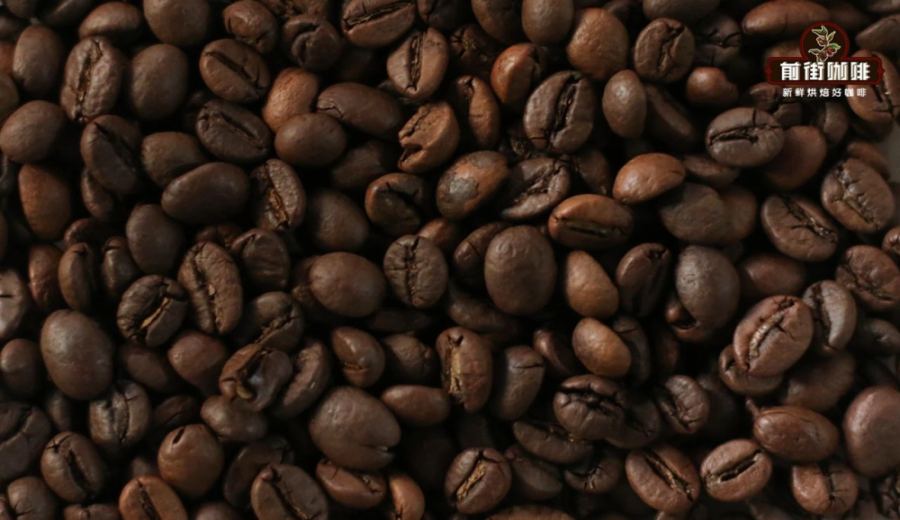
Robusta (Robusta) is one of the two major mainstream coffee varieties in the world, often colloquially referred to as “Lu Dou” (literally "bean D"). Compared to Arabica, Robusta has a stronger, more bitter, and fuller-bodied flavor, making it more commonly used in dark-roasted espresso blends or as the main ingredient in instant coffee.
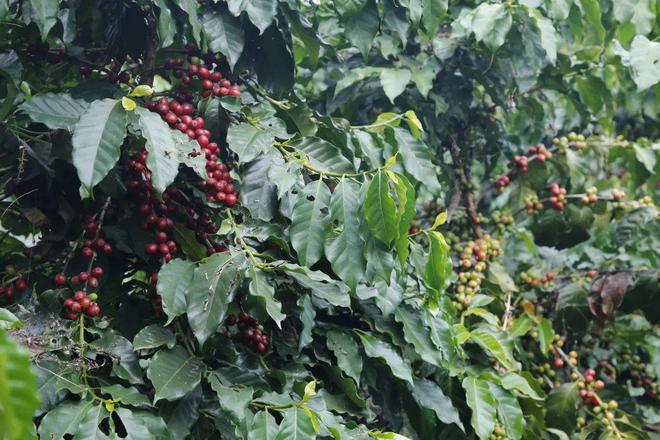
In terms of growing conditions, Robusta has stronger environmental adaptability—it can withstand high temperatures, drought, and pests, and grows well even at low altitudes. It also yields a high output per plant, with much of the harvesting process able to be mechanized, resulting in relatively lower overall cultivation and production costs. Therefore, its price is generally more affordable.
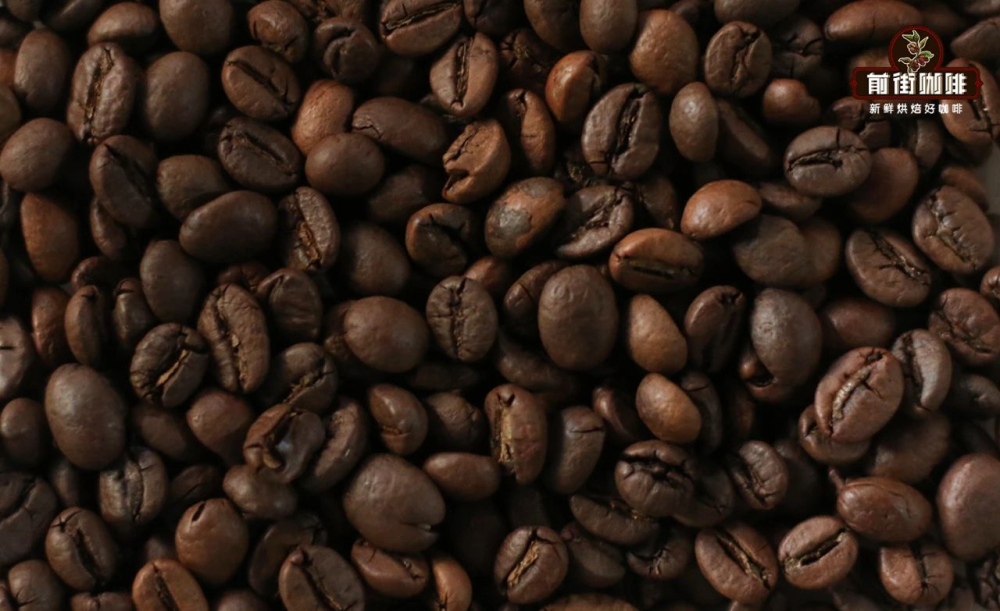
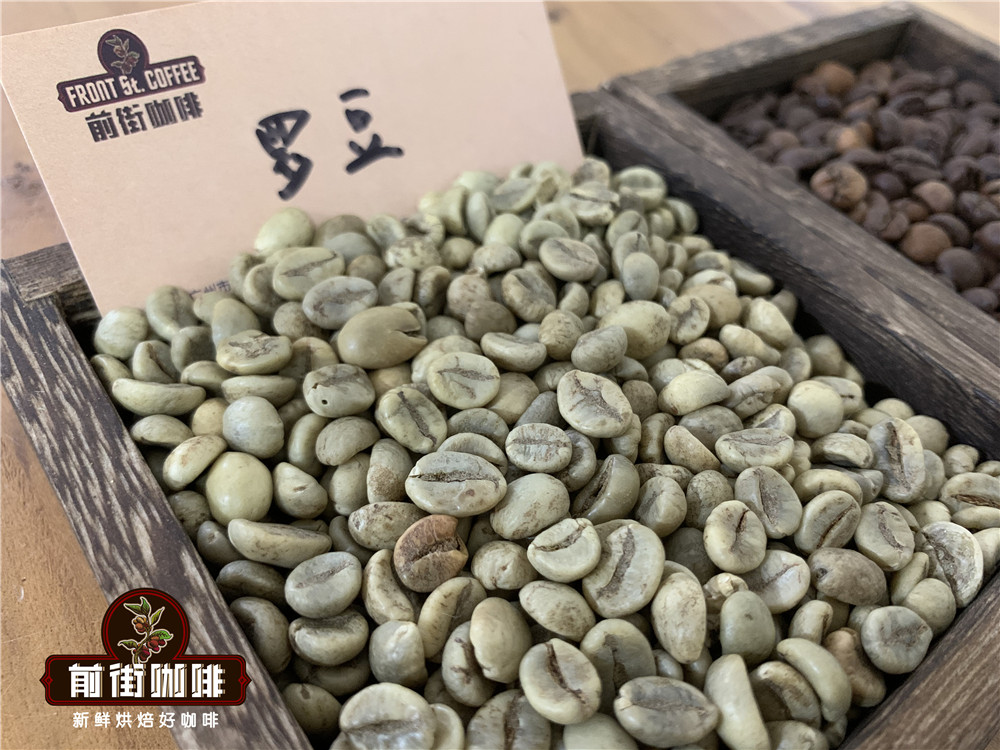
In terms of composition, Robusta contains significantly higher caffeine levels than Arabica, typically ranging between2.7% and 4%—almost double that of the latter. Caffeine is a natural defense compound in plants that helps deter most pests, which is why Robusta is naturally less susceptible to pest infestation. Additionally, Robusta green beans have higher levels of chlorogenic acid but lower sugar content, contributing to its characteristic bold bitterness and grainy, nutty flavor profile.
Chlorogenic acid is one of the key compounds affecting coffee bitterness, often bringing out a deep, heavy bitter tone. If not processed properly, it can also produce earthy or rubber-like off-flavors. For this reason, many roasters prefer to apply dark roasting to Robusta beans to transform their flavor and reduce undesirable aromas. Dark roasting allows the beans to release more oils, adding a richer mouthfeel, which is also one of the reasons why a small amount of Robusta is often added to many espresso blends.
 In the market, some commercial espresso blends incorporate small amounts of high-quality Robusta to enhance crema performance and flavor stability. These blends often offer a great balance of cost-effectiveness and bold taste, suitable for commercial use—for example, daily offerings by coffee shops—and also meet consumers’ expectations for intense coffee flavors. At the same time, such blends can produce rich crema during extraction, delivering a more complete sensory experience.
If brewing at home, you can also choose blends containing a small amount of Robusta. However, it’s important to note that once coffee beans are ground, their volatile aromatic compounds dissipate quickly. It is recommended to use them withinfive daysafter roasting to achieve the best flavor. In addition, freshly roasted coffee beans usually have the richest flavors in the first few weeks, with aroma gradually declining over time. Therefore, it’s advisable to choose freshly roasted products to fully appreciate the layers and nuances of the coffee.
As for whether Robusta black coffee aids in weight loss, the answer is yes—but not unconditionally. First, the caffeine in black coffee stimulates the central nervous system, promotes adrenaline secretion, and thereby increases the basal metabolic rate, helping to burn calories. In addition, caffeine can also promote intestinal motility, which is somewhat helpful in alleviating constipation; it also aids in body fluid regulation, reducing issues related to water retention—all of which positively impact body shape management.
However, excessive caffeine intake may still lead to side effects, including impaired sleep quality, anxiety, or heart palpitations. It is generally recommended that, based on a standard cup size of about150 milliliters,daily intakeshould be limited to 2 to 3 cupsand not exceeded. Furthermore, those who drink coffee on an empty stomach or are sensitive to caffeine should moderate their intake to avoid overstimulation of gastric acid secretion, which could lead to stomach discomfort.
If you wish to use black coffee as an aid for weight loss, the timing of consumption is also important. Research indicates that approximatelyhalf an hourafter drinking coffee, the concentration of fatty acids in the blood peaks. Exercising at this time can more effectively promote fat breakdown and enhance the fat-burning effects of the workout. Therefore, it is recommended to drink black coffee about30 minutesbefore exercising to achieve the best results.
In summary, Robusta black coffee, with its high caffeine and chlorogenic acid content, holds potential in boosting metabolism, reducing water retention, and improving constipation, making it a useful aid for weight loss. However, to achieve desirable results, it must be paired with a balanced diet and regular exercise. Paying attention to moderate intake and proper timing of consumption is essential for managing body shape in a healthy and effective manner.
The above content is compiled by CoffeeHunters, a coffee news website.


