







Introduction:SOE (Single Origin Espresso) has become a hot topic in the specialty coffee scene in recent years, but many coffee enthusiasts still find themselves puzzled by the differences between SOE and traditional espresso blends. This article delves into the flavor characteristics of SOE, extraction techniques, and compares the advantages of espresso blends in terms of stability and flavor complexity. Real-world examples illustrate the brewing parameters and usage recommendations for both types of beans, helping you make a more informed choice based on your needs.
In the world of specialty coffee, SOE (Single Origin Espresso) has gradually become a focal point for many baristas and consumers. However, when you walk into a café, you might wonder: what is the fundamental difference between SOE and the familiar espresso blends? Which one is better suited for everyday drinking or for making lattes and cappuccinos?
To understand the difference between the two, we first need to start with the concepts of "single origin" and "blend." SOE emphasizes using coffee beans from the same region or even the same farm to make espresso, aiming to highlight the unique terroir and processing characteristics of that origin. In contrast, espresso blends combine beans from different regions and with varying flavor profiles in specific proportions, with the goal of achieving balanced flavor and long-term consistency.
Many customers who encounter SOE for the first time often ask: what exactly is SOE coffee? Why do some cafés choose to focus on SOE, while others stick with blends as their base? In reality, although SOE can showcase strong regional flavors—such as bright citrus, berry notes, or even fermentation aromas—these characteristics also come with a degree of inconsistency. Even within the same region, differences in climate, processing techniques, and roasting reactions between batches can lead to variations in flavor expression, which in turn affects the taste of each shot of espresso.
So, what should you pay special attention to when making a great shot of SOE espresso? Since SOE typically uses a medium-light to medium roast level to preserve its inherent flavor characteristics, this also means that its flavor compounds are not as easily extracted as those in dark-roasted beans. Therefore, during extraction, adjustments such as using a finer grind, extending the extraction time, or increasing the coffee dose are often necessary to effectively improve extraction yield. Common parameters might include: 20 grams of coffee, 27 seconds of extraction time, and about 40 ml of output, with a grind size comparable to Galileo Q18’s 2.0 setting.
Additionally, because SOE itself has a distinct flavor profile, when it is used in milk-based drinks, the milk-to-coffee ratio should be re-evaluated. It is recommended to reduce the amount of milk appropriately to allow the coffee’s acidity and fruity notes to stand out; otherwise, the overall drink may end up tasting flat. At the same time, SOE is extremely sensitive to roasting and grinding details, and any mishandling can easily amplify the bean’s inherent defects, making it a significant challenge for a barista’s skill and experience.
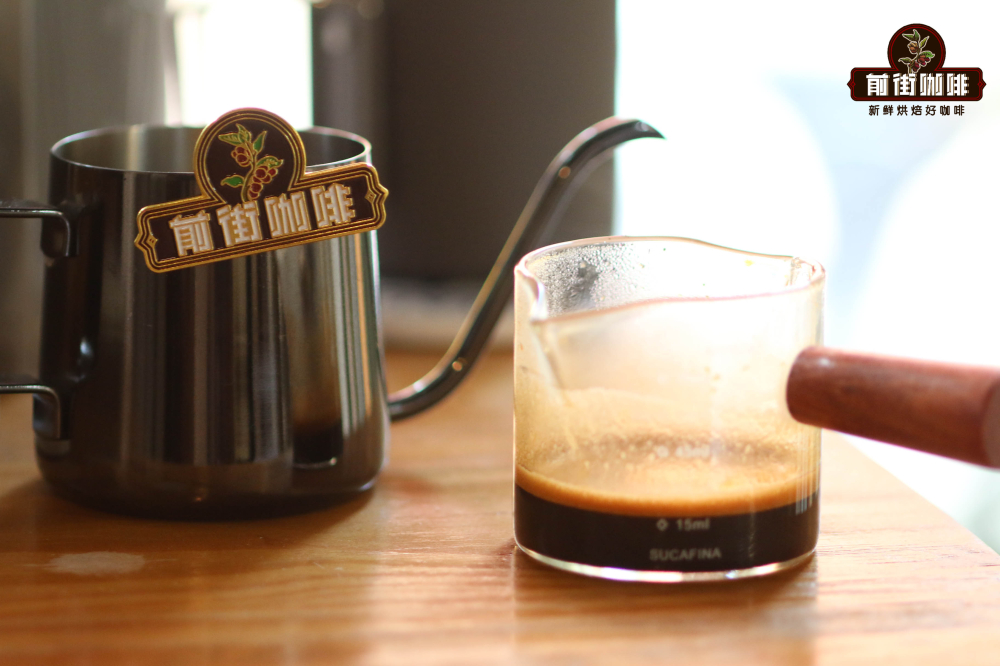
For example, if using Yellow Bourbon SOE beans from Brazil’s Queen Estate, the suggested extraction parameters could be: 20g of coffee, 27 seconds of extraction time, and 40ml of output, paired with a fine grind (such as Q18’s 2.0 setting). This can bring out its bright citrus and berry notes, along with moderate fermentation aromas and medium-high acidity, resulting in a thick and balanced mouthfeel.
However, not all cafés choose to feature SOE as their primary daily offering, and the reason lies in its flavor unpredictability. To ensure consistent performance in every cup, many shops opt instead for carefully crafted espresso blends. For instance, certain blend recipes combine the body of Brazilian beans, the acidity and sweetness of Central American beans, and the fruity notes of African beans. By complementing beans from different origins, these blends create a balanced and layered foundation.
The benefits of espresso blends are mainly reflected in three aspects: first, long-term flavor stability—even as seasons change, consistent taste can be maintained by adjusting the blend recipe; second, the ability to create complex flavors that single-origin beans cannot achieve on their own, such as balancing high sweetness with strong acidity for a more harmonious taste experience; third, the ability to tailor specific recipes for different use cases (e.g., milk-based or black coffee).
In terms of blending methods, there are two types: “pre-roast blending” and “post-roast blending.” Pre-roast blending refers to mixing different beans in the desired proportions before roasting them together, which helps maintain roast consistency but requires that the beans have similar densities and suitable roast levels. Post-roast blending involves roasting each bean to its optimal level individually and then combining them in proportion. While this method allows each bean’s characteristics to shine, it poses greater challenges in managing resting periods and ensuring quality control. In practice, many professional shops choose the most suitable blending strategy based on the situation.
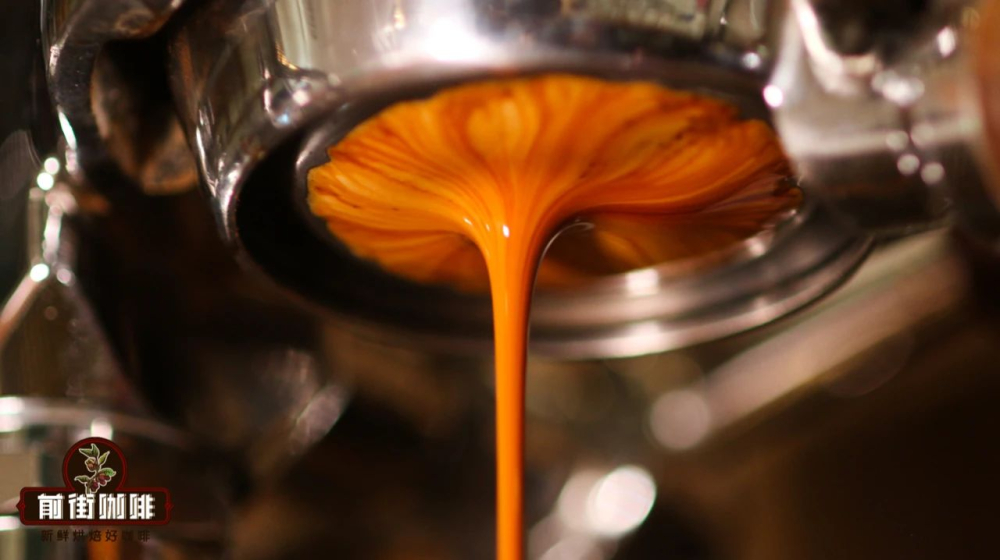
Whether you choose SOE or a blend, understanding their characteristics and suitable scenarios is key to making the best decision based on your flavor preferences or customer needs. In practice, every step—from grind size and brew ratio to pressure and temperature control—affects the final cup of coffee. Mastering these basic principles and parameters, whether you’re a barista or a coffee enthusiast, will give you greater confidence in working with different types of coffee beans and brewing satisfying shots of espresso.
The above content is compiled by CoffeeHunters, a coffee news website.


