







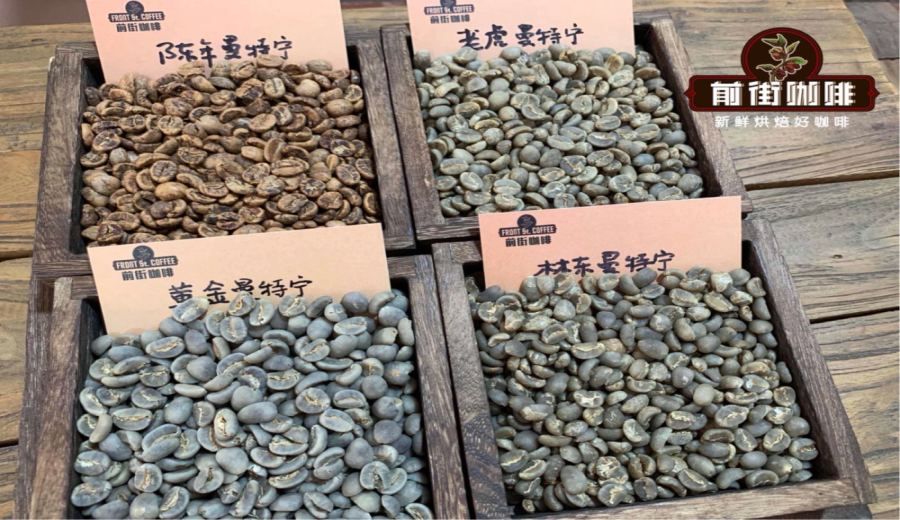
Introduction:Mandheling from Lake Toba in Sumatra, Indonesia, and Jamaican Blue Mountain are both iconic representatives of top-tier coffee, yet each possesses its own distinct character. This article delves into the "Two Lakes & Two Mandhelings" — the regional differences between Lake Toba and Lake Tawar Mandhelings — as well as the history, grading system, and refined processing methods of Blue Mountain coffee. From flavor profiles and recommended brewing methods to cupping notes, it provides a comprehensive understanding of the unique charm and appreciation points of these two classic coffees.
When discussing premium coffee, Mandheling from Sumatra, Indonesia, and Jamaican Blue Mountain are often mentioned in the same breath. Though both fall under the specialty grade, they differ greatly in terms of terroir, variety traits, processing techniques, and flavor expression. This article systematically compares the multidimensional differences between the "Two Lakes & Two Mandhelings" (Lake Toba and Lake Tawar Mandhelings) and Blue Mountain coffee — examining factors such as growing environment, historical background, varietal evolution, and cupping characteristics — supplemented by cupping observations to help readers deeply grasp the unique personalities of these two renowned coffee regions.
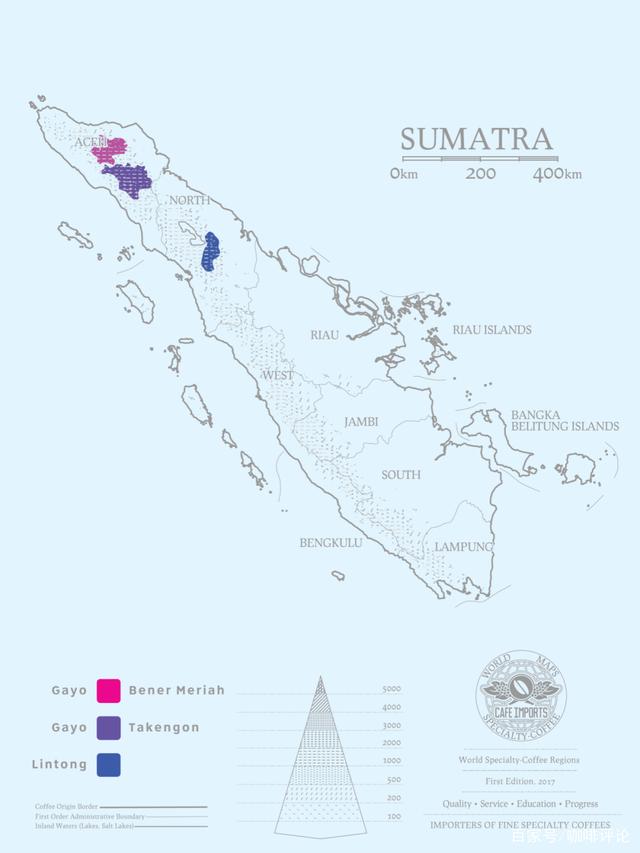
As Indonesia’s largest island, Sumatra lies within the Pacific Ring of Fire, dotted with volcanoes that enrich the soil with abundant minerals. Lake Toba, the world’s largest volcanic lake, is located in northern Sumatra at an altitude of about 1,400 meters. It enjoys a tropical rainforest climate with plentiful annual rainfall and significant day-night temperature variation. Perennial cloud cover means coffee trees are mostly planted on slopes with natural shading, eliminating the need for additional shade nets. Lake Tawar, on the other hand, is situated in the central Gayo Mountains of Aceh Province, at an altitude of 1,200 to 1,800 meters. With heavy fog and organically rich soils, local farmers often practice organic cultivation. The resulting Mandheling tends to have brighter fruit acidity, occasionally exhibiting hints of cedar or woody notes, forming a contrast with the mellow, earthy aroma of Lake Toba Mandheling.
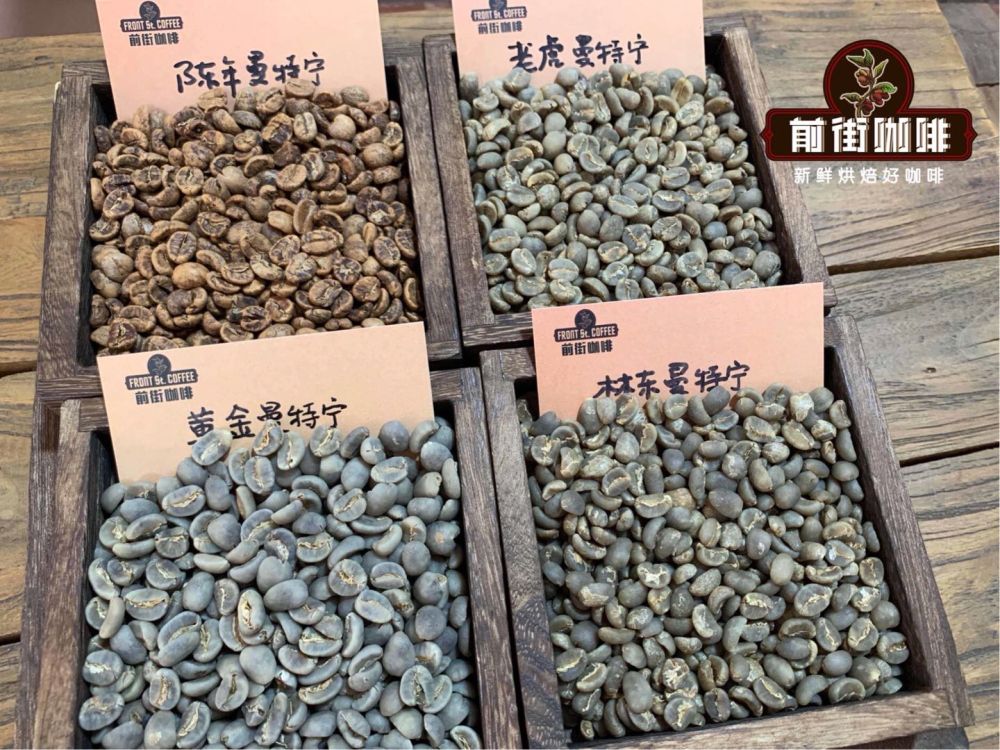
The history of coffee cultivation in Sumatra dates back to the late 17th century, during the Dutch colonial period, when Typica was introduced from India. Later, due to the outbreak of coffee leaf rust, more disease-resistant varieties such as Robusta and hybrids like Tim Tim, Bor Bor, and the Ateng series were planted. Mandheling has become the most representative specialty blend in the region, known for its full body and rich aroma, making it Indonesia’s international coffee calling card. Lake Toba Mandheling often features deep layers of earthy and herbal notes, while the Lake Tawar region, thanks to differences in altitude and microclimate, showcases livelier fruit acidity and delicate aromas.
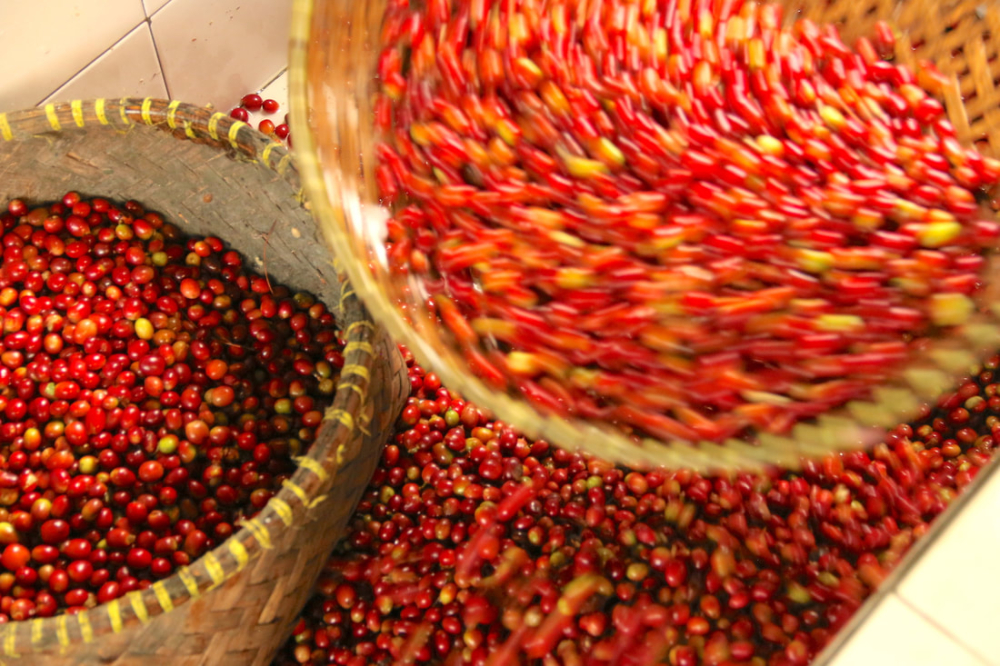
Turning to the Caribbean, the fame of Jamaican Blue Mountain coffee stems from its exceptional geographical conditions. The Blue Mountains are located in eastern Jamaica, with the highest peak reaching 2,256 meters — the tallest in the Caribbean. Surrounded by azure seas, the sunlight refracts to give the mountains their signature blue hue, hence the name. The area enjoys a cool, foggy climate with an average annual temperature of around 20°C and annual rainfall as high as 1,980 millimeters, coupled with fertile volcanic soil, creating ideal conditions for coffee cultivation. Blue Mountain coffee is grown on steep slopes and harvested entirely by hand, requiring pickers to carefully select only ripe red cherries to ensure consistency in bean quality.
The processing of Blue Mountain coffee is extremely meticulous: beans are depulped on the day of harvest, followed by 12 to 18 hours of fermentation, then thorough washing and multiple rounds of screening. Finally, they are sun-dried on concrete patios or thick mats until the moisture content drops to 12%–14%. Afterward, they are stored in dedicated warehouses and only taken out for processing just before roasting. Every step must be precisely controlled to maintain the distinctive balanced flavor of Blue Mountain coffee.
The history of Blue Mountain coffee began in the early 18th century. In 1717, King Louis XV of France ordered trial plantings. By the mid-1720s, Sir Nicholas Lawes, then Governor of Jamaica, introduced Arabica seeds from Martinique and promoted their cultivation in the St. Andrew area, which remains one of the three major Blue Mountain producing regions to this day, alongside Portland and St. Thomas. In 1950, the Jamaican government established the Coffee Industry Board, setting strict quality standards and issuing official certification stamps to ensure the superior quality of exported coffee. Currently, Blue Mountain coffee certification labels include six institutions such as MBCE and MHCCT, representing its authentic pedigree.
Blue Mountain coffee is divided into three main grades based on producing region and processing refinement: Blue Mountain Coffee, Jamaica High Mountain Supreme Coffee Beans, and Jamaica Prime Coffee Beans. Among them, Blue Mountain and High Mountain Coffee are further divided into Grade 1 and Grade 2. Blue Mountain Grade 1 is the highest grade, featuring intact, plump beans. It is recommended to use medium roast to bring out its nutty, chocolatey, and mildly acidic layers. According to cupping observations, the dry fragrance of Blue Mountain Grade 1 reveals notes of nuts, melon, and chocolate, while the brewed cup offers intense dark chocolate, roasted hazelnut, and creamy aromas. The taste is full-bodied with a long-lasting aftertaste, and the balance of acidity, sweetness, and bitterness is excellent — ideal for drinking black to savor its delicate flavors.
Overall, Mandheling and Blue Mountain present contrasting profiles: the former, shaped by Sumatra’s volcanic soil and high-altitude environment, delivers a rich, deep “earthy aroma” and herbal complexity. Lake Toba Mandheling leans toward a mellow, earthy profile with occasional grass jelly notes, while Lake Tawar exhibits brighter fruit acidity and woody undertones. The latter, thanks to the Caribbean’s unique microclimate, produces a premium coffee with balanced acidity and sweetness, delicate aromas, and a long-lasting finish. Whether you prefer deep, bold richness or fresh, elegant subtlety, these two classic regions offer coffee lovers distinctly different flavor journeys.
The above content is compiled by CoffeeHunters, a coffee news website.


