







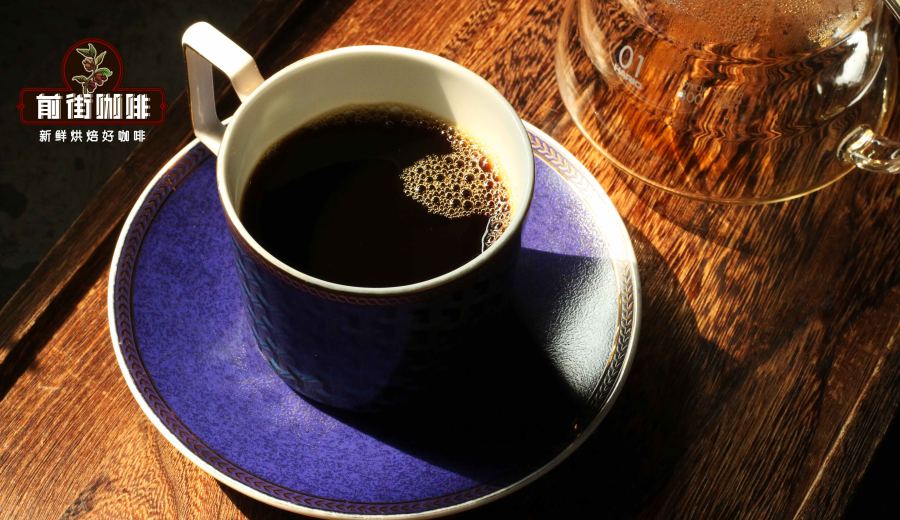
Introduction:Many beginners in the world of coffee often find themselves puzzled by the subtle acidity found in Indonesian Mandheling beans when first trying Asian-origin coffees. In fact, this is closely related to the wet-hulling processing method and the degree of roast used. This article delves into the origins of Mandheling’s flavor profile, introduces bean options suitable for coffee lovers of all levels — including entry-level beans, classic blends, and high-end Golden Mandheling — and provides a variety of practical brewing parameters to help you discover your ideal Mandheling experience.
Indonesian Mandheling coffee is an entry-level bean variety that many beginners use to explore Asian coffee regions. However, many people are surprised to find that it has a hint of acidity upon their first taste. In reality, this seemingly contradictory flavor profile is primarily linked to the commonly used "wet-hulling" processing method for Mandheling, as well as the choice to roast it at a medium-dark to dark level. This article will take you through a comprehensive understanding of Mandheling’s flavor characteristics, target audience, and various practical brewing methods — from beginner-friendly practice beans and classic blends to premium PWN Golden Mandheling — helping you choose and brew your own ideal Mandheling more precisely.
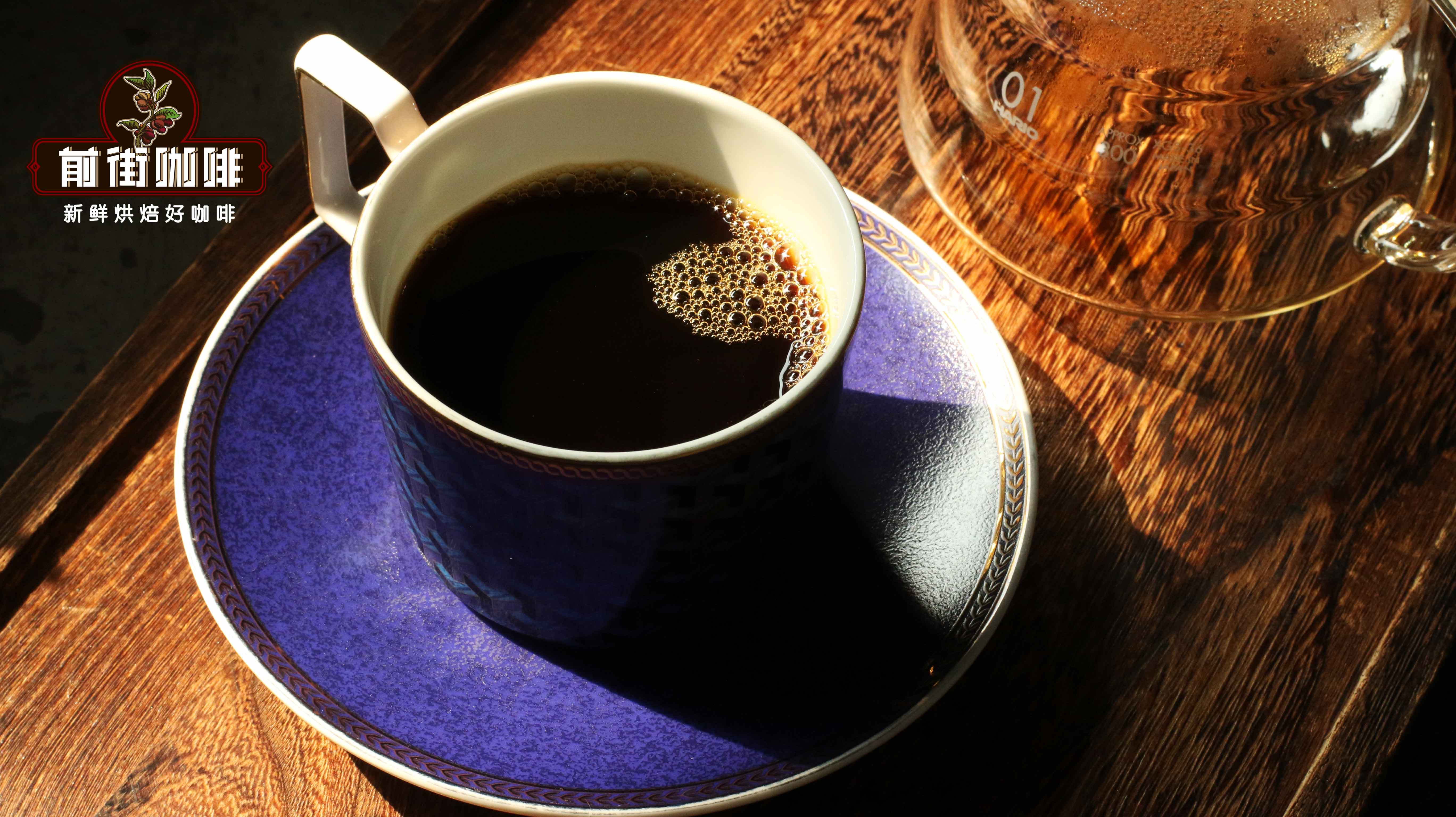
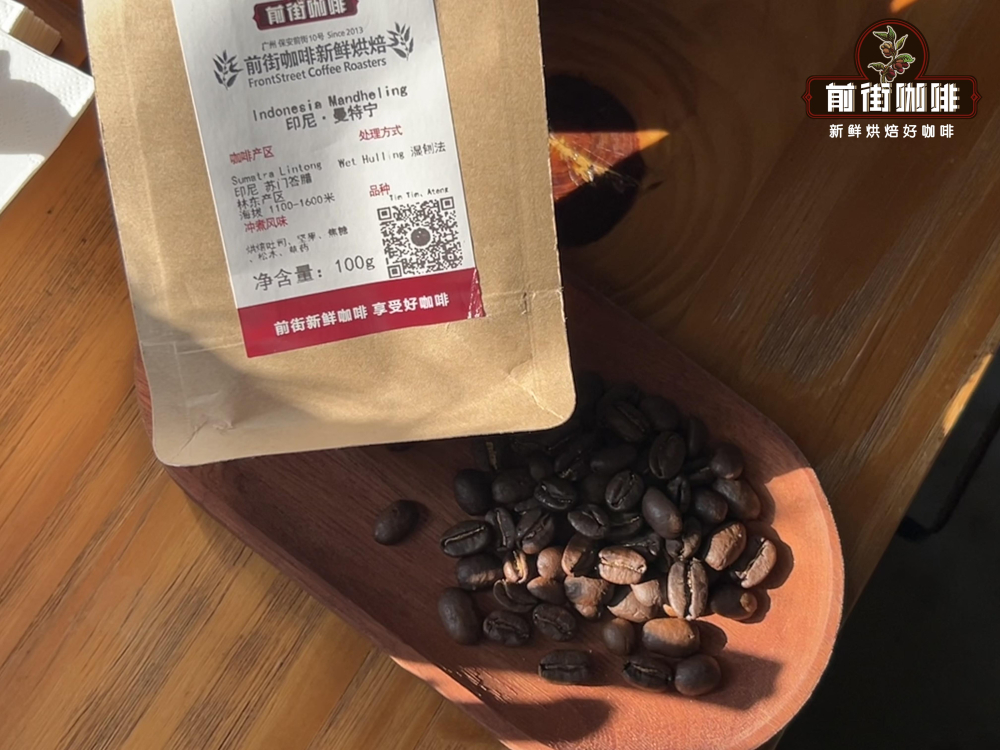
For those just beginning to explore Indonesian coffee, it is recommended to start with cost-effective, entry-level Mandheling beans, such as the commonly available basic versions on the market. These beans are typically processed using the wet-hulling method, which saves a significant amount of time compared to the traditional washed process — the washed method usually takes 1 to 3 weeks, while wet-hulling can be completed in just a few days. The general process is as follows: first, the skin and pulp of the coffee cherry are removed, followed by a short fermentation period and initial drying. When the beans reach a semi-dry state, the outer parchment layer is removed, and then they are dried further until the moisture content is around 12%, after which they are sorted and graded.
Because the protective parchment layer is removed while the beans are still semi-dry, the green beans are prone to absorbing moisture from the surrounding warm and humid air, which is why Mandheling often emits deep, earthy, herbal, and spicy aromas. To bring out the rich and full-bodied character typical of classic Mandheling, roasters often opt for a medium-dark roast. This approach not only reduces overly pronounced acidity but also enhances body and overall flavor balance. Once brewed, you can often detect natural notes of spices, herbs, and pine wood, accompanied by rich bitterness and sweetness of caramel, nuts, and dark chocolate, along with a wild character unique to Asian beans.
If you prefer espresso extracted using an espresso machine, you might consider trying the classic Mocha Java blend. This blend is typically made up of Brazilian Red Bourbon and Indonesian Mandheling, and some versions may also include a small amount of Robusta to enhance crema. When brewed, it often offers enticing aromas of butter, nuts, spices, and dark chocolate. Its most distinctive feature is its intense flavor and thick crema, with a wild yet solid oily mouthfeel — perfect for coffee lovers who enjoy bold flavors.
If you’ve already tried basic Mandheling and want to explore higher-quality beans, then the high-altitude, high-specification PWN Golden Mandheling is a worthwhile upgrade. These beans come from Indonesia’s renowned PWN company and are also processed using the wet-hulling method. Although this process may slightly increase the defect rate, it actually contributes to the characteristic herbal, muted aroma and terroir expression of Mandheling. Since the beans are not protected by parchment paper during drying and are directly exposed to the environment, microbial activity becomes more active, thereby imparting the coffee with unique woody, spicy, and herbal tones.
In terms of roasting, PWN Golden Mandheling is typically roasted to a dark level to enhance the expression of caramel, dark chocolate, and nut aromas. It is suitable for brewing using a variety of devices such as pour over, moka pot, French press, and siphon. For pour over, it is recommended to use a medium-fine grind, with water temperature controlled at 90–92°C. Pour water steadily in a circular motion from the center outward, with a brewing time of about 2 minutes, to better highlight its sweetness and rich body.
In summary, if you are a coffee lover who dislikes pronounced acidity and seeks a full-bodied black coffee with caramel-like sweetness, PWN Golden Mandheling is an excellent everyday brew. Its flavor is robust and layered, making it not only suitable for personal enjoyment but also a great high-quality coffee gift for family and friends. Whether you’re just starting out or already have some experience, you can find your perfect Mandheling among beans of different grades.
The above content is compiled by CoffeeHunters, a coffee news website.


