







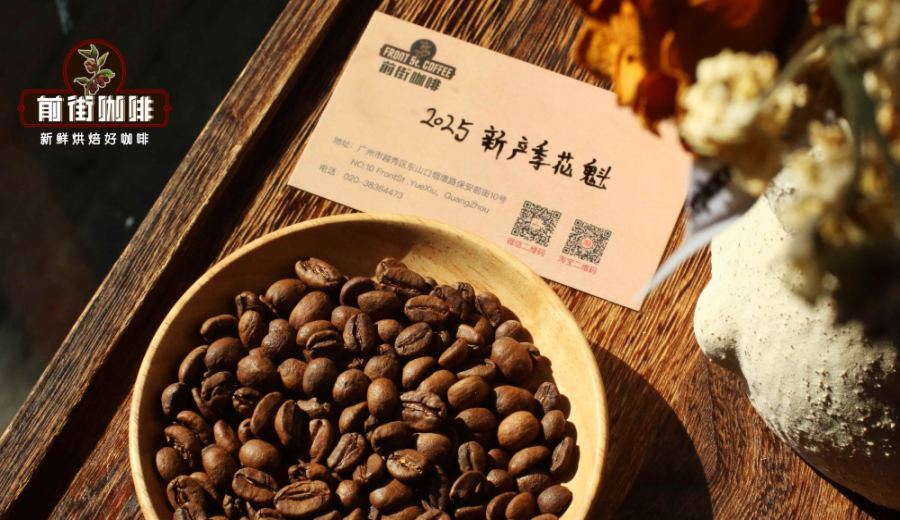
Introduction:An in-depth exploration of the Huakui 5.0 Natural Ethiopian Yirgacheffe Gedeb Hambella coffee beans, covering its terroir, processing method, intricate flavor profile, and providing tested pour over recommendations and extraction parameters to help you master the brewing tips and optimal enjoyment of this highly popular specialty bean.
The rise of Huakui coffee beans can be traced back to the 2017 TOH (the Taste Of Harvest) green coffee competition, where a natural lot from Ethiopia’s Gedeb Hambella region in the Yirgacheffe area took the championship, sparking widespread discussion in the specialty coffee scene. Sourced from the Sidama region—specifically located within the Hambella sub-region of Gedeb—this coffee stands out with its intense fruity aroma and bright juicy character. It is not only considered a flagship example of natural-processed coffee by many enthusiasts but also an excellent entry point into experiencing the flavor profile of Ethiopian coffee.
Many beginners often confuse Yirgacheffe with Sidama, but the two actually have distinctly different flavor directions. Yirgacheffe is known for its bright citrus acidity and jasmine-like floral notes, with sharp acidity and clear layers. In contrast, coffee from the Sidama region typically has a richer fruit pulp sensation, gentler acidity with citrusy aftertaste, making it ideal for those who prefer a rounder mouthfeel while still wanting bright flavors. If you’ve enjoyed the refreshing acidity and aroma of Yirgacheffe, you might also want to try the diverse flavors of Sidama to experience its deeper fruit notes and earthy undertones.
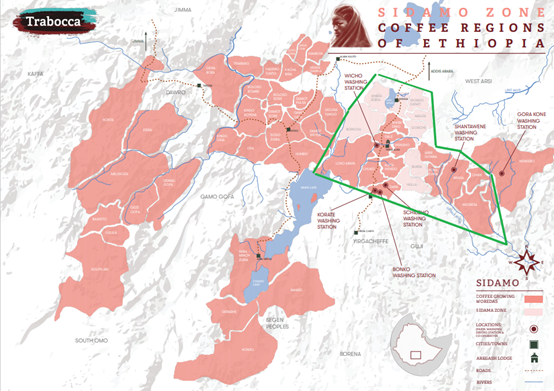
Speaking of Huakui, its original name is actually “Hambella.” This elegant name was given by domestic green coffee traders. The growing region is located in Ethiopia’s southern Gedeb zone, geographically situated southeast of Yirgacheffe, featuring a varied terrain with a complex landscape of mountains, plateaus, and valleys. The area has deep black soil (Vertisol), with an average altitude exceeding 1,800 meters, coupled with significant day-night temperature variations, creating an ideal environment for high-quality specialty coffee. Hambella is not only one of the highest-altitude sub-regions within the Gedeb zone but also neighbors several renowned micro-regions such as Shakiso, Uraga, and Kercha, contributing to its unique and distinctive flavor profile.
The path to fame for Huakui coffee began in the 2017 TOH competition, where a natural lot from the “Buku Abel” processing station, submitted by DW Coffee, impressed judges with its intense strawberry and cream aromas, winning the Ethiopian regional championship that year. Subsequently, these green beans were introduced to China, where roaster Li Jianfei used them as competition beans, achieving second place in the 2017 China Brewers Cup. Particularly notable among many Geisha varieties, this Ethiopian natural-processed coffee stood out, leading to its naming as “Huakui,” symbolizing top-tier quality like the most esteemed geisha performer.
It’s important to note that the name “Huakui” is now used to differentiate natural-processed Hambella lots from various years and batches, such as Huakui 2.0, 3.0, 3.1, 4.0, 5.0, and the latest 6.0. Each year’s version is slightly adjusted based on climate and processing, resulting in subtle flavor differences. The currently popular Huakui 5.0 is a standout of the 2025 new harvest season, continuing the series’ signature vibrant fruitiness and full-bodied taste.
In the Sidama region, natural processing is the predominant method, which is also key to creating its unique aromas and rich mouthfeel. Compared to the later-popularized washed method, natural processing better preserves the natural sugars and fruity compounds found in the coffee cherry. Local farmers only pick fully ripe red cherries during harvest, and after preliminary sorting to remove defective or underripe beans, the cherries are evenly spread on elevated wooden platforms or shaded drying beds to avoid direct contact with the ground and absorption of unwanted odors. During the drying process, the cherries are regularly turned to ensure even moisture evaporation and to remove any moldy or defective fruits. After about two weeks, when the skins have fully hardened, a hulling machine is used to remove the dried fruit pulp, followed by a final fine screening to ensure bean quality.
For pour over enthusiasts, how to brew Huakui 5.0 to showcase its layered flavors is key. Freshness is the primary condition for extracting great flavor—beans roasted within five days are recommended to fully experience their vibrant aromas and fruity acidity. The degassing period for roasted beans is approximately 4–7 days, during which flavors gradually stabilize, making it the best stage for tasting.
If you choose to grind the beans for brewing, note that ground coffee should be used as soon as possible because oxidation accelerates upon contact with air, causing rapid aroma loss. Therefore, it is recommended to buy whole beans and grind them just before brewing for optimal flavor. If you must grind them in advance, there’s no need for additional degassing before brewing, but it is still advisable to consume the coffee as soon as possible for the best taste.
Regarding pour over parameters, tested recommendations suggest using a V60 dripper, whose 60-degree conical design and spiral ribs effectively enhance water flow rate and extraction uniformity. Specific recommended parameters are as follows: use a V60 dripper, control water temperature at90°C, with a coffee-to-water ratio of1:15, suggested coffee dosage15 grams, grind size as per the 20-mesh sieve in China with a passing rate of80%(approximately medium-fine grind).
The recommended brewing steps involve a multi-pour extraction method: begin with a bloom using double the coffee dose (about30 grams) for30 secondsto release carbon dioxide from the coffee grounds and establish a stable foundation for subsequent extraction; then continue pouring with a slow circular motion until reaching125 gramsfor the first pour, followed by additional pouring up to a total of225 grams, then stop pouring and wait for all the water to fully drain from the dripper before removing it. Total brew time is recommended to be around2 minutes. Finally, gently swirl the brewed coffee before pouring it into your cup for tasting.
The 2025 new harvest Huakui 5.0 Natural Sidama coffee presents a rich array of tropical fruit notes, includingfloral tones, berries, citrus, plum acidity and sweetness, paired with the dense juice-like character of mango, and a sweet honey finish, all leading to a gentle, black-tea-like lingering sweetness. The overall profile is balanced and layered, making it highly suitable for pour over lovers who enjoy prominent fruitiness and juicy mouthfeel.
In summary, Huakui 5.0 not only embodies the unique terroir of Ethiopia’s Gedeb Hambella region but also showcases the charm of natural processing—intense fruit aroma, full body, and dynamic layering. Whether you’re a newcomer to specialty coffee or a seasoned brewer seeking fresh experiences, this natural-processed Sidama coffee bean is well worth savoring and exploring.
The above content is compiled by CoffeeHunters, a coffee news website.


