








Introduction:Yirgacheffe coffee, with its distinctive citrus, berry, and floral flavor profile, has become a classic among specialty coffee enthusiasts. This article delves into this iconic Ethiopian coffee, exploring everything from the history of its growing region, the quality innovations of the Red Cherry Project, the key details of sun-drying processing, to how light roasting brings out bright acidity and tea-like qualities. Practical pour over parameters and flavor guidance are also provided to help you fully appreciate the charm of Yirgacheffe.
Why does Yirgacheffe coffee stand out in the global specialty coffee market? The answer lies in its unique flavor profile and regional culture. This Ethiopian coffee is renowned for its bright citrus acidity, berry sweetness, and elegant jasmine aroma, paired with a refreshing tea-like mouthfeel, making it a popular choice for many coffee beginners. This article will start with the origin of the region, analyze how the Red Cherry Project has improved quality, detail the refined craftsmanship of sun-drying processing, and explain how light roasting shapes the classic flavor. Finally, practical pour over recommendations and flavor characteristics are provided to help you better understand this classic coffee.

The flavor profile of Yirgacheffe is often described as: distinctly recognizable lemon and citrus acidity, mixed with the natural sweet-tartness of berries, accented by delicate jasmine floral notes, and a finish that offers a comfortable tea-like sensation. Achieving such a nuanced expression relies on every step — from the growing environment of the coffee trees, variety selection, processing method choice, to roasting and extraction.
The name Yirgacheffe originates from the town of Yirgacheffe in Ethiopia, which was originally a sub-region under the Sidamo province. Due to its highly distinctive coffee flavor, it gradually built a reputation in the global market and eventually separated from Sidamo to become an independent producing region. Currently, the Ethiopian government has registered Yirgacheffe, Sidamo, and Harrar as geographical trademarks. Therefore, when we talk about Yirgacheffe today, it often refers not just to a geographic location but also to a type of coffee with specific flavor characteristics. Commonly seen Yirgacheffe Red Cherry Natural beans are processed by drying whole red cherries in the sun, which imparts a richer sweetness and layered fermentation complexity to the coffee.
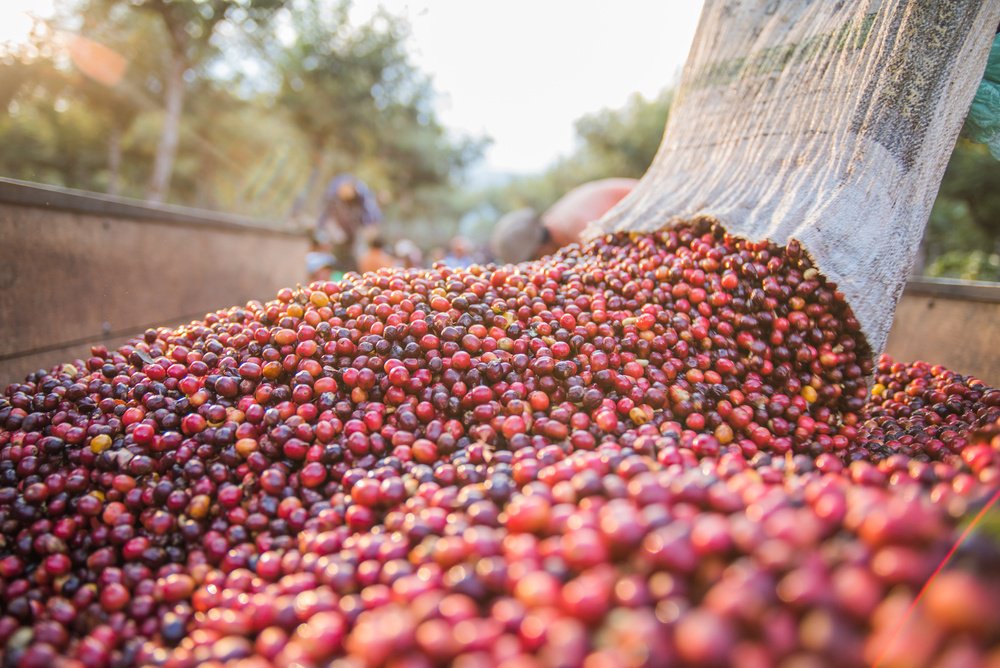
In 2007, the Dutch trading company Trabocca BV launched the 'Red Cherry Project' (OPERATION CHERRY RED PROJECT), aimed at increasing the income of Ethiopian coffee farmers and enhancing coffee quality. This project focused on high-altitude regions such as Yirgacheffe, promoting improvements in washed, semi-washed, and sun-dried processing techniques, and introduced professional cupping teams to assist with quality control. During the harvest period, the project set regional harvest quotas based on microclimate differences, strictly requiring only 100% ripe red cherries to be picked, with production controlled between 1,500 and 3,000 kilograms per unit. By providing financial loans, advanced equipment, and technical guidance, the project significantly enhanced the quality and market value of Yirgacheffe and Ethiopian coffee as a whole, which was directly reflected in the increased income of the coffee farmers.
The red coffee cherries picked from the trees must undergo manual sorting to remove defective beans, overripe fruits, and insect-damaged ones, keeping only the highest-quality beans. These beans are then sent to drying sites for further processing. Drying facilities vary by region, with common setups including waterproof tarps and raised beds, but the most iconic is the African-style raised bed. The drying process typically lasts 27 to 30 days, until the fruit turns dark purple and the moisture content drops to around 11%, at which point it is considered complete. For sun-dried Yirgacheffe, for example, the flavor profile is more complex, often featuring wine-like fermentation notes, with sweetness that is more pronounced.
Unlike the traditional perception that 'coffee is inevitably bitter,' light-roasted Yirgacheffe opens a new chapter for fruity and acidic coffees. In the past, dark roasting often emphasized the richness of nuts and dark chocolate, masking the diverse flavors inherent in the coffee itself. With the rise of the specialty coffee trend, roasters have turned to lighter roasting levels to preserve the fruit acids and delicate floral notes in the beans, creating the uniquely fresh tonality of Yirgacheffe. This tendency toward sweetness and low bitterness is also a key reason for its widespread market appeal.
For those new to Yirgacheffe, it is recommended to start with small sample packs of entry-level beans to experience the regional characteristics on a lower budget, while also avoiding purchasing too much at once, which could lead to long-term storage and flavor degradation. Small packs are not only convenient for sampling, but also help in identifying personal taste preferences.
Below are practical pour over recommendations to help you fully showcase the bright acidity and layered complexity of Yirgacheffe:
- Filter dripper:V60
- Water temperature:92-93°C
- Coffee dose:15 grams
- Coffee-to-water ratio:1:15
- Grind size:Fine sugar crystal size (recommended to sieve through a No. 20 mesh to achieve about 78% extraction rate)
Suggested pour over steps: First, pour 30 grams of hot water for a 30-second bloom to activate the release of aromatic compounds from the coffee grounds; then pour 95 grams of water (scale should read approximately 125 grams), keeping time around 1 minute; when the water level drops to about 2/3 of the coffee bed height, continue pouring the remaining 100 grams of water (scale should read approximately 225 grams), with the total extraction time around 1 minute and 35 seconds. Once dripping is complete (around 2 minutes and 10 seconds), remove the filter dripper to end the extraction process.
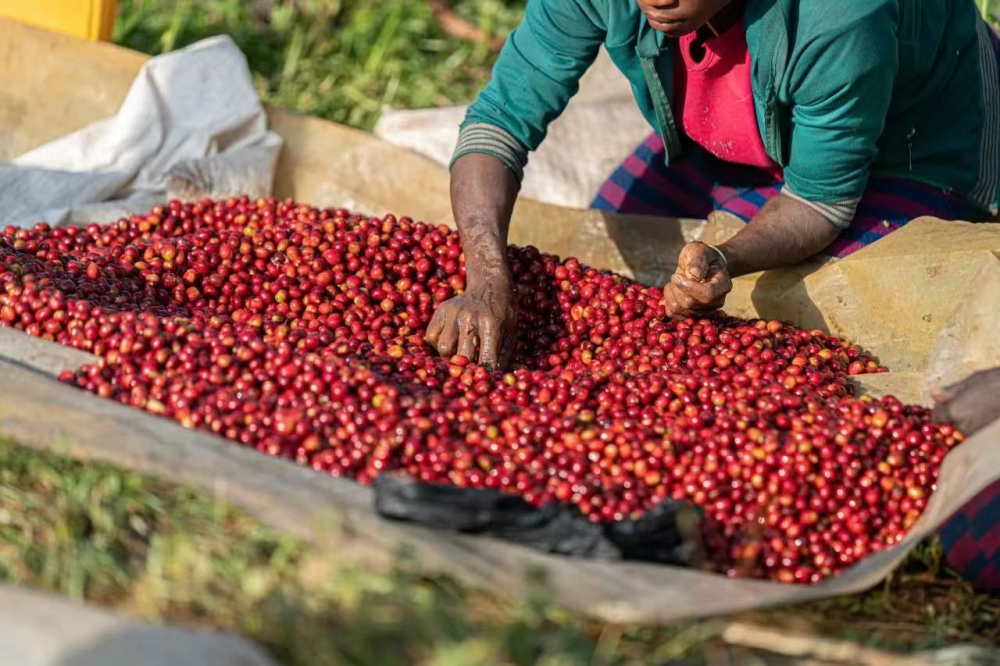
In terms of flavor profile, sun-dried Red Cherry Yirgacheffe often presents bright fruit notes such as lemon, licorice, citrus, berries, and sweet orange. The overall sweetness is prominent, with a finish offering caramel and creamy richness, and an aftertaste that continues with the gentle aroma of black tea. It is a classic representation that combines freshness with layers of complexity.
The above content is compiled by CoffeeHunters, a coffee news website.


