







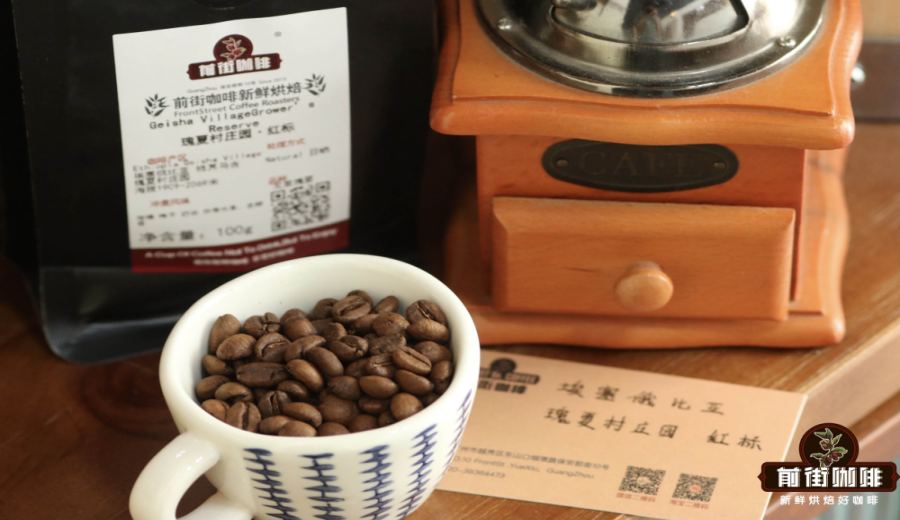
Introduction:Delve into the Gesha Village Estate in Ethiopia’s Bench Maji region to explore the varietal characteristics, flavor profiles, and Gold Label grading standards of its eight distinct plots. This article details the unique flavors of core varieties such as Gesha 1931, and provides practical pour over parameters and techniques to help coffee enthusiasts master brewing methods for high-altitude beans, experiencing the complex layers of Gesha Village’s top-tier coffees.
Located in Ethiopia’s Bench Maji region, Gesha Village Estate holds a significant position in the global specialty coffee market thanks to its production of multiple premium Gesha coffee beans. Nestled within the jungle, this estate is not only the source of beans used in numerous international coffee competitions but also demonstrates an uncompromising pursuit of coffee quality through its rigorous grading system and plot management. From its founding story and plot distribution to the brewing essentials of Gold Label Gesha, the following will comprehensively unravel the allure of Gesha Village.
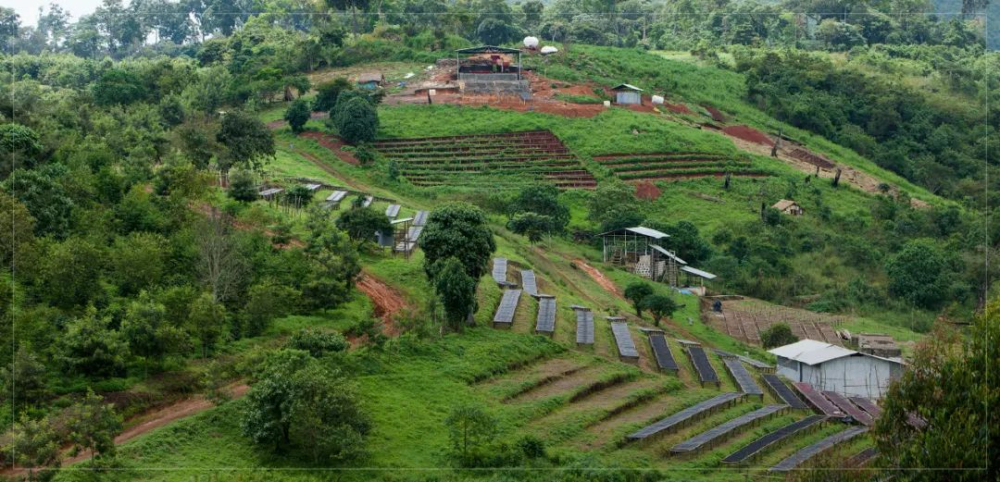
Gesha Village Estate is situated in Bench Maji in western Ethiopia, surrounded by dense jungle and blessed with an exceptional natural environment. Founders Adam and Rachel first connected with the area in 2007 while filming a coffee documentary. Later, inspired by Willem Boot, owner of the Mzuzu Estate, they resolved to establish an estate centered around the Gesha variety. In 2011, they returned to Bench Maji, venturing deep into the indigenous forest area known as “Gesha Village,” and ultimately selected the current site to begin this coffee legend.
Gesha Village Estate spans a total area of 471 hectares, approximately 320 of which are dedicated to coffee cultivation. The soil is nutrient-rich reddish-brown loam, with planting density controlled at 7,000 coffee trees per hectare. All coffee trees are grown at elevations above 1,900 meters, slowing growth to allow coffee cherries to accumulate richer flavor compounds. The estate is further divided into eight distinct plots, each planted with a single variety to ensure flavor consistency and traceability.

Each plot of Gesha Village has its own unique characteristics:BangiPlot (elevation 1,911–2,001 meters) primarily features Gori Gesha, with flavors of honeysuckle, spices, and dark chocolate;DimmaandGayleePlot (elevations 1,966–2,019 meters and 1,916–1,982 meters) grow the Iruababora variety—the former presenting stone fruit and citrus notes, the latter exuding lemongrass and jasmine floral aromas.OmaPlot (elevation 1,931–2,040 meters), the largest at 67.6 hectares, is exclusively planted with Gesha 1931, renowned for its jasmine, peach, and honey-like sweetness; adjacentNarshaPlot (5.3 hectares) also grows Gesha 1931, with added bergamot notes.SurmaPlot (elevation 1,909–2,063 meters) highlights strawberry, watermelon, and delicate spices;JibabuPlot (elevation 1,973–2,069 meters) andShayaPlot (elevation unspecified, 36.5 hectares) focus on Gori Gesha, featuring diverse layers such as papaya, cherry, and dark chocolate.
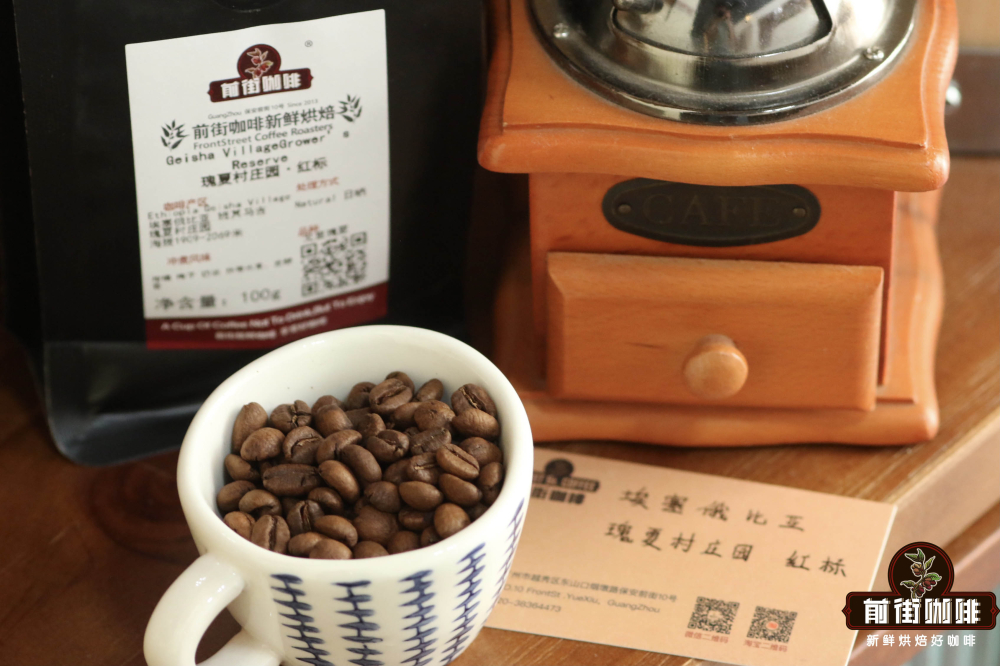
Gesha Village’s grading system is rigorous, using SCA standards for cupping selection, categorized into AUCTION auction lots, RARITIES Gold Label, GROWERS RESERVE Red Label, SINGLE-TERROIR Green Label, and CHAKA Chaka batches. Among them,the Gold Label batchaccounts for only 10% of annual production, offering complex and rare flavors—it is the most premium offering after auction lots and is often chosen by baristas for competition use.
Taking the 2024 new harvest as an example, a Gold Label Gesha introduced by a certain coffee brand comes from the Oma Plot, processed with a 32-day natural (sun-dried) method, and is the Gesha 1931 variety. Confirmed by experts, this variety has the genetic lineage closest to the original Panamanian Gesha parent. Cupping results show that this batch exhibits intense berry aromas, melon body, citrus acidity, and chamomile floral notes, with a tea-like finish and melon aftertaste.
For medium-light roasted Gold Label Gesha grown at high altitudes, it is recommended to use a medium-fine grind (approximately 80% passing through a #20 sieve), paired with a V60 filter, water temperature of 90–91°C, and a 1:15 coffee-to-water ratio. Specific steps: bloom with 30 grams of water for 30 seconds, then pour in a slow circular motion up to 125 grams, wait for the water level to drop, then pour up to 225 grams. Total brew time is about 2 minutes. This method highlights bright acidity and layered flavors, avoiding over-extraction that can lead to astringency.
After brewing, the flavor profile of Gold Label Gesha becomes clear: berry sweetness dominates, accompanied by delicate notes of chamomile and red berries, with a finish interweaving melon and tea-like sensations—showcasing the unique charm of Ethiopian high-altitude Gesha. By understanding plot characteristics, grading standards, and precise brewing parameters, coffee enthusiasts can more deeply appreciate the exquisite craftsmanship and natural gifts of Gesha Village.
The above content is compiled by CoffeeHunters, a coffee news website.


