







Introduction:As the world’s largest producer of Arabica coffee, Brazil is renowned for its rich, smooth, and low-acid beans, making it an ideal base for blends. This article delves into the characteristics of Brazil’s major coffee-growing regions, explores the flavor profiles, processing methods, and recommended brewing techniques for two classic beans—Cerrado and Fazenda Rainha—and provides expert-level pour-over parameters to help you master the essence of this “coffee kingdom.”
Brazil holds the crown as the world’s top Arabica producer, with beans that are known for their mellow richness, low acidity, and bright qualities, making them indispensable foundations for both specialty and commercial blends. From the high-altitude slopes of Southern Minas to the vast plains of the Cerrado, diverse microclimates give rise to a wide spectrum of flavor profiles. This article systematically breaks down the geographical conditions, key varieties, and innovative processing techniques of Brazil’s core regions, while focusing on two representative beans—Cerrado and Fazenda Rainha—selected by a certain coffee brand. It analyzes their unique flavor expressions and precise pour-over parameters, offering an in-depth look at the production secrets of this major South American coffee nation.
[Image 1]
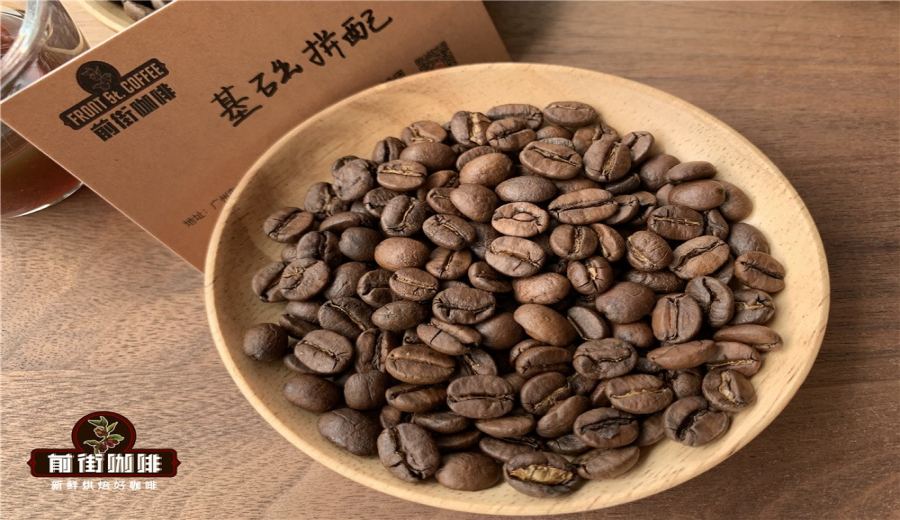
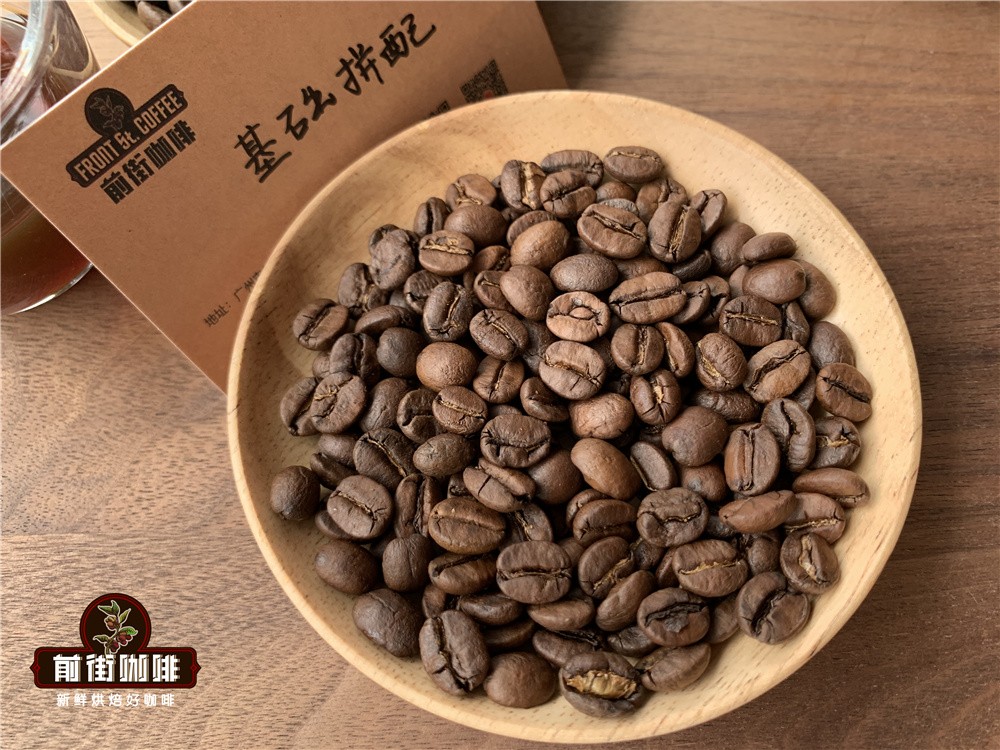
As a stable element in blends, Brazilian beans may not have bold, standout flavors, but they excel in balance and consistency. Their texture is dense and smooth, with acidity that is subtle yet carries a delicate sweetness, forming a sharp contrast to the bright citrus acidity of Yemeni Mocha or Ethiopian Yirgacheffe. This low-intensity quality makes them an ideal base for espresso and milk-based coffee. Three popular blends from a certain coffee brand—Dark Cocoa, Premium, and Commercial—all use Brazilian beans as their flavor backbone.
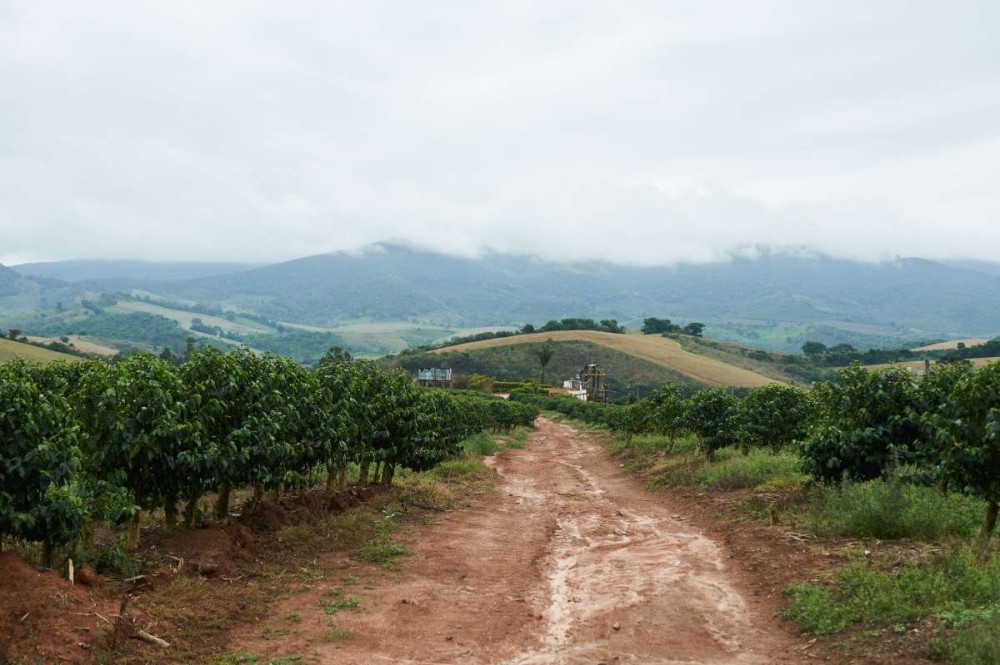
Brazil is not only the world’s largest exporter of Arabica but also supplies both commercial and specialty-grade green beans thanks to its diverse terrain and climate. Its geographic advantage on the eastern coast of South America, combined with tropical savanna and partial rainforest climates, creates an environment conducive to coffee cultivation. The country has long held the triple crown for production, exports, and per capita consumption, solidifying its international status as the “Coffee Kingdom.”
Brazilian coffee farms are mostly located in flat areas at altitudes of 200–1200 meters. Unlike the common practice of high-altitude shade-grown cultivation, the region has developed drought-resistant varieties adapted to direct sunlight. This cultivation method accelerates fruit ripening, resulting in beans with lower density and gentler acidity. However, some coastal regions, such as Rio, may develop unique iodine-salty notes due to microbial activity. It’s worth noting that even under the same soil conditions, annual climate variations can still lead to fluctuations in flavor, though the overall profile remains consistently rich and balanced.
[Image 0]
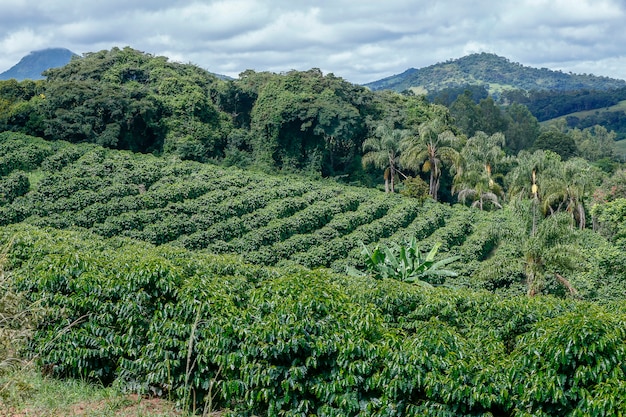
Brazil’s terrain is distinctly divided into two major zones: the Brazilian Highlands, with elevations above 500 meters in central and southern regions, and the Amazon Plain, with elevations below 200 meters in the northern and western areas. Lower-altitude regions, lacking significant microclimate variations, often employ large-scale, shade-free cultivation, resulting in what are known as “soft beans”—characterized by low bean density, muted acidity, and warm flavors dominated by chocolate and nuts. In contrast, high-altitude beans like Panama Geisha typically exhibit sharper fruit acidity and floral layers due to their higher density.
[Image 1]
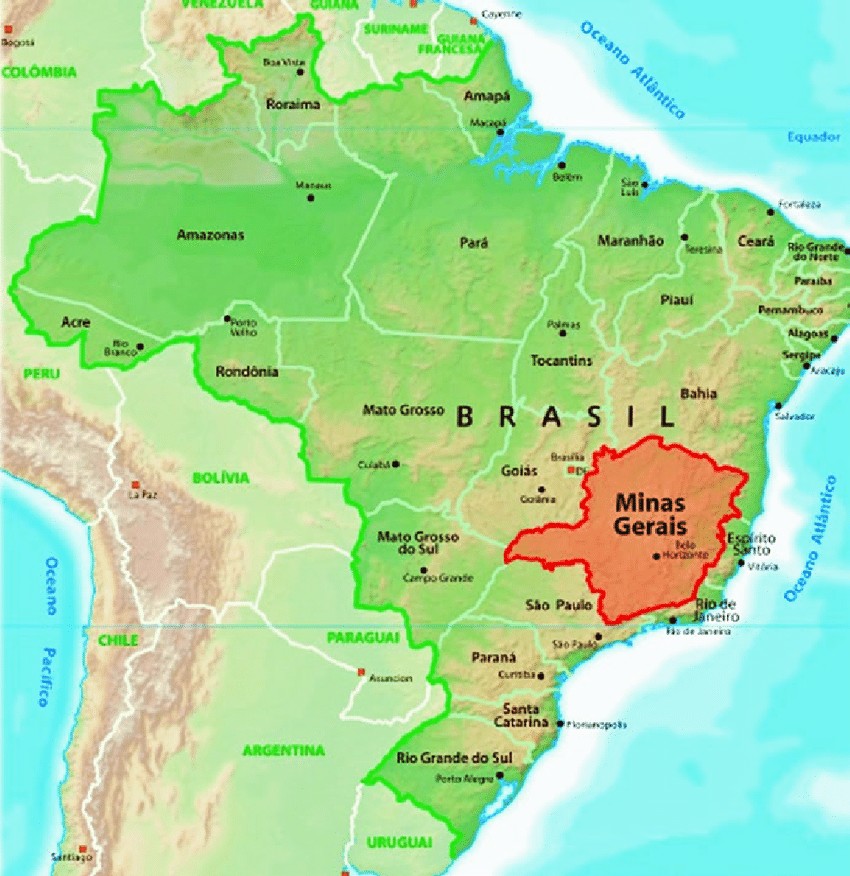
Among Brazil’s seven major producing regions, Minas Gerais and São Paulo contribute the majority of specialty-grade beans. Key sub-regions include:
• Sul de Minas (South of Minas): Located on slopes with an average elevation of 1400 meters, this region has distinct wet and dry seasons, well-developed infrastructure, and hosts numerous large estates established by exporters.
• Central-Western São Paulo and Mogiana: Close to Santos, the world’s largest coffee port, Mogiana reaches elevations of up to 1400 meters. Its red volcanic soil produces coffee with rich aromas. Fazenda Rainha (Queen Estate) is located here, managed by agricultural engineer José Renato G. Dias. Of its 280-hectare property, 200 hectares are dedicated to cultivating the Yellow Bourbon variety.
The Cerrado region is situated in the central Brazilian savanna and is the country’s first coffee area to receive origin certification. With flat terrain at around 1000 meters above sea level and mechanized harvesting, along with semi-washed processing (where part of the fruit mucilage is retained during drying), mineral-rich soil, and abundant groundwater, it produces beans with a pronounced nutty character and high body. The region’s strict geographical indication system ensures that every batch labeled “Cerrado” meets quality standards.
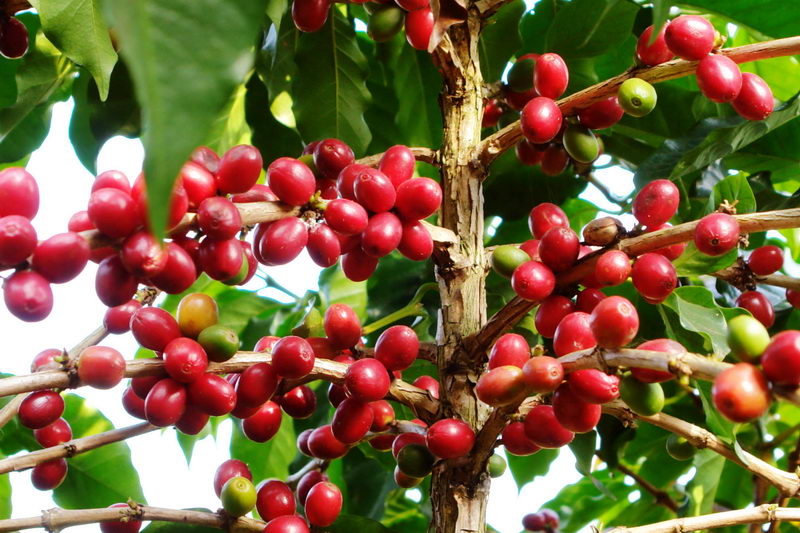
Brazil’s primary cultivated varieties are centered around the Bourbon group, including:
• Red Bourbon: The most common type, with bright red fruit at maturity. When grown at high altitudes, it exhibits excellent aroma and bright acidity.
• Yellow Bourbon: Turns yellow when ripe, with lower yields but unique flavors. Fazenda Rainha specializes in this variety.
• Pink Bourbon: An extremely rare variant controlled by recessive genes that determine fruit color.
Other important varieties include disease-resistant Mundo Novo, high-yielding Catuai, and Caturra, which thrives at high altitudes.
Brazil’s processing methods have evolved significantly: before 1990, coarse sun-drying was common, often introducing off-flavors. Today, the dominant semi-washed process (removing the pulp but retaining the mucilage for 1–3 days of drying) effectively reduces fermentation-related interference, improving cleanliness and consistency in ripeness. The cupping classification system uses “SC (Strictly Soft)” to denote the smoothest mouthfeel, alongside grades like “Fine Cup” to ensure quality stability. A typical green bean sack label, such as “Brazil NY.2 SC – 17/18 FC Cerrado,” indicates a specialty-grade bean from the Cerrado region, with 17–18 mesh sieve passing rate, Strictly Soft texture, and premium cupping qualities.
Recommended pour-over parameters:
• Brewing device: Kono dripper
• Water temperature: 88°C
• Coffee dosage: 15 grams
• Coffee-to-water ratio: 1:15
• Grind size: Medium-fine (75% passing through a Chinese No. 20 sieve)
This combination highlights Brazil beans’ nutty, caramel, and dark chocolate notes. The Cerrado variety leans toward warm, sweet flavors, while Fazenda Rainha offers a crisper lemony finish and consistent cleanliness. For best results, use freshly roasted beans within 5 days, with an optimal resting period of 4–7 days. If grinding, brew promptly to avoid oxidation.
The above content is compiled by CoffeeHunters, a coffee news website.


