







Introduction:Delve into the varietal evolution behind Yunnan’s small-bean coffee, from the early introduction of Typica to today’s dominant Catimor. This article analyzes the differences between these two major varieties in disease resistance, yield, and flavor profile, and explains in detail the washed processing method and recommended brewing parameters. Whether you’re a coffee beginner or an advanced enthusiast, you’ll gain practical tips on bean selection and extraction.
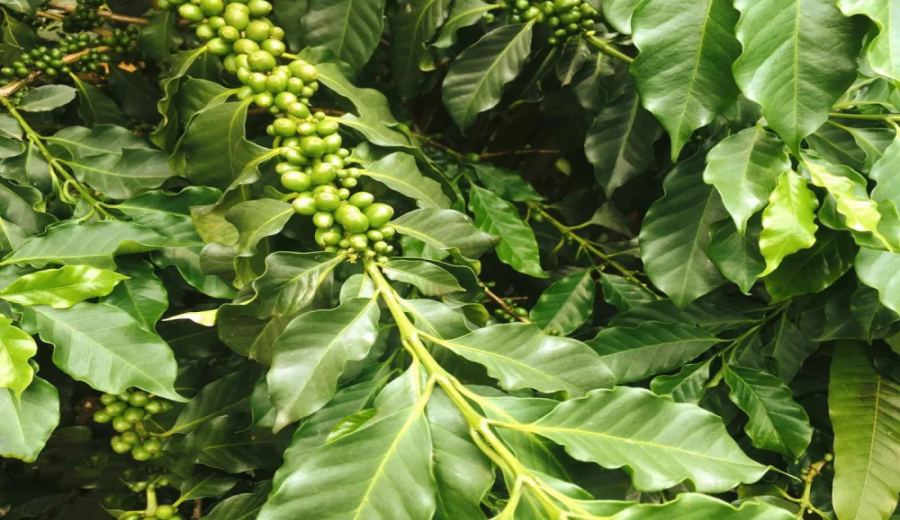
The so-called "small-bean coffee" actually refers to the Arabica species. The term "Yunnan small-bean" is primarily used to distinguish it from the medium-bean Robusta grown in places like Hainan. Currently, the most widely planted variety in Yunnan is Catimor, known for its strong disease resistance and high yield. However, in high-altitude regions such as Baoshan, a small number of old Typica and Bourbon trees can still be found. For example, some coffee brands’ "Yunnan everyday beans" mostly use Catimor, while more representative Yunnan beans are made from the more delicately flavored Typica.
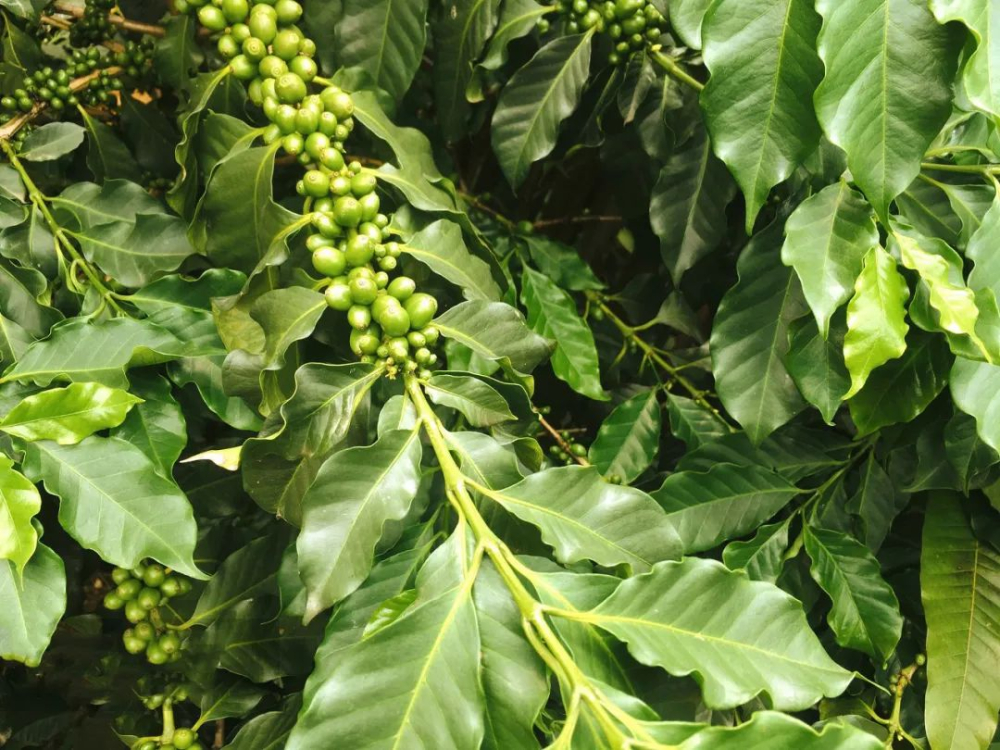
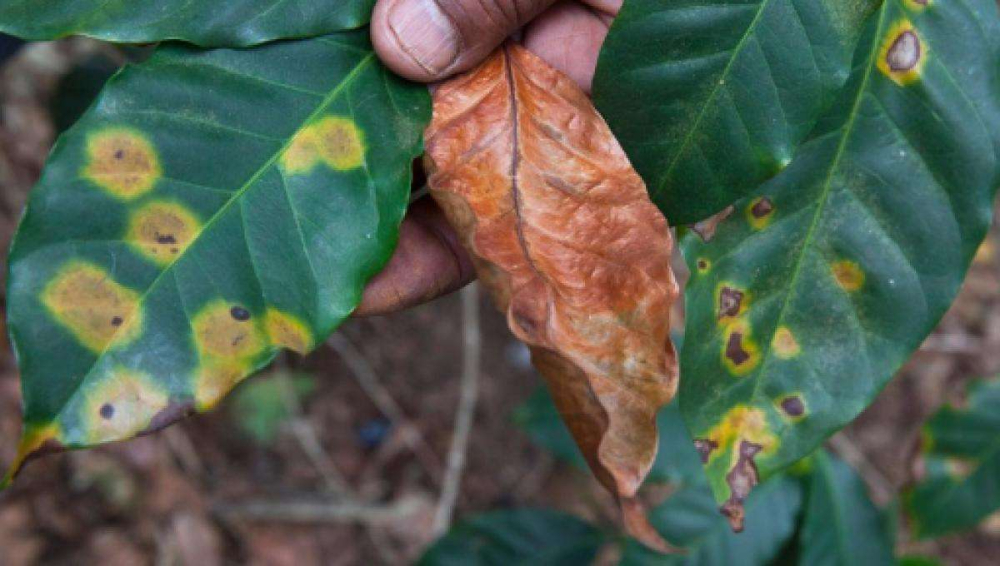
Looking back at history, coffee cultivation in Yunnan began in 1904 when French missionaries first introduced coffee seedlings. Research confirms that the variety planted at that time was indeed Typica. However, over time, due to Typica’s inherent susceptibility to leaf rust and its relatively low yield—making it less economically viable for farmers—it gradually fell out of the market. By the 1990s, driven by international brands like Nestlé, Yunnan began large-scale introduction of Catimor—a hybrid of Caturra and the Robusta variety Tim, with approximately 25% Robusta lineage in its genes.
Catimor’s greatest advantage lies in its strong disease resistance and adaptability, especially on slopes above 1,200 meters. Coupled with Yunnan’s fertile soil, ample sunlight, and significant diurnal temperature variation, it can grow steadily and achieve relatively abundant harvests. However, due to its Robusta genetic influence, although it retains some of Arabica’s acidity in flavor, its overall performance is often considered less refined than pure Arabica varieties—especially in cupping scores, where it struggles to match higher-end varieties like Caturra or Catuai.
In terms of processing methods, washed processing is one of the common techniques for Yunnan coffee. The steps include: first placing harvested coffee cherries in a water tank to remove unripe fruits and impurities using buoyancy; then using a pulper to remove the outer skin and most of the pulp; subsequently soaking the beans with mucilage in clean water tanks for fermentation, allowing the mucilage to naturally decompose and detach from the bean surface in an acidic environment; after fermentation, rinsing off residual mucilage with clean water, resulting in "parchment coffee" with its inner parchment layer intact; finally, drying the beans either in the sun or mechanically, depending on weather conditions, until the moisture content drops to around 12%, and then removing the inner parchment layer via a hulling machine to produce the familiar green beans.
Currently, some Yunnan coffee on the market employs special processing techniques, such as flavor-enhanced processing, to boost aromatic appeal. But from the perspective of savoring pure flavors, traditional washed and natural processing better highlight regional characteristics. For instance, some brands’ everyday beans mostly use washed processing to emphasize the presentation of natural regional flavors; while some premium limited editions, such as Typica from a self-owned estate in Lincang, Yunnan, use natural processing to enhance sweetness and fruity notes, delivering a richer and more layered profile.
In terms of flavor profile, Yunnan coffee generally has a neutral character, balancing acidity with body and bitterness. Therefore, medium roast levels are often chosen to balance the overall flavor spectrum. In cupping, some Typica from Yunnan’s high-altitude regions can exhibit a sweet-tart profile reminiscent of plums, accompanied by complex aromas of dried fruit, chocolate, and nuts, with a harmonious and layered overall expression. Additionally, it’s worth noting that after roasting, coffee beans require a 4 to 7-day resting period to reach their optimal flavor window. To ensure consumers enjoy the best possible coffee, many suppliers strictly control shipping times to guarantee that customers receive freshly roasted beans within five days of roasting.
For hand-brewing suggestions for Yunnan small-bean coffee, consider the following practical parameters: use a Hario V60 filter, a recommended dose of 15 grams, water temperature controlled at 90°C, grind size at approximately 75% passing through a 20-mesh sieve, and a coffee-to-water ratio of 1:15. The specific brewing process can follow a three-pour method: start by pouring about twice the weight of coffee grounds (approximately 30 grams) for the bloom, letting it degas for about 30 seconds to help release aromas; then pour water in fine streams from the center outward in a circular motion. When the total water volume reaches 125 grams, perform the first pour break. After the coffee bed slightly settles, continue pouring with the same fine stream up to 225 grams. Finally, wait for the dripping to finish. The whole process takes about two minutes, effectively extracting the coffee’s sweetness and layered flavors.
The above content is compiled by CoffeeHunters, a coffee news website.


