







Introduction:The Geisha, Catuai, and Caturra blend known as "Butterfly Flower" from Panama's Boquete region delivers captivating floral notes, citrus, and layers of berry flavors. This article delves into the advantages of its origin, variety characteristics, and offers expert pour over recommendations and roasting insights to help you fully appreciate the unique charm of this high-value specialty bean.
The Butterfly Flower coffee bean from Panama's Boquete region is a mid-to-high altitude blend beloved by coffee enthusiasts. Comprising 70% Geisha and 30% Catuai and Caturra, it is grown in the Baru Volcano area at around 1,600 meters above sea level. It boasts distinct floral aromas, citrus tones, and berry flavors, while maintaining a pleasant sweetness and lingering aftertaste, all at an exceptional price-to-quality ratio.
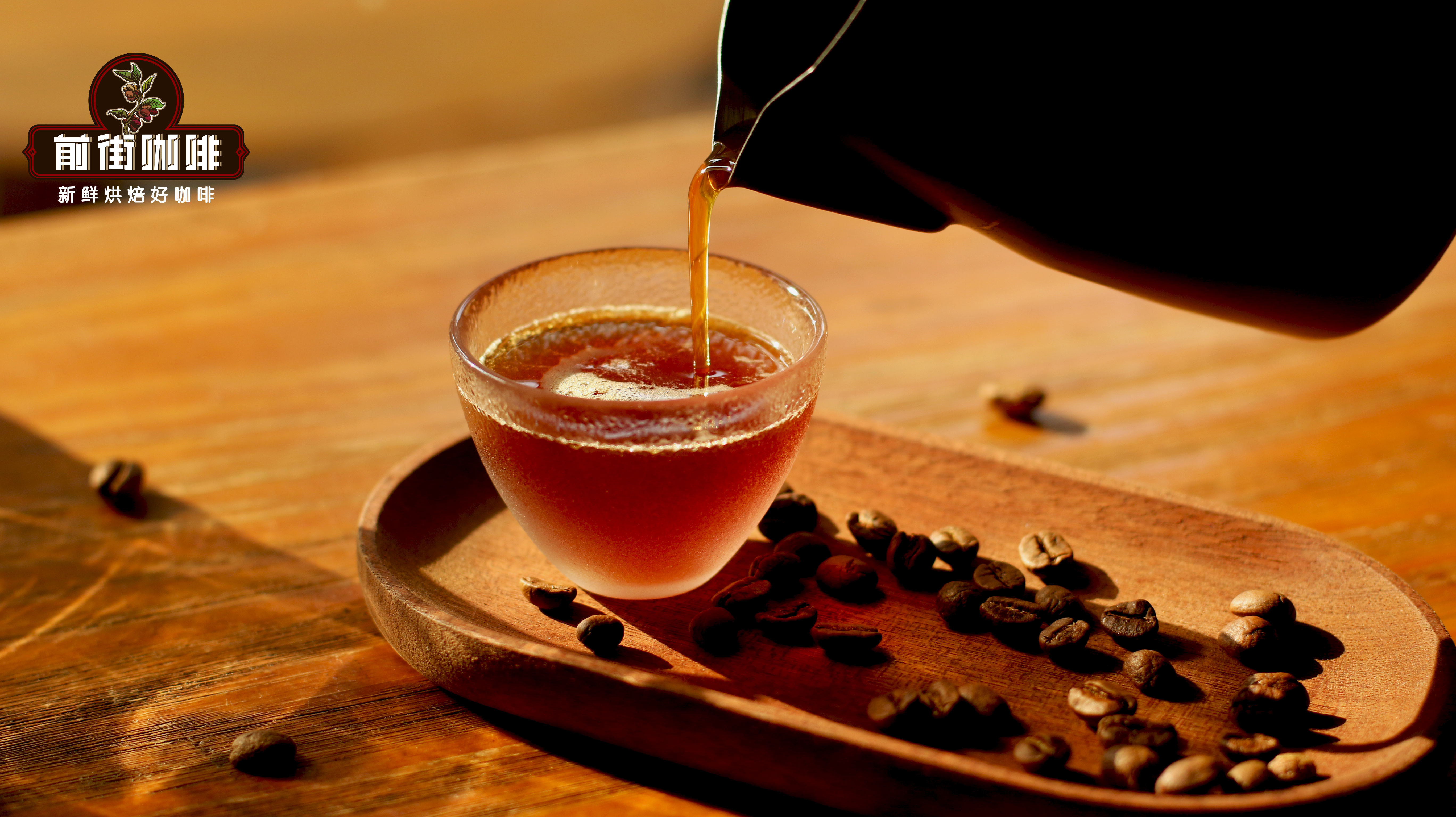
Many customers often ask: is there a coffee bean that is both approachable and offers specialty-grade performance? Beyond being a daily drinker option, baristas frequently recommend the Butterfly Flower from the Boquete region. Its dry aroma carries subtle floral notes, while the cup reveals clear citrus and berry flavors with a honey-like sweetness in the finish — leaving a lasting impression. When customers learn that this bean is actually a blend of Geisha with two other varieties, they often have an “aha” moment and better understand the source of its complex profile.
The Geisha variety (also translated as Artisia) was first discovered in Ethiopia in the 1930s, but it wasn’t until 2004, when Hacienda La Esmeralda from the Boquete region won the Best of Panama competition with their Geisha, that the variety gained international fame and was even hailed as the “top diamond of the coffee world.” Today, Panama’s Boquete has become almost synonymous with Geisha coffee, and the Butterfly Flower is a representative blend born from this terroir.
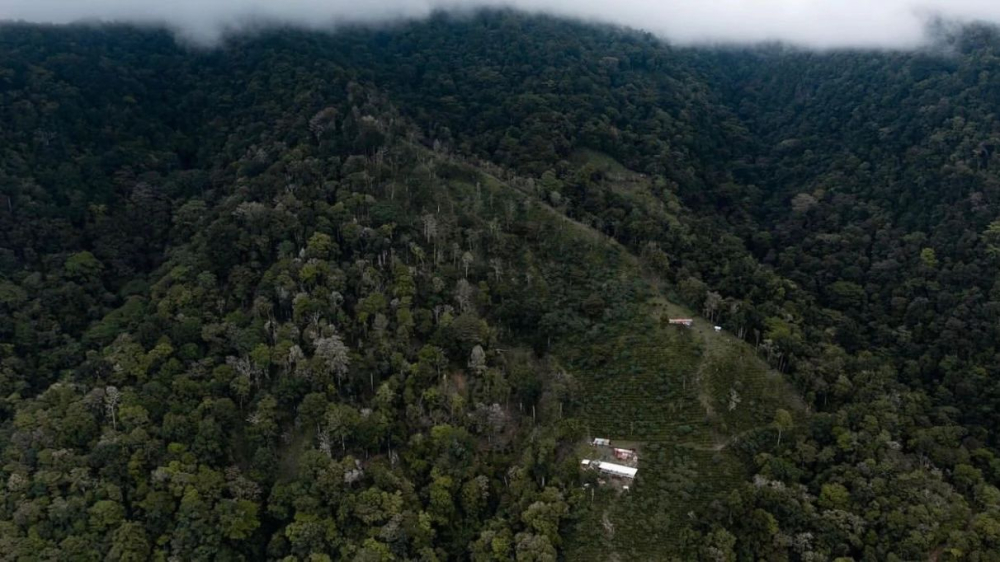
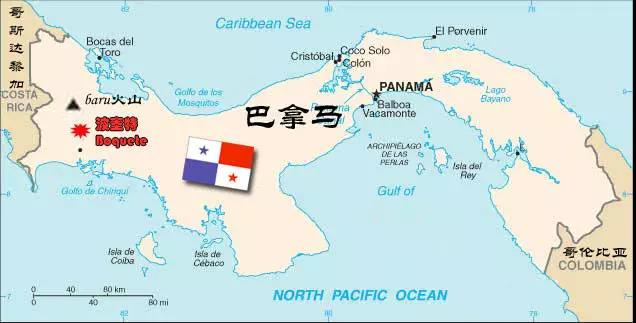
Panama is located in Central America, geographically adjacent to Costa Rica and Colombia. The country is mountainous and features diverse climates. Among these, the Boquete region lies in Chiriquí Province, near the border between Panama and Costa Rica, at the foot of the renowned Baru Volcano. The soil here is mineral-rich volcanic ash, complemented by high altitude and a microclimate with significant day-night temperature variations — creating ideal conditions for growing specialty coffee.
In addition to hosting world-renowned estates like Hacienda La Esmeralda, the Boquete region also includes other excellent producers such as Elida Estate and Duncan Estate. These farms generally produce coffees known for their bright acidity, layered complexity, and high clarity. Though Butterfly Flower doesn't come from a top-tier famous estate, it benefits greatly from this exceptional land and microclimate, showcasing unexpectedly outstanding quality.
What makes Butterfly Flower truly special isn't just the inclusion of the Geisha variety, but also its cultivation at high altitudes (around 1,600 meters) in the Baru Volcano region by local smallholder farmers using traditional methods. The beans are processed via the washed method, which ensures purity and layered flavor complexity. The region’s pronounced microclimate features abundant rainfall, large day-night temperature differences, along with meticulous harvesting and post-harvest processing — resulting in an outstanding balance between acidity, floral notes, and sweetness. The cup offers a tea-like delicacy upfront, followed by vibrant citrus tones, and a sweet-sour plum finish with honey-like aroma.
There is often confusion among consumers about whether Butterfly Flower is a blend. In fact, although it combines three varieties — Geisha, Catuai, and Caturra — they are all grown in the same region by the same group of smallholder farmers and are blended after harvest according to a set ratio. Therefore, it is technically still considered a "single-origin coffee bean." This explains how it manages to combine the delicate aromatics of Geisha with the stable performance of the other varieties, resulting in a harmonious and layered flavor profile.
The flavor profile of Butterfly Flower is distinctive: during the dry stage, clear floral aromas can be detected. After brewing, the cup offers a light tea-like mouthfeel with particularly prominent citrus notes. As the temperature cools, a sweet-sour plum character gradually emerges, with a sweet and lingering aftertaste. The overall profile is very balanced, making it ideal for coffee lovers who enjoy fruity and floral profiles.
For this unique varietal combination in Butterfly Flower, the roaster chose a medium-light roast to highlight the freshness and aromatic qualities distinctive to the Geisha variety. During roasting, a faster development curve was used to shorten the Maillard reaction time, preserving more small-molecule aromatic compounds. Given the beans’ naturally high density and hardness, a high heat was applied initially to rapidly remove moisture. Before first crack, the heat was moderated to slow the temperature rise, ensuring that once first crack began, the beans could develop adequately without compromising the elegant aromas typical of Geisha — such as white grape, caramel, honey, and black tea.
To fully experience the delicate flavors of Butterfly Flower, it is recommended to use the following pour over parameters: select a Hario V60 filter, maintain a water temperature of 91°C, use 15 grams of coffee, with a 1:15 coffee-to-water ratio, and grind size approximately equivalent to 78% extraction through a Chinese standard No. 20 sieve — similar in coarseness to granulated sugar. For the pouring technique, a pulse pour method is suggested: start with a 30-second bloom using 30 grams of water, then pour in small circles to reach 125 grams for the first pour. Once the water level drops, continue pouring to 225 grams and stop. Allow all the water to fully drain from the filter before removing it. The total brew time should be around 2 minutes. These parameters effectively highlight the sweetness and soft acidity of Butterfly Flower, though slight adjustments to water temperature or grind size can be made based on personal taste preference.
The above content is compiled by CoffeeHunters, a coffee news website.


