







Introduction:Have you ever seen names like Espresso, Ristretto, Latte, or Flat White on a café menu but weren’t sure which to choose? These are all members of the espresso family, differing in brewing methods, milk ratios, and flavor profiles. This article uses illustrations and detailed explanations to guide you through the preparation methods, standard ratios, and unique flavors of classic espresso drinks, while also providing practical tips to help you gain a deeper understanding of these common yet classic coffee beverages.
Walking into a café and facing a dazzling array of choices—Espresso, Ristretto, Lungo, Latte, Flat White, and more—many people often find it hard to tell the differences at first glance. In fact, these drinks all belong to the espresso family, with the main distinctions lying in how the espresso is extracted, whether or not milk or foam is added, the proportions used, and the final flavor and volume. This article will use text and visuals to start from the most basic espresso, then gradually introduce classic drinks including Americano, Flat White, Latte, Cappuccino, Espresso Con Panna, Mocha, Vienna, Macchiato, and Caramel Macchiato. We’ll analyze their brewing processes, commonly used ratios, and flavor characteristics, and include four diagrams to help you visualize the concepts.
 For those new to espresso, these technical terms can be confusing. Behind names like Espresso, Ristretto, Lungo, Latte, and Flat White are actually clear definitions and methods. This article will use charts and step-by-step explanations to help you grasp the features and differences of these common espresso drinks all at once.
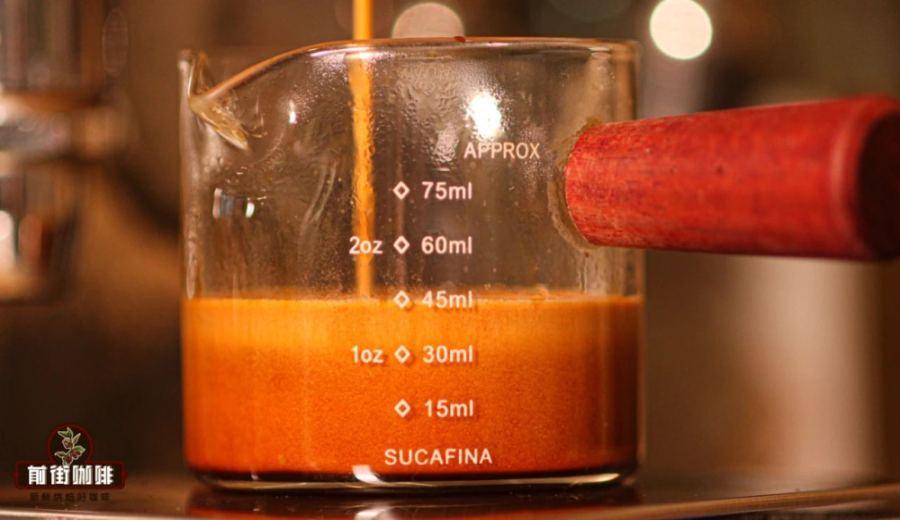
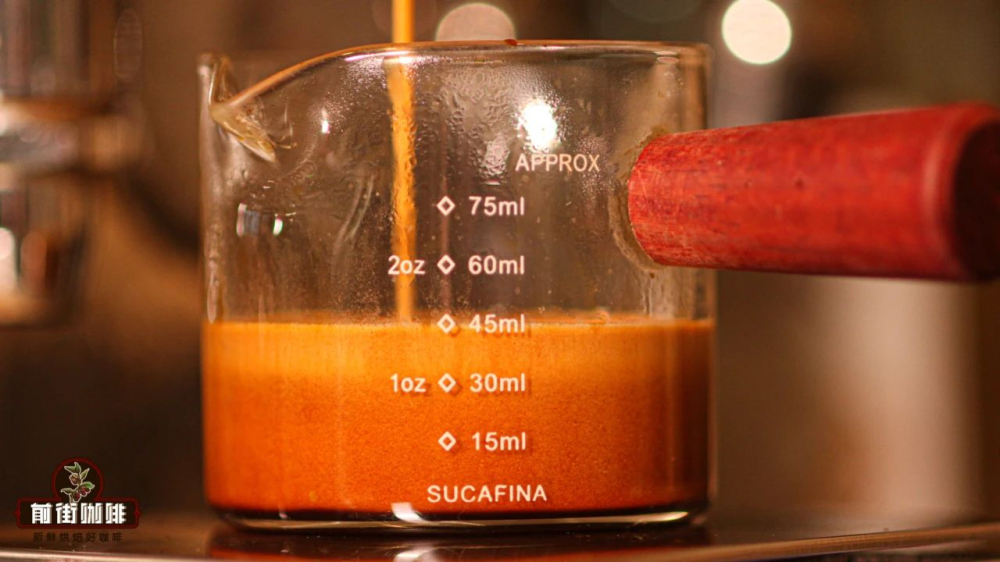
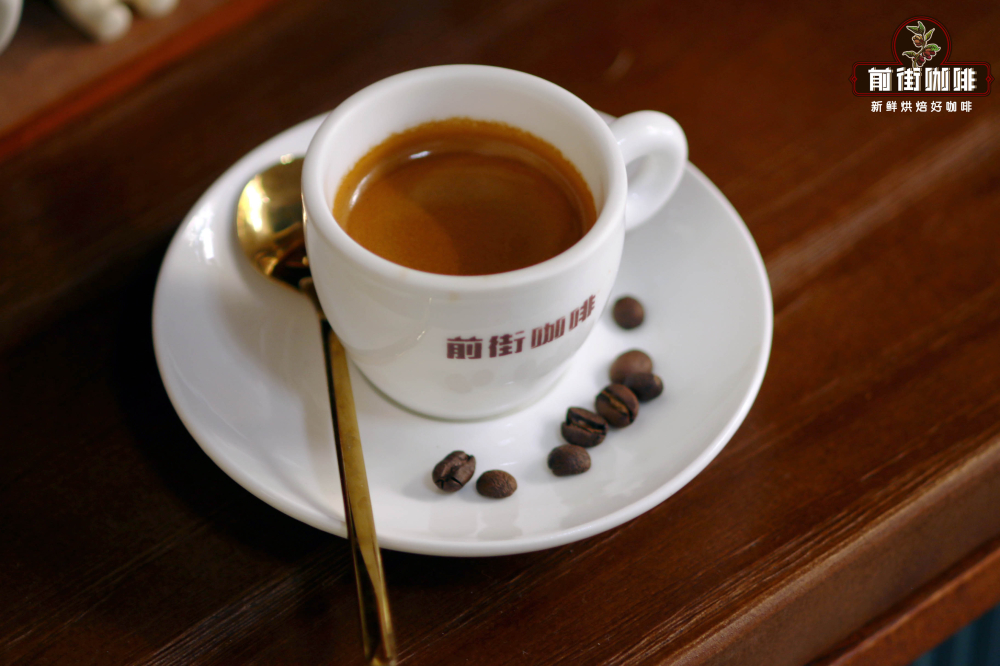
Espressois the foundation of the entire espresso family. It is made by forcing hot water through finely ground, tightly packed coffee under high pressure (about 9 atmospheres) in an extremely short time (usually 25–30 seconds), extracting a rich and flavorful coffee liquid. A standard double shot of espresso typically uses about 20 grams of coffee grounds to produce around 40 grams of espresso, topped with a layer of fine coffee crema. This crema is an important source of the espresso’s aroma and flavor. The industry reference ratio is 20 grams of coffee to 40 grams of liquid. The espresso itself has a strong flavor, with a slight caramel-like sweetness and a distinct richness. If the extraction is poor, drinks based on it will also be hard to perform well.
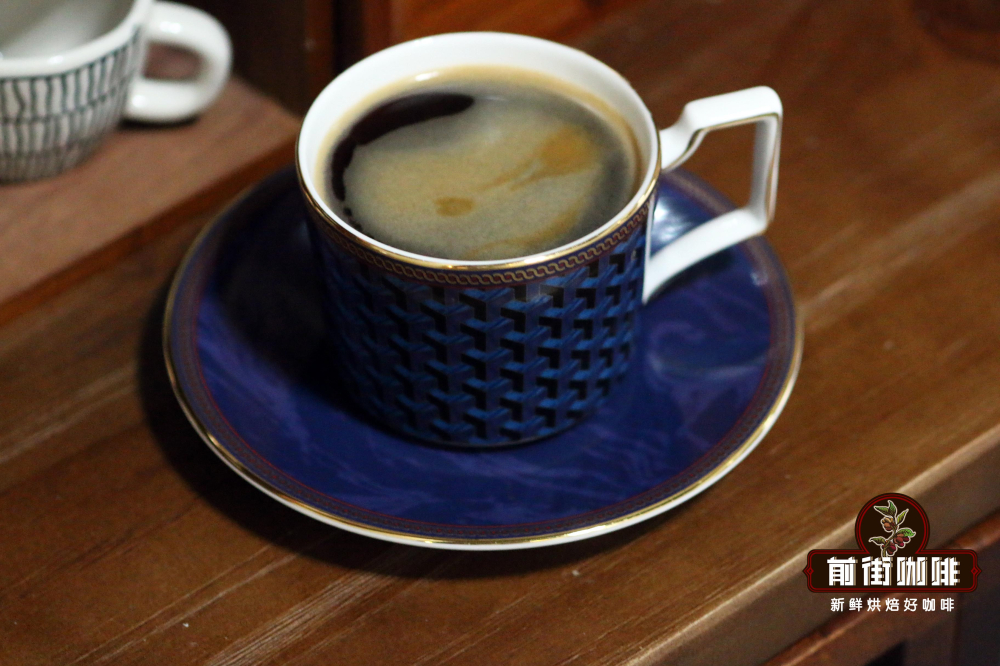
Americanois coffee made by diluting espresso with hot water. Legend has it that this practice originated during World War II when American soldiers, unaccustomed to the intense taste of espresso, added water to adjust it, eventually leading to today’s Americano. Compared to filter coffee, even when diluted with water, Americano retains the unique aroma and layers of espresso, offering a more concentrated flavor. The recommended standard ratio is 40 grams of espresso with 180 ml of hot water, totaling about 220 ml, with a coffee-to-water ratio of about 1:4.5. It’s suitable to enjoy with desserts or as a daily pick-me-up.
Flat Whiteis a coffee originating from Australia and New Zealand, often considered a more concentrated version of a Latte. Its defining feature is the use of less milk and thinner microfoam, resulting in a richer overall taste with a more prominent coffee flavor. Compared to a Latte, a Flat White has a smaller serving size, with microfoam about 0.5 cm thick, delivering a more direct coffee experience. The industry standard is to use 30 grams of espresso, paired with about 190 ml of milk and microfoam. This recipe emphasizes the balance between milk and coffee and is only available as a hot drink.
Latte (Coffee Latte)means “milk” in Italian and is a popular milky coffee. Its standard recipe consists of a double shot of espresso (40 grams), 260 grams of milk, and about 1 cm of foam, making it ideal for latte art with a balanced aroma of milk and coffee. With a higher proportion of milk, the Latte has a smoother texture and pronounced milkiness while still retaining the basic structure of coffee. It’s a favorite among beginners and can be adjusted in foam thickness to personal preference.
Cappuccinois one of Italy’s classic breakfast coffees, made up of espresso, steamed milk, and generous foam. The traditional ratio is 1:1:1—equal parts coffee, milk, and foam—resulting in a balanced taste, with the foam layer usually over 1 cm thick, offering a velvety texture and warm feel. The texture of the foam is key to a good Cappuccino; too thick or too thin can affect the overall flavor presentation.
Espresso Con Pannais a simple yet refined coffee consisting of espresso topped with whipped cream. The cream floats on top of the espresso and is meant to be drunk without stirring. The sweetness of the cream effectively softens the bitterness of the espresso, making it ideal for those who enjoy espresso but prefer a milder taste.
Cafe Mochacombines coffee, milk, and chocolate in a classic mix. Its recipe includes 40 grams of espresso, 20 grams of chocolate syrup, and 260 grams of hot milk, creating a beverage that offers the aromas of coffee, milk, and chocolate. There are also variations such as “white mocha” made with white chocolate, or “zebra mocha” that combines both types of chocolate.
Vienneseis one of Austria’s classic coffees, characterized by the addition of whipped cream and chocolate syrup on top of espresso. It is said to have been invented by a coachman and is often referred to as “one-horse carriage” coffee, combining richness with sweetness.

Macchiatoderives its name from the Italian word for “marked.” Originally, it referred to an espresso “marked” with a small amount of milk. When a customer wanted a touch of milk in their espresso, the barista would “mark” the surface with a spoonful of foam, creating a visible white dot. Today, a Macchiato typically consists of 40 grams of espresso with a spoonful of delicate foam, offering a flavor that lies between pure espresso and cappuccino—rich with a hint of milkiness.
Caramel MacchiatoAlthough the name includes “Macchiato,” it is actually unrelated to the traditional Italian version and is instead a signature drink from Starbucks. It uses a small amount of espresso (about 30 ml) as a base, combined with a large amount of milk, foam, vanilla syrup, and caramel sauce, totaling about 355 ml. It has a sweet taste and rich layers, making it a top choice for those who enjoy sweet coffee. Its preparation process is similar to a wet cappuccino or a latte with thick foam, but the flavor profile is distinctly dessert-like.
The above content is compiled by CoffeeHunters, a coffee news website.


