







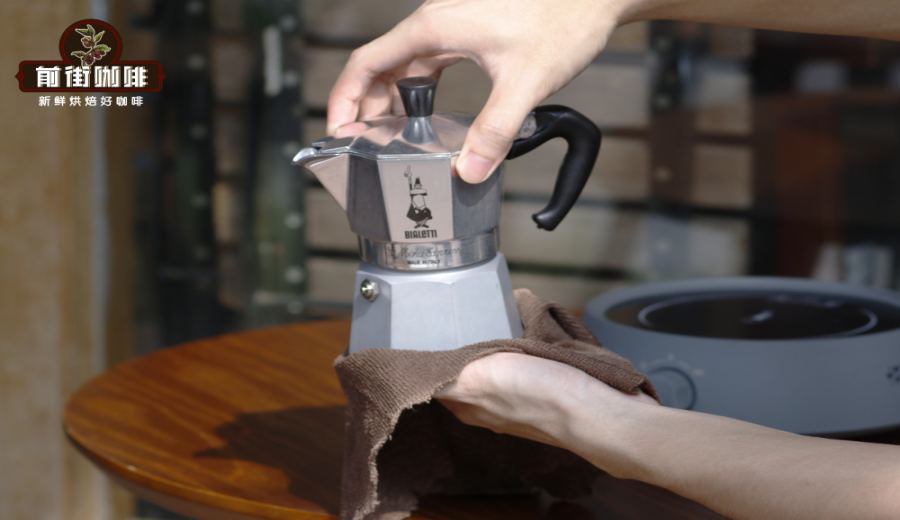
Introduction:The Moka pot is an essential tool in many coffee lovers’ homes, but brewing a cup of coffee with balanced flavors involves nuances—from bean selection, grind size, coffee-to-water ratio, to the timing of turning off the heat. This article delves into five key factors, including recommended coffee beans for the Moka pot, operational details, and common issues, helping you master the correct techniques to elevate your home brewing quality.
Although the Moka pot is a classic home brewing device with a seemingly straightforward operation process, many subtle details directly affect the final flavor of the coffee. This article focuses on five core aspects: how to choose the right coffee beans, what grind size to aim for, how to balance the coffee-to-water ratio, when to turn off the heat to avoid bitterness, and whether it’s advisable to open the lid during brewing. Additionally, three top-performing coffee beans are specially recommended, along with drinking suggestions after brewing. Whether you’re a beginner or an experienced coffee enthusiast, you’ll find practical insights here.
Recently, a reader shared their newfound passion for making coffee with a Moka pot, especially enjoying that rich-flavored morning cup. However, they were unsure if their technique met the standard and sought further advice. In fact, the Moka pot is a relatively user-friendly tool—you don’t have to be bound by overly complicated rules. Just master a few key points, and the rest can be fine-tuned to your personal preference.
1. Recommendations for Coffee Bean Selection
The final flavor profile of the coffee is closely related to the bean variety and roast level. It’s generally recommended to choose medium-dark to dark roasted beans, as too light a roast can result in pronounced acidity and a more intense, potentially harsh taste. Below are three coffee beans that have performed well in testing for your reference.
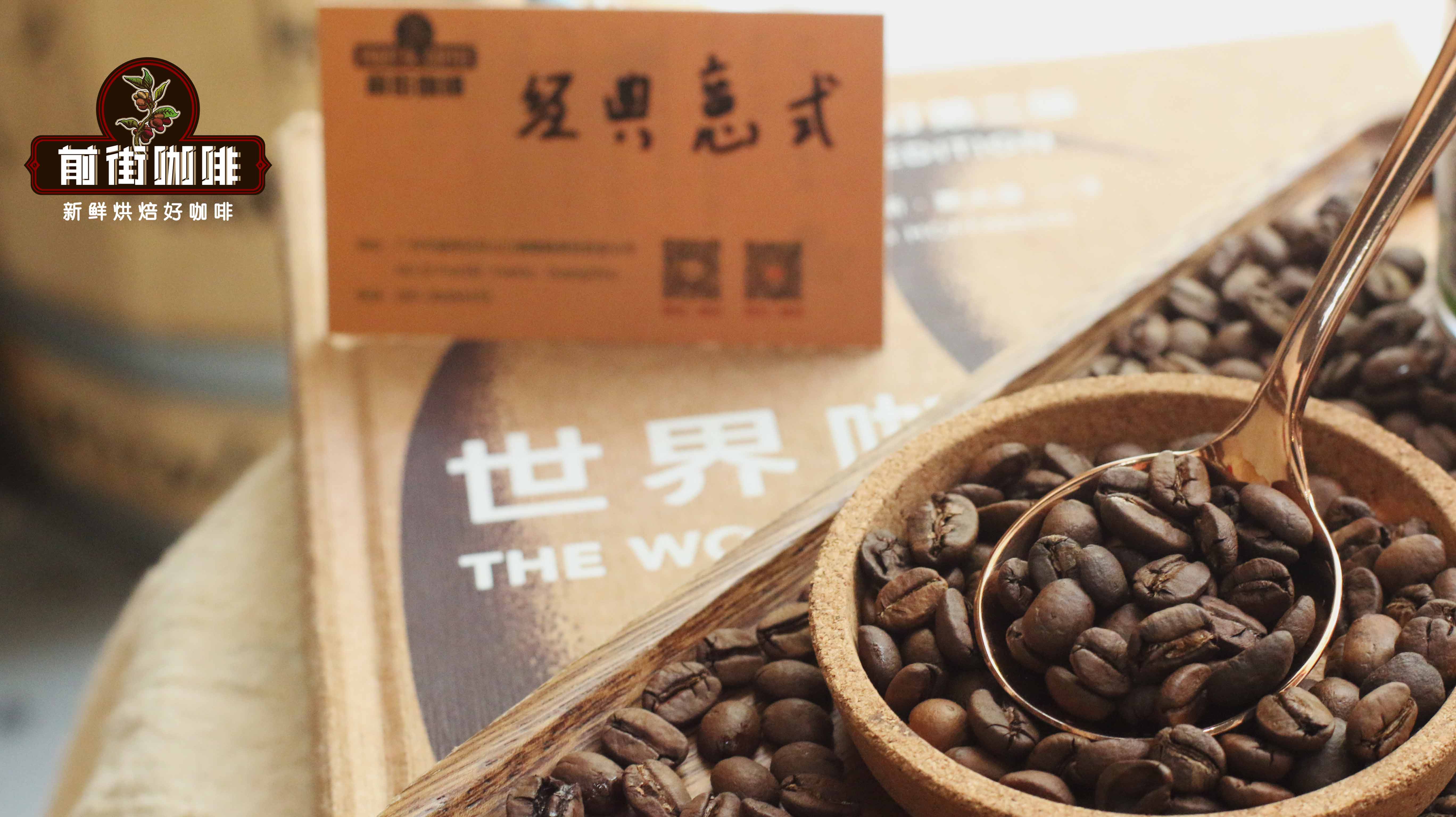
The first is the “Classic Italian Blend,” composed of Brazilian, Mandheling, and Vietnamese beans. It delivers flavors of rich dark chocolate, toasted bread, roasted nuts, and caramel, along with a generous crema—making it ideal for making lattes with latte art. The second is the “Brazilian Queen Estate Yellow Bourbon,” medium-roasted to highlight sweet cane sugar notes, performing well both black and with milk. The third is the “Indonesian PWN Golden Mandheling,” produced by Pawani Company, known for the classic bold and full-bodied Mandheling character, with high clarity—suitable for those who prefer intense, bitter-sweet profiles.
2. Grind Size Control
The grind size of coffee for the Moka pot is critically important. If the grind is too coarse, water passes through too quickly, leading to under-extraction; if too fine, it can cause channeling, where water rushes through too fast, resulting in a burnt, bitter taste. Excessive pressure may also force coffee out through the safety valve. The ideal particle size is around 0.3 to 0.55 millimeters—visually similar to espresso grind, but actually slightly coarser than typical espresso grind.
3. Coffee-to-Water Ratio Setting
Many users often ask how much water and coffee to use. The key lies in your Moka pot’s capacity. Observe the position of the safety valve on the lower chamber—it’s best not to fill the water above this valve, usually stopping just below it. As for the coffee dose, fill the basket to capacity, ensuring the coffee bed is level and free of gaps. Note that the Moka pot requires moderate tamping of the coffee grounds, which differs from the method used for espresso machines.
4. Judging the Right Time to Turn Off the Heat
During heating, it’s recommended to use medium heat to maintain a stable source. When you hear a “wuu wuu wuu” steam-like sound, you can lift the lid to observe. The moment you see the first drop of coffee liquid spraying from the upper chamber, it’s time to turn off the heat. Continuing to use high heat, or waiting until the coffee starts boiling vigorously before turning off, can lead to burnt flavors that negatively impact the overall taste.
5. Should You Open the Lid to Observe?
Some tutorial videos keep the lid open throughout to show the coffee gushing out, but this isn’t recommended for actual brewing. If you’re worried about judging the right time to turn off the heat, you can occasionally lift the lid to check the coffee flow—but keeping it open the whole time risks hot coffee splashing out and causing burns.
The brewed coffee can be adjusted to suit personal taste. For example, mix it with about 80°C hot water at a 1:4 ratio to make a strong Americano, or combine it with hot milk in the same proportion, stir well, and enjoy a Moka pot-style latte.
The above content is compiled by CoffeeHunters, a coffee news website.


