








Introduction:Dive deep into the Ethiopian Guji Hambella region’s Huaca 4.0 natural-processed coffee beans. From the region’s background and variety traits to pour over brewing techniques, this article offers a comprehensive breakdown of this specialty coffee renowned for its intense berry and creamy aromas. Practical V60 three-stage pour over parameters are provided to help you precisely balance citrus acidity with berry sweetness.
Ethiopia is hailed as the genetic treasure trove of coffee, and within the Guji region, the Hambella micro-region has emerged on the international stage thanks to an outstanding natural-processed coffee bean. This coffee, named “Huaca” by Chinese importers, captivated many coffee lovers with its standout strawberry and creamy notes. A well-known coffee brand personally visits the Bukka Abel washing station in Buku to source the season’s Huaca every year, thoroughly analyzing its appeal from variety, processing method, roasting, to pour over extraction. Below is a detailed introduction to the regional characteristics and natural processing of Huaca 4.0, along with a three-stage HARIO V60 pour over guide to help you consistently brew this coffee’s enchanting citrus acidity and berry sweetness at home. To brew a cup of coffee with exceptional flavor, aside from origin and variety, the green bean processing method is key. The processing method not only lays the foundation for the coffee’s base flavors but also enhances its most captivating traits. Take Ethiopia for example—washed processing highlights Yirgacheffe’s bright citrus and lemon notes, creating its distinctive “Yirgacheffe taste”; whereas natural processing endows Huaca with rich strawberry and creamy aromas, setting it apart among countless coffees.
In Ethiopia, coffee is not only a vital cash crop but also an essential part of the culture. Approximately one-fifth of the country’s population benefits directly or indirectly from the coffee industry, which not only creates jobs but is also a major source of foreign exchange. In 2017, the country produced about 470,000 tons of green coffee beans, with roughly 160,000 tons exported, showing that coffee is also an important daily beverage for Ethiopians. “Buna tetu” is the local phrase for “drinking coffee,” while the proverb “buna dabo naw” directly conveys the deep sentiment that “coffee is our bread.”
Ethiopia’s coffee regions can be divided into eight major zones: Limu, Sidamo, Yirgacheffe, Harrar, Djimmah, Lekempti, Gedeb, and Guji. Among them, Sidamo is renowned for its diverse flavor profiles, thanks to its complex terrain, varied microclimates, and abundant native varieties. The region’s landscape encompasses highlands, plateaus, valleys, and plains, with well-draining volcanic soils that are deep and conducive to coffee growth. Sidamo is located at the southern edge of the Ethiopian Highlands, at elevations ranging from about 4,600 to 7,200 feet, bordering Kenya, and its coffee is widely loved for its typically prominent sweetness.
Ethiopia’s coffee regions are subdivided into multiple administrative areas, from largest to smallest: Region, Zone, Woreda, and Kebele, corresponding to what we commonly know as province, city, district, and neighborhood. Huaca 4.0 is produced in the Guji Zone of the Sidamo Region, more precisely within the Hambella Kebele under the Shakiso Woreda. Nowadays, when people mention Hambella, many immediately think of Huaca, highlighting its influence.
The Guji Zone was originally part of Sidamo, but due to its unique geographical conditions and flavor profile, it was officially designated as an independent region by the ECX (Ethiopian Commodity Exchange) in 2010. Hambella is one of the most notable micro-regions within Guji, with an average elevation exceeding 1,800 meters, making it one of the highest-altitude coffee sub-regions in Ethiopia. The coffee here often possesses distinctive regional characteristics and exhibits highly layered flavor expressions.
 Hambella is located within the Guji Zone, facing Kochore of Yirgacheffe across the mountains, with an elevation as high as 3,200 meters, forming a natural geographic barrier. It borders other Guji sub-regions such as Shakiso, Uraga, and Kercha, and is one of the highest-altitude coffee-growing areas in Ethiopia. Currently, the region has nearly 20 processing stations of varying sizes. Among them, the Bukka Abel washing station under DW Company gained recognition when one of its natural beans won the Ethiopia National Taste of Harvest Competition in 2017. This bean, named “Huaca” by Chinese importers, showcases intense strawberry and creamy aromas.The Huaca series coffee beans are produced by smallholder farmers from the Shilasso Cooperative near the Dara Woreda in the Sidamo Region. Established in 1976, this cooperative is part of the SCFCU (Sidamo Coffee Farmers Cooperative Union), the second-largest cooperative organization in Ethiopia, which comprises 46 member cooperatives. The popular Huaca 4.0 sourced annually by a certain well-known coffee brand all comes from the Bukka Abel washing station, which is also one of the most beloved versions in the Huaca series.
Huaca 4.0 is produced in the Hambella micro-region of the Guji Zone, Sidamo Region, Ethiopia. The processing station is Bukka Abel, with a planting altitude of up to 2,350 meters and the Dega variety, processed using the natural method. The name of the Dega variety has various explanations—one suggests it’s named for its roasted aroma resembling a certain kind of firewood, while another claims “dega” in Amharic means highland and shade, and Dega is commonly found in high-altitude areas. Though it hasn’t ranked in the top 14 of the Cup of Excellence, its potential has drawn significant attention.
The Hambella region is located within Guji, administratively under the Oromia State, bordering Kochore of Yirgacheffe to the west, and adjacent to other Guji sub-regions to the east, south, and north. It is one of the country’s highest-altitude coffee-growing areas. The region hosts nearly 20 processing stations, with the Bukka Abel washing station known for producing high-quality natural beans. The village of Bukka Abel, where the washing station is located, sits at an elevation of about 2,200 meters. The coffee is grown in red-brown soil rich in humus, shaded by Enset trees, which contribute to the unique flavor character of Huaca.
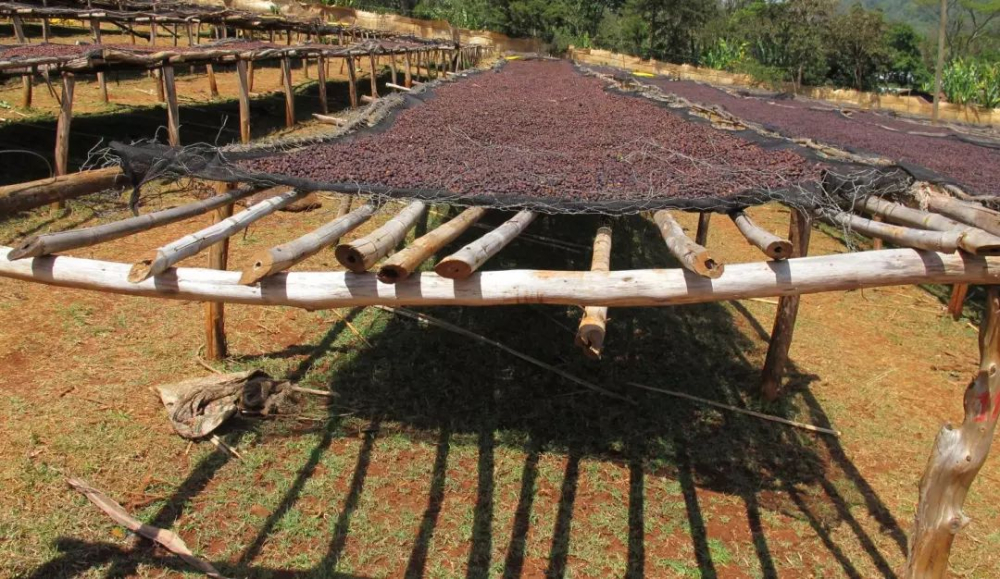
The coffee harvest period at the Bukka Abel washing station runs from December to January each year, with only red cherries of 30+ sugar content selected for natural processing. During the first two days of drying, workers maintain appropriate moisture levels in the fruit to promote fermentation. The high-altitude environment helps control fermentation temperature, avoiding unwanted off-flavors from over-fermentation. Throughout the entire natural drying process, workers strictly control the layer thickness and continuously turn the cherries to ensure even drying and ventilation, thereby precisely managing the fermentation level and creating Huaca’s distinctive sweetness and fruity aroma.
Natural processing is the most traditional coffee processing method, where harvested coffee cherries are directly sun-dried until their moisture content drops to a level suitable for storage. The process requires constant turning to ensure even drying and avoid uneven fermentation or absorption of unwanted odors. The advantage of the natural method is that it retains the pulp layer, increasing sweetness and flavor complexity, but it is also more prone to defective beans and the beans’ appearance tends to be less uniform.
 When using the HARIO V60 dripper for pour over, it’s recommended to use 15 grams of coffee, a 1:15 coffee-to-water ratio, a water temperature of 90°C, and a medium-coarse grind (about 80% passing through a standard Chinese No. 20 sieve). The V60 dripper’s design allows smooth airflow and relatively fast flow rate, so a three-stage pouring technique is suggested to improve extraction consistency and avoid over-extraction or under-extraction.
For the pour over steps, start with the bloom. Pour about twice the amount of coffee grounds (around 30 grams) and let it bloom for about 30 seconds. This helps release CO₂ and prepares the coffee for subsequent extraction. Bloom gently and observe the flow rate to avoid under- or over-pouring that could affect flavor. Next, proceed to the second and third pours, adding water in small circles to reach 125 grams and then 225 grams. Maintain steady water flow and even saturation of the coffee bed. Finally, remove the dripper just before the water level drops to expose the coffee bed. Total brew time should be around 2 minutes.
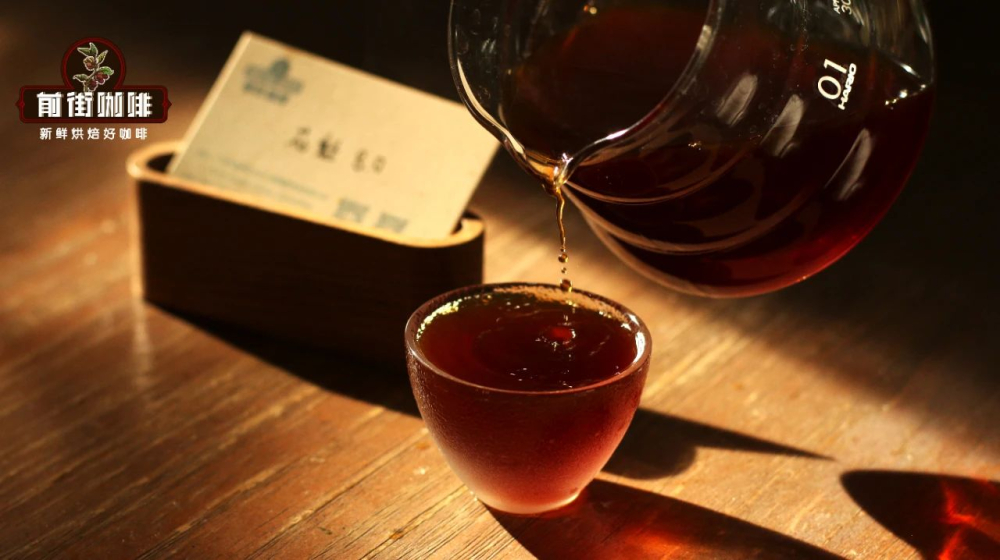
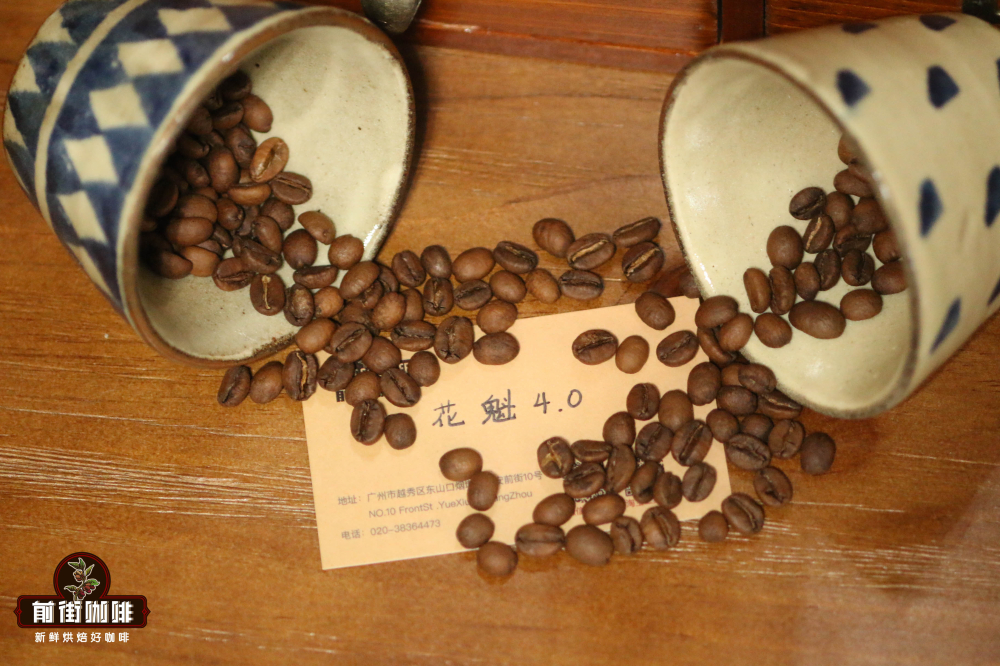
In summary, Huaca 4.0 coffee beans showcase intense citrus acidity, rich berry juiciness, and a tea-like note reminiscent of lemon black tea, with a long-lasting, layered sweetness. As long as you master the right processing method, roast level, and pour over parameters, you can easily recreate this classic Ethiopian Hambella micro-region natural flavor at home.
The above content is compiled by CoffeeHunters, a coffee news website.


