







Introduction:Want to delve deeper into the charm of Colombian Huila coffee? This article systematically analyzes the flavor profiles of renowned regions such as Huila and Cauca—from regional geography and microclimates to variety characteristics—and provides a detailed breakdown of the differences between washed and specialty processing methods. It also offers practical medium-to-dark roast recommendations, three-stage extraction parameters for KONO/V60 filters, as well as precise grind size and water temperature settings, guiding you from theory to practice in mastering the brewing techniques of high-quality Colombian coffee.
As the global leader in washed Arabica bean exports, Colombia is famed for its richly balanced flavors and diverse regional characteristics. Through regional grading, varietal evolution, and hands-on roasting insights, this article takes you on an in-depth exploration of the unique terroirs of specialty regions like Huila and Cauca, while focusing on the complete processing chain of four representative beans—washed Huila, Rose Valley, Geisha, and Pink Bourbon—from green bean selection to cup performance, delivering a brewing blueprint that combines scientific basis with practical value.
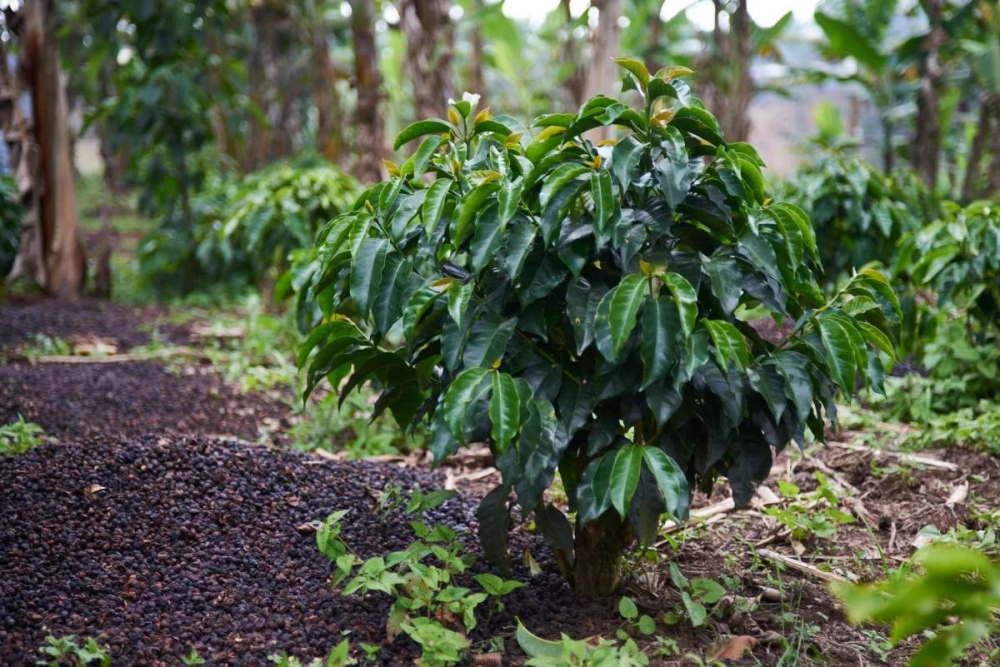
The success of Colombian coffee is built upon its uniquely advantageous geographical conditions:590 municipalities, 14 coffee-growing zonesform an 875,000-hectare cultivation landscape, of which75% of production is exported overseas, contributing 10%–16% of agricultural GDP. Notably, over 60% of coffee farms are smaller than 1 hectare, and this family-run model ensures meticulous care for every bean—from handpicking ripe fruit to using banana trees for shade to regulate microclimates—resulting in low pesticide residue and high flavor concentration.
Take Huila Province as an example: located in the central mountain range along the southern border, its elevations generally exceed 1,500 meters, and the waters of the Magdalena River tributaries provide ample moisture, nurturing the nutty and dark chocolate base characteristic of the Caturra variety. Practical roasting curves show that by taking into account bean density and screen size uniformity,starting boiler temperature at 185°C with fan setting at level 3, when transitioning to the drying phase with fan at level 5 and heat at 80, it’s crucial to monitor the bean surface color change point at 192°C; untilfirst crack starts at 9’15” and continues for 3 minutes, finally dropping the beans at 202°C, which can enhance the caramel aroma layers.
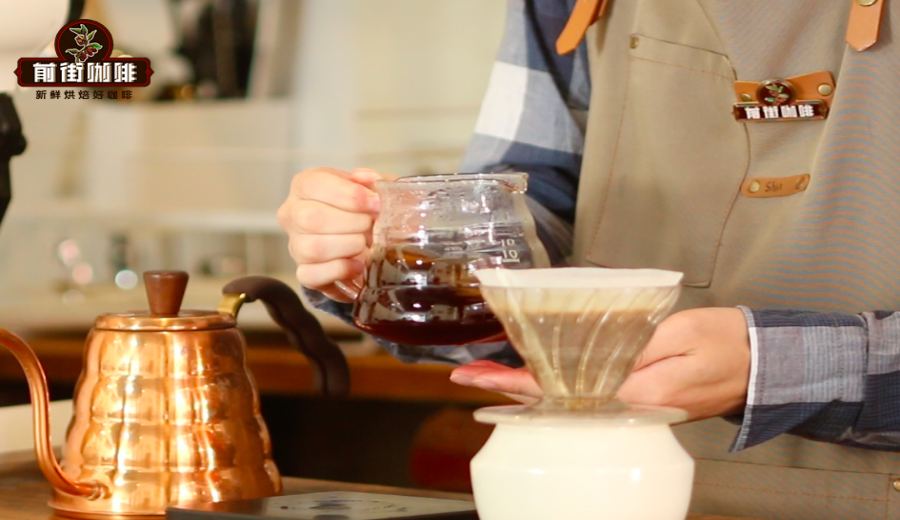
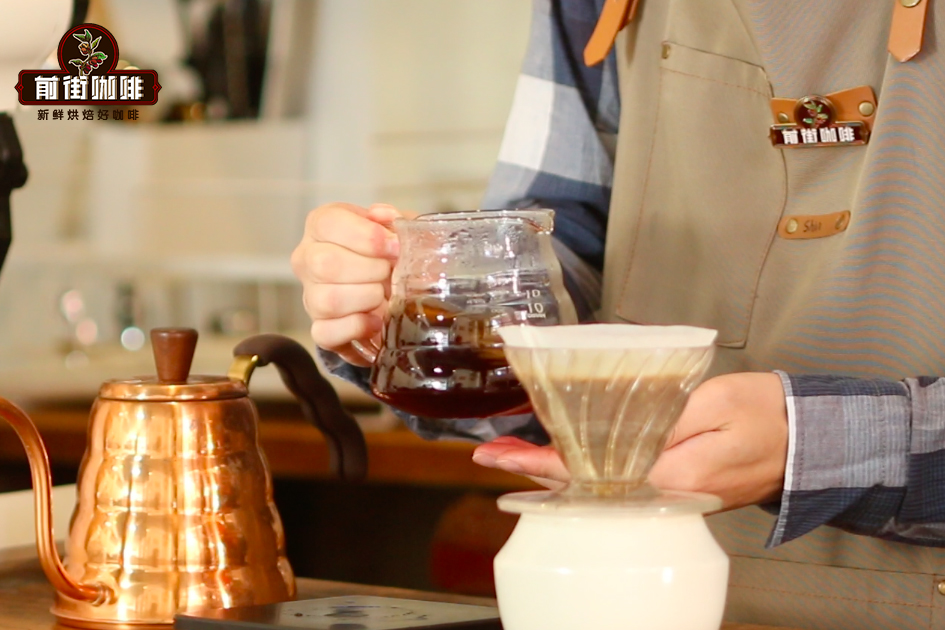
For pour-over practice, using a KONO filter with15g of coffee, 86–87°C water temperature, and a 1:15 coffee-to-water ratio, it’s recommended to employ a three-stage pouring method: “30g bloom → 125g first pour → 225g final pour,” keeping the total brew time within 2 minutes. These parameters effectively highlight the balanced profile of Huila beans—initially offering bright notes of dark chocolate and nuts, gradually releasing soft fruit acidity and caramel undertones as the temperature drops.
Cauca Province, as Colombia’s officially certified origin, boastsan average elevation of 1,758 meters and a single-peak rainfall pattern, shaping the uniquely high sweetness and acidity tension of the Pink Bourbon variety. Its roasting strategy leans toward medium-light levels, utilizinga temperature curve starting at 165°C and reducing heat to 60 at 176°C, preserving the hardness of the beans to bring out floral and citrus notes. When brewing, switch to a V60 filter,using 90°C water and 80% 20-mesh grind, also executing the three-stage pour, to amplify bright flavors like peach and grapefruit, with aftertastes lingering with the smooth textures of roasted almonds and cocoa.
Pro tip: The processing method for Colombian coffee is predominantly refined washed, where farmers use small Ecomill equipment to complete pulp removal and fermentation de-sticking with minimal water. Special batches like Rose Valley, however, employ anaerobic double enzymatic washed processing, requiring higher water temperatures (90–92°C) and slightly coarser grinds (80% pass-through rate) to balance the intensity of fermented aromas. Additionally, regional microclimate differences are significant—Villa Province’s foggy and humid conditions favor berry-toned development, while Santander’s lower elevations present richer herbal notes. Adjust brewing parameters based on your flavor preferences.
The above content is compiled by CoffeeHunters, a coffee news website.


