







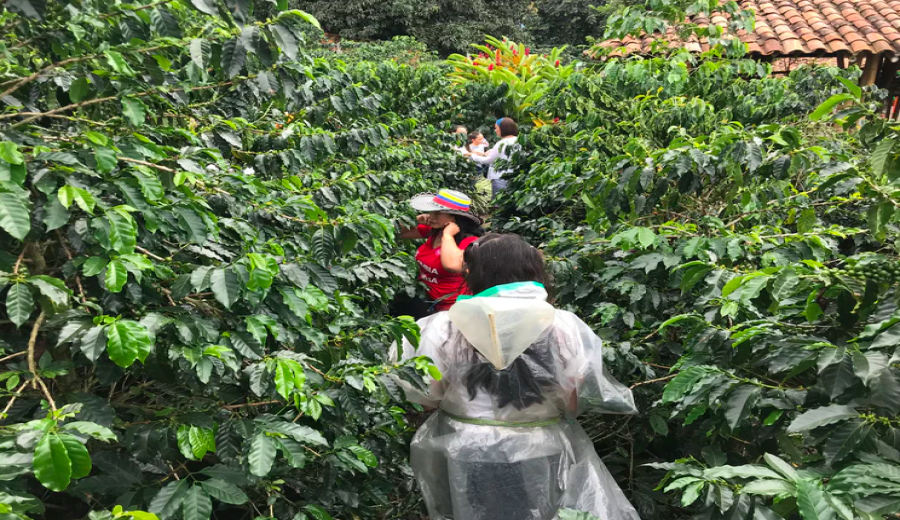
Introduction:Colombian coffee is renowned for its unique richness and fruity notes, making it a popular choice for many beginners entering the world of coffee. This article delves into the main Colombian coffee-growing regions such as Huila and MAM, exploring their altitudes, varietal characteristics, and flavor profiles. It also introduces the performance of the classic Caturra variety to help you better understand how to select and brew a high-quality Colombian coffee bean.
Located in the northwest of South America, Colombia’s unique geographical environment—high altitudes and fertile volcanic soil—has established its significant position in the global Arabica coffee market. Unlike Brazil, where flat terrain often leads to relatively one-dimensional coffee flavors, Colombian coffee typically showcases a depth reminiscent of dark chocolate and a sweetness akin to caramel, making it a classic origin in the hearts of many coffee enthusiasts.
Colombian coffee cultivation can generally be divided into two major categories: commercial bulk production areas and specialty coffee micro-regions. Among them, the three most famous regions—Medellín, Armenia, and Manizales—are collectively known as the “MAM” triangle. The coffee produced in these areas commonly features a rich dark chocolate base note accompanied by distinct caramel sweetness, catering well to those who prefer bold flavors.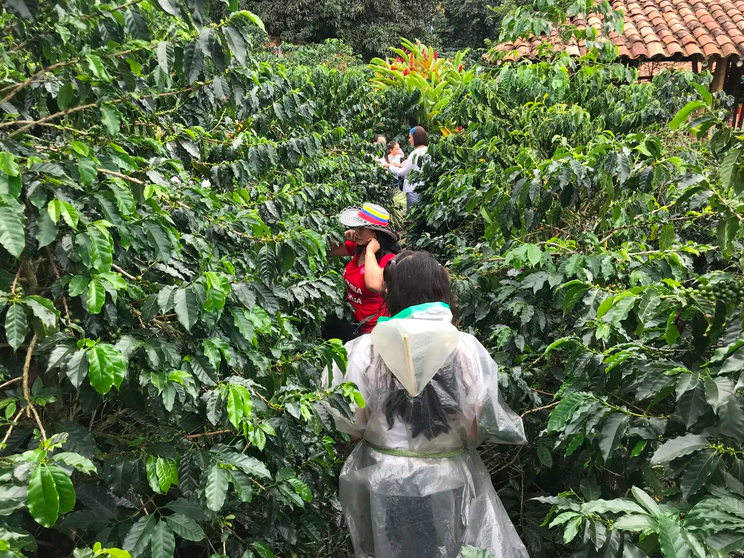
When further exploring the sources of specialty coffee beans, they are mostly concentrated in southern mountainous regions above 1,500 meters in altitude, including San Agustín in Huila Province, Popayán in Cauca Province, Nariño, and Tolima, among others. These high-altitude regions, due to significant diurnal temperature variations and slower growth rates, allow coffee beans more time to accumulate flavor compounds. As a result, cuppings often reveal delicate fruit acidity, berry aromas, along with soft caramel and chocolate aftertastes.
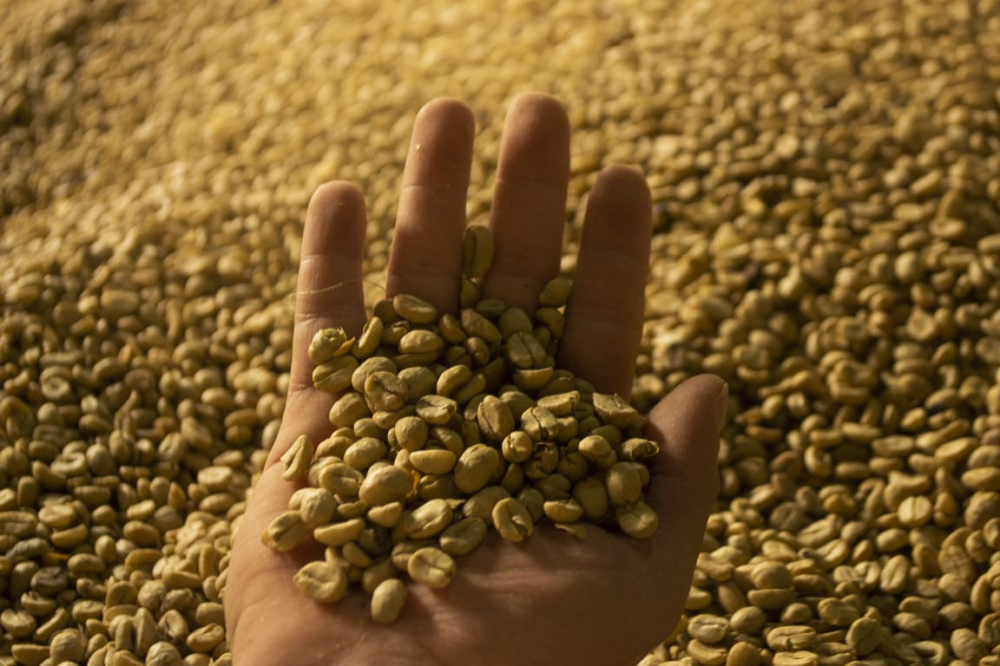
When talking about Colombian specialty coffee, one cannot overlook the Huila region. Located in the southwestern part of Colombia, it is one of the country’s important coffee-growing belts, accounting for approximately 12% of the nation’s total production. Within Huila, there are several well-known micro-regions, with some small areas even developing into distinctive brands in the market based on their locality names. If you want to experience the flavor characteristics of high-altitude specialty beans from Colombia, selecting a coffee bean with stable processing and clear flavor is a good entry point. For example, a common recommendation is a Huila region coffee bean that undergoes washed processing and medium-to-dark roasting, which typically exhibits a harmonious profile of nuts, dark chocolate, and caramel.
Currently, the most widely cultivated and popular coffee varieties in Colombia include Caturra, the Colombia variety (developed by local agricultural research institutions), Castillo (the Colombian version of Catimor), and a small amount of the higher-priced Geisha. Among them, Caturra is a natural mutation of the Bourbon variety, offering many advantages suitable for both commercial and specialty cultivation: it does not require shade, has a shorter plant height for easier harvesting, produces high yields per plant, and most importantly, its flavor profile is quite close to that of Bourbon, with a good balance of sweetness and fruit acidity, making it very suitable for beginners to enjoy.
Taking the commonly recommended washed Huila coffee bean as an example, its detailed parameters are as follows: the producing region is Huila, Colombia, with an altitude ranging between 1,500 and 1,800 meters. The variety used is Caturra, and the processing method is traditional washed processing, which helps preserve clean acidity and clear floral-fruity notes. In actual tasting, this coffee often presents a solid nuttiness, the intensity of dark chocolate, and a soft caramel sweetness, with fruit acidity that is mild and non-irritating. Overall, it achieves a high level of balance, making it highly suitable as either a daily drinker or a standard bean for practicing pour over.
For coffee enthusiasts who enjoy pour over, it is recommended to try using a medium-fine grind (such as the medium grind level suggested by the dripper), with water temperature controlled between 90 and 93°C, using a coffee-to-water ratio of 1:15 to 1:16, and performing extraction through a pulse pouring method. This approach helps fully extract the delicate flavors accumulated by the Caturra variety in the high-altitude environment of Huila. Mastering these basic parameters will allow even beginners to easily brew a well-balanced coffee that represents the character of Colombia.
The above content is compiled by CoffeeHunters, a coffee news website.


