







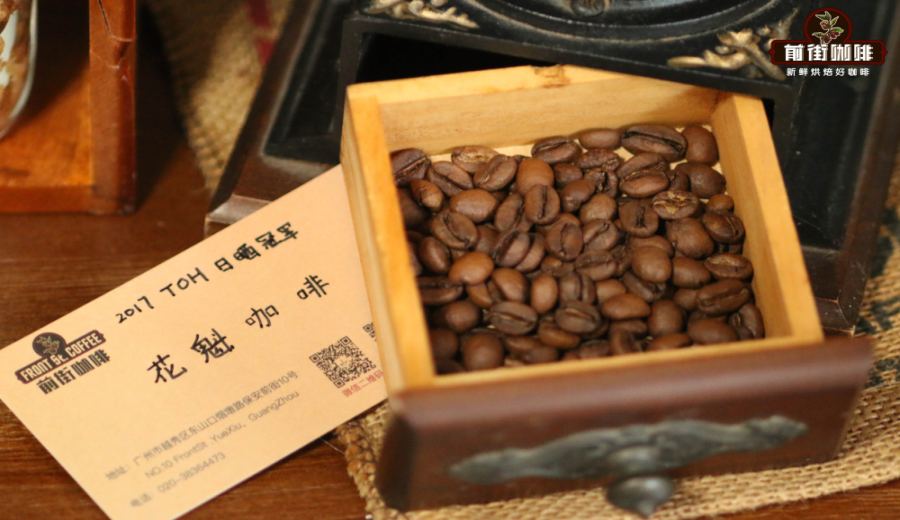
Introduction:This article delves into the background of the coffee beans used in Luckin Coffee’s best-selling “Hua Kui 5.0 Dirty,” including the origin of its name, the evolution of its various versions and their characteristics, while focusing on the unique flavor profile of the Sidamo landrace. In addition to exploring the differences between Hua Kui 5.0, PLUS, and 6.0, it also provides expert pour over recommendations and parameters to help you fully master the brewing and tasting essentials of this specialty coffee.
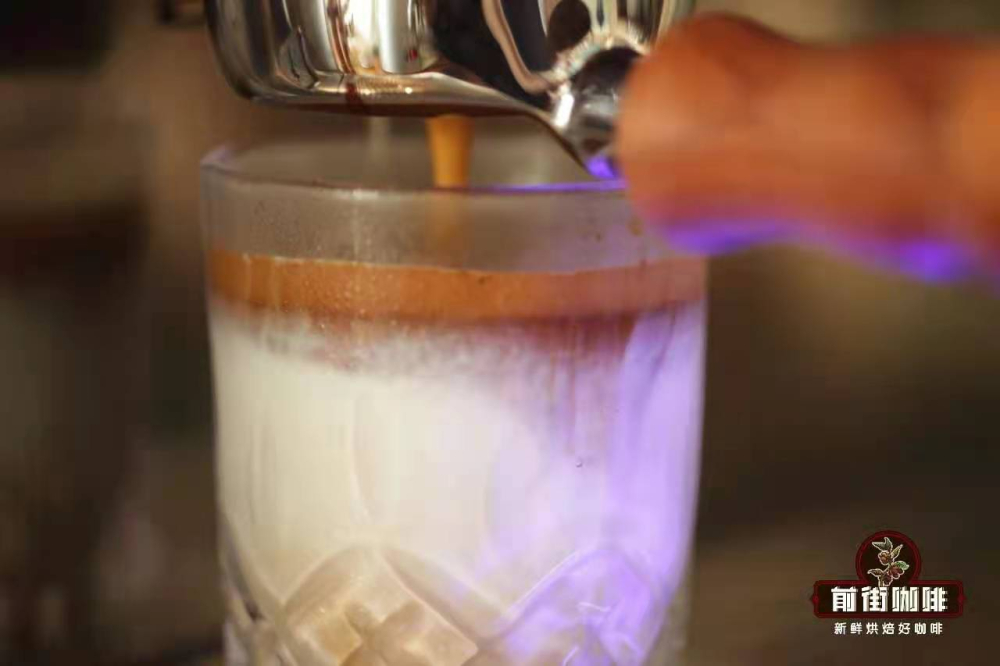
In recent years, after stabilizing its financial foundation, Luckin has gradually shifted toward the specialty coffee market, with the most notable move being its large-scale introduction of the “Hua Kui 5.0” coffee beans. This single-origin (SOE) lot from Ethiopia’s Sidamo region not only supports the popularity of Luckin’s Dirty series drinks but has also won praise from consumers for its rich fruity aroma and clear layering. This article will provide a comprehensive analysis of the charm of Hua Kui 5.0, covering everything from its bean variety origins and version evolution to its actual flavor performance and pour over suggestions.
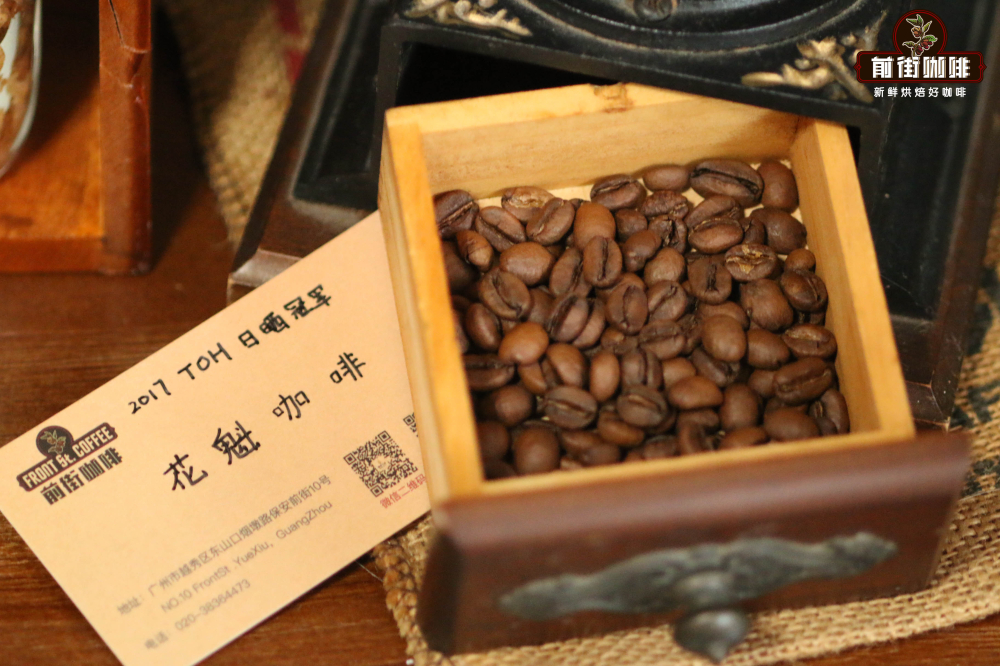
Since Luckin gradually emerged from its financial crisis, the brand has begun strengthening its specialty coffee product line, and Hua Kui 5.0 is an important step in that strategy. Since its debut in early 2017, the Hua Kui series has been released in annual editions, such as Hua Kui 2.0 in 2018, and so on, with Hua Kui 5.0 launched in 2021. Luckin purchased as much as 90 tons of this single-harvest lot at once and quickly launched corresponding SOE coffee products, which at one point caused a supply shortage across all its stores nationwide, with some locations only offering Yirgacheffe SOE as an alternative.
According to supply chain sources, Luckin originally planned to launch the “Hua Kui PLUS” series in the second half of 2022, with an expected import of over 250 tons of green beans. It’s worth noting that although Hua Kui PLUS also comes from Sidamo, it is not a new harvest from 2022, but rather sun-dried G1 grade Ethiopian landrace beans processed at the Buku Abel washing station. Some industry players also refer to it as the “Queen of Hua Kui,” with the official product name being Ethiopia Hambella Buku Abel Queen Plus G1 Natural.
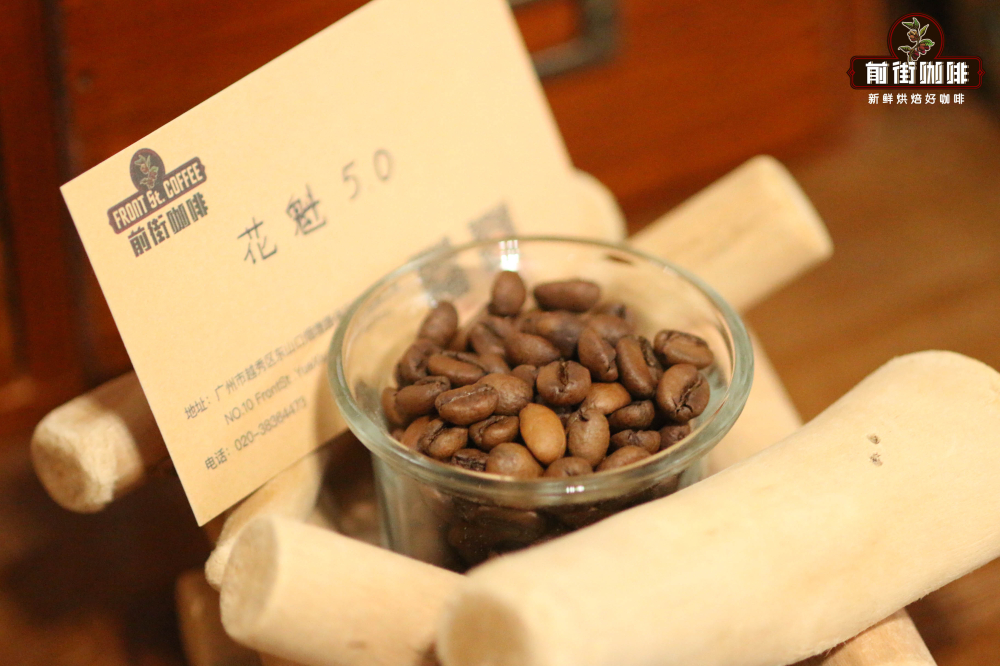
When discussing the rise of the Hua Kui series, it’s impossible not to mention how the beans won the championship in the sun-dried category of the TOH (Taste of Harvest) competition in 2017. Subsequently, contestant Li Jianfei also claimed victory in the China regional round of the World Brewers Cup using sun-dried Hua Kui, instantly boosting its international recognition. This Ethiopian bean has even been regarded as a specialty coffee capable of rivaling the legendary Geisha. Its name “Hua Kui” is inspired by the Japanese term for “the lead geisha,” symbolizing its leading position in the specialty coffee world.
Most Hua Kui series beans currently on the market use Ethiopian local landraces. Due to the region’s rich genetic diversity and conservation policies, these varieties often do not have publicly disclosed specific names and are collectively referred to as “Ethiopian landraces.” However, cupping tests have revealed slight differences in flavor profiles among versions: for instance, Hua Kui 3.1 is more similar to Panamanian Geisha, Hua Kui 4.0 is closer to the original style but slightly lacks in body and aftertaste, while Hua Kui 5.0 showcases more distinct characteristics of the Guji region, with bright berry acidity, long floral notes, and a pronounced juiciness, which become its most prominent features.
For Hua Kui 5.0, if brewed via pour over, it is recommended to use a HARIO V60 dripper, with around 15 grams of coffee grounds, a 1:15 coffee-to-water ratio, water temperature controlled at 90°C, and grind size set to medium-coarse (about 80% extraction through a Chinese standard No. 20 sieve). It is advised to use freshly roasted beans within 5 days of roasting to fully experience its vibrant fruit acidity and floral-fruity aromas. Generally, coffee beans require a 4 to 7 day resting period after roasting, during which the flavor performance is optimal.
The specific pour over process is recommended as follows: first, pour 30 grams of hot water for a 30-second bloom, then continue pouring water at a rate of about 4 grams per second, moving in a circular motion from the center outward and back to the center, until the total water volume reaches 125 grams for the first pour. Once the coffee bed has settled to about half its height, continue pouring using the same method until the total water volume reaches 225 grams, then remove the dripper to complete the extraction. The entire process takes approximately 2 minutes and 10 seconds. These parameters can fully highlight the layered profile and fruity aroma of Hua Kui 5.0, making it ideal for coffee lovers who enjoy bright acidity and juicy mouthfeel.
In summary, Hua Kui 5.0 is not only a key representative of Luckin’s foray into specialty coffee but also showcases the potential and diversity of Ethiopia’s Sidamo region. Whether used as the base for a Dirty drink or savored through careful pour over brewing, this bean can exhibit its unique berry aroma, floral layers, and full-bodied texture, making it well worth exploring and appreciating for coffee enthusiasts.
The above content is compiled by CoffeeHunters, a coffee news website.


