







Introduction:Want to dive deep into the globally beloved Geisha coffee? From its Ethiopian origins to award-winning farms in Panama, this article takes you on a journey to explore the unique charm of Geisha, analyzing its captivating floral and fruity aromas and clean flavor profile. We also break down the characteristics of several popular Geisha beans from a renowned coffee brand, and provide a practical cold brew guide—including optimal grind size, coffee-to-water ratio, and steeping time—to help you easily brew high-quality Geisha cold brew at home.
Once an obscure coffee variety, Geisha has now risen to the pinnacle of the global specialty coffee scene. From the highland forests of Ethiopia to the high-altitude farms of Panama, Geisha has won the hearts of coffee enthusiasts with its distinctive floral and fruity notes and refreshing, sweet taste. This article will comprehensively introduce the variety’s history and cupping flavor profile, and take an in-depth look at several well-known Geisha products from a prominent coffee brand—such as Boquete Geisha, Emerald Red Label, and Flower Butterfly. Additionally, we’ve prepared a summer-friendly Geisha cold brew tutorial, covering practical tips on grind fineness, coffee-to-water ratio, and steeping duration to help you easily handcraft a fragrant cold brew.
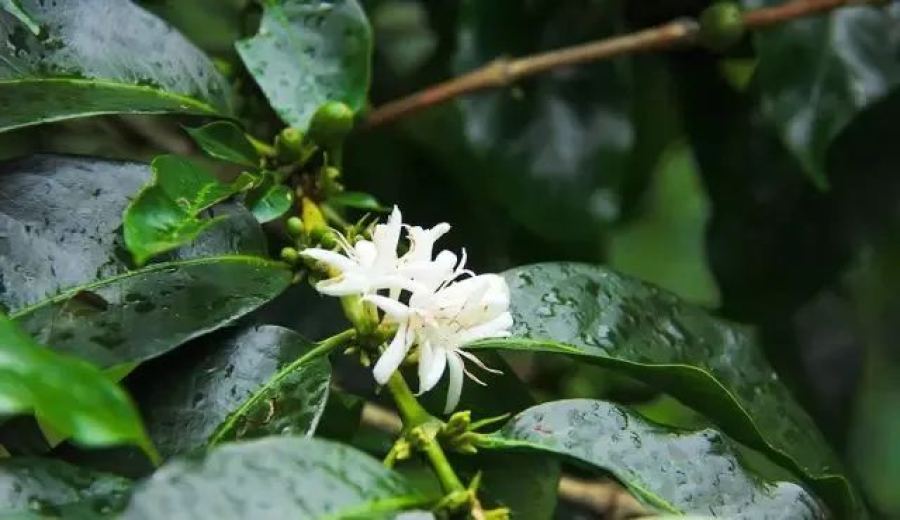
Geisha is an extremely rare coffee variety that has taken the global specialty coffee market by storm over the past decade, hailed as one of the brightest, most complex, and most floral-fruity profiles available. Today, it firmly sits atop the throne of high-end specialty coffee beans. What makes this coffee most memorable is its sweet, substantial body and clean, well-defined flavor structure. During cupping, tropical fruit aromas such as berries, citrus, mango, papaya, and peach are often detected, along with a refreshing bergamot-like finish—hallmarks of the Geisha profile.
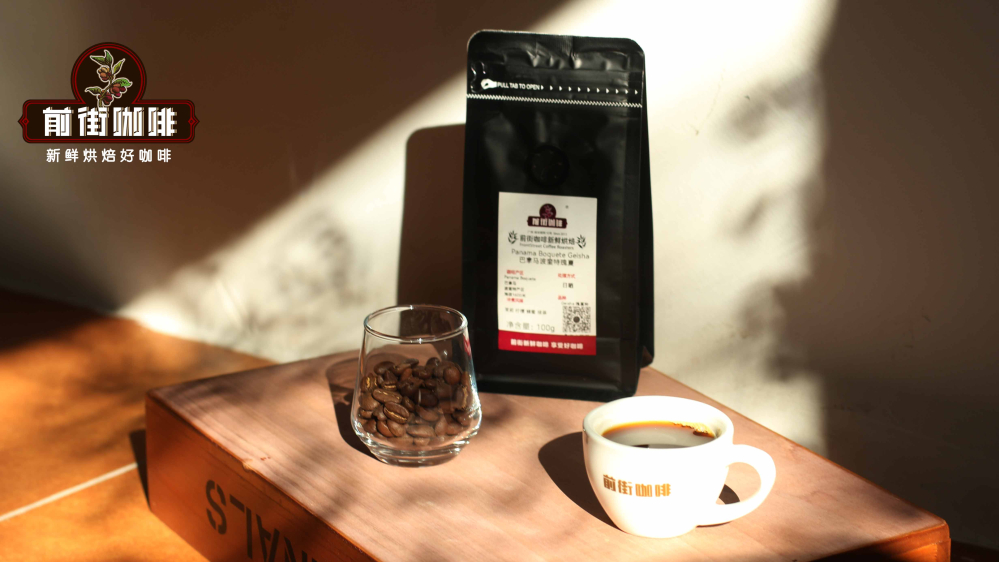
In terms of cupping performance, Geisha typically exhibits medium body, abundant sweetness, and a distinctly recognizable rose aroma. Its tropical fruit flavors are layered and long-lasting, consistently ranking among the top in flavor among many coffee varieties. For beginners, a good place to start is a certain brand’s Boquete Geisha, which offers an enchanting blend of jasmine, bergamot, green mandarin, and honey. More experienced enthusiasts might opt for a certain brand’s Emerald Red Label and Emerald Green Label—these beans represent the pinnacle of Panama’s high-altitude Geisha and fully showcase the classic flavor profile of the variety.
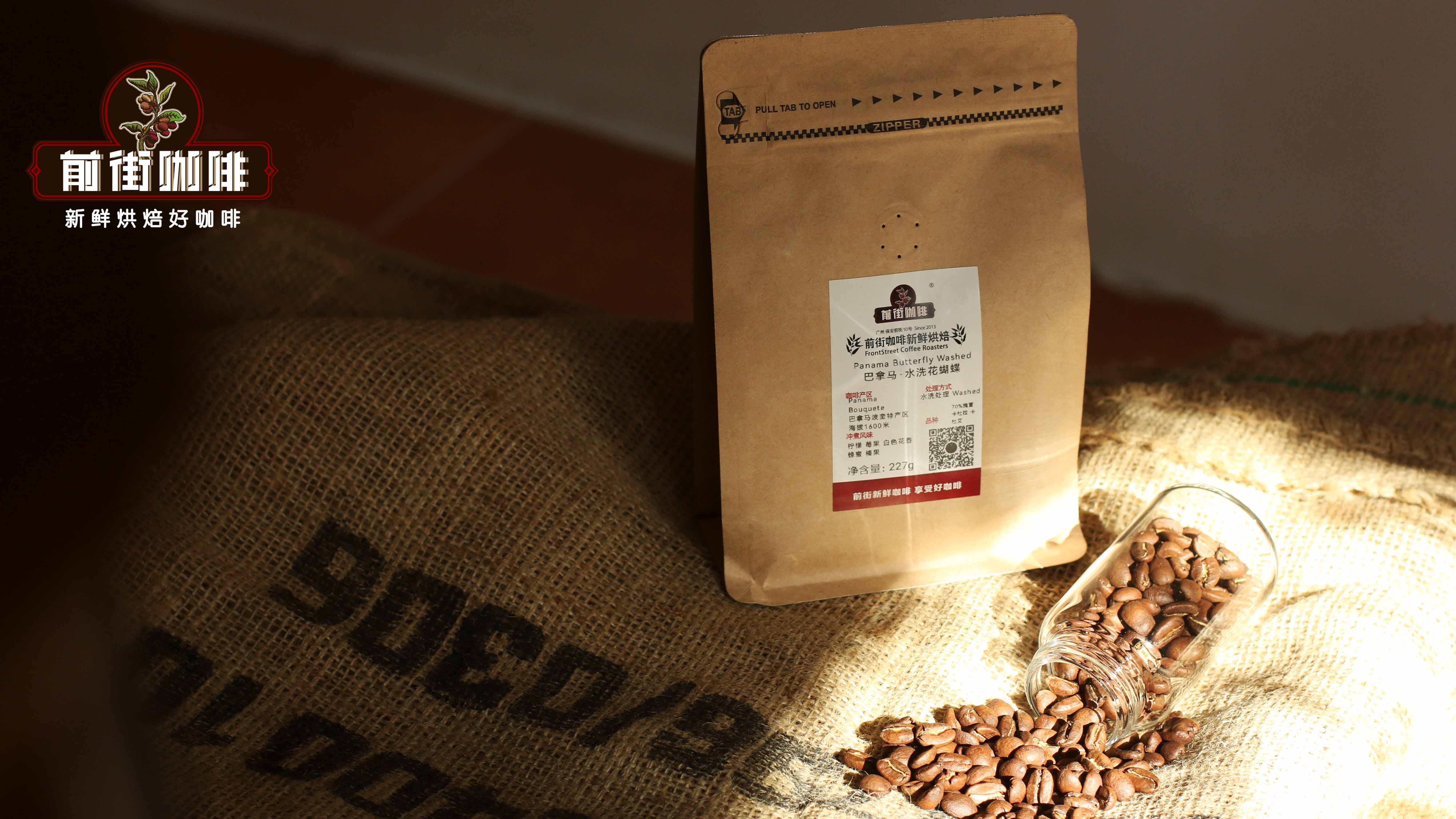
If you’re looking for a high-value, everyday-drinking option, a certain brand’s Flower Butterfly is a great choice. This blend combines Geisha with Catuaí and Caturra, delivering a clean and bright flavor profile suitable for pour over brewing, as well as cold brew, French press, siphon, clever dripper, AeroPress, and drip bags—showcasing the diverse facets of Geisha.
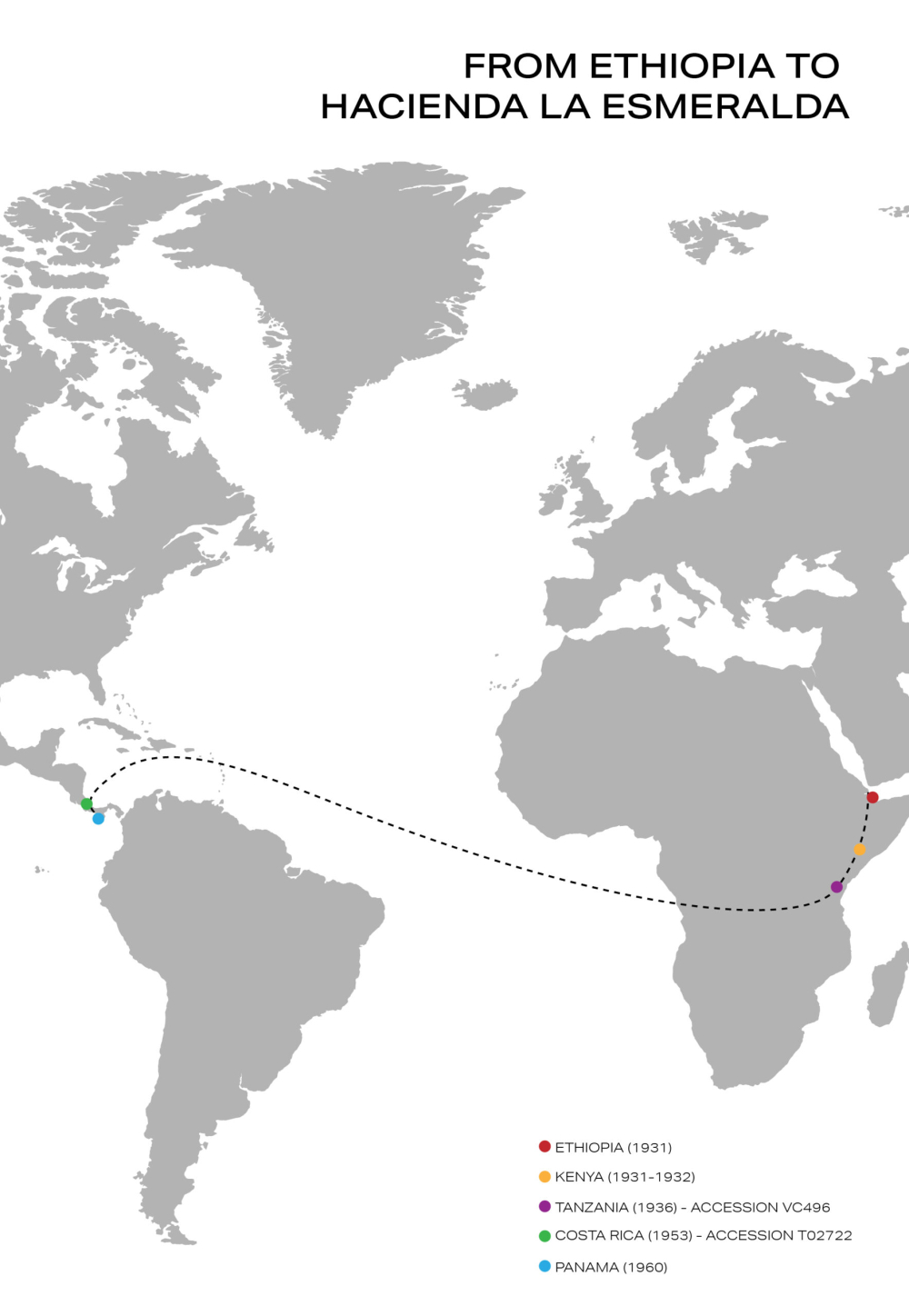
The history of Geisha dates back to 1931, when it was first discovered in the Gesha forest of Ethiopia. It was later sent to Kenya for research and cultivation, and gradually introduced to Tanzania, Uganda, Costa Rica, and other regions. It wasn’t until the 1970s that Francisco Serracin, owner of the Hacienda La Esmeralda farm in Panama, imported seeds from CATIE Research Center in Costa Rica, marking the official cultivation of Geisha in Panama. Due to its limited production and the fact that most of it is only available through auctions, Geisha has long been a premium coffee bean out of reach for many.
Geisha truly gained international fame by winning the Panama Cup of Excellence competition three years in a row from 2005 to 2007. In 2007, it even achieved a record-breaking bid of $130 per pound at the Specialty Coffee Association of America (SCAA) International Coffee Tasting competition. To prevent Geisha’s overwhelming dominance from affecting the fairness of other varieties, subsequent Panama Cup of Excellence competitions even began grouping Geisha separately from other beans. Though part of the Typica family, Geisha shone brilliantly more than 70 years after leaving its native land—once again underscoring Ethiopia’s status as the genetic treasure trove of Arabica coffee.
For a long time, the evaluation standards of specialty coffee were heavily influenced by the Japanese market. Yet Geisha, with its unparalleled flavor profile, dramatically reshaped the global coffee landscape like a hurricane—eclipsing even the once-praised Jamaican Blue Mountain and Hawaiian Kona.
Panamanian Geisha is typically grown at high altitudes between 1,500 and 1,650 meters, where unique elevation and microclimate conditions contribute to its distinctive flavor. A certain brand’s Boquete Geisha green coffee beans have an appearance as delicate as jade, with a striking blue-green hue, and offer notes of fresh grass, peach, berries, and the rare aroma of oolong tea milk sweetness—an impression of tea-like character that leaves a deep impression. To perfectly showcase its aromatic traits, it’s recommended to roast to a light-to-medium level, approaching or just into the first crack, which maximizes the bean’s innate character and complexity. Be cautious: too light a roast can bring out off-flavors, while over-roasting may diminish its delicate floral and fruity acidity. Adjust the roast level carefully according to the beans’ nature.
A certain brand’s Boquete Geisha is known for its vivid floral notes and rich tropical fruit sweetness. Proper roasting makes it feel like being surrounded by a field of flowers—the aroma is akin to a bouquet greeting you upon the first sip. Its dry fragrance carries elegant rose and jasmine floral notes, blended with the freshness of pomelo and citrus. Even at a light roast, nutty aromas emerge, further revealing the richness of magnolia and tulip, along with the sweetness of milk tea and brown sugar, and even hints of premium champagne. These layered complex aromas make it stand out in cuppings.
The wet aroma also showcases intense orange notes, followed by an even broader range of floral scents. On the palate, the initial flavors are gentle and restrained, with a rich caramel sweetness emerging mid-sip. As the temperature drops, floral and fruity notes intensify, with sweet preserved fruits, rose hips, orange glaze, strawberry jam, apricot, and cherry flavors appearing in succession. Delicate pine and vanilla aromas intertwine, the rose notes gradually fade, and a fresh lemon fruitiness emerges in the end. The overall cold aroma performance is outstanding—especially under a light roast—where the acidity is delicate and quickly transforms into a smooth body, with lingering candy-like sweetness and spice notes that test the coffee’s overall brightness and balance.
When sipped, Geisha reveals a nuanced complexity reminiscent of top-tier Pyeongchang tea, with noticeable oiliness. The entry brings a slight astringency akin to fine white liquor, which softens into an increasingly delicate and silky acidity as the temperature drops, filling the entire mouth. Floral and spice flavors layer intricately, with a long-lasting finish, a full body, and an unforgettable aftertaste.
For summer, cold brew is an excellent way to enjoy Geisha. Here’s a recommended method from a certain brand: First, the grind size for Geisha cold brew should be slightly finer than pour over—approximately 75–80% through a Chinese No. 20 standard sieve, roughly equivalent to the coarseness of fine sugar. For the EK43s grinder, this corresponds to a setting of 9.5–10; if using a hand grinder like the C40, set it between 22–26.
Next, pour the ground coffee into a clean container (such as a cold brew maker or mineral water bottle), add room-temperature water at a 1:10 coffee-to-water ratio, stir thoroughly, then seal with plastic wrap and refrigerate for 8 to 12 hours—ideally no more than 12 hours to achieve the best flavor. After extraction, simply filter out the coffee grounds with paper filters.
The coffee-to-water ratio is a key factor influencing flavor expression. For straight black coffee, a 1:12 to 1:13 ratio is recommended for a smoother, clearer aroma. However, if you plan to add fresh milk later, a higher concentration—around 1:10 to 1:11—is advised to ensure the coffee flavor isn’t overly diluted. Additionally, whether cold brewing or ice dripping, since both methods involve low-temperature, long-duration extraction, it’s best to consume the coffee within five days of preparation to ensure optimal flavor and food safety.
The above content is compiled by CoffeeHunters, a coffee news website.


