







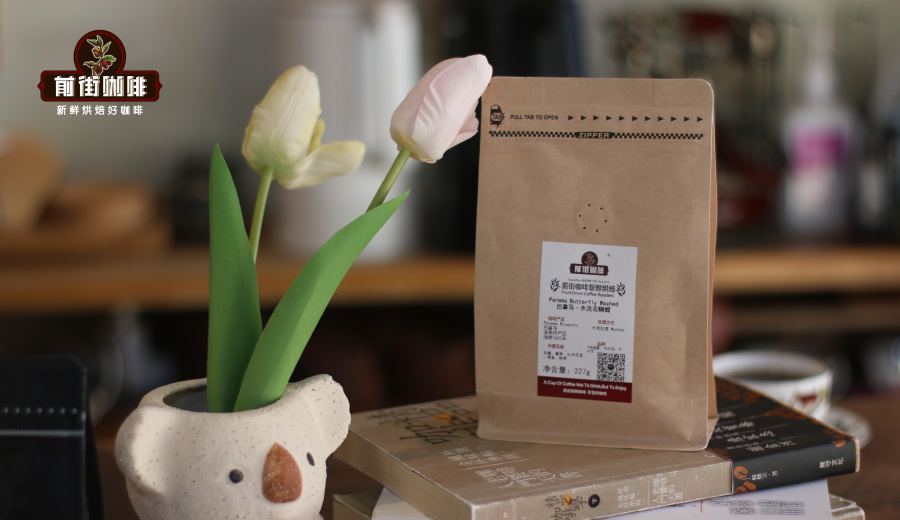
Introduction:Want to explore the charm of Panama’s Boquete region’s high cost-performance Geisha-mixed Hua Hudie (Butterfly) coffee beans? This hybrid variety, with Geisha lineage, showcases delicate floral notes and a balanced fruity acidity when roasted to a light-to-medium level. This article delves into its regional characteristics, varietal composition, and washed processing method, and provides practical V60 three-stage pour over parameters to help you fully extract its honey-like sweetness and berry tones—experiencing the layered appeal of this affordable specialty bean.
Located in Central America, Panama may be small in size but is globally renowned for its refined coffee-growing environment. Especially in the Boquete region, the unique altitude and volcanic soil have given rise to numerous well-known coffee farms, among which the Geisha from La Esmeralda Estate is the most iconic. However, while Geisha offers exceptional flavor, its price often deters many. For coffee enthusiasts eager to explore Boquete’s flavors without investing in high-priced Geisha, the “Hua Hudie” coffee bean is undoubtedly an excellent high-value alternative.
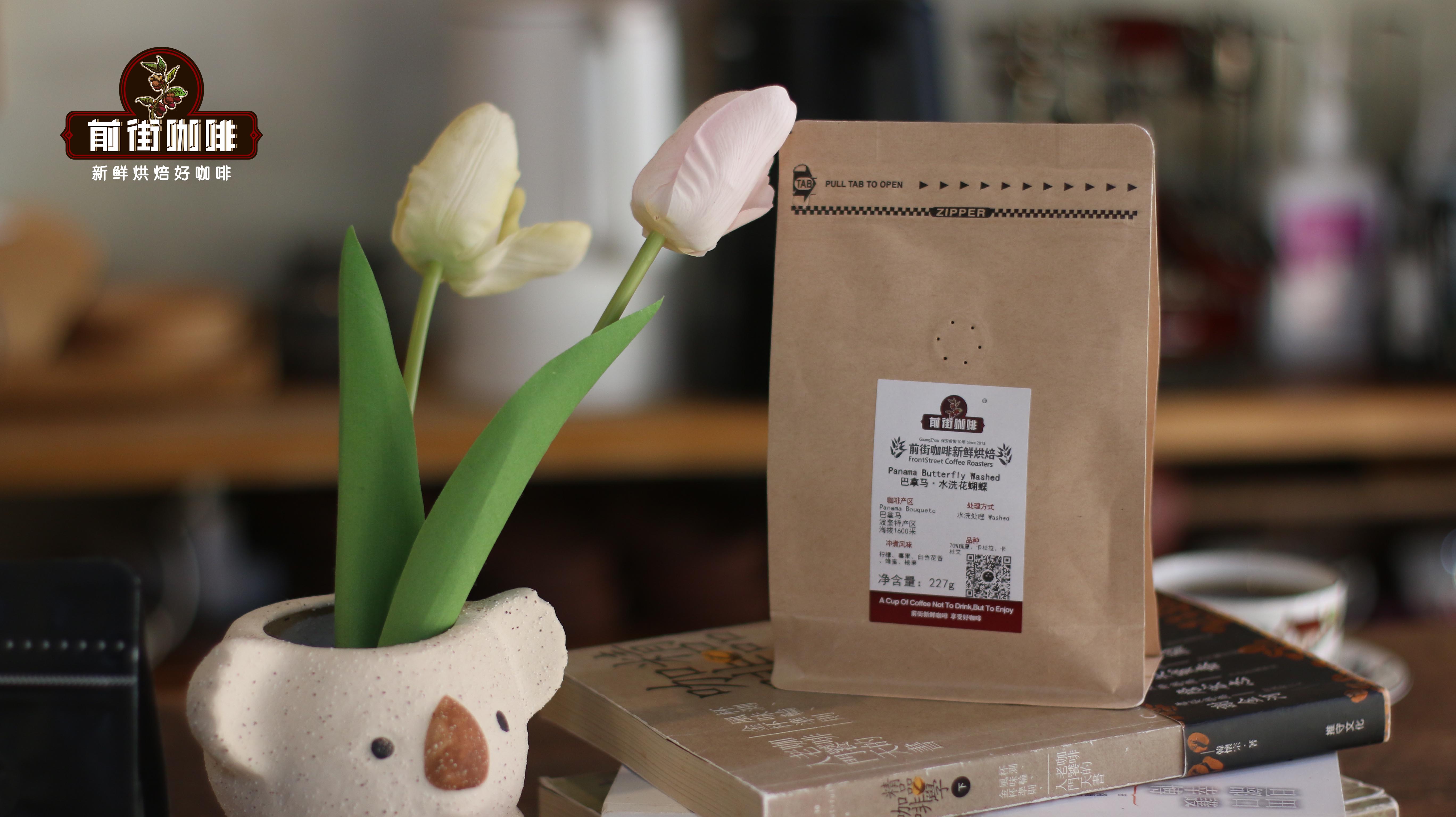
Hua Hudie coffee beans are grown in Panama’s Boquete region at an altitude of about 1,600 meters, a height that imparts intense aroma and clear acidity to the beans. This blend consists of 70% Geisha, mixed with Caturra and Catuai varieties. Although the Geisha component is not a pure variety, it still retains significant Geisha traits, especially in terms of aroma and layered fruit acidity. Processed through meticulous washed processing, and benefiting from Boquete’s distinctive day-night temperature variation and volcanic soil conditions, Hua Hudie excels in sweetness, cleanliness, and flavor complexity.
The Boquete region, adjacent to the Baru Volcano, features fertile volcanic ash soil. Coupled with its cool, moist climate and distinct day-night temperature differences, it’s an ideal location for cultivating high-quality Arabica coffee. Many renowned micro-lot specialty coffees originate here, and Hua Hudie is one of the representatives shaped by this terroir. Though positioned as an affordable option, it delivers delicate qualities that should not be overlooked.
The flavor profile of Hua Hudie is distinct, and common cupping notes include:Dry Aroma:Jasmine, citrus, honey, and refreshing tea-like notes. After brewing,Wet Aroma:reveals berry, citrus acidity, and subtle vanilla undertones. When sipped, the acidity is bright and refined, the sweetness is soft yet layered—often featuring interplays of bergamot, cherry, berries, and honey. The aftertaste is clean and lingering, with an overall well-balanced profile, making it highly suitable for coffee drinkers who enjoy fruity and floral notes.
In terms of processing, Hua Hudie employs a refined washed process, which demands high standards in quality control. First, ripe coffee cherries are selected and floaters are removed. Then, a pulper removes the outer skin and part of the pulp. The mucilage-covered beans are then placed in fermentation tanks where natural enzymes break down the mucilage layer. Controlling fermentation time and temperature is crucial—over-fermentation can introduce off-flavors, while under-fermentation may result in unclear flavors. After fermentation, the beans are washed and then moved to drying beds, where they are frequently turned to ensure even drying. Finally, they are stored in parchment awaiting export.
This washed processing method highlights the coffee’s clarity and bright acidity. Combined with the inherent floral and fruity characteristics of the Geisha variety, Hua Hudie can showcase a highly recognizable flavor profile even when roasted to a light-to-medium level. For coffee lovers who prefer a fresh and bright taste, this bean is undoubtedly a great entry point into specialty coffee.
To fully highlight Hua Hudie’s delicate traits, a light-to-medium roast is recommended. This level preserves the bean’s original acidic and fruity qualities without masking its nuanced layers due to over-roasting. For brewing, a common method is to use a V60 dripper with a three-stage technique, using a 1:15 coffee-to-water ratio, and controlling the water temperature between91-92°C[temperature range placeholder: insert specific range, e.g., 90–93°C]with a grind size close togranulated sugar coarseness (approximately 80% through a #20 sieve)
to fully bring out its floral and berry notes.The design of the V60 dripper features a large central hole and spiral ridges, which extend the contact time between water and coffee while promoting even extraction and avoiding channeling. In practice, it is recommended to use15 grams of coffee grounds
: the first pour involves 30 grams of water for a 30-second bloom to help the grounds expand and release aroma; the second pour adds 95 grams of water, and when the water level drops to about half, the final 100 grams of water is added. The total brew time is controlled between 2 minutes 30 seconds and 3 minutes.
A special note: during pouring, maintain a gentle flow and steady rhythm, starting from the center of the coffee bed and spiraling outward, while avoiding direct impact on the dripper walls. This maintains stable extraction pressure and temperature, ensuring balanced flavor. Additionally, adjusting the coffee-to-water ratio to 1:16 can slightly enhance sweetness, making it suitable for those who prefer a smoother, milder taste.
The above content is compiled by CoffeeHunters, a coffee news website.


