







Introduction:Colombian Huila coffee is widely loved for its delicate fruit acidity, rich chocolate, and nutty flavor profiles, making it an ideal choice for many coffee beginners. This article will provide a detailed exploration of the Huila region’s geographical environment and coffee variety characteristics, along with a complete flavor profile of washed Huila beans from a well-known café, and include practical home pour-over brewing suggestions to help you easily master the optimal extraction method.
Among the many specialty coffee-producing countries, Colombia stands out with its diverse altitudes and microclimates, producing coffee beans with rich layers of fruity aromas that are highly favored by consumers worldwide. Among them, the Huila region is not only an important coffee hub in the country but also a top choice for many coffee enthusiasts due to its stable production capacity and excellent quality. Especially for those who are just getting started, choosing the right beans from a wide array of options can often be a challenge. Fortunately, by mastering some basic regional information and brewing tips, you can easily enjoy a Huila coffee with outstanding flavors.
Colombia boasts uniquely favorable geographical conditions, with its mountainous terrain and vertical altitude differences creating a variety of microclimates — a key reason why the country consistently ranks among the world’s top three coffee producers. The high-altitude regions in the south, especially in Huila, Cauca, and Nariño provinces, maintain temperatures between 17 and 23°C year-round, with planting elevations generally exceeding 1500 meters. These conditions not only allow coffee to ripen slowly but also impart brighter and more vibrant acidity as well as abundant aromas to the beans. The local processing methods, which primarily use washed processing, further help the coffee retain a clean and clear flavor profile, excelling especially in sweetness and complexity.
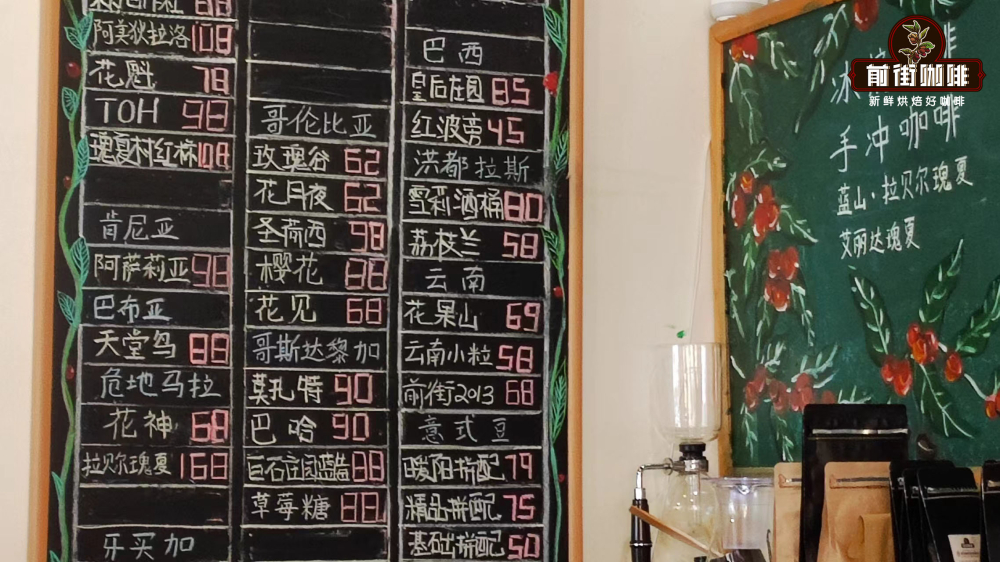
Stepping into the physical store of a well-known coffee brand, one is often greeted by a dazzling array of coffee bean options. For consumers who are new to the specialty coffee scene, this might feel overwhelming. But don’t worry — professional baristas usually recommend the most suitable choices based on customers’ drinking habits and preferences. If you prefer coffee with distinct fruit notes, balanced acidity and sweetness, and a long-lasting aftertaste, then the Colombian region, especially Huila, is definitely worth a try.
Speaking of Colombian coffee, one cannot overlook its long planting history. It is generally believed that coffee was introduced to the country by Jesuit priests in 1723, but it wasn’t until the end of the 19th century that coffee gradually rose to become a significant cash crop. By 1912, coffee exports already accounted for a large portion of the country’s foreign sales. The Colombian government and industry place great emphasis on brand management, with the most iconic being the farmer figure "Juan Valdez" paired with a mule design — a successful effort in shaping a friendly and instantly recognizable national coffee brand, further solidifying its visibility and reputation in the international market.
Colombia’s terrain is structured around three major mountain ranges that run vertically across the country in a shape resembling the character “川” (river), providing not only rich microclimates but also nurturing numerous micro-regions suitable for specialty coffee cultivation. Among these, the shaded environments between the Central and Western mountain ranges, as well as the mineral-rich volcanic soils, are key factors contributing to the unique flavors of Colombian coffee. Moreover, the country is also the world’s largest producer of washed Arabica coffee, and its refined processing techniques and quality control standards have long been widely recognized by the international specialty coffee community.

Focusing on the Huila region, this coffee powerhouse located in southwestern Colombia is not only one of the country’s main coffee hubs but has also become synonymous with high-quality coffee due to its favorable geographic conditions. The area includes several well-known growing zones, such as San Augustin, where these small regional names are gradually becoming distinctive brands in the market. However, despite the naturally privileged conditions, infrastructure in some areas still needs improvement, particularly in green bean drying and washed processing facilities, which still have room for enhancement. Even so, Huila coffee continues to maintain a stable flavor profile and commendable production capacity, firmly holding an important position within Colombia’s specialty coffee offerings.
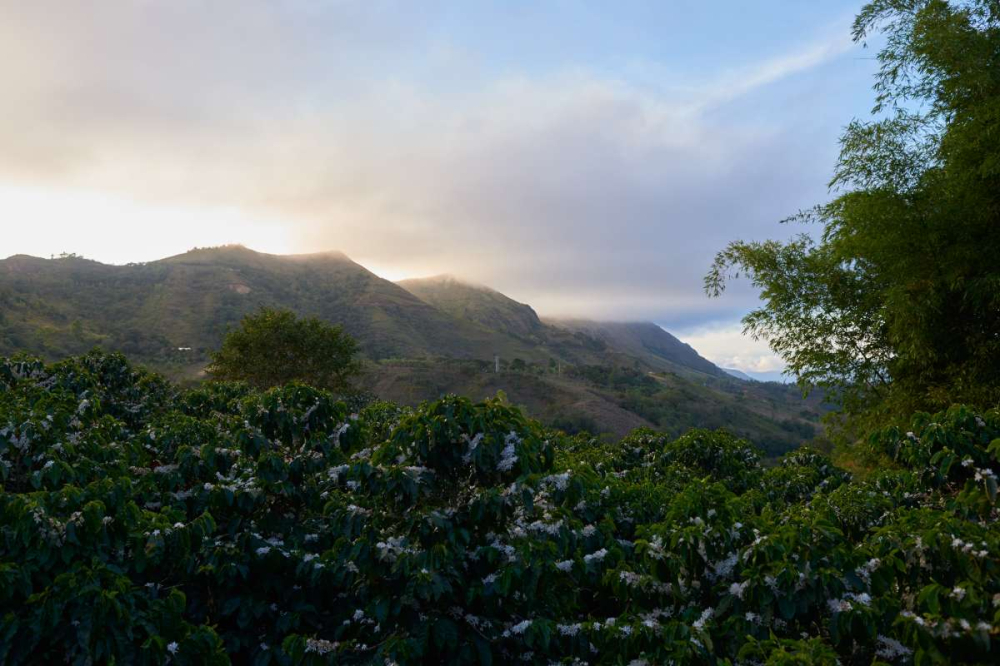
Coffee trees in the Huila region are mostly planted at altitudes between 1200 and 1800 meters, enjoying a mild climate with notable day-night temperature variations. Coupled with volcanic soil rich in nitrogen, these conditions provide an ideal environment for coffee cherries. The coffee produced here typically exhibits a smooth and mellow mouthfeel, with a balanced flavor profile. The acidity is soft yet vibrant, often accompanied by distinct chocolate, caramel, and nutty aromas. Even when brewed at lower temperatures, one can catch subtle fruity acidity in the aftertaste, making the overall cup feel like a refined and elegant coffee gentleman.
The 'Washed Colombian Huila Coffee Beans from a Well-Known Brand' highlighted in this article is a classic representative of the region. Using the locally common Caturra variety and processed via the washed method, it not only effectively removes pulp impurities but also fully preserves the inherent regional flavors of the coffee. This bean is recommended to be roasted to a slightly darker level to highlight its rich chocolatey main note and full body. Upon actual tasting, one can immediately perceive a pronounced sweetness, with intertwined notes of chocolate and caramel, complemented by nutty undertones, and a refreshing, long-lasting aftertaste. Even when brewed at cooler temperatures, the faint trace of fresh fruit acidity can still be delicately appreciated, showcasing the multifaceted charm of Huila coffee.
For those who wish to replicate professional flavors at home, we also provide a set of field-tested and stable pour-over parameters and steps to help you easily extract the essence of this Huila coffee. It is recommended to use a KONO filter, with water temperature controlled at 88°C, a water-to-coffee ratio set at 1:15, using about 15 grams of coffee, and a grind size recommended to pass approximately 80% through a Chinese No. 20 standard sieve — corresponding to a medium-coarse to medium-fine grind setting.
The specific brewing technique is as follows: first, pour 30 grams of water for a 30-second bloom to initiate the release of aromatic compounds from the coffee grounds; then continue pouring with a small stream in circular motions. When the total water volume reaches 125 grams, perform the first pour split. Once the water level naturally drops and is about to expose the coffee bed, continue pouring until the total reaches 225 grams and then stop. Finally, wait for the water level to drop again and nearly expose the coffee bed before removing the filter. The entire extraction process takes approximately two minutes. Please note that these parameters are standardized recommendations; users may fine-tune the water temperature, grind size, or pouring rhythm according to personal taste preferences to find their own optimal brewing method.
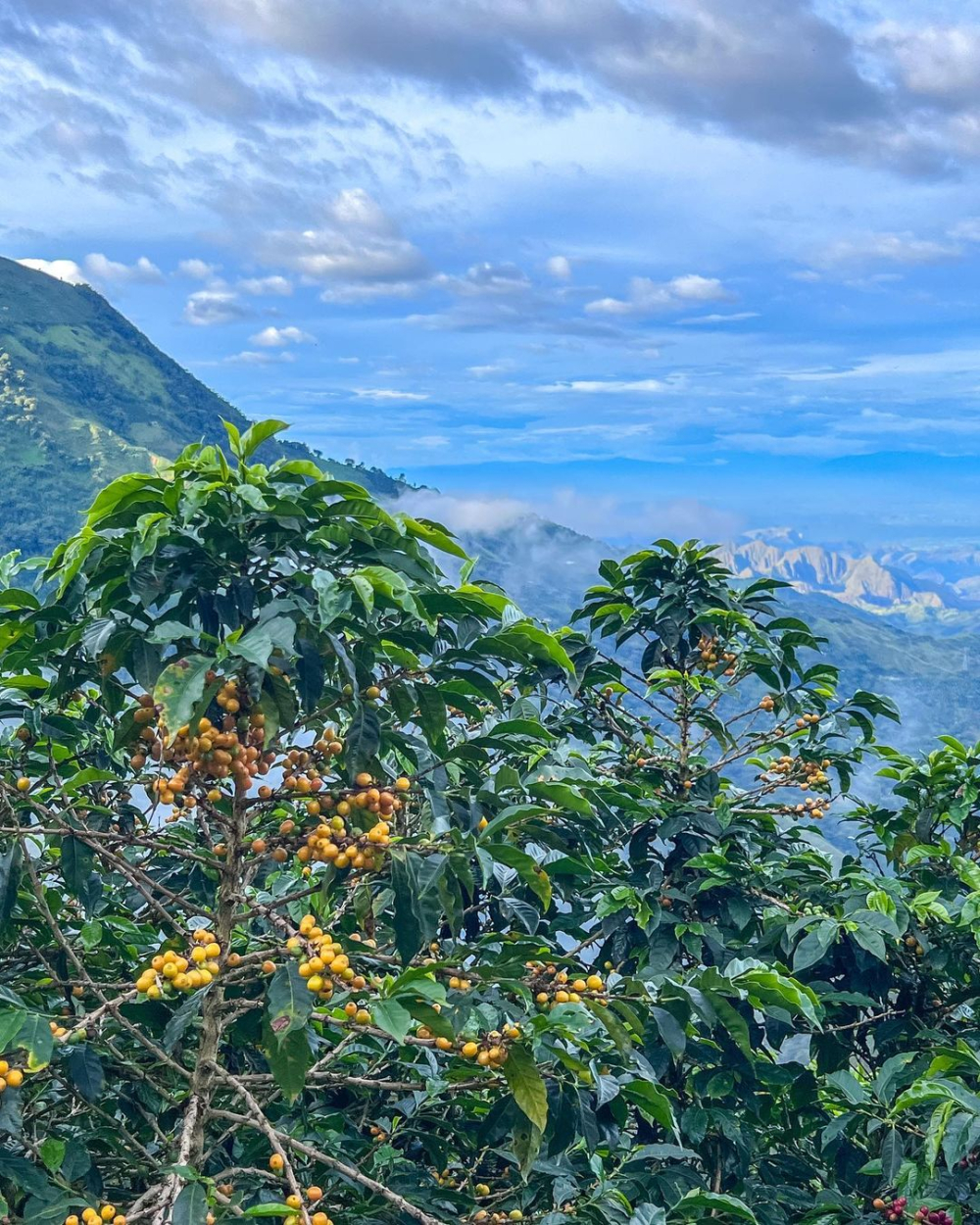
In addition, while the Caturra variety used by a certain well-known brand is one of the most common types in Colombian coffee, the country actually possesses an extremely diverse coffee gene pool. This includes traditional varieties such as Bourbon, Typica, and Catuai, as well as locally unique ones like Tabi, Colombia, Maragogype, and Castillo. Even newer varieties such as Sidra and Gesha (known locally as 大肚臍 and 希爪, respectively), which have gained attention in competitions in recent years, are gradually attracting interest. If you’re curious about the flavor profiles of different varieties, consider experimenting with various regional and processing method combinations to explore your own personalized coffee flavor map.

The above content is compiled by CoffeeHunters, a coffee news website.


