







Introduction:As China’s largest coffee-growing base, Yunnan is hailed as the “Coffee Capital of China,” with its production of small-bean coffee attracting increasing attention in recent years. This article provides a comprehensive overview of Yunnan coffee—from varietal evolution, major growing regions, flavor characteristics, to pour-over brewing suggestions and processing method differences—to help readers develop a deeper understanding of this origin and identify beginner-friendly options.
Yunnan is the province with the largest coffee cultivation scale in China, hence its reputation as the “Coffee Capital of China.” With the rise of the domestic specialty coffee trend, more and more cafés are offering single-origin beans from the Yunnan region, and even launching corresponding blends. For those looking to explore this promising origin, starting with a classic pour-over option—such as an entry-level bean made from Yunnan small-bean coffee—is a great choice. These beans not only showcase the region’s distinctive traits but also offer a glimpse into the diverse flavor profile of Yunnan coffee.
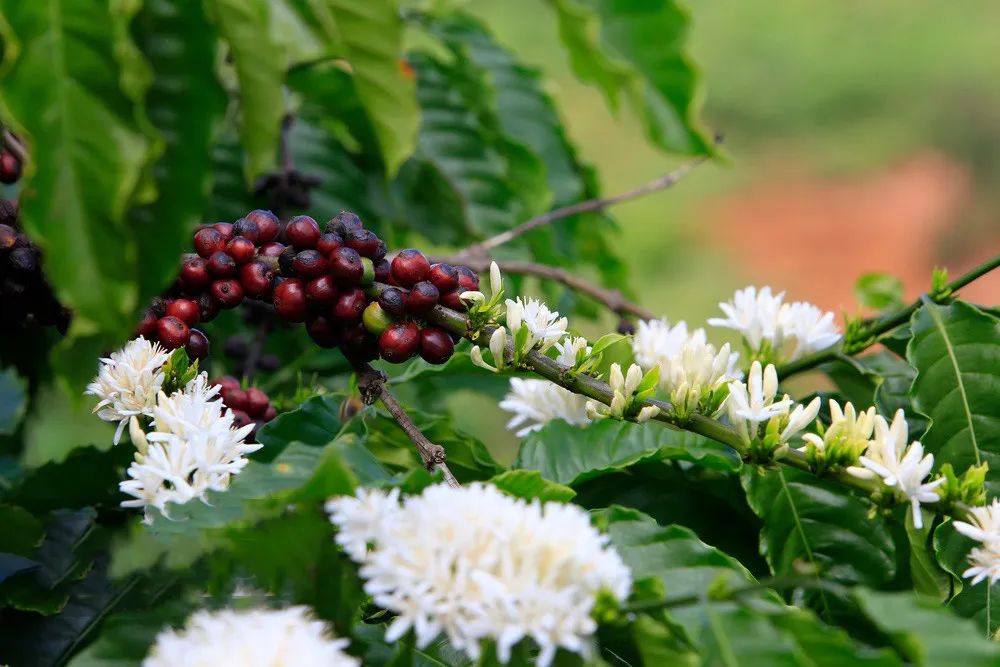
When talking about Yunnan coffee, it’s essential first to understand its primary cultivated varieties. Unlike Hainan, where medium-bean Robusta dominates, Yunnan primarily grows Arabica (commonly referred to as small-bean), locally known as “Yunnan small-bean.” The most widely cultivated variety today is Catimor, while Typica and Bourbon account for relatively smaller proportions.
Going back to 1952, experts from the Yunnan Academy of Agricultural Sciences first introduced a batch of coffee seeds (including Typica and Bourbon), weighing a total of 80 kilograms, distributing these genetic sources to farmers in the Longjiangba area of Baoshan. They also brought along scientific cultivation and management techniques, marking a new phase of large-scale coffee planting in Yunnan. Many of the Yunnan Typica still available on the market today originate from plantings during that period. Typica is a purebred Arabica variety, with its top leaves exhibiting a bronze color—hence it is also called “red-tipped coffee.” The coffee produced typically has distinct sweet and acidic aromas and is regarded as a high-quality traditional variety. However, it has weaker disease resistance, is susceptible to pests and diseases, and yields relatively low per plant, requiring more labor and management input.
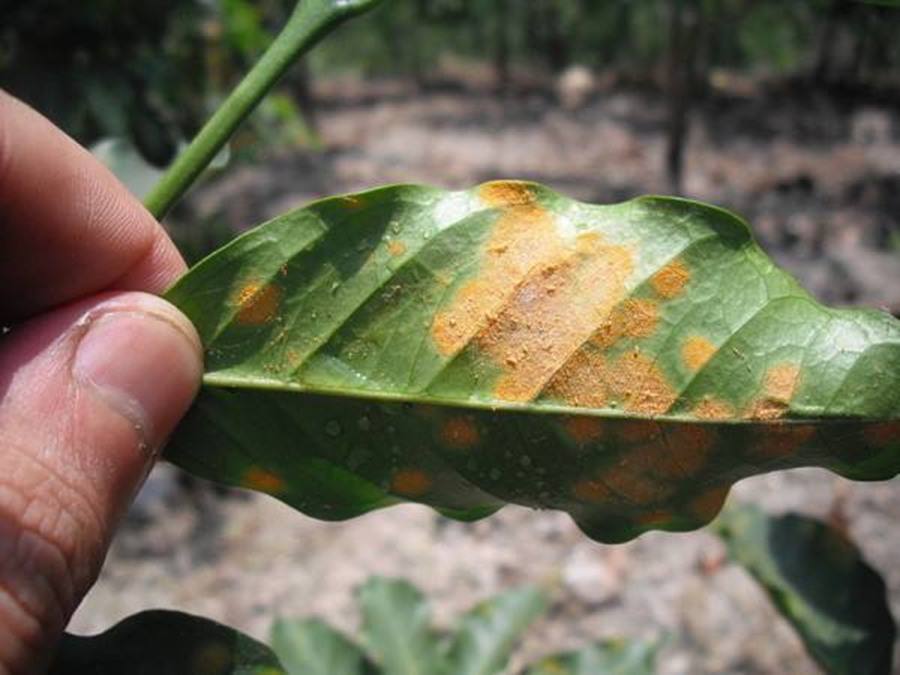
By the 1980s, leaf rust outbreaks occurred successively in multiple global coffee-growing regions, prompting the industry to seek alternative varieties with stronger disease resistance. In 1990, driven by international coffee companies such as Nestlé, Yunnan introduced the Catimor variety from Central and South America. This variety is highly resistant to disease and offers higher yields, gradually replacing the original Typica. The widespread adoption of Catimor significantly boosted Yunnan’s coffee output. However, at the time, processing techniques were not yet mature, and its flavor profile was relatively ordinary. As a result, many batches of green beans could only be exported at low prices, mainly used as raw materials for instant coffee in the European market.
Entering the 21st century, with the rise of the specialty coffee concept, Yunnan growers began to gradually improve the overall quality of coffee through every stage—from varietal selection, harvest timing, to green bean processing. Many operators deeply engaged in the origin have even established their own estates locally, introducing a variety of cultivars including Geisha. Currently, many coffees on the market labeled as “Yunnan small-bean” are primarily based on Catimor, which is also one of the most widely accepted varieties in the market.
In terms of regional distribution, Yunnan small-bean coffee is mainly concentrated in four key areas in the southwestern part of the province: Pu’er, Baoshan, Dehong, and Lincang. These regions generally feature low latitude, high altitude, and significant diurnal temperature variations—natural conditions that provide an ideal environment for coffee growth. Among them, Baoshan is considered an important birthplace of Yunnan small-bean coffee, characterized by a mountainous subtropical monsoon climate. Its varied terrain creates a three-dimensional climate with the saying “four seasons on one mountain, different weather within ten miles.” The area has an average annual temperature of about 14–17°C and annual rainfall ranging from 700 to 2100 millimeters. Not only is the rainfall abundant, but the dry and wet seasons are also distinct, creating favorable conditions for the growth of coffee cherries and the accumulation of flavor.
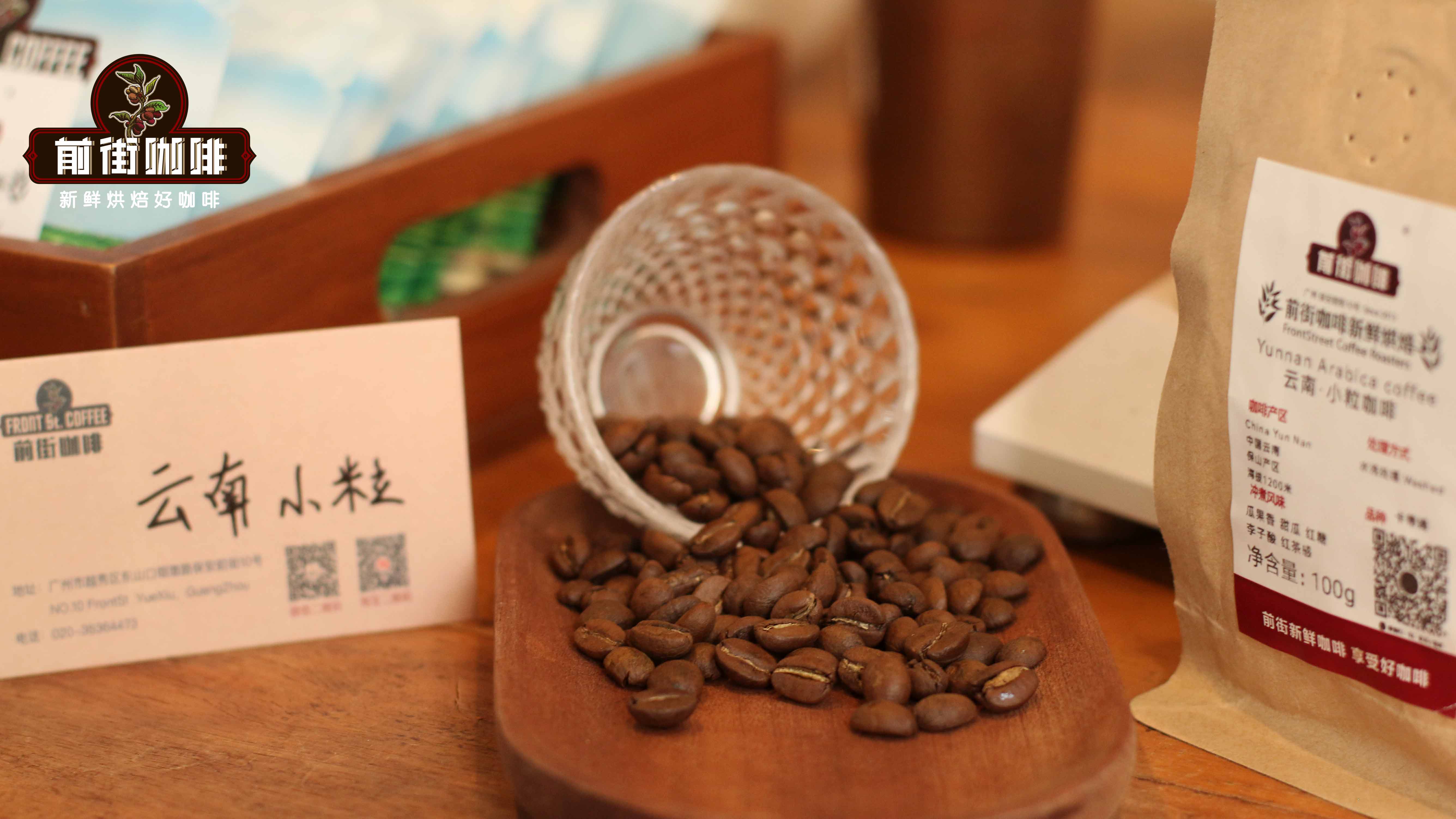
Baoshan’s coffee excels in washed processing. A representative entry-level option, such as a certain brand’s Yunnan small-bean coffee, is made from locally washed Catimor and is very suitable for beginners to experience the basic flavor profile of Yunnan coffee. Additionally, for those interested in trying the traditional flavors of natural processing, a certain brand’s 2013 Yunnan Natural Typica is a rare classic example. This coffee comes from the brand’s own estate in Lincang. From site selection, seedling cultivation, planting, harvesting, processing to roasting, the entire process is independently managed by the brand, accumulating a wealth of first-hand experience.
The Lincang region, influenced by the warm, humid airflow from the Indian Ocean and the southwest monsoon, does not have clearly defined seasons but has distinct dry and rainy periods. It enjoys ample sunlight and short frost periods, with some highlands even frost-free year-round. The mountainous areas here have an average annual temperature of about 13–15°C. A certain brand specifically chose forested land at an altitude of around 1300 meters to grow the most original Arabica variety—Typica. Under the influence of high-altitude diurnal temperature variations, Typica fruits ripen more slowly, allowing for the accumulation of richer flavor compounds. Only fully red, ripe coffee cherries are harvested, and they are carefully turned and sun-dried using well-ventilated mesh drying beds to avoid the negative effects of over-fermentation. This natural Typica ultimately presents a full-bodied mouthfeel, with bright notes of citrus and berries, along with hints of wine-like aroma and caramel sweetness, and a long-lasting aftertaste.
Regarding the flavor profile of Yunnan small-bean coffee, it’s important to note the critical impact of freshness on aroma and taste. It is recommended to choose beans that are within 4–7 days post-roast, entering their optimal flavor window, and ensure that you receive products roasted within the last 5 days to fully experience their complete flavor. For beginners trying pour-over Yunnan coffee, you can refer to the following practical brewing parameters: use a Hario V60 filter cone, paired with medium-fine grind (approximately 75% passing through a #20 sieve), water temperature controlled at 90°C, and a coffee-to-water ratio of 1:15. Specifically, you can use the three-pour method—start with double the coffee dose of water (about 30g) for a 30-second bloom, then pour in small streams in a circular motion from the inside out until reaching 125g for the first pour. Once the coffee bed drops to the middle of the filter, continue pouring with the same fine stream until reaching 225g. The total extraction time is about 2 minutes. These parameters help balance acidity, sweetness, and body, making them suitable for highlighting the neutral character of Yunnan coffee.
Taking washed Catimor as an example, its flavor profile often features dry aromas of nuts, berries, and herbs. On inhalation, you can perceive a balanced acidity of brown sugar and plum, along with a chocolatey finish. In contrast, naturally processed Typica showcases rich dried fruit, chocolate, and roasted hazelnut aromas, paired with a soft black tea-like aftertaste. The overall sweetness is prominent with distinct layers. By understanding these characteristics, consumers can more accurately select a Yunnan coffee experience that suits their personal taste preferences.
The above content is compiled by CoffeeHunters, a coffee news website.


