







Introduction:Mandheling coffee is renowned worldwide for its rich, full-bodied flavor and distinctive herbal and spicy notes. However, the name "Mandheling" actually stems from an interesting historical misunderstanding. From an Indonesian indigenous tribe to a misinterpretation in the Japanese market, and then to the Golden Mandheling in the specialty coffee scene, this coffee from Sumatra not only boasts a rich cultural background but also develops its bold personality through the unique wet hulling process. This article will delve into the origins of the name "Mandheling," the steps of Sumatra’s distinctive wet hulling method, and the differences between Golden Mandheling and Lintong Mandheling in terms of variety, origin, and flavor profile, helping coffee enthusiasts gain a more comprehensive understanding of this classic brew.
Mandheling coffee is famous for its bold, intense flavor and unique herbal and spicy characteristics. However, this widely known name actually originated from a series of misunderstandings. Originally, this coffee was not called "Mandheling," but rather came from the "Mandailing" tribe in Sumatra, Indonesia. During World War II, a Japanese soldier drank an unforgettable cup of coffee at a local shop and asked the shopkeeper for the name of the coffee. Due to a language misunderstanding, he was told it was "Mandailing." After the war, the soldier had a friend import 15 tons of coffee from Indonesia to Japan, but mistakenly referred to it as "Mandheling." Since then, the name gained widespread popularity and became highly favored in the Japanese market.
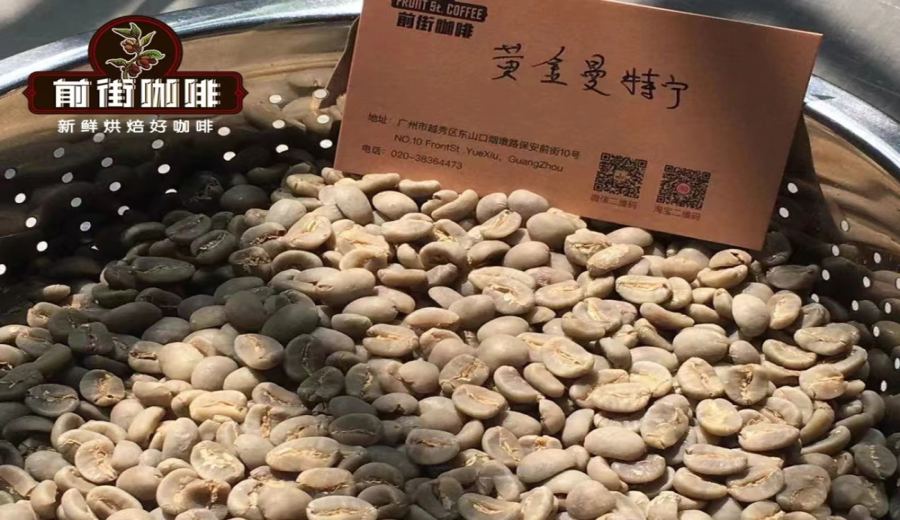
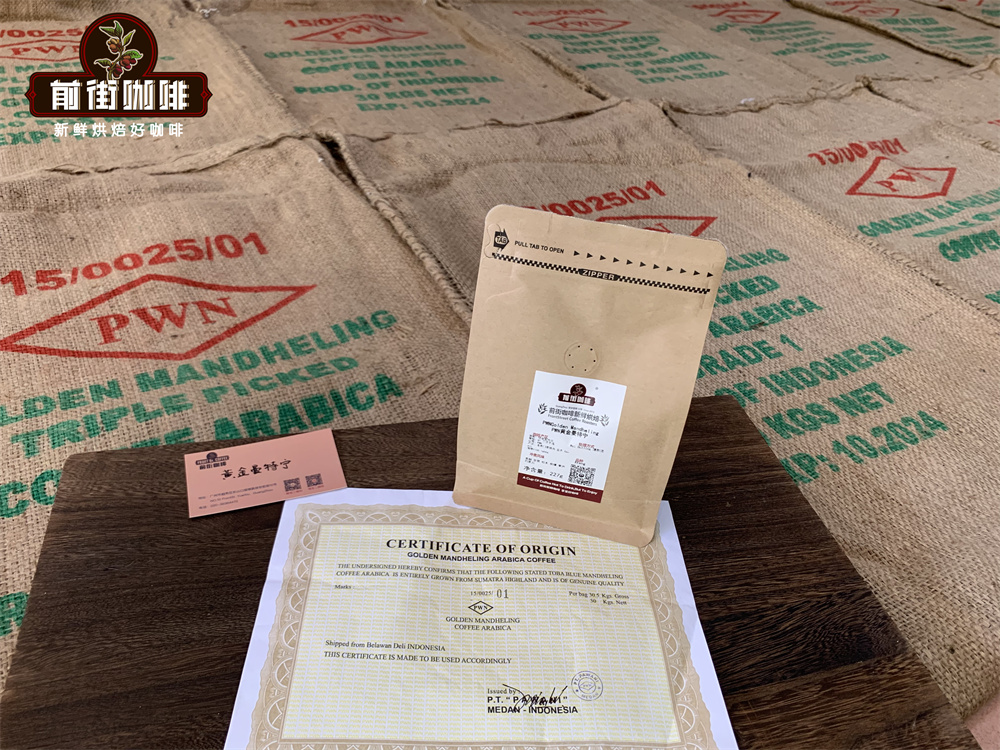
When talking about Mandheling, many people first think of the highly acclaimed Indonesian specialty coffee bean "Golden Mandheling." This coffee is often associated with a well-known brand, such as the commonly seen "Brand X PWN Golden Mandheling." PWN is actually an abbreviation for the Pwani Coffee Company in Indonesia. The company has long focused on purchasing high-quality beans from premium producing areas in Sumatra and employs strict manual sorting to select only flawless and plump beans, classifying them as Golden Mandheling. It’s worth noting that PWN later registered "Golden Mandheling" as a trademark, so today only specific beans produced by this company can be officially called Golden Mandheling, most of which come from the Aceh region.
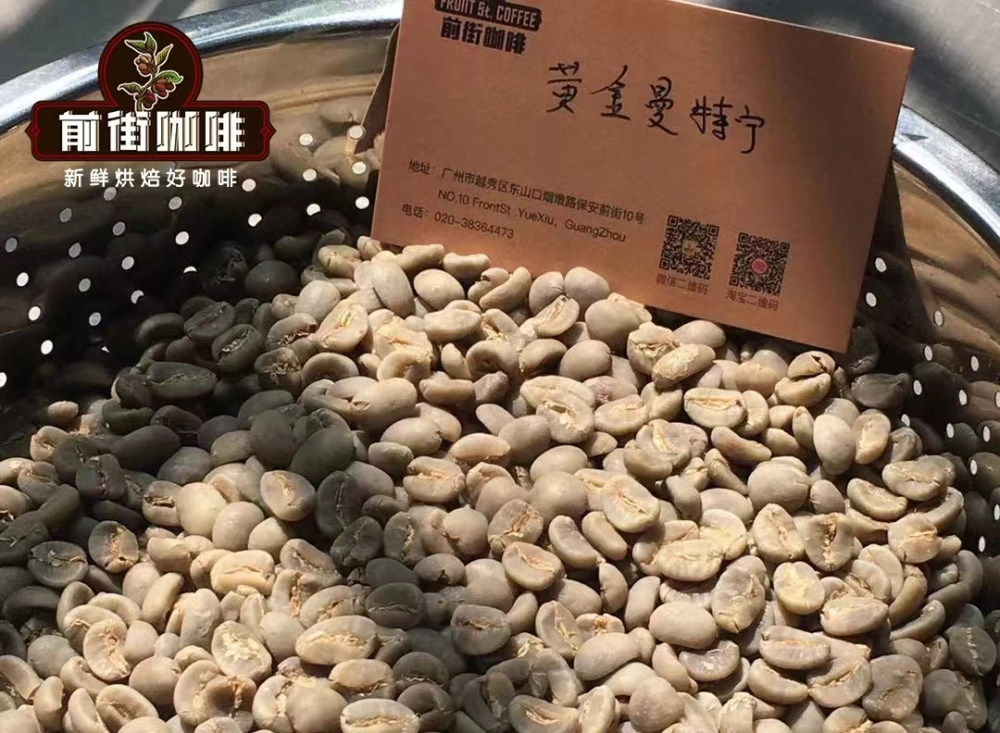
Indonesian Mandheling coffee generally uses the region-specific "wet hulling" (Wet Hulling) process for green beans. This method may appear similar to the common washed process at first glance, but it is actually quite different and is one of the main reasons behind Mandheling’s unique flavor. Coffee processed via wet hulling usually exhibits a bold, rich, and distinctive character, with common flavor notes including spices, herbs, caramel, nuts, and chocolate—traits that make it highly recognizable among coffee enthusiasts.
The wet hulling process generally follows these steps: First, freshly harvested coffee cherries are quickly depulped and pulped to remove the outer skin and some of the fruit pulp. Then, the beans are soaked in water for approximately 1 to 2 hours, during which some of the mucilage is removed through friction. The preliminarily processed beans are then dried at the farmers' homes for the first time, reducing the moisture content to 20% to 35%. These beans are subsequently taken to the market for sale while still covered with a layer of uncured mucilage, giving them a sticky texture. Next, the beans are gathered and sent to processing mills for a second drying phase, further reducing the moisture level to around 18%. The most crucial step comes when the processing mill performs wet hulling before the beans are fully dry, removing the mucilage and parchment layer using a hulling machine. This is in stark contrast to the washed process, which retains the parchment until the end. Finally, the beans undergo a final drying stage to bring the moisture content down to 11%, after which they are bagged and stored for export.
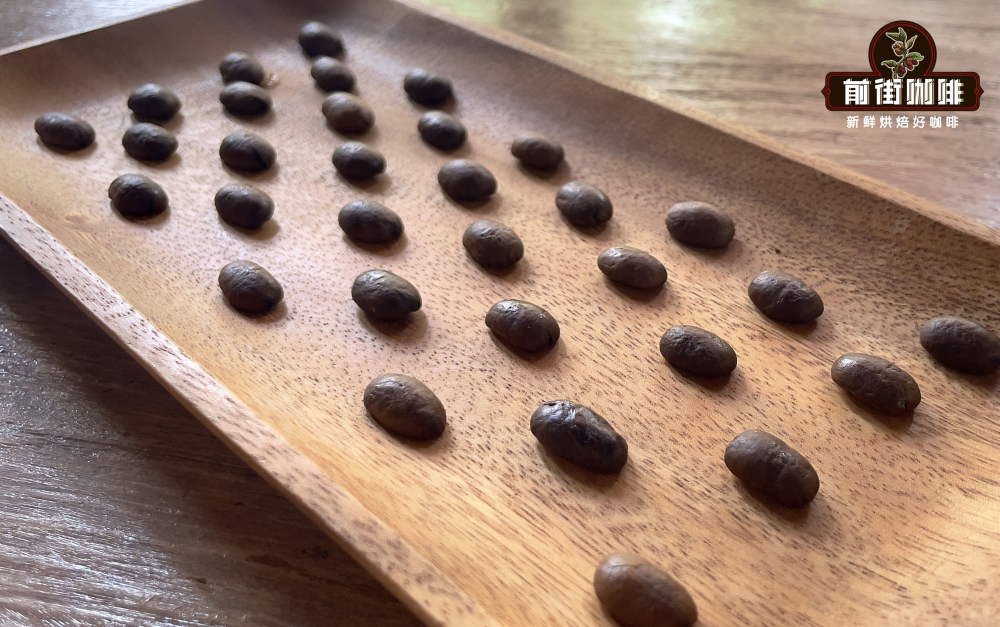
It’s worth noting that Golden Mandheling maintains its high quality not only due to the rigorous selection process but also because, after processing, it undergoes three rounds of manual sorting to ensure each bean is plump and uniformly sized, further reducing the defect rate.
In terms of variety, Mandheling coffee can be mainly divided into two types: Golden Mandheling and Lintong Mandheling. Golden Mandheling is primarily grown in the Gayo Mountains of Aceh, Sumatra, at elevations between 1100 and 1600 meters. Its variety is Ateng, a local term for a branch of Catimor (a hybrid of Arabica and Robusta). Although not traditionally the first choice for specialty coffee, when processed properly and carefully selected, it can still exhibit captivating flavors such as spices, herbs, caramel, pine, nuts, and chocolate.
In comparison, Lintong Mandheling is produced in the Lintong region of Sumatra, also cultivated at high altitudes of 1100 to 1600 meters. Its primary varieties are Typica and Caturra, both belonging to the traditional Arabica lineage. Typica is known for its elegant flavor but is relatively delicate, with low disease resistance and low yield; Caturra is a natural mutation of the Bourbon variety, with a shorter tree stature. Though it still has limited disease resistance, it offers higher yields than Bourbon. Through the wet hulling process, Lintong Mandheling often presents flavors such as roasted toast, nuts, caramel, pine, and herbs.
The above content is compiled by CoffeeHunters, a coffee news website.


