








Introduction:Civet coffee, also known as cat poop coffee, has garnered widespread attention due to its unique production process and high price, but it is also surrounded by considerable controversy. This article delves into its origins, flavor characteristics, health benefits and potential risks, and explores whether it truly offers weight loss or health benefits. Additionally, we provide cost-effective, similarly flavored coffee beans as alternative options, allowing you to enjoy a comparable taste experience within a reasonable budget.
Civet coffee, commonly known as "cat poop coffee," originates from coffee beans excreted by civets in Indonesia after they consume coffee cherries. This unusual origin makes it one of the most expensive coffees in the world, with market prices reaching several hundred US dollars per pound. However, aside from its high cost, its flavor, health impact, and ethical issues are all worth deeper exploration.
According to traditional accounts, after civets ingest coffee cherries, the beans undergo fermentation in their digestive tract, where the protein structure is broken down, producing more short peptides and free amino acids, thereby reducing the bitterness of the coffee. Moreover, because the fiber cannot be digested, the beans are eventually expelled in feces, and after cleaning and roasting, become the "cat poop coffee" sold on the market.
But the reality is not as idyllic as the legend suggests. Civets are omnivorous animals, and coffee cherries are just one of the foods they occasionally consume. To boost production, many producers confine civets for extended periods and feed them only coffee cherries, leading to serious animal welfare concerns and earning this coffee a long-standing label as "inhumane." Furthermore, wild civets consume very few coffee beans, mostly by chance, so genuinely "wild" civet coffee has an extremely limited yield.
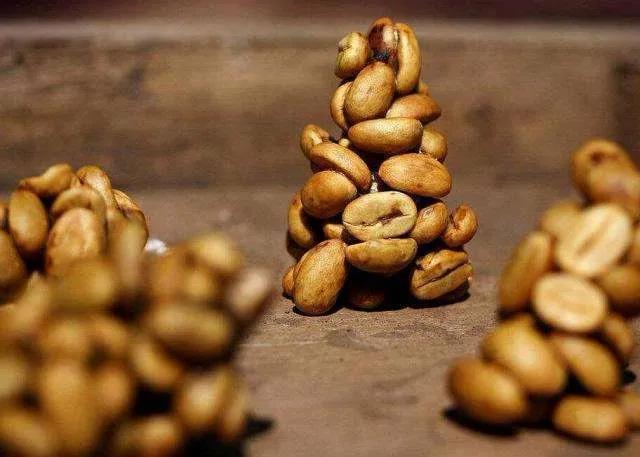
From a flavor perspective, some businesses have introduced this coffee for tasting, and its flavor profile generally features herbal, nutty, dark chocolate, and slight fermented notes. Overall, its performance is not significantly different from the common wet-hulled Mandheling coffee from Indonesia. If one were to distinguish, some drinkers feel that civet coffee has a slightly richer body, but this advantage may be more related to the beans coming from low-altitude regions rather than the result of gastric fermentation.
In fact, since civets primarily consume coffee cherries, the beans remain in their bodies for a very short time—usually just one to two hours—which is insufficient for stomach acid or digestive enzymes to significantly alter the beans. Additionally, as civets mostly inhabit low-altitude areas, the coffee beans from these regions naturally contain higher concentrations of antioxidants and stronger bitter compounds to defend against pests and diseases, which may also contribute to the perceived richness in flavor.
Regarding health benefits, generally speaking, drinking 1 to 2 cups per day of freshly ground coffee without sugar or milk can indeed help protect cardiovascular health, boost metabolism, and even offer certain benefits to liver health. However, these advantages mainly come from the antioxidants and caffeine in the coffee beans, and are not directly related to whether the coffee has been processed by civets. As for weight loss, there is currently no solid scientific evidence showing that civet coffee has any special fat-burning effects, and its impact is not much different from that of regular high-quality black coffee.
In addition, expired coffee, whether in bean or powdered form, is not recommended for consumption, as it may harbor mold or oxidized oils that can irritate the stomach and even cause discomfort.
If you're curious about the unique flavor of civet coffee but have concerns about its origin, or find its price too high, consider high-value alternatives. For example, Mandheling coffee beans from Sumatra’s Lintong region, processed using the wet-hulling method, are an excellent option to try.
The wet-hulling process is a special technique where, after harvesting, the coffee cherries are first depulped to remove the skin and flesh, then undergo a brief fermentation for about 3 hours. They are then partially dried in a high-humidity environment (around 70–90%) until the moisture content is reduced to 30–50%, a semi-dry state. Next, the mucilage and parchment layers are removed, followed by continued drying until the moisture level reaches 12–13%. Because the green beans are exposed to a humid environment after hulling, they easily absorb surrounding odors, so this processing method often results in distinct herbal and woody notes.
Cupping observations show that Mandheling from the Sumatra region generally exhibits low acidity, rich earthy and spicy herbal flavors, a full body, and a lingering finish with notes of caramel and dark chocolate. To enhance these characteristics, many roasters opt for medium to dark roasts, further boosting the body and sweetness. When actually brewed, such coffees deliver an immediate hit of intense herbal aroma, along with dark chocolate and caramel sweetness, and a pronounced aftertaste, making them highly suitable for those who enjoy bold-flavored coffee.
The above content is compiled by CoffeeHunters, a coffee news website.


