








Introduction:Robusta and Arabica are the two most common types of coffee varieties, but why is almost all specialty coffee on the market Arabica? This article delves into the origins, physical characteristics, growing environments, flavor profiles, and practical uses of Robusta, helping you understand its important role in the coffee industry and grasp the advantages it brings to blends and instant coffee applications.
In the world of coffee, Arabica is almost synonymous with specialty coffee, while Robusta is often seen as a second-tier choice. However, this stereotype overlooks an important fact: Robusta plays a pivotal role in the global coffee supply chain. What are the differences between the two in terms of origin, appearance, flavor, and market positioning? This article provides a detailed analysis of the multifaceted characteristics of Robusta coffee beans, taking you deeper into understanding this often underestimated variety.
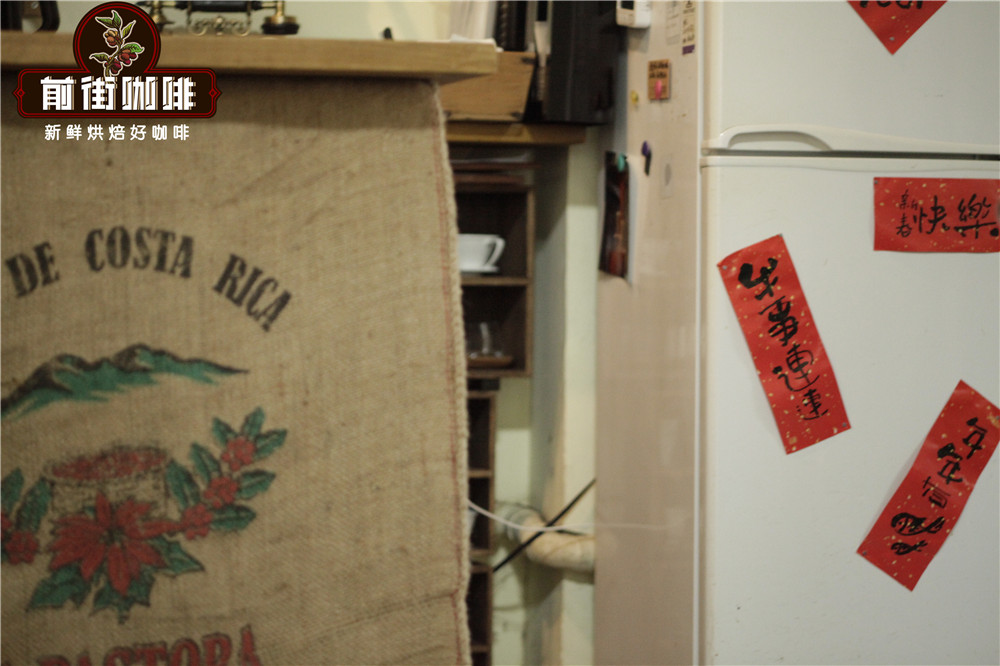
Q1: Where are the origins of Robusta and Arabica respectively?
Arabica is widely believed to have originated in Ethiopia, a highland that still preserves numerous wild and unnamed coffee varieties. Robusta, on the other hand, originated in the Congo region of Central and West Africa and belongs botanically to the Canephora species, also known as the Congo species. It is worth noting that within the Canephora species, only Robusta has so far achieved large-scale commercial cultivation, which is why the name is often used to refer to the entire species group.
Q2: How do the two types of coffee beans differ in appearance?
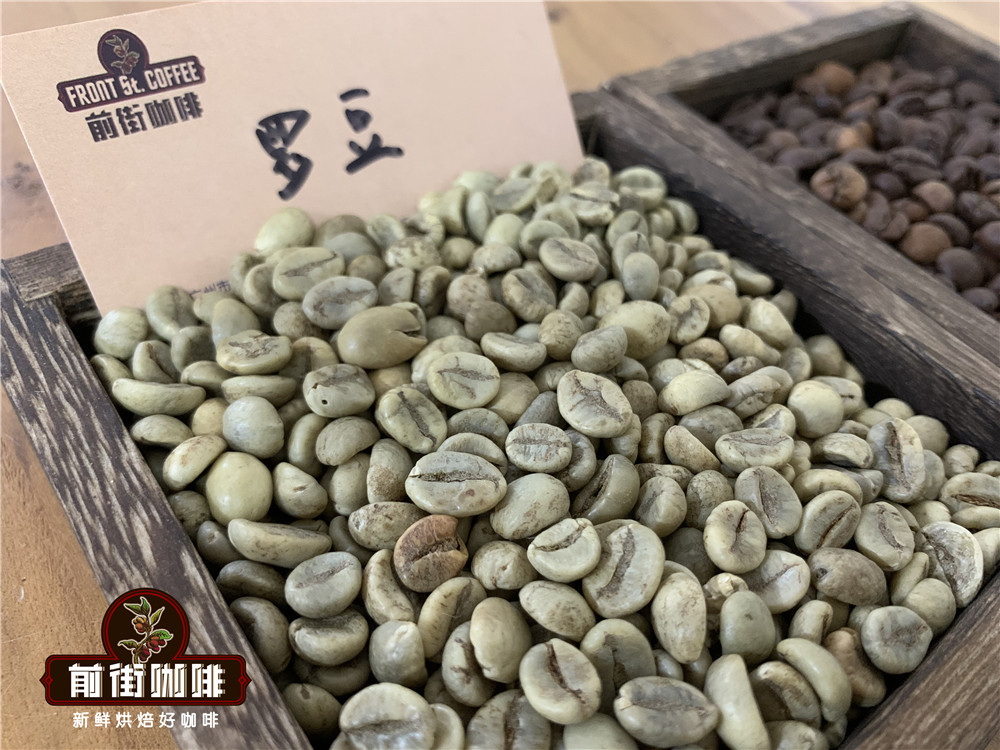
Robusta is a single-seeded fruit (each fruit contains only one coffee bean), with a rounder bean shape resembling the English letter C. Its center line is straight, looking like the number '1'. In contrast, Arabica coffee beans are typically double-seeded fruits — each fruit contains two coffee beans — with an elongated oval shape, slightly flattened, and a center line that is C or S-shaped. Additionally, Arabica occasionally produces fruits with just one bean, commonly referred to as peaberries or pearls.
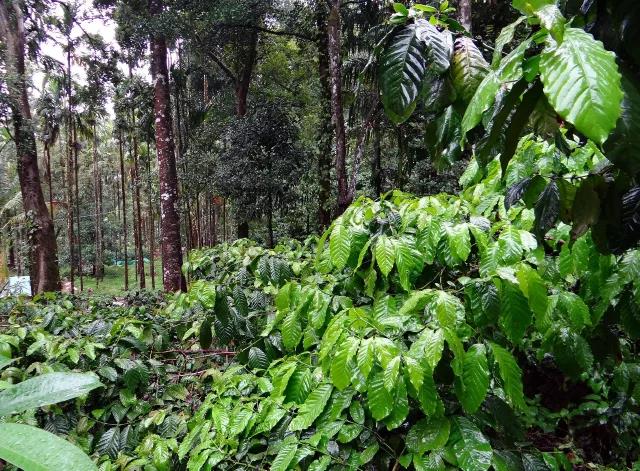
Q3: What are the differences in their growing conditions?
Arabica is extremely picky about its growing environment, thriving best at high altitudes, usually between 1000 to 2000 meters, where the climate is cool and there is a large day-night temperature difference, which helps accumulate flavor compounds. In comparison, Robusta has stronger adaptability and can grow in low-altitude areas (typically 0 to 800 meters) and high-temperature environments. It also shows greater resistance to pests, diseases, and extreme weather. Vietnam, Indonesia, Brazil, and Hainan in China are all major production regions for Robusta.
Q4: How do caffeine content and chemical composition differ?
Arabica has relatively low caffeine content, around 0.9% to 1.2%, but it contains higher levels of fat and sugar, resulting in a softer, brighter acidity, and a rich aromatic complexity. Robusta, however, has a much higher caffeine content of 1.6% to 2.4%, with lower fat and sugar content, leading to a bolder, more bitter flavor. Caffeine itself is a natural insect repellent, helping Robusta resist pest damage.
Q5: Why is Robusta more resistant to disease?
Robusta reproduces through cross-pollination, which combines genetic material from both parent plants, making it more likely to produce new resistant traits and adapt to changing environments. In contrast, Arabica relies on self-pollination, resulting in lower genetic diversity. Long-term cultivation can lead to genetic convergence, reducing its disease resistance. For example, common diseases like leaf rust affect Arabica much more severely than Robusta, which can adapt to environmental challenges through genetic adjustments.
Q6: What are the typical flavor profiles of Arabica?
The Arabica species, through slow growth at high altitudes, accumulates complex flavor compounds. Classic varieties such as Typica, Bourbon, and Geisha exemplify this: Typica typically presents a clean, bright, and balanced flavor; Bourbon is known for its richer aroma and fuller body; Geisha is renowned for its unique jasmine and peach floral notes along with soft acidity.
Q7: What are the flavor characteristics of Robusta?
Because it is mostly grown in low-altitude regions and grows quickly, Robusta's flavor is usually more straightforward. With high chlorogenic acid content, it delivers a pronounced bitterness and bold mouthfeel. Common flavors include notes of nuts, peanuts, hazelnuts, wheat, and cereals. If processed improperly, it may also exhibit earthy or rough off-flavors.
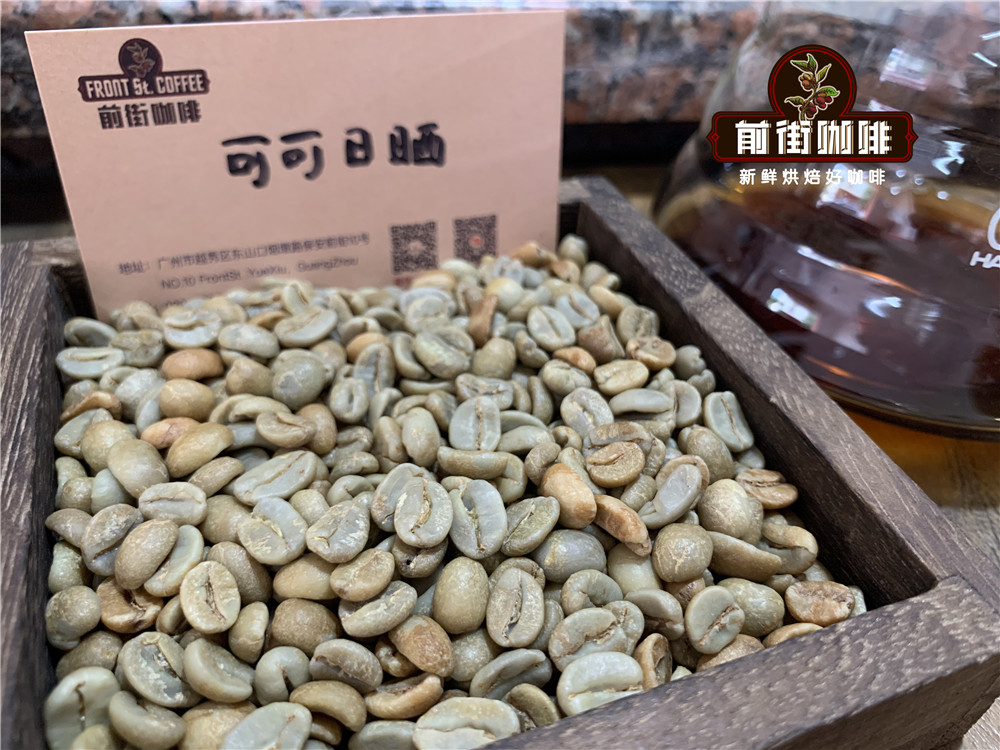
Q8: What are the primary uses of Robusta?
Although Robusta lacks the refined flavors of Arabica, its high body and rich oils make it a primary ingredient in instant coffee. Even when combined with large amounts of sugar and creamer, it can maintain a certain level of strong mouthfeel. Additionally, many coffee brands blend Robusta with other varieties to enhance the coffee’s body and richness. For instance, blending Robusta with Colombian, Brazilian, or Mandheling beans can effectively boost aroma layers and flavor stability, and is widely used in commercial and everyday coffee products.
The above content is compiled by CoffeeHunters, a coffee news website.


