







Introduction:Geisha coffee is renowned for its unique floral aroma, but its expression varies dramatically across different producing regions. This article delves into Geisha coffees from Panama, Costa Rica, and Ethiopia, analyzing everything from variety origins and growing altitudes to processing methods and cupping profiles — helping you find the Geisha beans that best suit your taste and master the key points of evaluation.
The widespread popularity of Geisha coffee stems largely from its distinctive and captivating floral notes, but this signature characteristic actually originates primarily from Panama. When this variety was introduced to other regions such as Ethiopia and Costa Rica, its flavor profile underwent significant changes. This article will focus on Geisha coffees from Panama, Costa Rica, and Ethiopia, exploring their varietal backgrounds, growing environments, processing techniques, and actual cupping performances to give you an in-depth understanding of the unique traits of Geisha from each region.
Many people mistakenly assume all Geisha coffees exhibit intense floral aromas, but this trait is mainly closely tied to the cultivation and processing techniques of Panama’s Hacienda La Esmeralda. Since Panama Geisha skyrocketed to fame in international competitions in 2004, many coffee-growing regions around the world began planting Geisha. However, due to differences in genetics, altitude, climate, and processing methods, the resulting flavor profiles vary greatly. Below, we’ll compare Geisha coffees from these three major regions in detail.
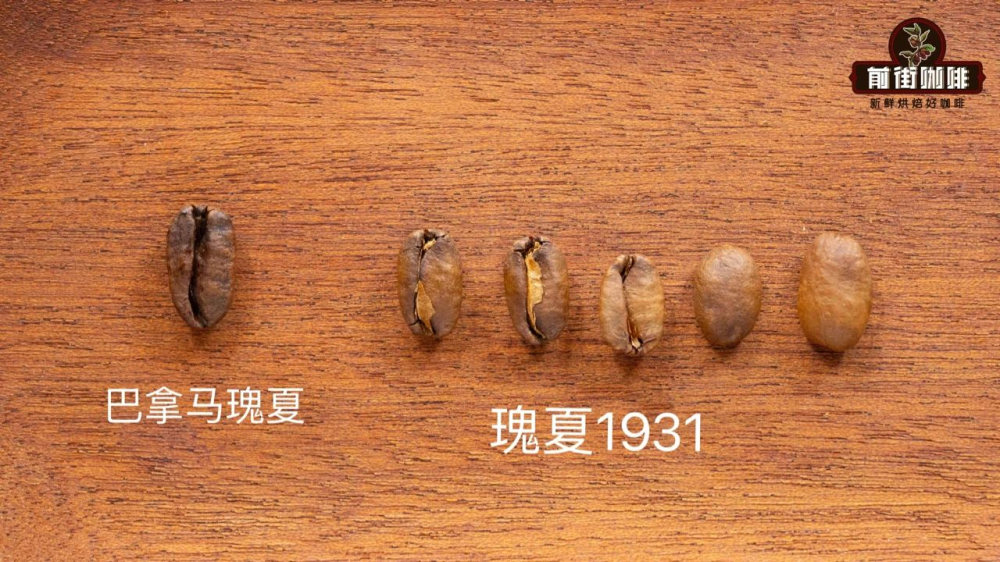
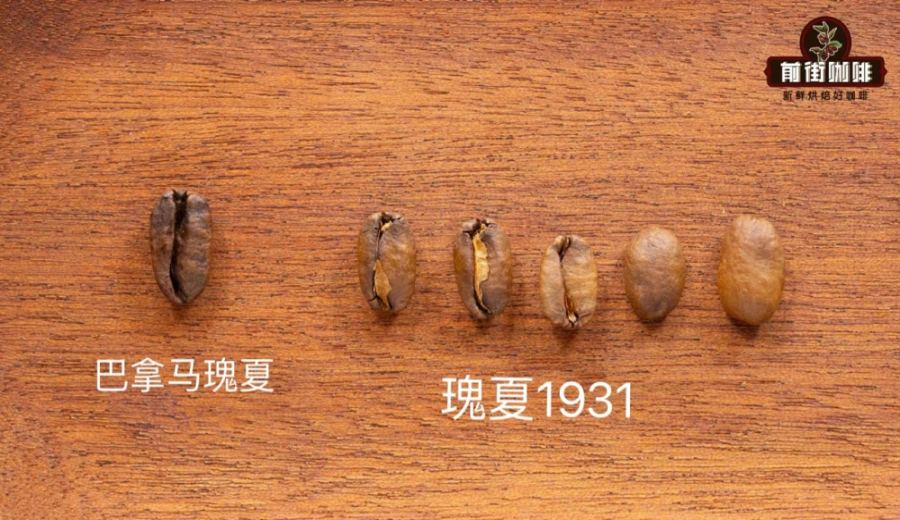
First, let’s look at Ethiopian Geisha coffee. Although Ethiopia is considered the origin of Geisha, the Geisha variety currently grown in Ethiopia’s Gesha Village has almost no genetic relation to the Panama Geisha we’re familiar with. Ethiopian Geisha can be divided into three main varieties: Gori Gesha (GG), which retains the genetic diversity of the local virgin forests; Illubabor Forest 1974 (IF), discovered in 1974 in the Illubabor forest in southwestern Ethiopia and later cultivated by a local research center, known for good disease resistance; and Geisha 1931 (G31), which combines traits from multiple forest strains. Though its appearance resembles Panama Geisha, its genetic similarity is actually quite low. Among them, G31 is considered the closest to Panama Geisha in plant morphology and cupping performance, but its actual genetic overlap is quite limited, so its flavor profile is vastly different from the Panama version.
Take, for example, the Gesha Village Omna 059 lot from Ethiopia’s Bench Maji region. This coffee is processed using the natural (sun-dried) method (over 32 days), is of the Gesha 1931 variety, and is grown at altitudes between 1,931 and 2,040 meters. The resulting flavor profile features intense fermentation notes, paired with distinct citrus aromas, delicate floral scents, and a berry-like sweet-tart character. The mouthfeel is creamy and smooth, acidity is soft, sweetness is moderate, and the aftertaste is clean and lingering.
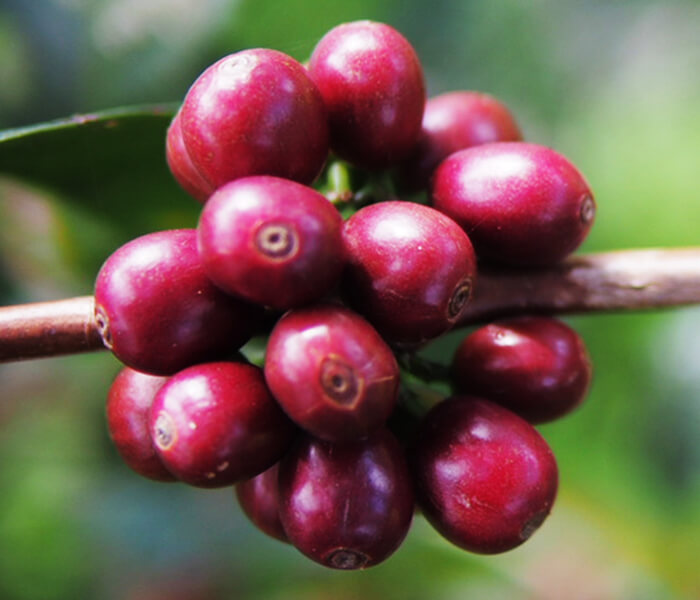
Next, let’s examine Panamanian Geisha coffee, which is the source of what most people consider the “standard” image of Geisha. Panama’s Hacienda La Esmeralda Geisha shot to fame after winning the Best of Panama (BOP) competition in 2004, instantly propelling Geisha into the limelight. Geisha was first discovered in Ethiopia’s Gesha Forest in 1931, then traveled through Kenya, Uganda, Tanzania, and Costa Rica, finally arriving in Panama around 1960. Hacienda La Esmeralda categorizes Geisha into three grades: Red Label, Green Label, and Blue Label.
Red Label Geisha is grown at altitudes between 1,600 and 1,800 meters, often scoring 90 points or higher in cuppings, primarily sourced from the Jaramillo and Canas Verdes regions. The Red Label Geisha from this region is sourced from Canas Verdes and processed using the natural method, showcasing intense rose floral notes paired with berry-like sweet-tart flavors and a rich fruit profile. The mouthfeel is full-bodied and layered. The Green Label, though not auctioned, is also of excellent quality and comes in both natural and washed processes: the washed version offers bright fruity and citrus acidity with a clean profile; the natural version adds more intense fruit pulp richness on that foundation. The Blue Label is grown at slightly lower altitudes, between 1,400 and 1,500 meters, and is a blend of Geisha from the Jaramillo, Canas Verdes, and El Velo plots. Starting in 2020, the natural process was added to the lineup. The washed version has a clean profile with subtle floral notes and bright acidity, while the natural version bursts with fruity flavors and a juicy mouthfeel.
Finally, let’s explore Costa Rica’s Finca Las Brujas (Little Candle Estate). Costa Rica has over two hundred years of coffee farming history, with a mature industry and stable techniques. Among them, Finca Las Brujas has successfully cultivated competitive Geisha coffee thanks to its unique microclimate. The estate experiences extreme day-night temperature variations, with early morning lows dropping to 9°C, midday highs reaching 35°C, and evenings falling back to around 9°C. These dramatic fluctuations help coffee cherries accumulate more flavor compounds, resulting in a more refined and delicate cup.
The Geisha from Finca Las Brujas is processed using the washed method and grown at an altitude of 1,750 meters. The cupping profile is dominated by jasmine floral notes, with a pronounced lemon acidity upon entry. The overall mouthfeel is clean and refreshing, gradually revealing honey-like sweetness in the mid-palate, and the aftertaste leaves a green tea-like fresh finish. The overall profile is very balanced and layered.
In summary, Panamanian Geisha excels with intense floral aromas and rich fruit tones, making it a favorite among many coffee enthusiasts; Costa Rican Geisha showcases the clarity and delicacy of high-altitude washed processing; and Ethiopian Geisha, despite being genetically distinct from the Panamanian version, still retains unique fermented aromas and fruity acidity. Understanding these regional differences will help you choose the Geisha coffee that suits your palate the best.
The above content is compiled by CoffeeHunters, a coffee news website.


