







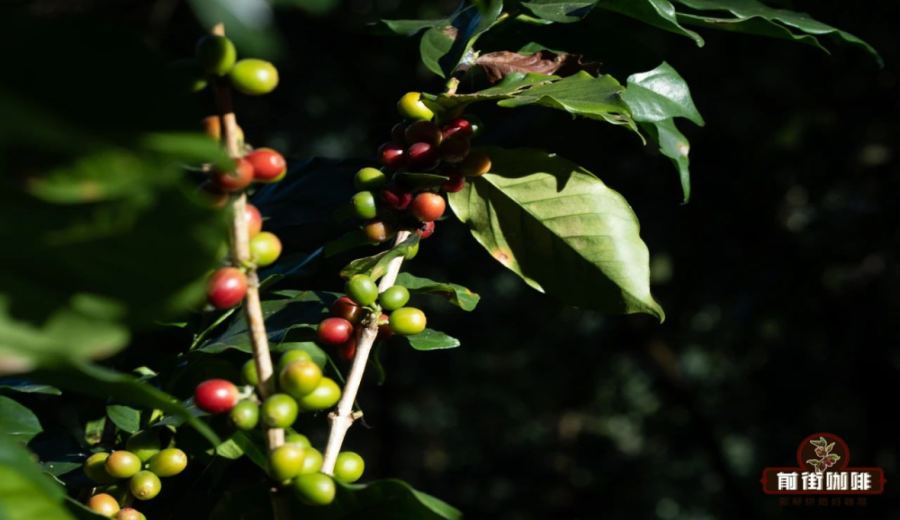
Introduction:Do you know why Yunnan coffee is often referred to as "small-bean coffee"? This is actually closely related to the characteristics of the Arabica variety. This article will take an in-depth look at the varietal origins of Yunnan small-bean coffee, the development trajectory of its major producing regions, and analyze its unique flavor profile featuring soft aromas and a balanced acidity and sweetness. We’ve also compiled practical V60 pour over recommendations, including grind size, water temperature, and pouring steps, to help coffee enthusiasts brew a well-balanced and smooth cup of Yunnan-flavored coffee at home.
Among the three main cultivated species in the genus Coffea, Arabica is referred to as "small-fruit coffee" due to its noticeably smaller fruit size. This name is the origin of the term "Yunnan small-bean coffee." This article not only approaches the topic from a botanical classification perspective but also takes you through how Yunnan small-bean coffee evolved from an introduced variety into a representative regional product. Through actual cupping experiences, we’ll introduce its pleasant aroma, moderate acidity, and rich yet non-irritating mouthfeel. Additionally, we’ll detail the characteristics of three popular Yunnan-origin coffee beans and provide V60 pour over parameters and specific brewing tips tailored for medium-to-dark roasts, helping you easily recreate a balanced and gentle Yunnan-flavor coffee.
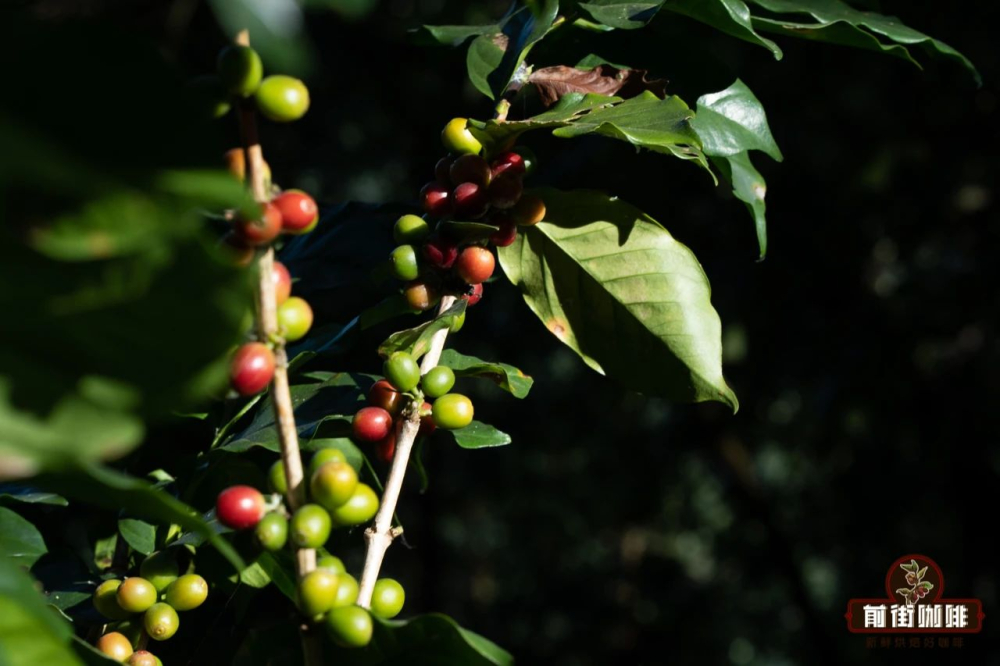
The plants of the genus Coffea belong to the Rubiaceae family and are mainly divided into three cultivated species: Arabica, Robusta, and Liberica. Among them, Arabica has relatively small fruits, hence it is called "small-fruit coffee"; Robusta has medium-sized fruits, commonly known as the "medium-fruit variety"; and Liberica has noticeably larger fruits, earning it the name "large-fruit variety." This classification is reflected not only in appearance but is also closely related to the flavor, cultivation conditions, and environmental adaptability of each variety.
So, why is coffee grown in Yunnan often called "small-bean coffee"? The reason lies in the fact that the variety widely planted there is Arabica, which produces relatively small fruits. Due to its appearance and flavor characteristics, it has naturally been given the titles "small-bean" or "small-fruit." Historical records indicate that over a hundred years ago, a French missionary introduced Arabica coffee seedlings to Yunnan for trial planting, and the term "small-bean coffee" was already in use at that time. Over time, for the sake of differentiation and convenience in naming—and since this variety was primarily cultivated in Yunnan—the well-known name "Yunnan small-bean coffee" eventually came into being.
Currently, the main producing regions of Yunnan small-bean coffee include multiple areas such as Pu’er City, Lincang City, Baoshan City, Dehong Dai and Jingpo Autonomous Prefecture, Nujiang Lisu Autonomous Prefecture, Xishuangbanna Dai Autonomous Prefecture, Dali Bai Autonomous Prefecture, and Diqing Tibetan Autonomous Prefecture. Moreover, the planting area and scale of these regions continue to expand to this day, demonstrating Yunnan’s potential and vitality as an important coffee-producing region in China.
Ideal coffee-growing zones are typically located between the Tropic of Cancer and the Tropic of Capricorn (approximately between 28°N and 38°S), also known as the "coffee belt," with elevations preferably between 1,000 and 2,000 meters. In China, regions including Yunnan, Guangxi, Guangdong, Taiwan, and parts of Hainan meet the basic conditions for coffee growth, but those that can consistently achieve high elevation standards are mainly Yunnan and Taiwan. Especially Yunnan, with its diverse terrain and climate, many areas have elevations and diurnal temperature variations that are very suitable for the growth of high-quality Arabica varieties.
Looking back at history, the introduction of Yunnan small-bean coffee can be traced back to 1892. Since then, this foreign coffee variety has taken root and flourished in Yunnan, boasting over a century of cultivation history. Initially, it was planted mainly to satisfy the personal taste preferences of a few individuals, but over time, coupled with gradually advancing agronomic techniques and scientific management, Yunnan small-bean coffee has now developed into a regionally distinctive cash crop and has begun to gain attention and acclaim in domestic and international coffee markets.
When it comes to the flavor characteristics of Yunnan small-bean coffee, professional cupping has found that its profile tends toward a neutral tone, with neither acidity nor bitterness being overly strong. Overall, it presents a distinctly aromatic, rich yet soft profile with a mildly pleasant acidity—making it highly suitable for consumers who are new to single-origin coffee. Relevant cupping data points out that 1,200 meters in elevation is an important watershed affecting the flavor quality of Arabica. Therefore, when selecting Yunnan small-bean coffee green beans, it is recommended to prioritize beans from high-elevation regions above 1,200 meters, as it is only in such environments that coffee cherries can accumulate richer and more layered aromatic and flavor compounds.
Generally speaking, the higher the elevation of Yunnan small-bean coffee, the more likely it is to exhibit a softer and more natural fruity acidity, accompanied by pleasant layers of aroma such as nuts and caramel. These traits make Yunnan small-bean coffee not only suitable for single-origin enjoyment but also increasingly a key base for many blended beans.
Commonly available Yunnan small-bean coffee beans on the market today, such as the "2013 Natural Typica Coffee Beans," "Selected Regional Staple Bean – Yunnan Baoshan Washed Catimor Coffee Beans," and "Fully Ripe Natural – Baoshan Ludianba Region Catimor Coffee Beans," all possess the region’s distinctive nutty, caramel, and plum flavor profiles. To fully showcase these characteristics while retaining a soft acidity and rich mouthfeel, these coffee beans are usually roasted to a medium-to-dark level. Therefore, when brewing via pour over, it is recommended to prioritize balance without deliberately enhancing acidity or modifying the aftertaste.
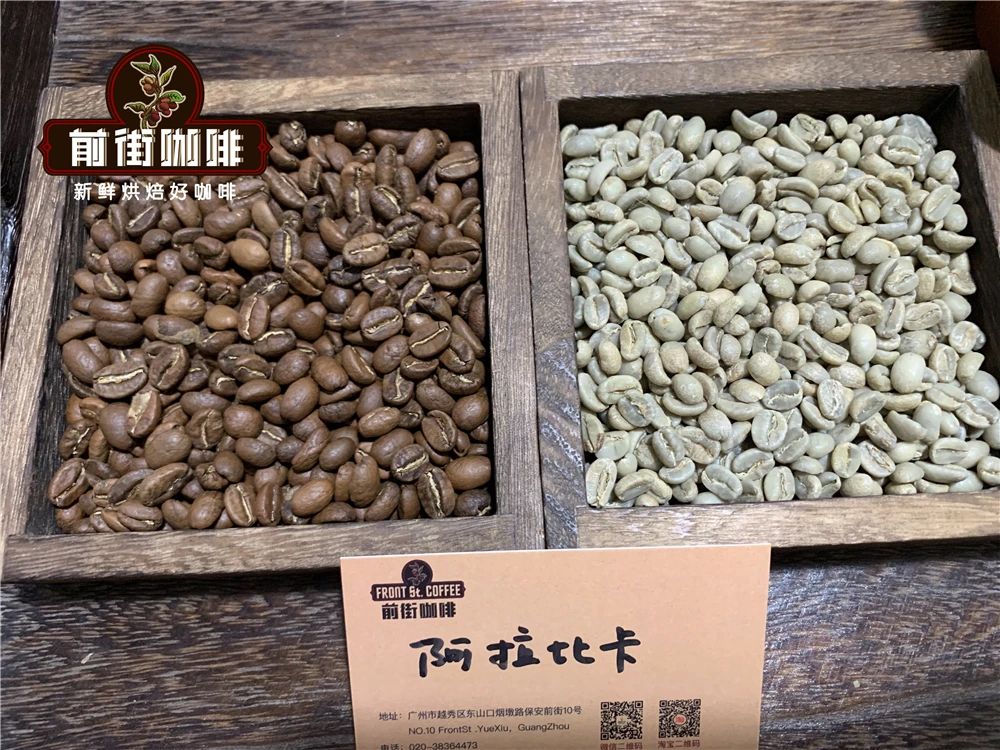
Practical pour over recommendations are as follows: It is suggested to use 15 grams of coffee grounds, with a brew ratio set at 1:15; if you prefer a clearer and brighter flavor profile, you may adjust it to 1:16. The V60 dripper is recommended, with water temperature controlled at 88°C to help soften the acidity. For grind size, a medium-fine grind is advisable, roughly similar to fine sugar (recommended using a #20 sieve with about 75% extraction rate). Specific brewing steps: First, pour 30 grams of water for a 30-second bloom; then pour in a small circular motion up to 125 grams, and once the coffee bed has drained to about half, pour again in a small circular motion up to 225 grams. The total brew time is recommended to be around 2 minutes and 10 seconds. This way, the richness and balance of Yunnan small-bean coffee can be fully expressed, allowing you to enjoy a professional-level pour over experience at home.
The above content is compiled by CoffeeHunters, a coffee news website.


