








Introduction:Delve into the soul of Panama’s specialty coffee regions, from Boquete to Volcán, and uncover the mysteries of the Geisha variety. Learn how Hacienda La Esmeralda achieves its renowned Red, Green, and Blue Label Geisha coffees through rigorous grading, and master professional pour over recommendations to elevate flavor expression. This guide is perfect for enthusiasts eager to explore high-altitude specialty coffee and practical brewing techniques.
Panama has long held a distinguished place in the world of specialty coffee, particularly famed for its Geisha variety. Known for its bright acidity, complex fruit notes, and silky finish, this variety has captivated coffee lovers worldwide. The grading system established by Hacienda La Esmeralda — Red, Green, and Blue Labels — has only heightened its appeal. This article will take you through the region’s background, Geisha grading logic, renowned farms, and practical pour over parameters, offering a comprehensive understanding of Panama’s specialty coffee charm.
The Origins and Characteristics of Panama’s Coffee Regions
Panama’s coffee cultivation history dates back to 1780, when European settlers first introduced Typica to the region. Located in Central America, Panama boasts high-altitude terrain, rich volcanic soil, and a favorable microclimate — ideal conditions for producing high-quality coffee.
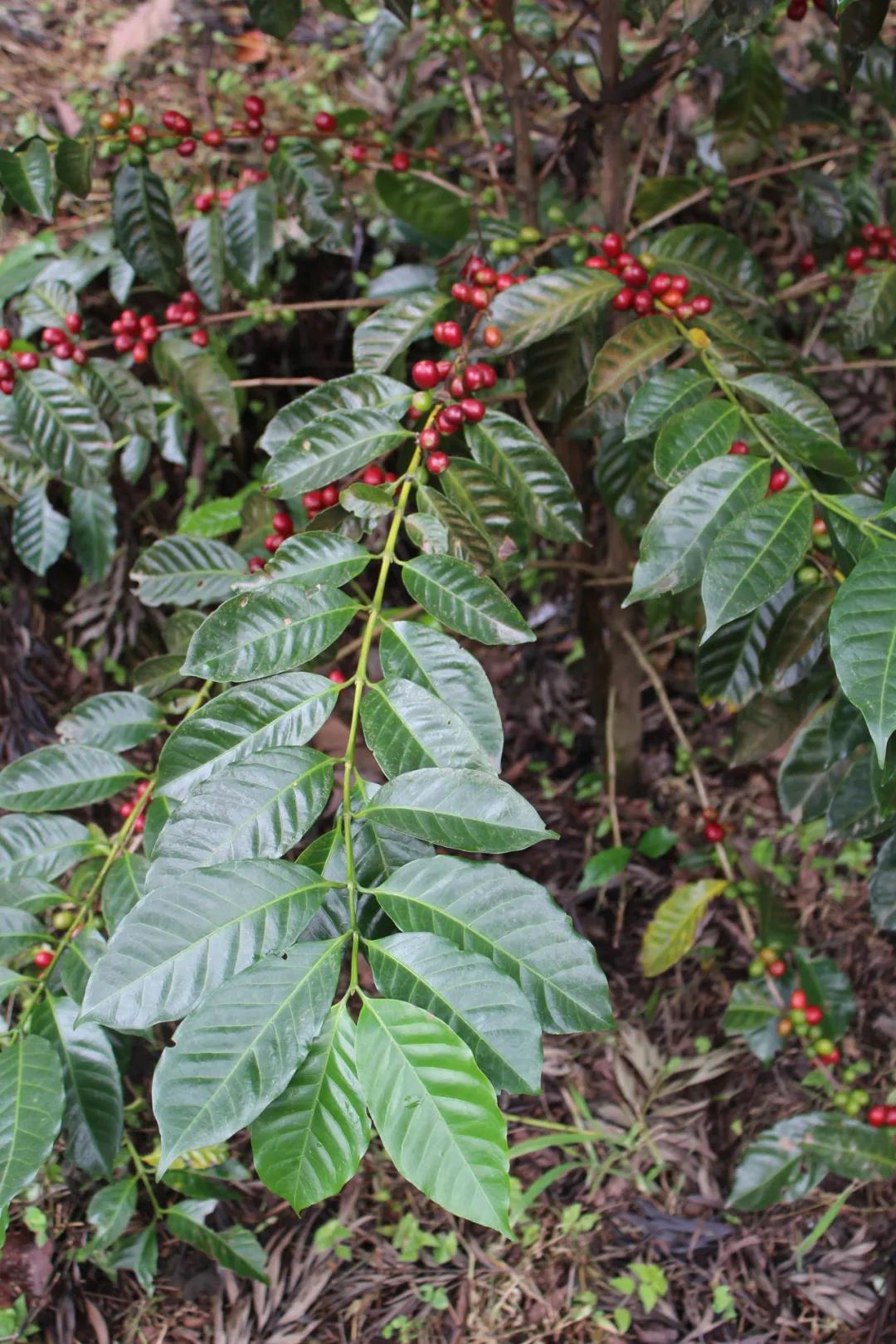
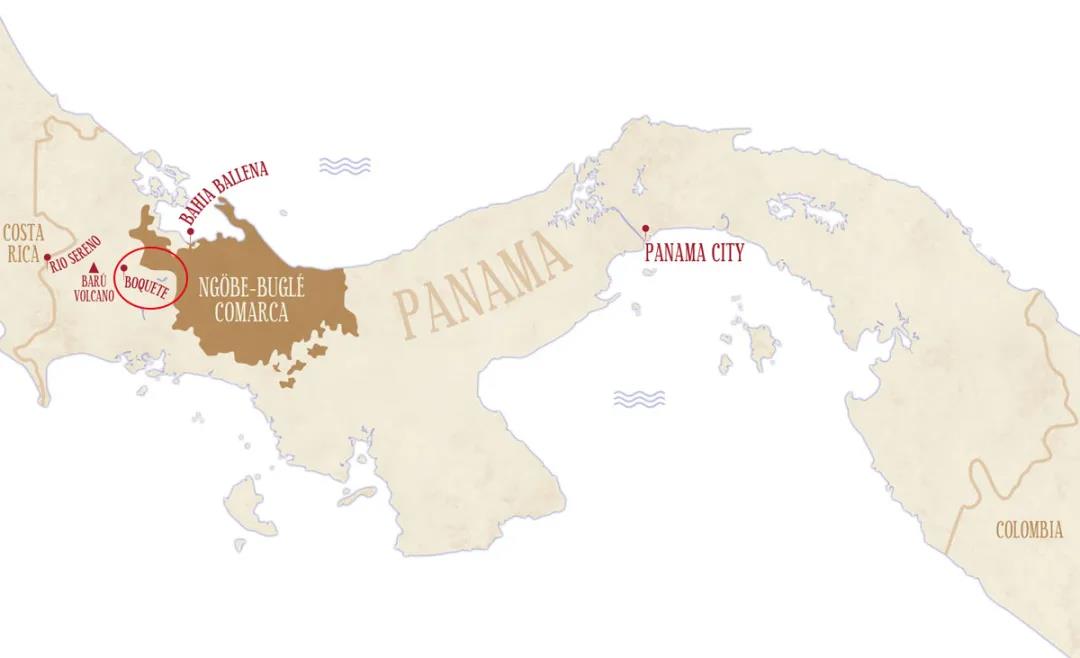
Currently, Panama’s specialty coffee is primarily concentrated in two major regions: Boquete and Volcán. Both areas are situated in high-altitude mountainous zones with cool climates and significant day-night temperature variations, which help coffee cherries ripen slowly and accumulate richer flavor compounds. Boquete, near the Barú Volcano, is home to many well-known farms such as Hacienda La Esmeralda and Elida Estate, often producing coffees with distinct floral and fruity characteristics.
The Rise of Hacienda La Esmeralda and the Geisha Variety
When discussing Panama’s Geisha, one cannot overlook Hacienda La Esmeralda. The farm initially acquired the Geisha variety when it purchased Jaramillo, where Geisha was originally used only as a windbreak and went largely unnoticed. However, cupping results revealed its astonishing flavor potential, and Geisha gradually became the farm’s flagship variety.
Originally grown in high-altitude and challenging environments, the stress of these conditions contributed to Geisha’s unique aroma and acidity. Hacienda La Esmeralda further categorizes Geisha into three main grades — Red, Green, and Blue Labels — based on altitude, plot, and processing method. Each grade offers distinct flavor profiles and market positioning.
A Detailed Breakdown of Geisha Grades
Hacienda La Esmeralda grades its Geisha primarily according to cultivation altitude and cupping performance, divided into the following three tiers:
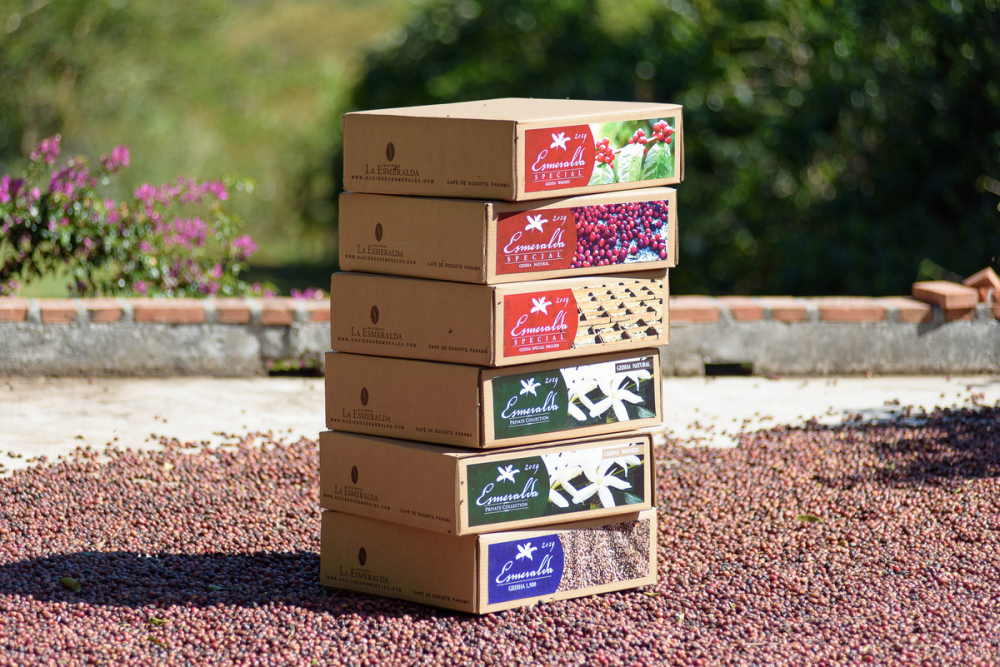
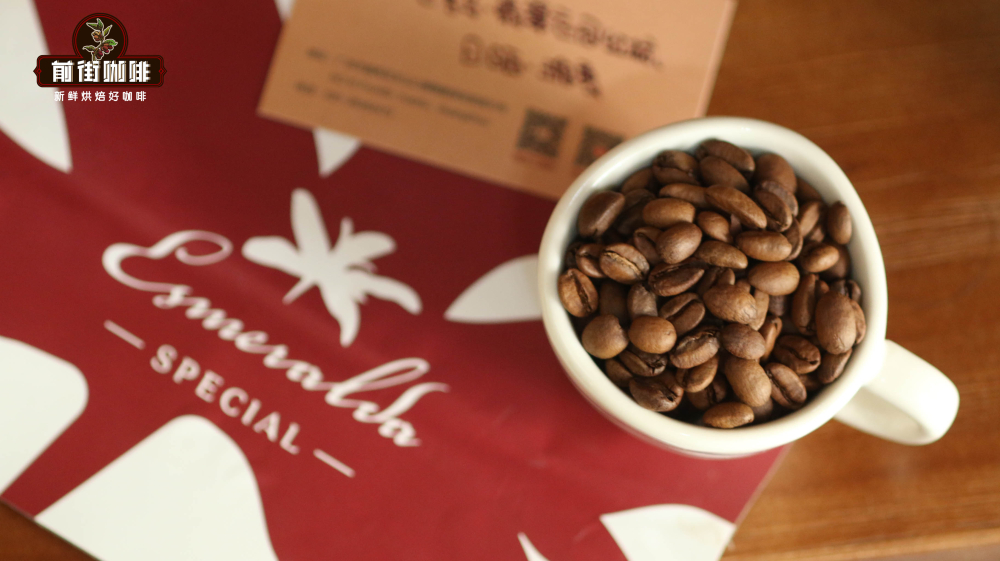
Red Label Geisha: Represents the highest grade, sourced from the Jaramillo and Canas Verdes plots at altitudes between 1600 and 1800 meters, often scoring above 90 in cupping tests. This grade can be traced to specific micro-lots and is frequently released via auction. Red Label Geisha is available in both natural and washed processes, showcasing bright flavors often featuring citrus, floral, and berry notes.
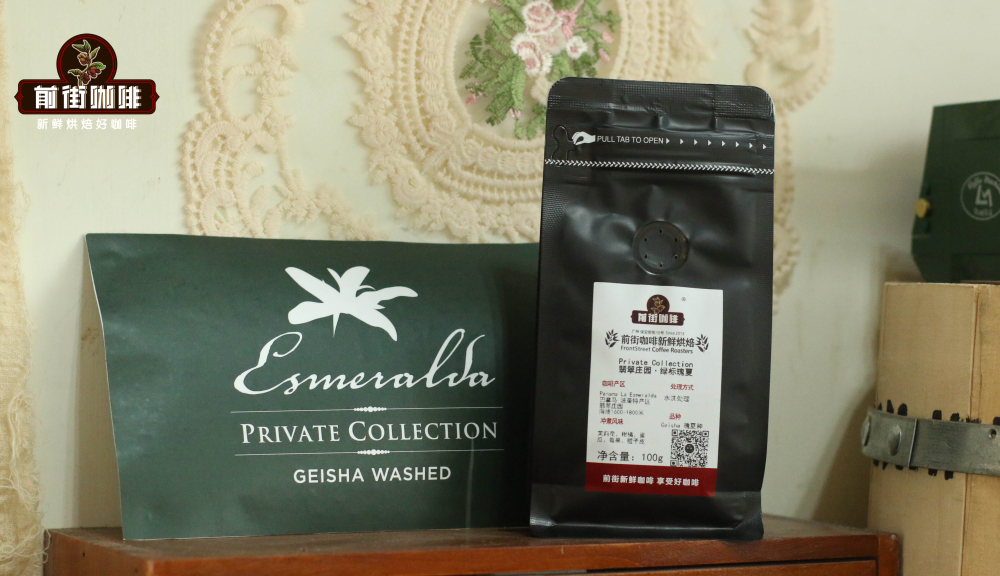
Green Label Geisha: Also known as “Private Collection,” this blend combines micro-lots from various plots. While it cannot be traced to a single estate plot, the overall quality remains excellent. Like the Red Label, the Green Label retains Geisha’s classic floral, fruity, and acidic characteristics, making it a great value choice.
Blue Label Geisha: Part of the Geisha 1500 brand, this blend uses beans from multiple plots at altitudes of 1400 to 1500 meters, typically offered only in washed process. However, a natural version has also been introduced in recent years, adding more fruitiness and sweetness. The Blue Label features a softer profile with gentle floral and fruity acidity, suitable for those who prefer a more delicate taste.
The Impact of Processing Methods and Roasting
Different processing methods significantly influence Geisha’s flavor. For example, the washed process highlights clean acidity and clear floral-fruity notes, while the natural process enhances sweetness and fruitiness, resulting in a richer flavor profile. For instance, a natural Blue Label Geisha purchased by one coffee brand exhibited tropical fruit flavors such as peach, cantaloupe, and strawberry. Additionally, roast level control greatly affects the final flavor — high-temperature roasting brings out intense floral notes, while medium-light roasting helps preserve delicate fruit acidity and aroma.
Other Recommended Offerings from Boquete: Flower Butterfly and Elida
Besides Hacienda La Esmeralda, Boquete has several other notable farms and offerings. For example, “Flower Butterfly” coffee beans, a blend of Geisha, Caturra, and Catuaí processed using the washed method, deliver a balanced flavor with prominent floral, citrus, and honey sweetness. Meanwhile, Elida Estate is known for its Caturra variety grown at high altitudes (1850 meters), which, when processed naturally, exhibits fermented fruit acidity, jasmine floral notes, and bright cane sugar sweetness.
The Diverse Flavors of the Volcán Region
Though less renowned than Boquete, the Volcán region holds undeniable potential. For instance, the Geisha variety from Jensen Estate, produced in limited quantities and mainly for domestic consumption, is rarely seen on the international market. However, its naturally processed Geisha showcases subtle berry notes, honey aroma, and lychee flavors. Additionally, Hartmann Estate employs a red wine processing method (also known as carbonic maceration) on Catuaí, delivering rich wine-like aromas and lively acidity, with a caramelized brown sugar sweetness emerging as it cools.
Recommended Panamanian Coffee Beans for Reference
Here are several Panamanian specialty coffee beans suitable for pour over, along with their flavor profiles:
- Flower Butterfly Coffee Beans(Boquete, 1600m, washed): Citrus, floral, honey, high sweetness
- Natural Blue Label Geisha(Boquete, 1500m, natural): Peach, floral, cantaloupe, strawberry
- Red Label Geisha(Boquete, 1700m, natural): Lemon, honey, berries, orange peel, cream
- Elida Estate Coffee Beans(Boquete, 1850m, natural): Fermented fruit acidity, jasmine floral, cane sugar sweetness
- Hartmann Coffee Beans(Volcán, 1250-1700m, red wine process): Wine aroma, brown sugar, bright acidity
- Jensen Geisha Coffee Beans(Volcán, 3000mm rainfall, natural): Berries, honey, lychee
Recommended Pour Over Parameters for Panamanian Geisha
If you’d like to brew Panamanian Geisha at home, consider the following pour over settings to fully showcase its layers and aromas:
- Brewing Method: Pour over
- Filter Cone: Hario V60
- Water Temperature: 90-92°C
- Grind Size: Medium-fine (approximately 80% through a #20 sieve)
- Coffee-to-Water Ratio: 1:15
Brewing Technique: Use a blooming pour. Start with 30g of water for a 30-second bloom, then pour in small streams until reaching 130g for the first pour. When the water level drops, continue pouring to 225g before removing the filter. Total brew time should be around 1 minute and 50 seconds for optimal balance.
The above content is compiled by CoffeeHunters, a coffee news website.


