







Introduction:Delve into the unique charm of Ethiopia’s Yirgacheffe coffee region—from the misty highland valleys and the flavor differences between washed and natural processing, to its refined grading system and renowned cooperatives. We also provide practical pour over roasting and brewing recommendations to help you master the core knowledge of this world-class coffee origin in one go.
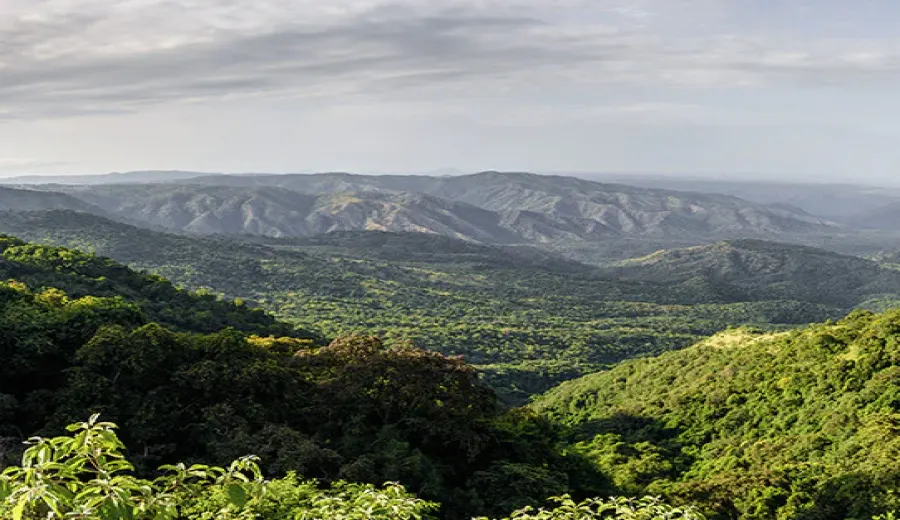
Yirgacheffe is one of Ethiopia’s most iconic specialty coffee regions, situated at an altitude of approximately 1,700 to 2,100 meters above sea level. With a mild, foggy climate, it boasts exceptionally favorable geographical conditions. The coffee beans grown in such an environment often exhibit delicate floral notes, bright acidity, and rich complexity, making them a dream bean for many coffee enthusiasts.
Although Yirgacheffe is administratively part of the Sidama region, its highly distinctive flavor profile led to it being recognized as a significant sub-region many years ago. Between 2006 and 2007, a trademark dispute arose, which was ultimately resolved when the Ethiopian government successfully reclaimed the branding rights for three major regions, including Yirgacheffe, further solidifying its position in the global specialty coffee market.
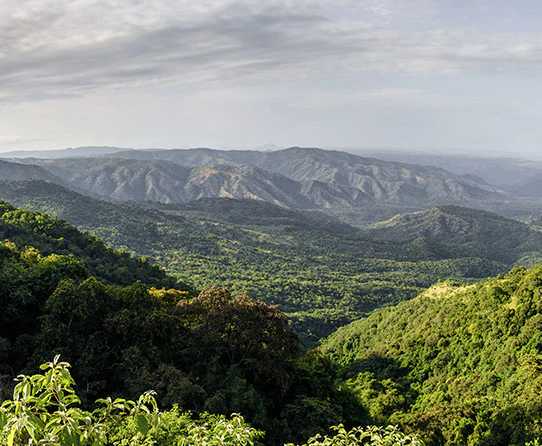
Historically, the Yirgacheffe area has been a moist valley. “Yirga” means “a place to settle,” and “cheffe” refers to “wetland.” Coupled with the nourishment from nearby lakes such as Lake Turkana, Lake Abaya, and Lake Chamo, the region is shrouded in fog year-round, with a spring-like climate and noticeable day-night temperature variations. This unique microclimate is highly suitable for growing Arabica coffee trees. There are no large-scale farms here; instead, most coffee is grown by smallholders intercropped with other crops like banana trees, creating a pastoral landscape that coexists harmoniously with nature.
Planting Environment and Systems
The villages within the Yirgacheffe region are scattered across the mountains, enjoying a spring-like climate year-round. Summers are cool with frequent breezes, rainfall is abundant yet not overly humid, and winters are rarely harsh. These conditions create an ideal environment for cultivating Arabica coffee. Unlike large-scale plantations, local farmers often adopt mixed cropping methods, planting coffee trees alongside other cash crops—especially under the shade of banana trees. This not only provides shade but also enhances the stability of the microclimate.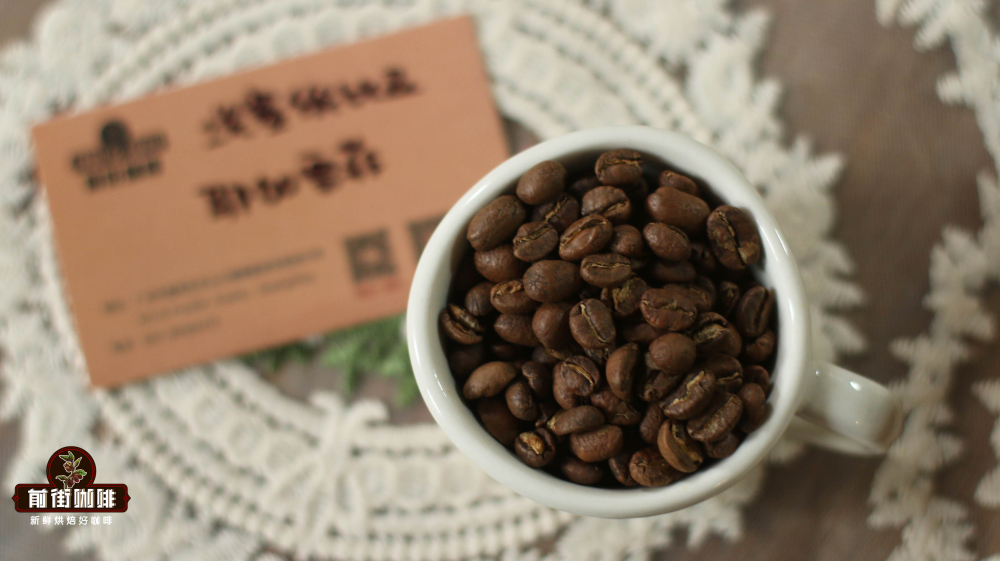
Processing Method Differences: Washed vs Natural
Ethiopia initially relied primarily on traditional natural processing, but the method was relatively crude, often resulting in off-flavors and inconsistent taste profiles. Starting in 1959, Yirgacheffe introduced washed processing techniques from South America, becoming one of the first regions in the country to widely adopt modern washed processing. This method involves removing the outer skin of the coffee cherry, then fermenting and washing away the mucilage before drying. The result is a clean, bright acidity and pronounced fruity aroma.
After 2006, some processing facilities began adopting the “raised bed natural” method, placing coffee cherries on elevated drying beds to avoid direct contact with the ground. This significantly reduces the risk of impurities and earthy flavors. This meticulous process takes about two weeks, during which the cherries are frequently turned to ensure even drying, ultimately yielding intense, pure fruit sweetness and wine-like notes—key reasons why natural Yirgacheffe is so beloved.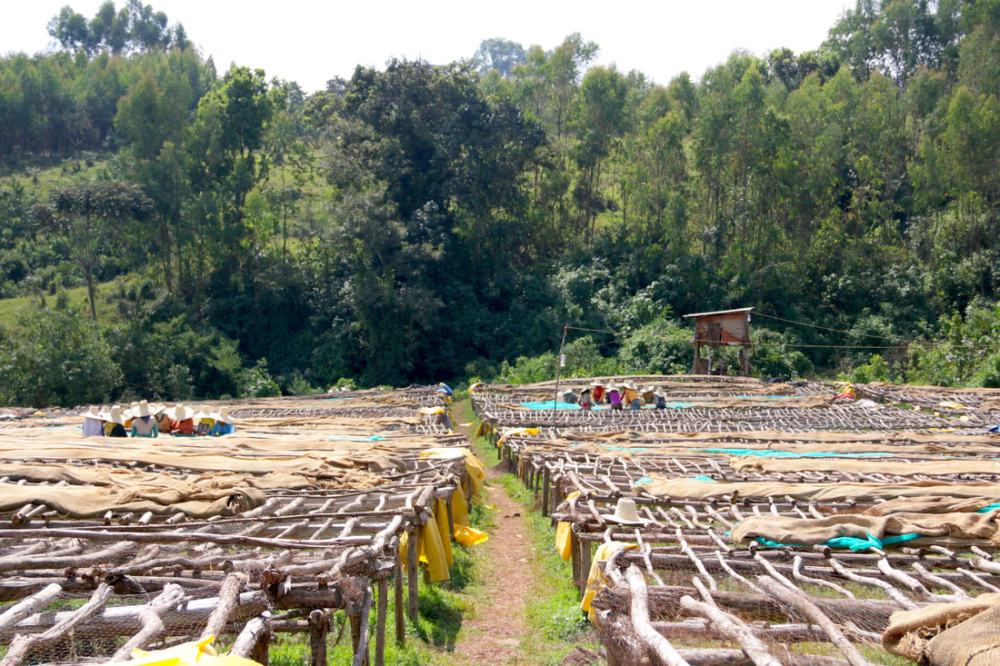
Flavor Profiles: Washed vs Natural
Washed Yirgacheffe typically showcases distinct lemony acidity and jasmine-like floral notes, with a bright, clean taste and delicate acidity—ideal for those who enjoy fruity acidity and floral profiles. In contrast, natural Yirgacheffe, due to prolonged contact with the fruit pulp, develops rich tropical fruit sweetness, wine-like notes, and ripe berry flavors, with a long, sweet aftertaste. It appeals to coffee lovers who prefer bold, fruity profiles with a heavier mouthfeel.
Green Bean Grading and Representative Cooperatives
Ethiopia’s coffee grading system is not based on bean size but primarily on defect rates. Using the ECX specialty coffee grading system and evaluated by Q-Graders, washed Yirgacheffe is categorized into Grade 1 and Grade 2, while natural Yirgacheffe includes Grade 1, Grade 3, Grade 4, and Grade 5. Among these, Grade 1 has the lowest defect rate and the highest quality.
The Yirgacheffe region is home to several outstanding cooperatives, such as the Worka Cooperative and the Guji Dingding Cooperative. Established in 2005 and affiliated with the YCFCU, the Worka Cooperative specializes in producing bold natural-processed beans. The Guji Dingding Cooperative, independently registered in 2012, emphasizes traceability and refined processing, focusing mainly on washed beans. Its coffees are known for their clean, bright profiles, prominent acidity, and have received widespread market acclaim.
Roasting and Pour Over Recommendations from a Coffee Brand
In terms of roasting, a certain coffee brand adopts a gentle, gradual roasting strategy for the Guji Dingding Cooperative’s green beans. With a roasting time of about 10 minutes, the beans are thoroughly dried to reduce sharp acidity, while the heat is moderately extended after first crack to promote caramelization, enhancing sweetness and complexity.
For pour over brewing, since Guji Dingding beans are relatively hard and absorb water slowly, it is recommended to use91°C water temperature,medium-fine grind (approximately 80% passing through a #20 sieve, around 24 clicks on a hand grinder C40, or about 10 clicks on an EK43s), with a1:15 coffee-to-water ratio, using about15 grams of coffee. Employ a three-stage pouring method: start with a 30-second bloom (30 ml), followed by pouring 100 ml, and then 95 ml, keeping the total extraction time around2 minutes.
This parameter setup fully highlights the delicate acidity of Guji Dingding’s washed Yirgacheffe, such as the refreshing citrusy brightness akin to yellow lemon, blended with a light cane sugar sweetness and a creamy, lemon-black-tea aftertaste. It also carries subtle layers of green tea and floral notes, resulting in a smooth mouthfeel and a long, lingering finish.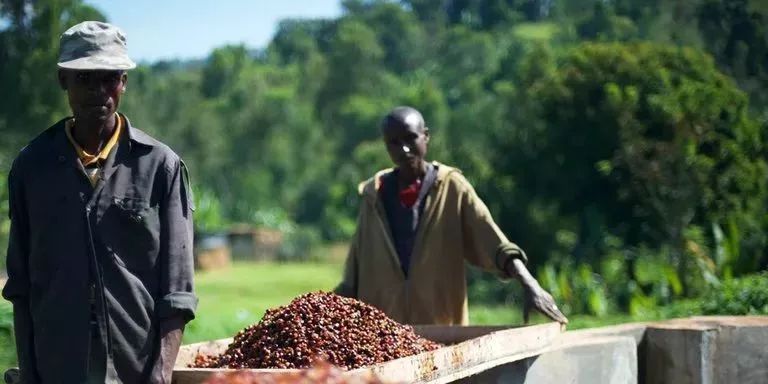
The above content is compiled by CoffeeHunters, a coffee news website.


