







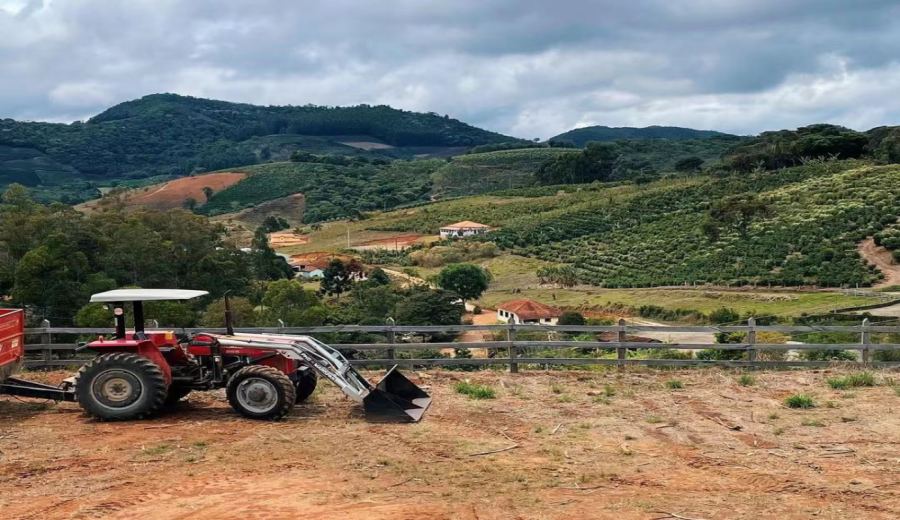
Introduction:Want to delve deeper into the flavor profile and cultivation background of Brazil’s Cerrado Red Bourbon coffee? This article starts with the history of coffee’s introduction to Brazil, introduces the origins and characteristics of the Red Bourbon variety, and analyzes the geographical advantages of the Cerrado region and its honey processing method. We also provide detailed roasting curves, grade classification standards, as well as practical pour-over and drip bag brewing recommendations, helping you fully grasp the charm of this classic nutty and chocolatey bean.
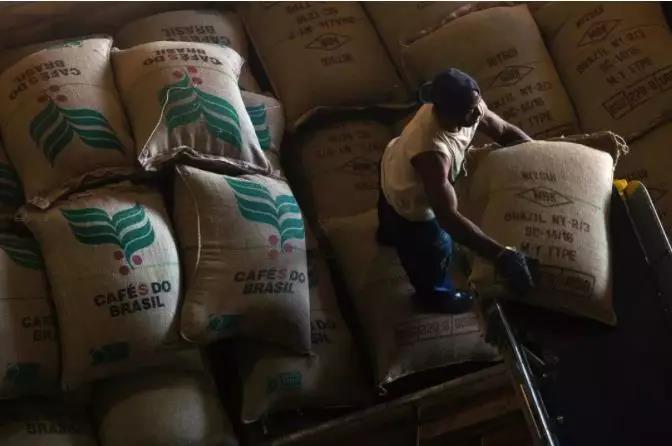
Brazil consistently ranks as the world’s top coffee producer, with coffee cultivation spanning 17 states nationwide. The main varieties include Red Bourbon, Yellow Bourbon, New World, and Catuai. These varieties shape Brazil’s unique position in the global coffee market—not only offering large supply volumes but also being widely used in espresso blends and single-origin offerings. This article will guide you through the complete narrative of Brazilian coffee, from its history, regions, varieties, to processing methods, with a special focus on the Red Bourbon coffee produced in the Cerrado region. From its grade classification, honey processing technique, to practical roasting and brewing parameters, it helps coffee enthusiasts gain an in-depth understanding of this classic variety renowned for its nutty and chocolatey notes.
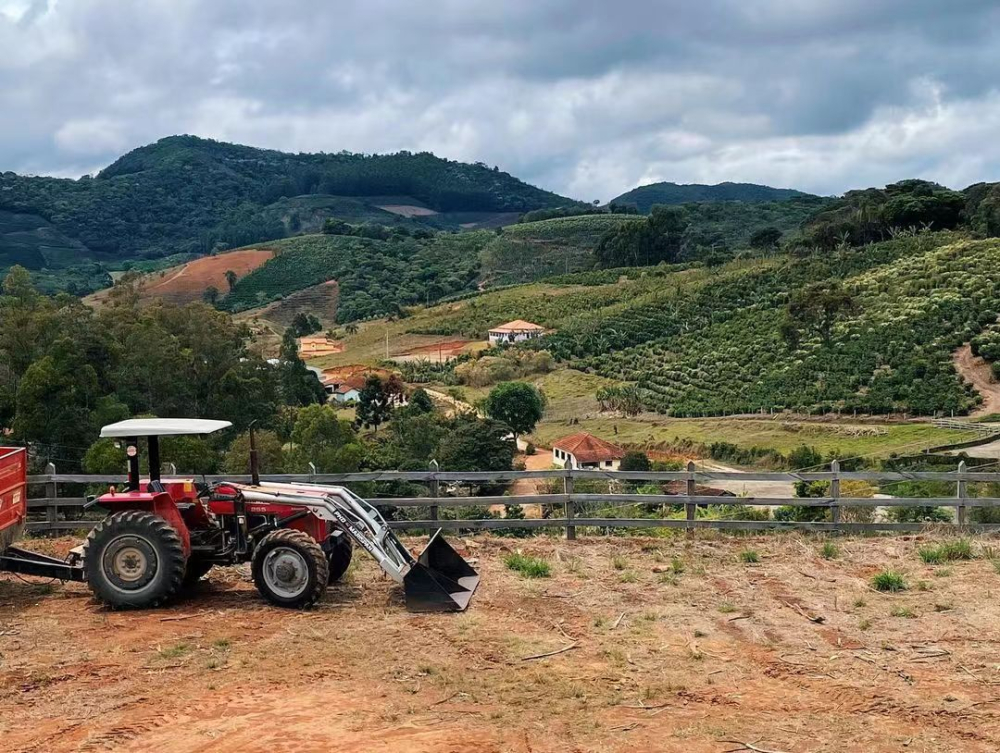
Brazil is not only a major coffee-exporting country, but its coffee-growing areas also span diverse terrains, with coffee production taking place in all 17 states. The main varieties are concentrated among four types: Red Bourbon, Yellow Bourbon, New World, and Catuai. As the world’s largest coffee supplier, Brazil is known for its stable production capacity and diverse quality levels, whether for commercial blends or specialty single-origin coffees, each has its market positioning.
The history of coffee’s introduction to Brazil dates back to 1727, when Portuguese diplomat Francisco de Mello Palheta traveled to French Guiana to mediate a territorial dispute. During his visit, he secretly received coffee seeds from the governor’s wife, which he then smuggled back to Brazil hidden in a bouquet of flowers—marking the beginning of coffee cultivation in the country.
The Evolution of the Bourbon Variety and Characteristics of Red Bourbon
Bourbon coffee, belonging to the Arabica species, shares a long cultivation history with Typica. Bourbon was first planted in the 18th century on the island of Réunion (then called Bourbon Island), hence its name. Compared to Typica, Bourbon plants have wider leaves, denser growth, and approximately 30% higher yield per plant. Its beans are slightly rounder and shorter, often exhibiting prominent berry-like acidity, creamy texture, and intense aroma. It has lively acidity but is relatively more susceptible to diseases.
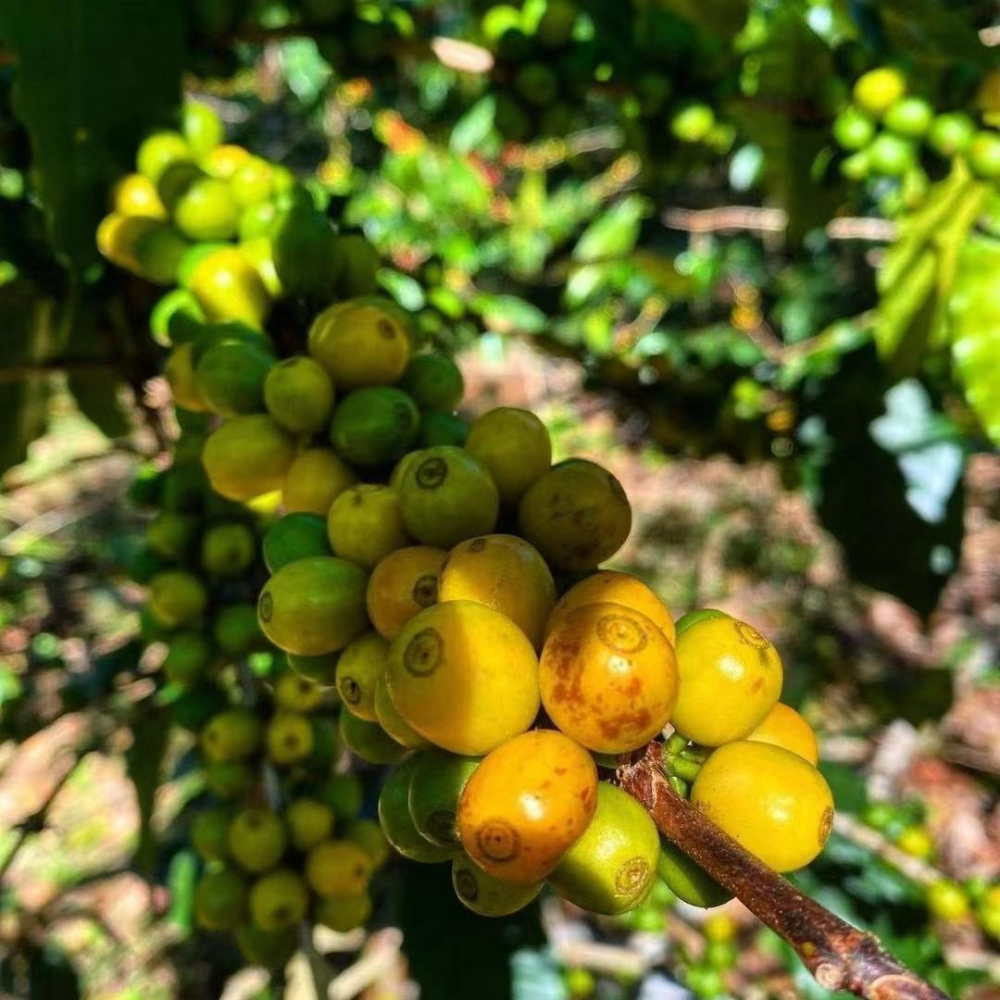
As the name suggests, Red Bourbon coffee cherries transition from green to yellow, orange, and finally deep red during ripening, hence the common name “Red Bourbon.” This variety was introduced around 1860 from the Campinas region in southern Brazil and gradually became a representative cultivar. Additionally, the Bourbon family includes Yellow Bourbon and Orange Bourbon, with Yellow Bourbon yielding less but generally regarded as having a more refined and elegant flavor profile.
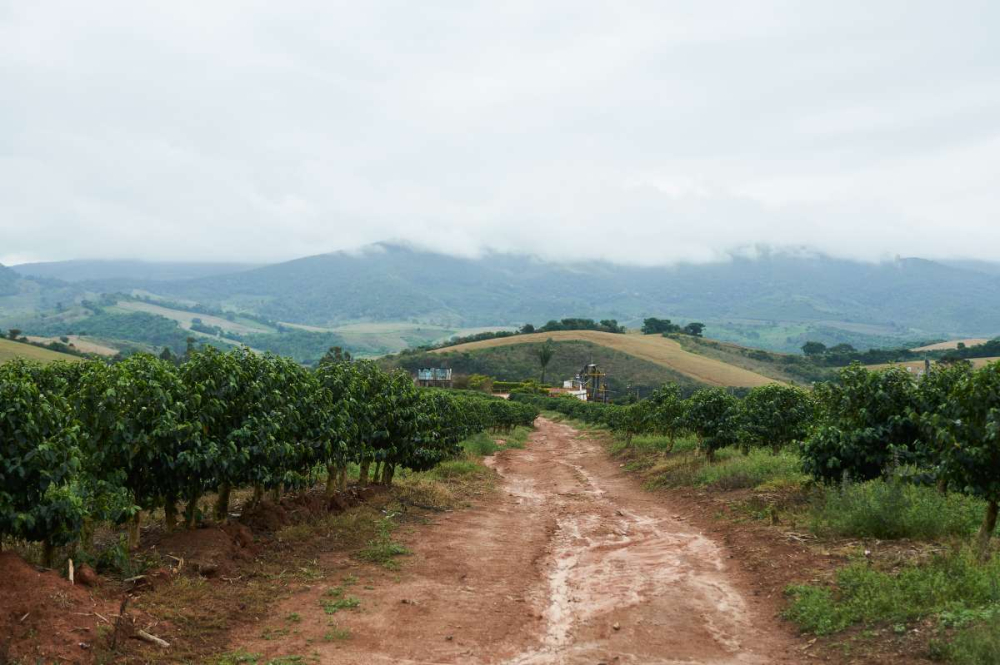
Cerrado Region: The Blend of Technology and Nature
The Cerrado (Cerrado Mineiro) region is considered one of the representatives of Brazil’s coffee technological innovation. Large coffee farms here commonly adopt modern, high-efficiency farming and harvesting techniques—an area where such high-tech applications are relatively rare in Brazil. Located on a plateau with distinct seasons, fruit maturation periods are stable, and the harvest season is almost unaffected by rainfall, which helps maintain consistent quality.
The Cerrado region typically employs sun-dried processing methods, which is also one of the recent trends in specialty coffee processing. The plateau terrain and dry climate make the sun-drying process easier to control, helping to develop rich sweetness and full-bodied flavors. Compared to other regions, Cerrado-grown coffee often exhibits nutty, chocolatey, and caramel notes, making it suitable for consumers who prefer balanced flavors.
Cerrado Red Bourbon: Processing Method and Flavor Profile
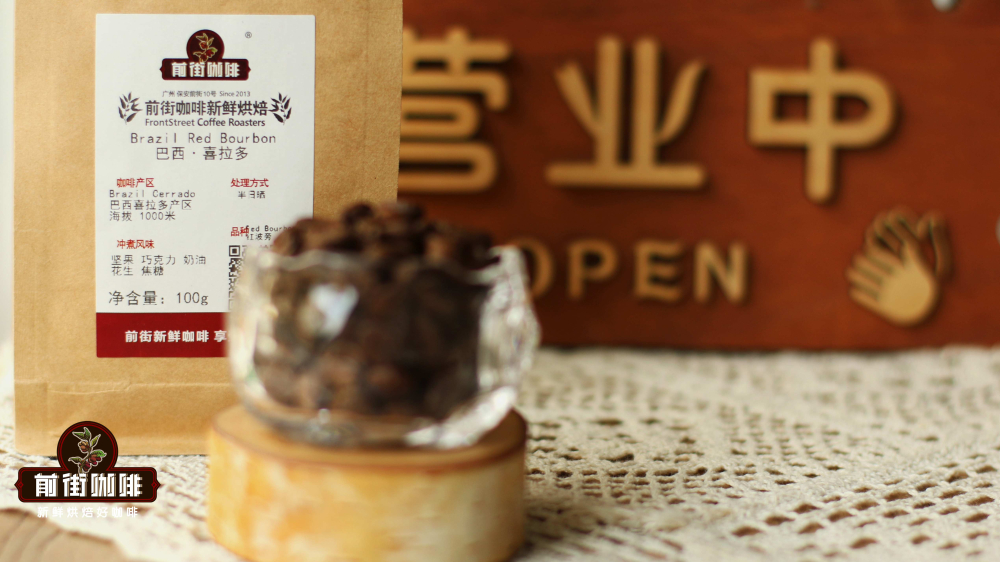
Red Bourbon coffee grown in Cerrado is cultivated at an altitude of about 1000 meters and processed using the honey method. This method first uses water tanks to remove unripe cherries and impurities, then removes the outer skin and part of the pulp, followed by using a mucilage remover to eliminate the sticky layer. Removing the mucilage not only shortens drying time but also reduces fermentation risks in high temperature and humidity environments—especially suitable for regions with unstable climatic conditions. This processing method is also a common pre-treatment choice for many commercial-grade washed beans in Brazil.
The flavor profile of this bean centers around nuts, chocolate, cream, peanuts, and caramel, with a rich mouthfeel and clear layers, making it a popular choice for espresso blends or single-origin pour-over.
Brazilian Coffee Bean Grade Classification System
Brazilian coffee beans are graded using a “deduction method” based on defect rates, evaluating the number of defective beans per 300 grams of green coffee. The system is divided into seven grades from No.2 to No.8. If defects are 4 or fewer, the beans can be classified as No.2, which is the most common top commercial grade. Although theoretically zero-defect beans could be classified as No.1, due to supply inconsistencies, No.2 is the actual top-tier classification in practice.
Additionally, based on bean size, Brazil uses mesh sieves with 1/64-inch increments, with sieve sizes ranging from 14 to 20. Among these, 17/18 mesh is the most common for high-quality grades, while 19 mesh and above exist but are rare in production.
Practical Roasting and Brewing Parameters from a Coffee Brand
This Cerrado Red Bourbon is roasted to a medium-dark level, aiming to enhance its full body and dominant flavor notes of nuts, cocoa, and peanuts. The recommended roasting curve is as follows: charge temperature 175°C, initial flame power 140, air damper 3, turnaround point at about 1 minute 36 seconds and 95.6°C. Subsequently, adjust flame power and air damper gradually according to temperature until first crack begins (around 10 minutes 51 seconds), then adjust the air damper to 5, and drop the beans at 201.5°C to fully develop their flavor depth.
For brewing, it is recommended to use medium-coarse grind (approximately 70% passing through a 20-mesh sieve), with 15 grams of coffee and 225 grams of water. Water temperature should be controlled at 88°C, with a 1:15 brew ratio. Use a three-stage pouring method: first pour 30 grams for a 30-second bloom, then pour in a circular motion for 100 grams, and after the water level drops, add another 95 grams. Total brew time is about 1 minute 52 seconds, effectively highlighting its nutty and chocolatey characteristics—suitable for everyday pour-over or convenient drip bag enjoyment.
The above content is compiled by CoffeeHunters, a coffee news website.


