







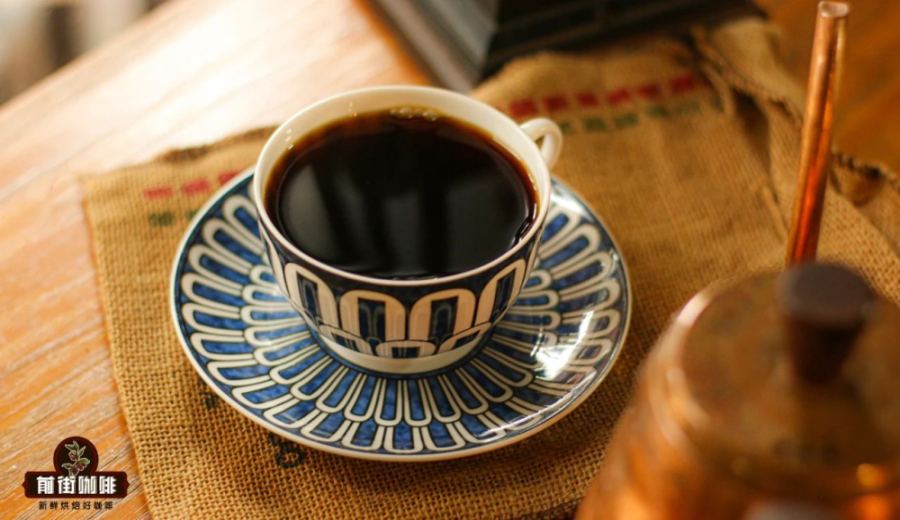
Introduction:As a high-end representative within the Mandheling family, Golden Mandheling is renowned for its excellent cleanliness, pronounced sweetness, and the smooth texture reminiscent of dark chocolate, often changing the minds of first-time tasters. This article delves into its premium origin background in Sumatra, Indonesia, its unique wet-hulling processing method, the rigorous selection standards of the PWN company, and provides practical pour-over parameters along with flavor experience sharing to help you better grasp the charm of this classic bean variety.
Golden Mandheling (Gold Mandheling) is an exceptionally representative high-quality coffee within the Mandheling family. Often, its medium-bodied richness, clean and bright flavors, and captivating dark chocolate aftertaste have changed the perceptions of many drinkers who were previously biased against Mandheling. Based on tasting experiences, this coffee frequently stands out in blind cuppings, especially in terms of sweetness and overall clarity of flavor profile, earning unanimous praise from professional baristas.
The ability of this coffee bean to deliver such a high level of flavor is inseparable from its origin background and post-harvest processing techniques.Golden Mandheling mainly comes from Aceh Province in northern Sumatra, Indonesia, specifically the Gayo mountainous area near Lake Tawar.It is grown at altitudes between 1100 and 1600 meters, representing a typical high-altitude Arabica cultivation environment. The region is largely planted by smallholder farmers using shaded cultivation methods, which not only facilitate the slow maturation of coffee cherries but also lay the foundation for the subsequent delicate flavor nuances.
Indonesia, being located near the equator, experiences a humid and rainy climate year-round, posing significant challenges to the drying process of coffee beans. As a result, the so-called “wet-hulling method (Wet Hulling)” is commonly practiced locally — a special processing technique that combines washed fermentation, pulp removal, and rapid drying.First, the harvested coffee cherries undergo washed fermentation to remove the outer mucilage, followed by the use of a pulper to remove the fruit flesh and part of the parchment layer.At this point, the beans are still partially covered by parchment, after which they are placed under the sun for initial drying over a period of 2 to 3 days, with a target moisture content of around 20% to 24%. Finally, the remaining parchment is removed to complete the process.
However, while the rapid drying characteristic of the wet-hulling method adapts well to the local humid climate, it also leads to a higher risk of defective beans, often accompanied by earthy or off-flavors. Therefore,PWN Company (Pwani Coffee Company) specifically implements multiple rounds of manual sorting for the harvested coffee beans.Sorting is carried out both before and after processing, ensuring that each green bean meets a size of 18 mesh or above, and that no more than 3 defective beans are found in a 300-gram sample — meeting the highest grade of G1 beans. This meticulous selection process significantly enhances the purity and consistency of the coffee, and is also a key element in the quality assurance of “Golden Mandheling.”
Thanks to this stringent selection system, PWN-certified Golden Mandheling exhibits a golden-yellow hue after drying, hence its name. It is worth noting that there are many products on the market claiming to be “Golden Mandheling,” but most are actually regular G1-grade beans that have been artificially selected to mimic the style. Only the version produced by PWN Company truly possesses the authentic certification and consistently high standard of this name — always look for the PWN label when purchasing.
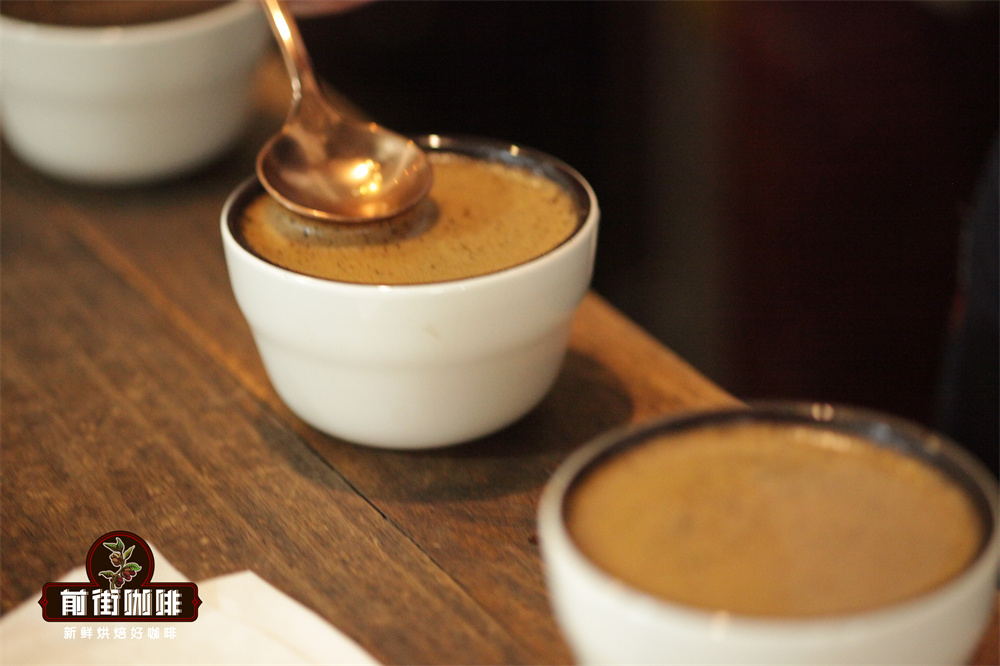
In terms of brewing application, Golden Mandheling is generally recommended to be medium-dark roasted to fully bring out its rich notes of nuts, caramel, and chocolate, while maintaining a moderate body and clear layered profiles. After roasting, the beans require about 7 to 10 days of rest to allow CO₂ levels to stabilize before reaching their optimal drinking state. To ensure consumers can enjoy the best flavor, it is advised to choose freshly roasted beans within five days of roasting.
For actual pour-over recommendations, the team suggests using a medium-coarse grind (similar to coarse sugar, approximately 70% passing through a #20 sieve), paired with water at 88°C and a 1:15 coffee-to-water ratio. The KONO filter cone can be used to stabilize flow rate and extract a balanced flavor. Specifically, start with a 30-second bloom using 30 grams of water to activate the coffee grounds; then, pour in a circular motion with small amounts of water up to 125 grams, and once the water level drops by about half, continue pouring to a total of 225 grams. The overall extraction time should be controlled around 2 minutes and 10 seconds, helping to highlight the flavor layers while avoiding over-extraction that could lead to bitterness.
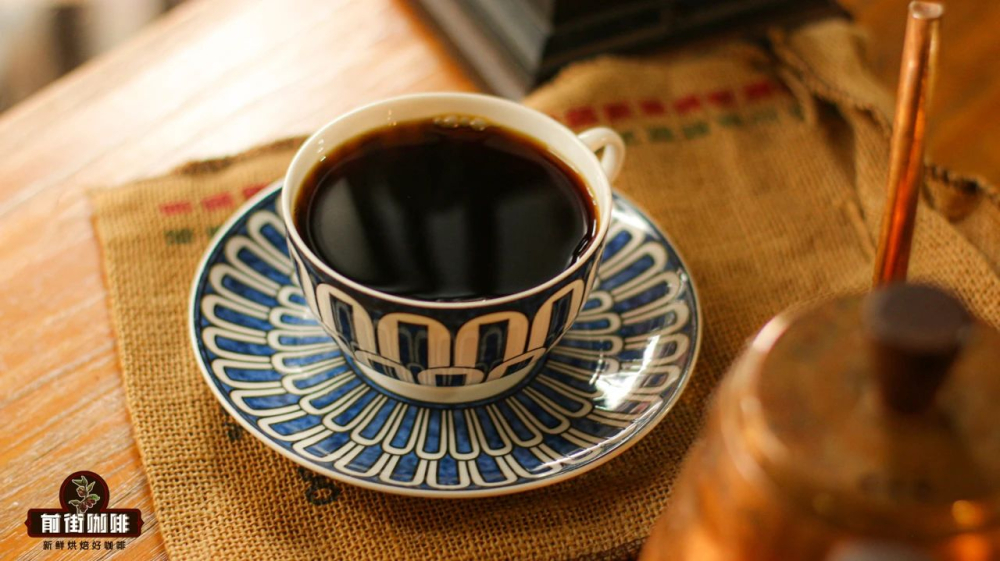
The resulting flavor profile is diverse yet harmonious — upon the first sip, a distinct nutty base is immediately perceptible, complemented by caramel and a gentle dark chocolate finish. The overall mouthfeel is full-bodied yet refreshing, with high cleanliness and a long-lasting aftertaste. It is not only suitable for drinking black but also works excellently as an iced coffee or for extended warming, without easily developing sharp acidity or off-flavors.
The above content is compiled by CoffeeHunters, a coffee news website.


