







Introduction:Although Rwanda is a small African country, its washed-processed coffee is renowned for its bright, clear citrus notes and nutty-honey aftertaste. This article delves into the country’s main coffee varieties, how its geography influences flavor, details of its washed processing techniques, and provides expert pour-over parameters and flavor evaluations to help you better appreciate the charm of this “Land of a Thousand Hills” specialty coffee.
Located in Central Africa, Rwanda is a landlocked country bordered by Burundi, Tanzania, Uganda, and the Democratic Republic of the Congo. Its mountainous terrain has earned it the nickname “Land of a Thousand Hills.” Though small in size, Rwanda has secured a place in the specialty coffee market thanks to its mature washed processing techniques and uniquely favorable growing conditions.
From Colonial Plantations to Industry Transformation, Rwandan coffee has experienced many ups and downs. Introduced during the German and Belgian colonial periods, coffee production was long limited due to exploitative labor practices and low prices. It wasn’t until after independence, with the establishment of the official coffee organization OCIR, that production gradually increased, peaking in 1986. However, the ethnic conflicts of the 1990s brought the industry to a standstill. Today, coffee and tea are the country’s main cash crops, with roughly one in every 30 people employed in the sector, making it a vital part of an economy primarily based on agriculture and livestock.
Rwanda’s geography and climate provide ideal conditions for coffee cultivation.The country is home to more than five volcanoes, and its fertile volcanic soils and abundant water sources, combined with predominantly temperate and tropical highland climates—with an average national temperature ranging between 24.6 and 27 degrees Celsius—create optimal growing environments. Regions such as the northern Lake Kivu area sit at around 1,463 meters above sea level, with daytime temperatures averaging about 22°C and significant diurnal temperature variation, all of which contribute to the coffee’s rich fruit flavors and well-expressed acidity.
Invarietal selection, Rwanda primarily grows Bourbon, Caturra, and Catuai. The Bourbon variety is known for its pronounced citrus and nutty characteristics, with outstanding sweetness; Caturra is a natural mutation of Bourbon, featuring dense growth and higher yields; Catuai combines wind and disease resistance with high productivity potential. Together, these varieties shape the delicate and layered foundational flavor profile of Rwandan coffee.
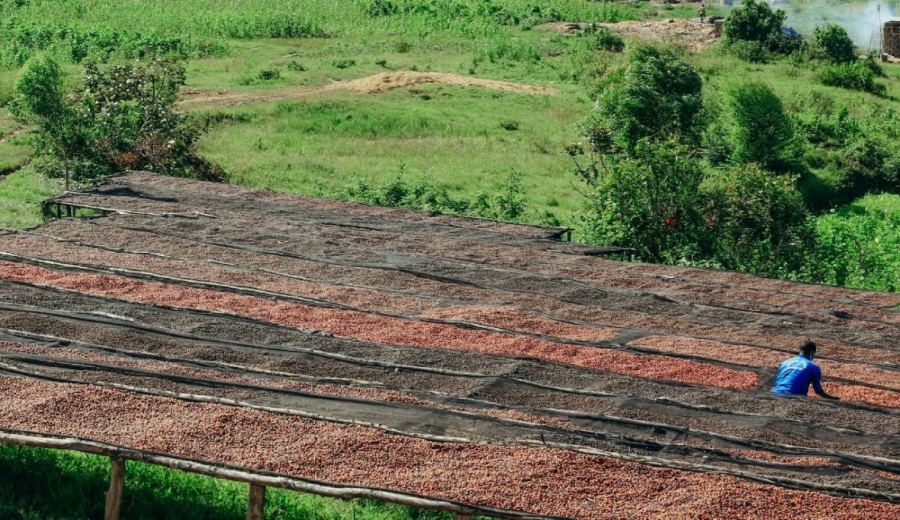
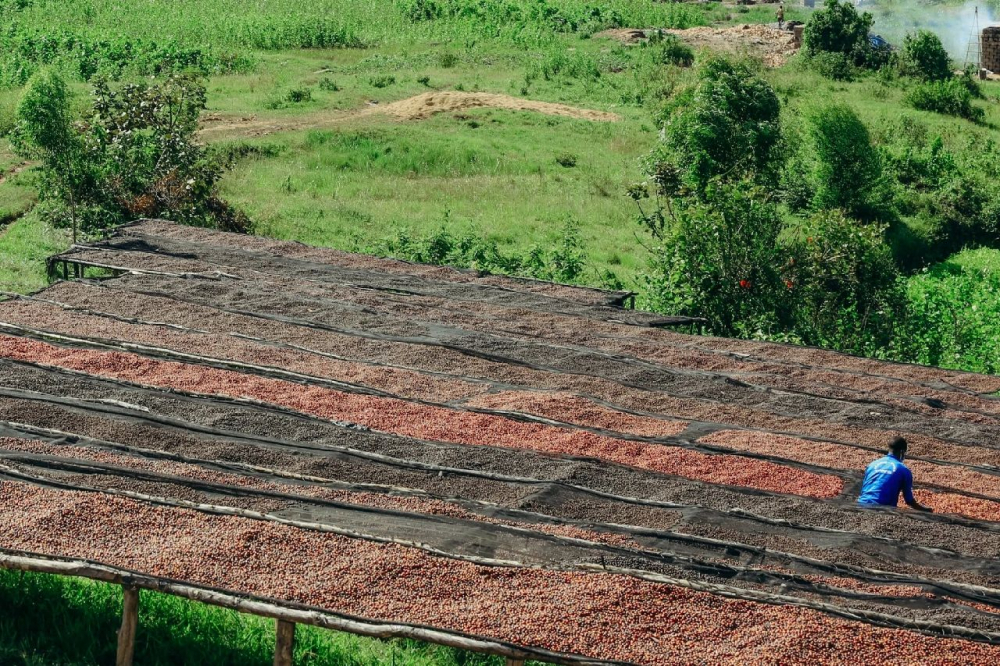
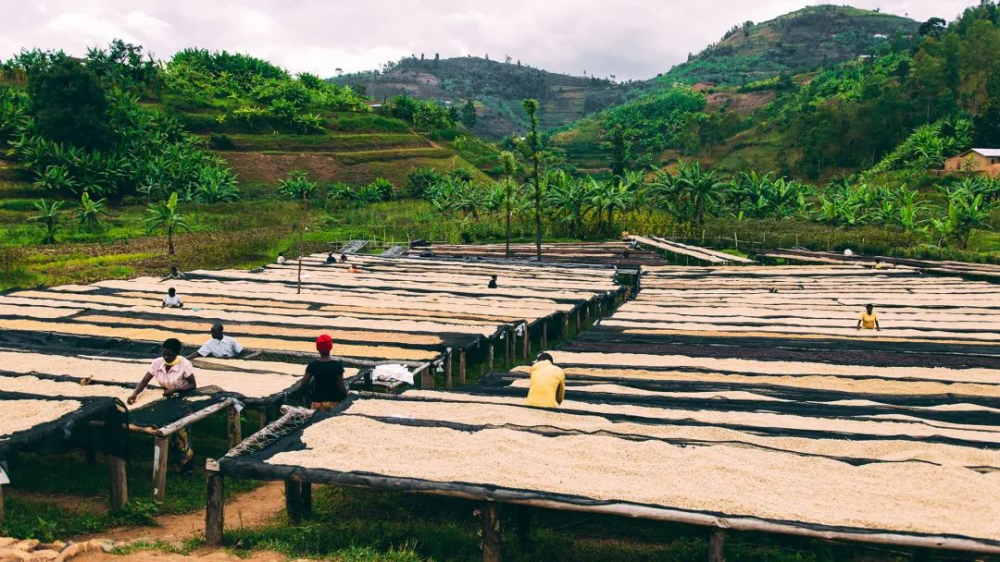
In terms of processing methods, washed processing is the mainstream technique in Rwanda. After harvest, the coffee cherries are first floated to remove unripe or defective ones, then depulped to remove the skin and flesh. The beans, still coated with mucilage, undergo fermentation in water tanks. After fermentation, the mucilage is washed off with clean water, and the beans are dried to a moisture content of 11%–13%. This method enhances the clarity of acidity while maintaining overall flavor cleanliness and stability.
After 2000, the PEARL project—launched with support from international institutions such as Michigan State University in the United States—marked a pivotal turning point for Rwanda’s coffee industry. This initiative led to the establishment of 46 modern washed processing facilities, not only improving quality but also stabilizing farmer incomes. It became a cornerstone for the country’s rebuilding after civil war and emergence as a major coffee-exporting nation. Additionally, the washed process is better suited to adapt to the alternating rhythms of rainy and dry seasons, ensuring consistent quality throughout the processing stages.
In actual cupping sessions, a washed Red Bourbon from Rwanda often exhibits bright citrus and plum acidity, with nutty aromas emerging in the mid-to-late stages and a honey-like sweetness in the aftertaste. As the cup cools, even a crisp apple-like finish can be detected, showcasing exceptional balance and finesse. Such flavor profiles make Rwandan coffee an excellent choice for pour-over enthusiasts.
Suggested pour-over parameters are as follows: Use 15 grams of coffee, a V60 cone filter, and a medium-fine grind with 80% passing rate through a 0.85mm standard sieve. Control the water temperature at 90°C. Begin with a 30-second bloom using 30 grams of water, then pour in a slow circular motion to reach 125 grams for the first pour. When the water level is about to expose the coffee bed, continue pouring to 225 grams, then stop. Remove the filter when the water level drops again. The total extraction time should be around 2 minutes.
The V60’s cone shape helps enhance flavor layers, while the 1:15 brew ratio imparts a rounder body and pleasant aftertaste. The pulsed pouring technique effectively controls the extraction pace, preventing over- or under-extraction, and highlights the coffee’s bright fruit acidity and nutty core.
Though Rwandan coffee may not deliver the intense berry explosion often found in Kenyan beans, its delicate balance and harmonious acidity-sweetness profile have become a standout highlight in the specialty market in recent years. With continued attention from international buyers and roasters, more surprising flavor profiles from this mountainous nation are sure to make their way into coffee cups around the world.

The above content is compiled by CoffeeHunters, a coffee news website.


