







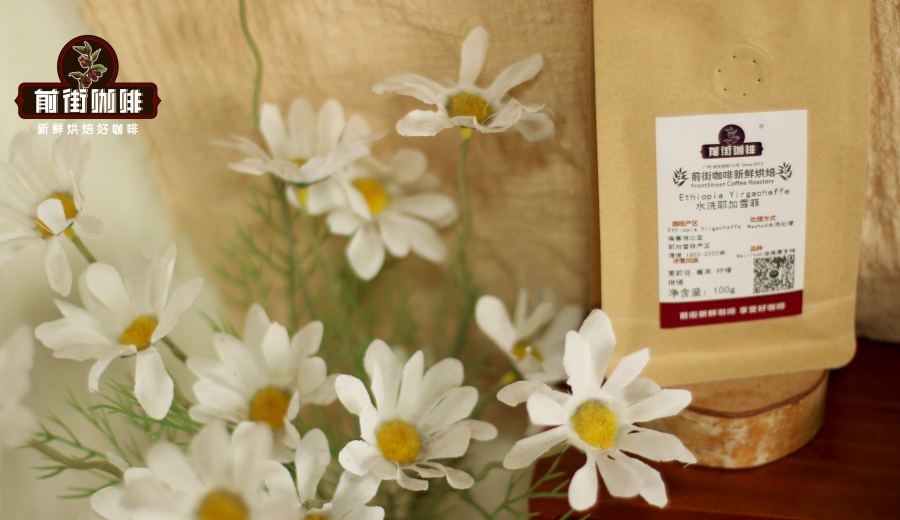
Introduction:As one of Ethiopia’s most iconic specialty coffee regions, Yirgacheffe is renowned for its distinctive fruity acidity and floral notes. This article delves into the region’s geographic and cultural background, explores the flavor differences between its washed and natural processing methods, and provides practical V60 pour over recommendations and extraction parameters to help you better appreciate the layered flavors of this classic coffee bean.
Yirgacheffe is a well-known town in the Gedeo Zone, within Ethiopia’s Southern Nations, Nationalities, and Peoples' Region (SNNPR), and also a globally celebrated flavor destination for specialty coffee enthusiasts. In the local language, the name means "to settle in this wetland," which not only reflects the area's geography but also metaphorically expresses the Ethiopian people’s longing for peace and stability. The coffee beans from this region, with their unique floral, citrusy profiles, and bright acidity, have long been a star product in the global coffee market.
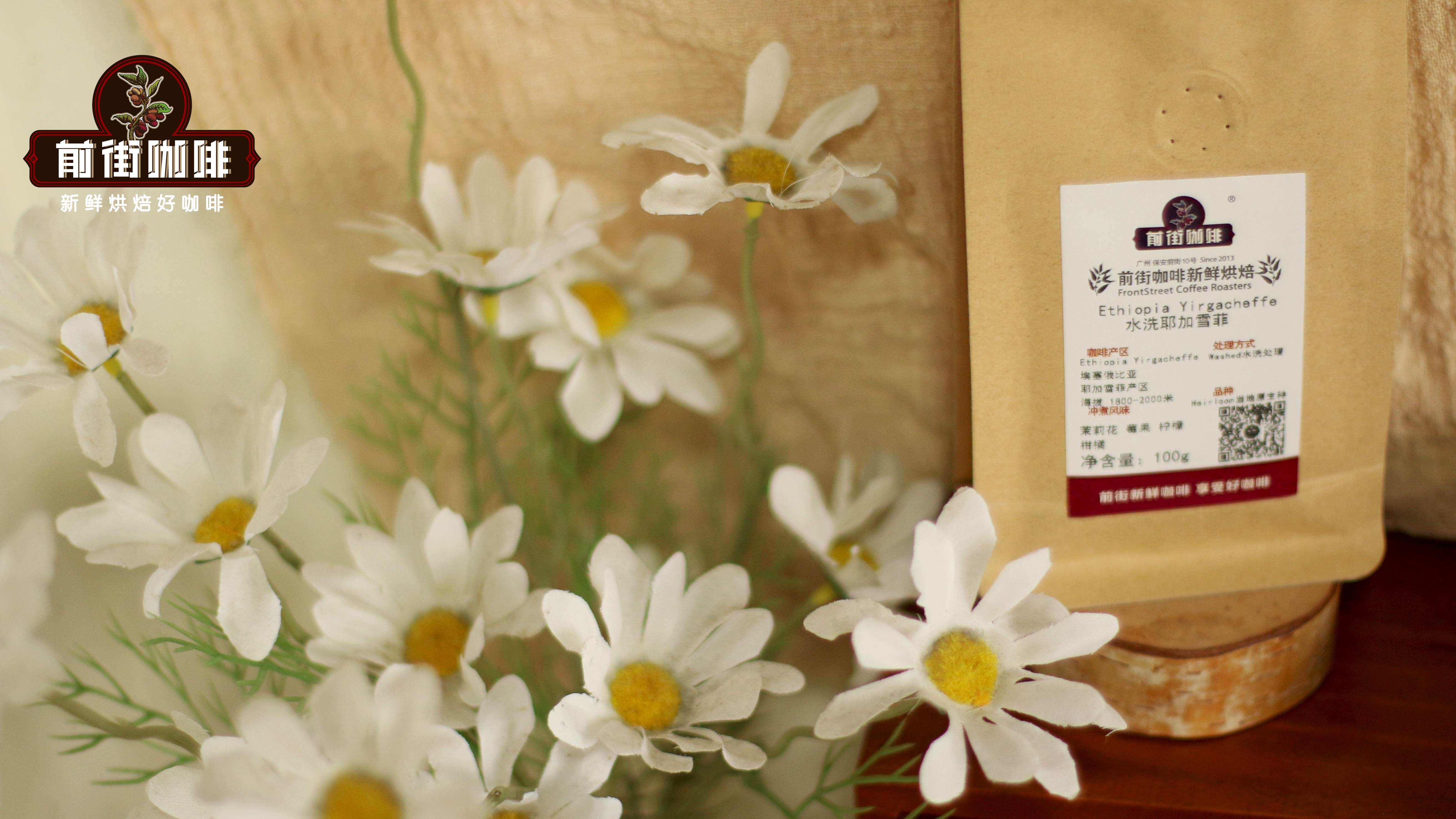
Ethiopia is the birthplace of coffee and boasts naturally superior conditions. Much of the country consists of highland terrain, especially the Ethiopian Highlands, which rise to nearly 3,000 meters above sea level and are known as the “Roof of Africa.” The East African Rift Valley runs through the region, contributing to a complex and varied climate. With an average annual temperature of about 16°C and significant day-night temperature differences typically ranging from 9.7°C to 25.5°C, the environment is ideal for the growth of Arabica coffee plants. Moreover, the area has distinct rainy seasons: a long rainy season from June to September and a short one from February to May, with ample rainfall supporting stable growth and maturation of coffee cherries.
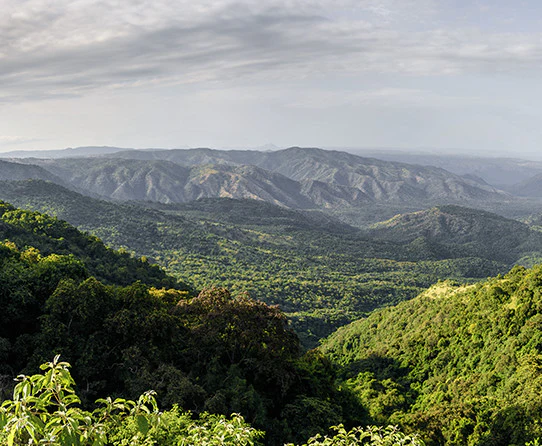
Located at an altitude of approximately 1,700 to 2,100 meters, Yirgacheffe enjoys spring-like weather year-round, frequent mist, and a cool, stable climate—making it an excellent location for cultivating high-quality coffee. This unique geographic and microclimatic environment endows the coffee beans from this region with bright acidity, rich fruitiness, and delicate mouthfeel. Especially when paired with the area’s distinctive washed and natural processing techniques, Yirgacheffe’s flavor profile becomes layered and unforgettable.
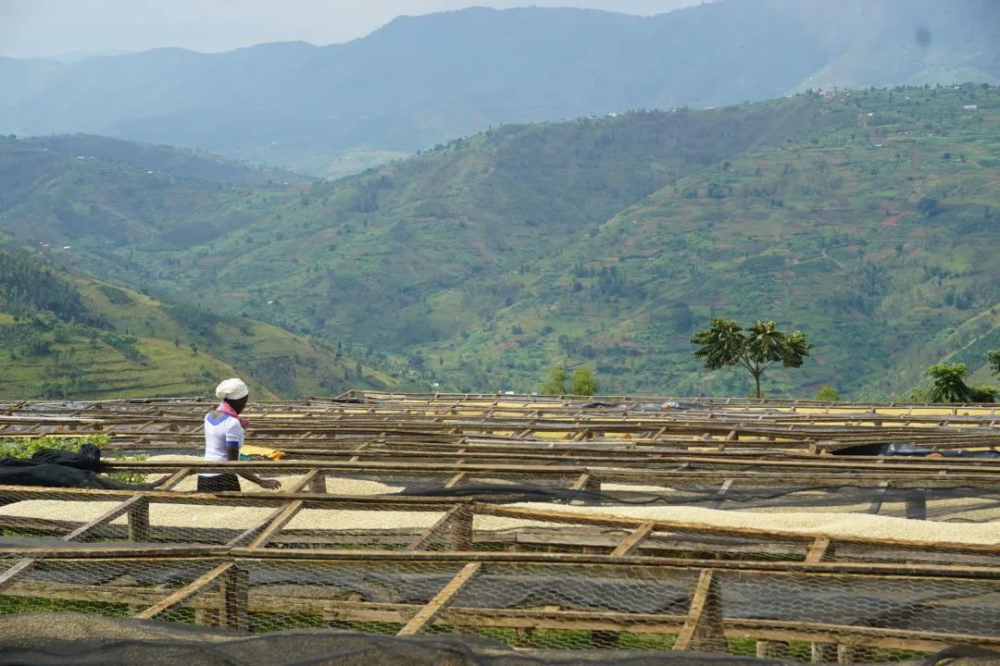
Traditionally, Yirgacheffe coffee was primarily processed using the natural method. However, early natural processing often involved spreading the coffee cherries directly on the ground to dry without sorting or floatation, resulting in inconsistent bean quality and lengthy processing times of over ten days. By the 1970s, after the establishment of the first washing station in the region, the washed process gradually became the mainstream. This method involves using large amounts of clean water and specialized tanks, removing the pulp and impurities through fermentation and mechanical scrubbing. Though more costly, it significantly improves the cleanliness and consistency of the green beans.
The most notable characteristic of washed Yirgacheffe is its clean and bright citrusy profile, often accompanied by aromas of white flowers, lemon, and blueberries. The acidity is delicate and smooth on the palate. The beans typically exhibit a bluish-green color and, after cupping, often reveal honey-like sweetness and pronounced floral notes, making them ideal for appreciation through pour over brewing.It is generally recommended to use a medium-light roast.This helps better preserve its inherent flavor characteristics.
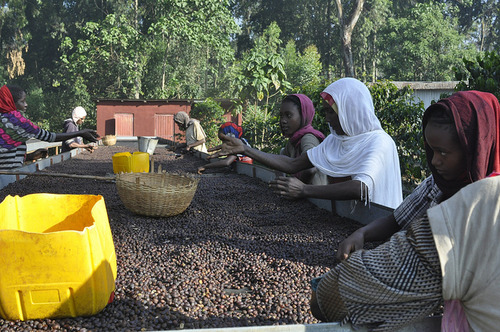
In contrast, naturally processed Yirgacheffe presents a distinctly different flavor profile. Since the coffee cherries retain their fruit sugars throughout the drying process, the sweet flavors of ripe fruits (such as mango and berries) become more prominent, accompanied by a honey-like intense sweetness and full body. These beans are usually yellowish-green in color, with slightly lower acidity but a richer overall complexity. The finish may occasionally carry hints of black tea or candy, making it suitable for those who enjoy intense fruitiness and sweetness.
When selecting and brewing,the V60 dripper is a classic choice for highlighting Yirgacheffe’s flavors. Its spiral groove design aids in sufficient drainage and gas release from the coffee grounds, enhancing floral and fruity aromas. It is recommended to usea medium-fine grind size (approximately like fine sugar, with about 80% passing through a #20 sieve), along witha water temperature of 90–91°C, and abrew ratio of 1:15 to 1:16. Adjust the ratio according to personal taste: opt for 1:15 for a stronger profile or 1:16 for a lighter, more floral cup.
For actual pour over brewing, a three-stage pouring method is suggested: Start with a bloom using twice the amount of hot water as coffee grounds (about 30g) for about 30 seconds to allow the coffee to degas and release aroma. Then pour water in a slow, circular motion from the center outward up to 125g and pause briefly. Finally, pour up to 225g total, keeping the total brew time around 2 minutes. This brewing approach helps balance sweetness and acidity while enhancing layers, allowing each sip to showcase Yirgacheffe’s refreshing fruitiness and delicate floral notes.
In summary, Yirgacheffe is not only a flagship of Ethiopia’s specialty coffee but also an essential classic origin for pour over enthusiasts worldwide. Whether you prefer the clarity of washed acidity and floral tones or the richness of natural sweetness and fruit depth, mastering the right roast level and brewing technique will let you savor the unique terroir and cultural essence of Ethiopia from this highland-originated coffee.
The above content is compiled by CoffeeHunters, a coffee news website.


