







Introduction:Sidamo is a renowned coffee-producing region in southern Ethiopia, known for its garden cultivation model. The washed and natural (sun-dried) coffee beans produced here each have distinct characteristics. This article will take you on an in-depth exploration of the flavor profiles, bean appearance features, and roasting applications of Sidamo G1-grade washed and natural coffee beans. It will analyze the differences in citrus, floral, nutty notes, and sweetness, and provide practical pour-over and extraction references to help you choose the most suitable coffee experience based on your taste preferences.
The Sidamo region is located in the southern highlands of Ethiopia and is one of the world’s well-known sources of specialty coffee. It is famed for its unique garden cultivation system, where farmers grow and harvest coffee on their own land, resulting in extremely diverse coffee flavors. Shaped by the two main processing methods—washed and natural—Sidamo coffee exhibits distinctly different personalities. Washed processing typically delivers bright citrus acidity, soft nuttiness, and subtle cocoa and milk notes in the aftertaste; natural processing, on the other hand, highlights rich floral aromas, intense fruit sweetness, and smooth acidity. Both offer a silky mouthfeel and delightful acidity, making them a top choice for many coffee enthusiasts.
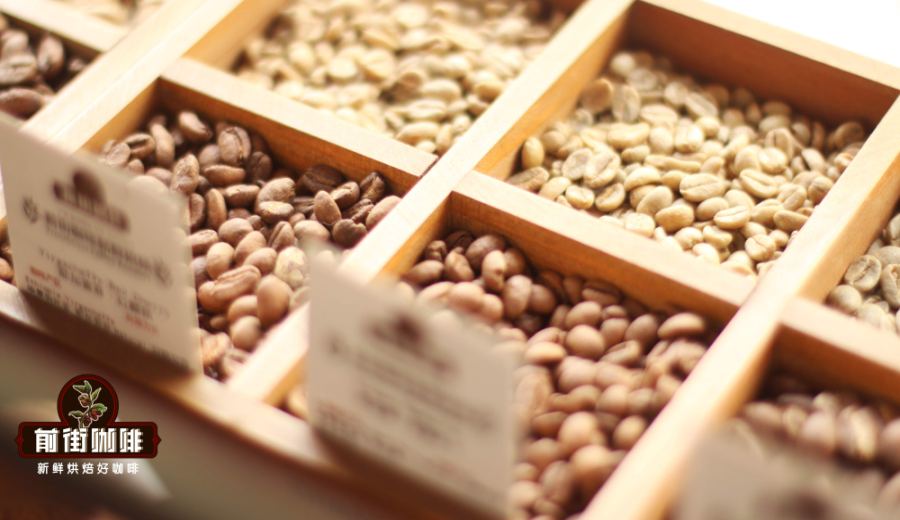
In Ethiopia’s grading system, G1 represents the highest grade of green coffee beans. These beans are plump in appearance, have an extremely low defect rate, and exhibit consistent and layered flavor expressions. The degree of roasting has a decisive impact on the final flavor profile: light to medium roasts can best showcase the origin characteristics of the coffee, making them ideal for single-origin offerings; medium to dark roasts, on the other hand, bring out more body and caramel notes, often used as the base for espresso blends or espresso shots. This article will use representative washed and natural coffee beans from well-known Sidamo regions such as Bensa—including varieties like Huila 11, Alo Alo Village, and Hamashu—as examples. We’ll explore everything from green bean appearance and roasting characteristics to flavor differences, to further understand how washed and natural coffees differ in sweetness and overall performance.
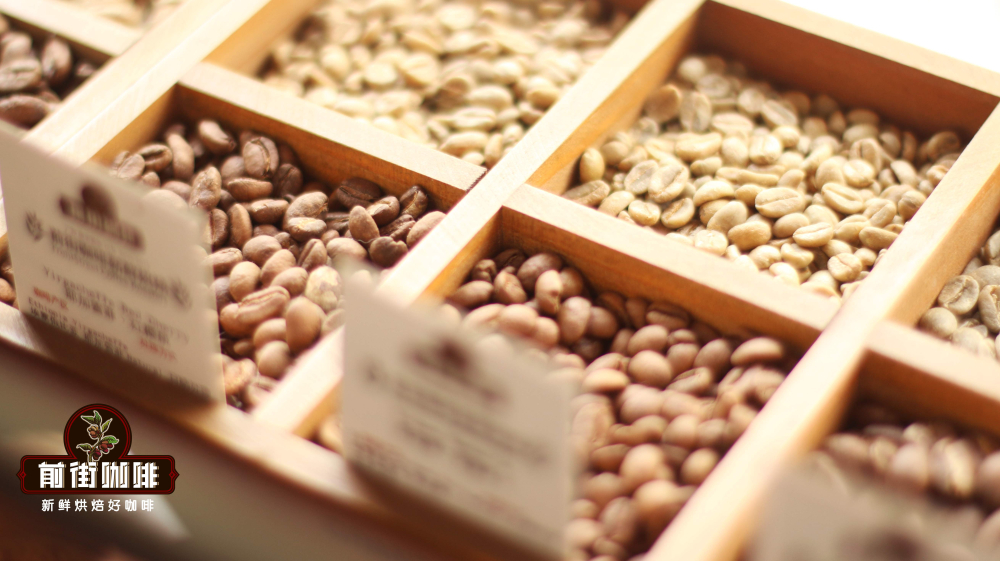
Observing Sidamo G1 green coffee beans, their appearance often shows a grayish-green hue, with slight variations in bean size—some larger, some smaller—which is related to the natural mixed-variety characteristics of the garden cultivation environment. Their acidity is highly elastic, ranging from soft to vibrant, while body can present diverse expressions depending on roast depth, accompanied by unique sweetness and subtle spicy aromas. This is the typical profile of garden-grown coffee from Ethiopia’s southern highlands. Among the many Sidamo regional beans, Huila 11 is one of the most well-known washed beans, famous for its clear fruity acidity, smooth mouthfeel, and delicate floral notes. Whether used in cold brew, pour-over, drip bags, or even in espresso SOE or American drip, it showcases an elegant and balanced flavor structure.
Compared to the washed version, Sidamo’s natural-processed coffee often exudes more intense floral qualities, with richer layers of fruity acidity and sweetness, and a relatively finer mouthfeel. A well-known coffee brand’s natural Alo and natural Hamashu are two representative natural-processed Sidamo beans worth trying—the former has distinct tropical fruit aromas, while the latter displays rich berry and peach notes. Washed Sidamo, on the other hand, centers around a refreshing citrus tone, complemented by nutty milkiness and subtle dark chocolate notes in the aftertaste. Both processing methods deliver a smooth mouthfeel and rich body, with bright yet non-aggressive acidity and fully developed aromatics that leave a lingering impression. Generally, light to medium roasts are suitable for single-origin tasting, fully showcasing terroir characteristics; medium to dark roasts are better suited for blended coffees or as the base for high-quality espresso.
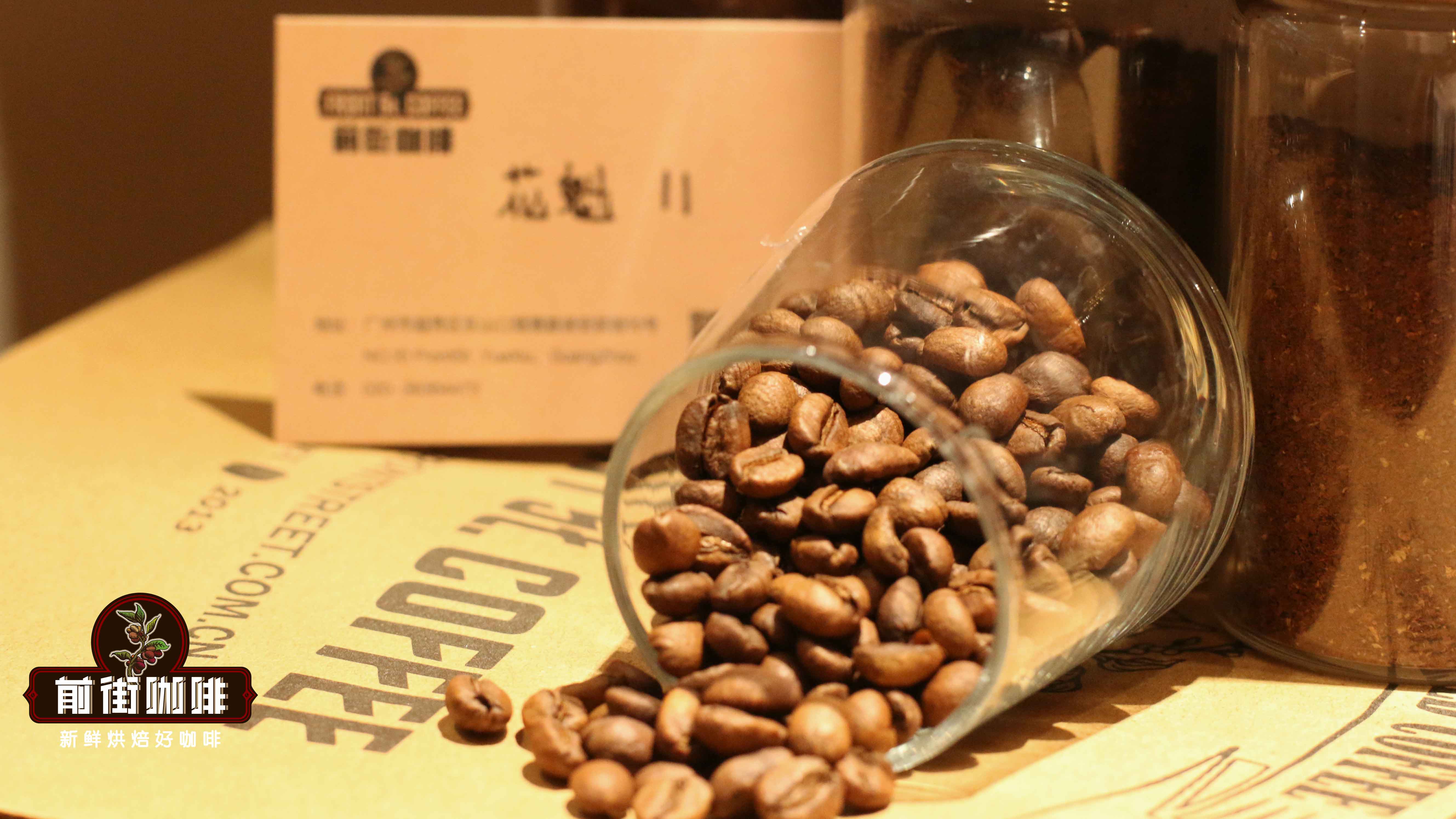
Washed Sidamo G1 coffee beans usually exhibit a light green color, are slightly smaller in size and oval-shaped, with an overall uniform and plump appearance—making them a stable and aromatic bean variety. After brewing, their flavors showcase a blend of elegance and vibrancy: upon entry, you’re greeted with gentle and comfortable citrus and tea-like notes, followed by clear lemon acidity and delicate floral aromas. The mouthfeel is rich and layered, with a lingering sweetness and a wild, forest-like aftertaste, highlighting the unique charm of Sidamo washed coffee. This type of coffee has a broad flavor spectrum, suitable for exploring its multifaceted nature through different brewing methods.
If you want to deeply experience the refined flavors of washed Sidamo, it is recommended to try the Alo Alo Village beans from the Bensa region. These coffee beans are known for their outstanding green bean quality, with aromas that include the freshness of magnolia, the liveliness of orange, and the sweetness of berries. They are suitable for brewing via pour-over or French press, and their delicate acidity and sweetness can also be highlighted through cold brew techniques. Not only ideal for summer drinking, their balance of sweetness and body makes them a classic choice that single-origin coffee lovers shouldn’t miss.
The above content is compiled by CoffeeHunters, a coffee news website.


