







Introduction:Jamaican Blue Mountain coffee is renowned for its rarity and elegant flavor profile, ranking as the world’s second most expensive specialty coffee. This article delves into the origins of the Blue Mountain name, the unique characteristics of its growing environment, Japan’s historical monopoly on the market, and the CIB official certification system, offering an in-depth look at the story behind authentic Blue Mountain coffee. It also explains how to distinguish common “Blue Mountain-style” imitations on the market and provides three key identification tips along with actual price references, ensuring you buy with clarity and sip with confidence.
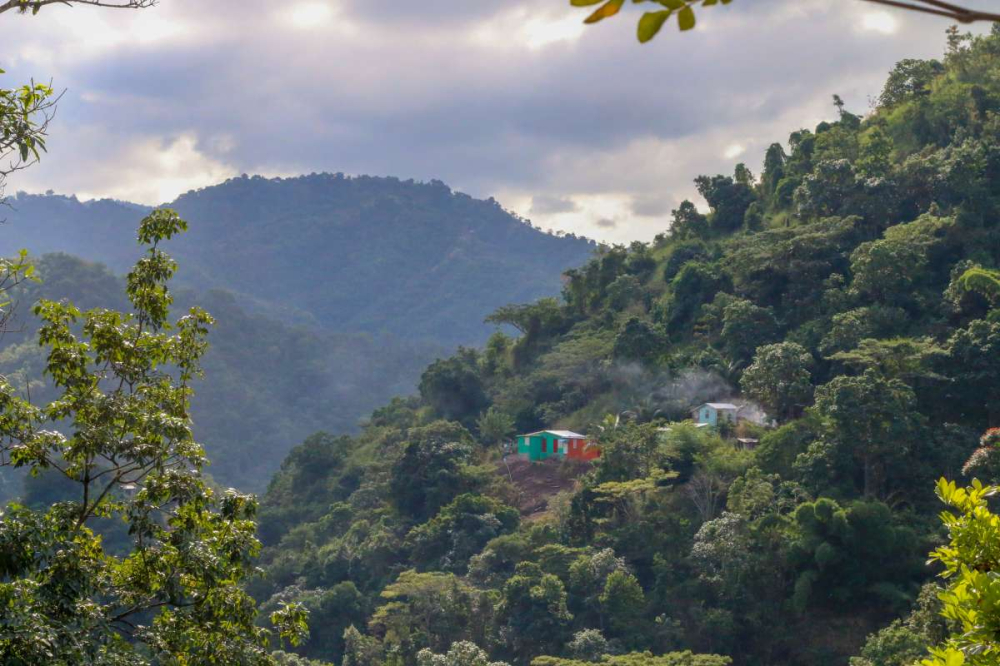
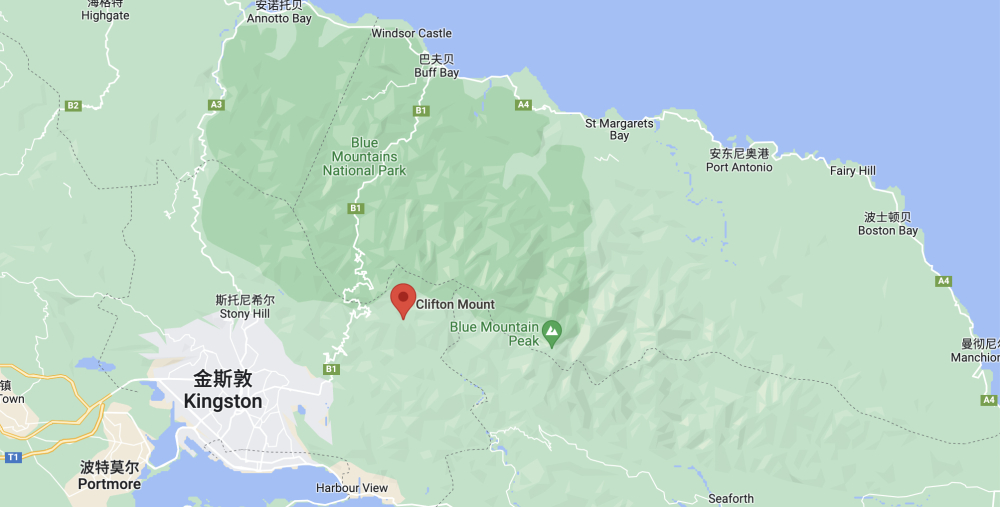
The reason Jamaican Blue Mountain coffee is called “Blue Mountain” is inseparable from its uniquely favorable geographical environment. The Blue Mountains are located in the eastern part of Jamaica. On clear days, when sunlight reflects off the surrounding Caribbean Sea, the mountaintops shimmer with a pale blue halo refracted from the sea, hence the name “Blue Mountain.” The highest peak in this region reaches an elevation of 2,256 meters, making it the tallest point in the entire Caribbean and also a well-known tourist destination.
Not only is the scenery captivating, but the climate and soil of the Blue Mountain region also provide a golden terroir for cultivating top-tier coffee. Situated in a seismic zone, the area boasts fertile volcanic soils. With year-round humidity, frequent fog, average annual rainfall of about 1,980 millimeters, and temperatures consistently around 27°C, these conditions create the distinctive aroma and taste of Blue Mountain coffee. For this reason, Jamaican Blue Mountain coffee not only enjoys worldwide fame but also firmly holds the second spot on the global specialty coffee price list, second only to the legendary Kopi Luwak.
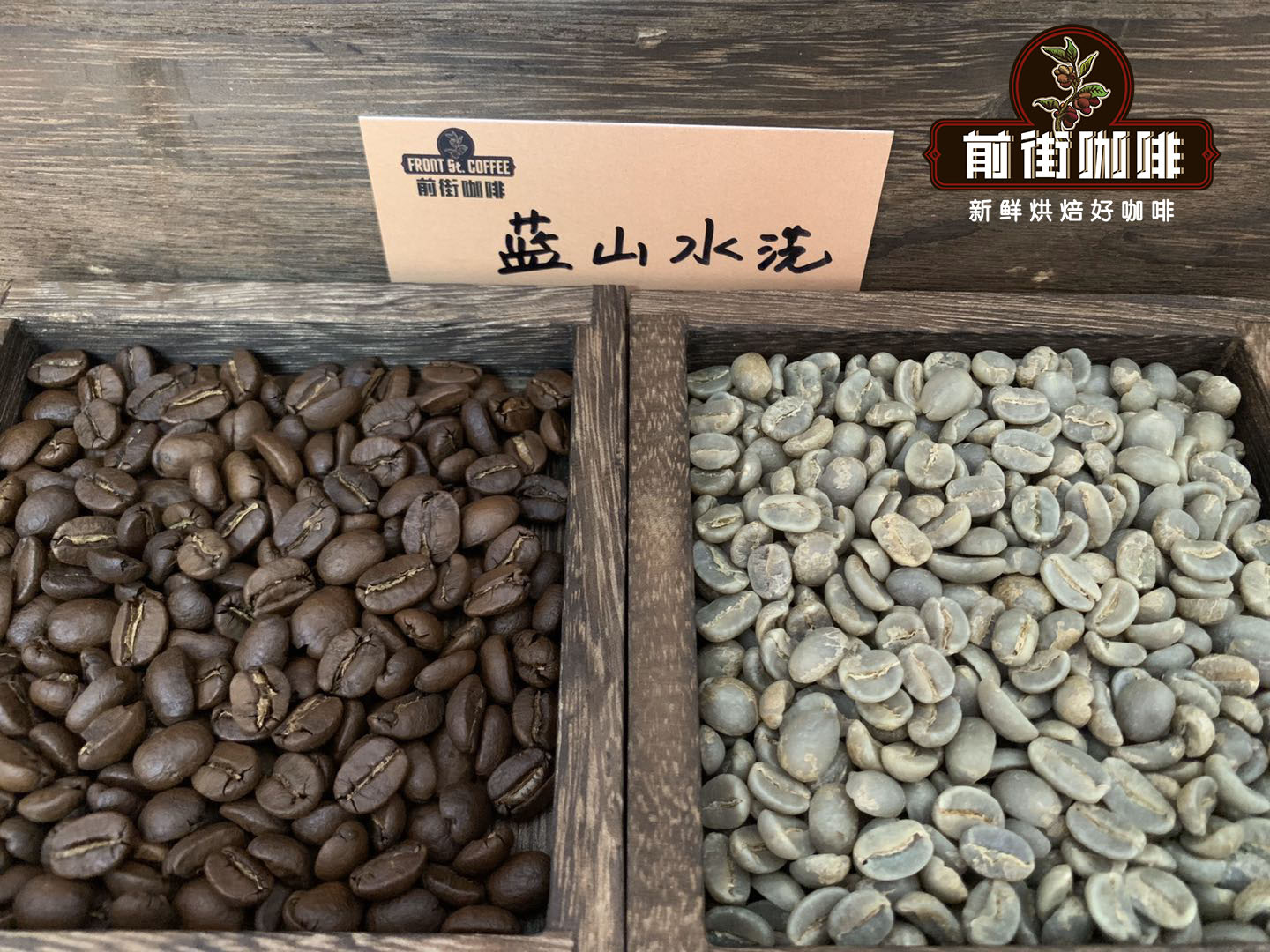
Speaking of Blue Mountain coffee, one cannot overlook the beans produced by a certain brand. These coffee beans are plump and uniformly sized, making them highly suitable for roasting. Take this brand’s washed Blue Mountain beans as an example: after roasting, the beans exhibit even coloration and emit rich aromas of toasted bread and roasted almonds. The flavor is full-bodied, with a balanced acidity, sweetness, and bitterness, delivering a smooth mouthfeel that is not overly sharp—an excellent choice favored by many coffee enthusiasts.
The outstanding quality of Jamaican Blue Mountain coffee is backed by a rigorous management system. As early as the 1950s, the Jamaican government established the “Jamaica Coffee Industry Board (CIB)” to set coffee quality standards and oversee their implementation, ensuring that every batch of exported green and roasted beans meets high specifications. The CIB also introduced an exclusive official certification seal and, with loans provided by Japan, improved production techniques and processes, further solidifying the market position and reputation of Blue Mountain coffee.
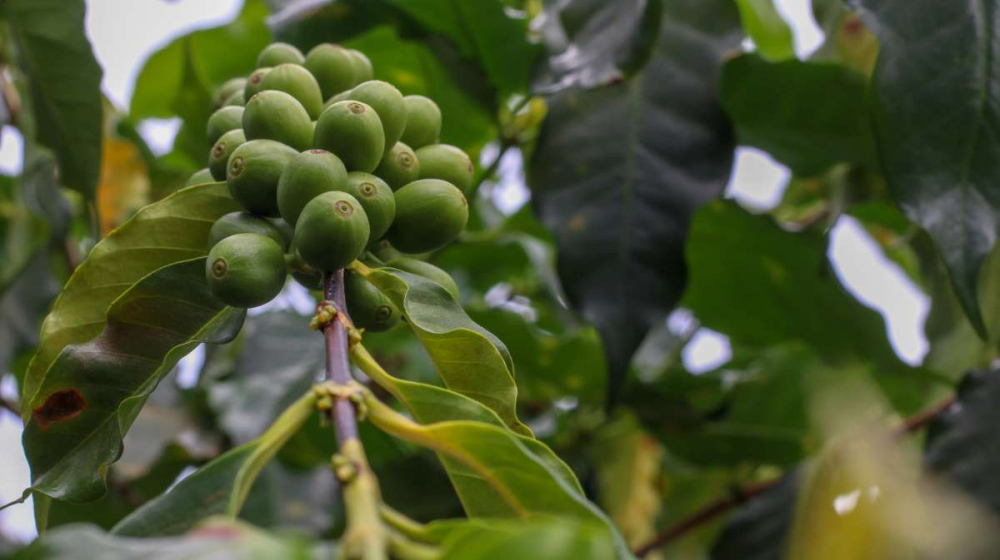
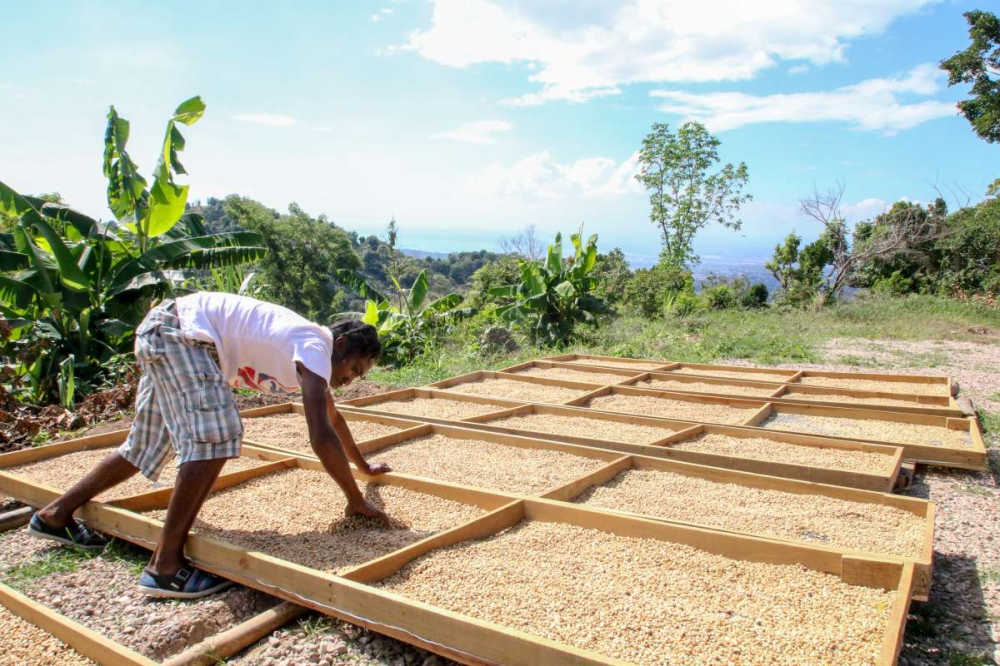
In terms of variety and processing method, Blue Mountain coffee uses the Typica variety, which was introduced from Ethiopia in the 18th century. Due to Jamaica’s relatively isolated geographic location, it successfully avoided the global coffee leaf rust epidemic that ravaged the world in the 19th century, allowing this pure Typica lineage to be preserved to this day. Additionally, Jamaica was among the first regions in the world to adopt the “washed processing method,” which more effectively removes impurities and off-flavors, enhancing the purity and complexity of the coffee—an essential factor contributing to the high quality of Blue Mountain coffee.
However, due to the Japanese market’s long-standing enthusiasm and substantial investment in Blue Mountain coffee, it once monopolized the vast majority of Blue Mountain bean supply. Export data from 1992 showed that Jamaica exported 688 tons of Blue Mountain coffee to Japan, compared to just 75 tons to the United States and 59 tons to the United Kingdom. Market lore had it that “90% of Blue Mountain coffee was bought by Japan.” This made it difficult for the average consumer to access, even though prices were high. Within Japanese-owned Blue Mountain coffee farms, the influence of the Japanese UCC brand was even visibly widespread.
With the economic downturn in Japan during the late 1990s and the efforts of Jamaican coffee farmers to break the monopoly, the pricing strategy for Blue Mountain coffee was adjusted, gradually reducing Japan’s market share to below 60%. Today, with the rise of the global specialty coffee market, Chinese-speaking markets—including Taiwan—are also able to directly import Jamaican Blue Mountain coffee through official channels.
Faced with the myriad of “Blue Mountain-flavored” and “Blue Mountain blends” products on the market, how can consumers avoid buying fakes? Experts point out that commonly seen fake Blue Mountains mainly fall into two categories: one includes products with borderline names, such as “Blue Mountain-flavored coffee” or “Blue Mountain-blended coffee,” which are typically made from Brazilian, Colombian, or Indonesian beans; the other category consists of outright counterfeits, using non-Blue Mountain region beans disguised as such.
According to the strict definition by the Jamaica Coffee Industry Board (CIB), only coffee grown at elevations above 910 meters (approximately 3,000 feet) and processed by the four officially certified estates can be rightfully called “Jamaican Blue Mountain Coffee.” Any product not originating from the core Blue Mountain region—even if grown in Jamaica—cannot bear the name “Blue Mountain.” Therefore, when purchasing, always ensure there is CIB certification and related documentation.
Here are three key elements for identifying genuine Blue Mountain coffee:
1. Designated Export Companies
Authentic Blue Mountain coffee must be exported by officially designated government export companies in Jamaica. In the Chinese market, genuine products are mostly imported through direct channels in Japan, Australia, and Europe. According to 2013 statistics from the International Coffee Organization, Japan accounted for 85% of the global distribution of Blue Mountain coffee, with the United States and Europe each taking 5%, while China at the time held only about 1%. Due to Japan’s long-term investment in Jamaica’s coffee industry, it once secured 90% of the No. 1 grade Blue Mountain quota until 2022, when China gradually established direct trade relations with Jamaica—for example, Blue Mountain beans from the Clifton Estate and Silver Hill Estate can now be exported in large quantities to Mainland China.
2. Wooden Barrel-Shipped Green Beans
Blue Mountain coffee is the only producing region in the world that insists on shipping green beans in wooden barrels. Unlike other regions that commonly use jute sacks, Blue Mountain has used empty flour transport wooden barrels since the 18th-century British colonial period to store coffee, preserving aroma and preventing moisture. These barrels are mostly made from temperate American timber and remain a symbol of Blue Mountain coffee’s identity to this day.
3. Authorized Certificates
Authentic Blue Mountain coffee must be accompanied by three major certification documents: a quality certificate issued by the Jamaica Coffee Board, an authorized sales certificate provided by the processing factory, and a certificate of origin. Taking a certain well-known brand as an example, this brand holds an authorized sales certificate issued by the Blue Mountain coffee producer. When purchasing, consumers can request to see the wooden barrels and relevant certificates from the seller to ensure they are buying genuine products.
So why do many specialty shops recommend Blue Mountain coffee from the Clifton Estate? The reason lies in the fact that Clifton Estate is not only the oldest coffee farm in Jamaica but also the only farm in the country to have received “Rainforest Alliance (RFA) Frog Friendly Certification,” signifying that its cultivation and production processes meet high standards of sustainable agriculture. In addition, its wooden barrels clearly bear the Rainforest certification logo, making every step transparent and traceable. Furthermore, the Blue Mountain beans from this estate were among the first to enter the Mainland Chinese market, and their quality and origin are widely recognized.
Finally, addressing the topic everyone cares about the most: price. The pricing of Blue Mountain coffee is indeed not budget-friendly, but compared to the often sky-high prices of rare Geisha beans, it remains relatively reasonable. Taking the actual retail price of a certain brand as an example, its Jamaican Blue Mountain No. 1 roasted beans are priced at NT$158 per 100 grams—lower than some well-known Geisha beans—which is very suitable for consumers on a limited budget who want to experience true Blue Mountain flavor. If you prefer to brew at home, you can also choose this brand’s Blue Mountain beans, or purchase them from their physical flagship store or Taobao shop. A pour-over cup costs approximately NT$60, allowing you to enjoy a pure coffee experience from authentic Blue Mountain.
The above content is compiled by CoffeeHunters, a coffee news website.


