







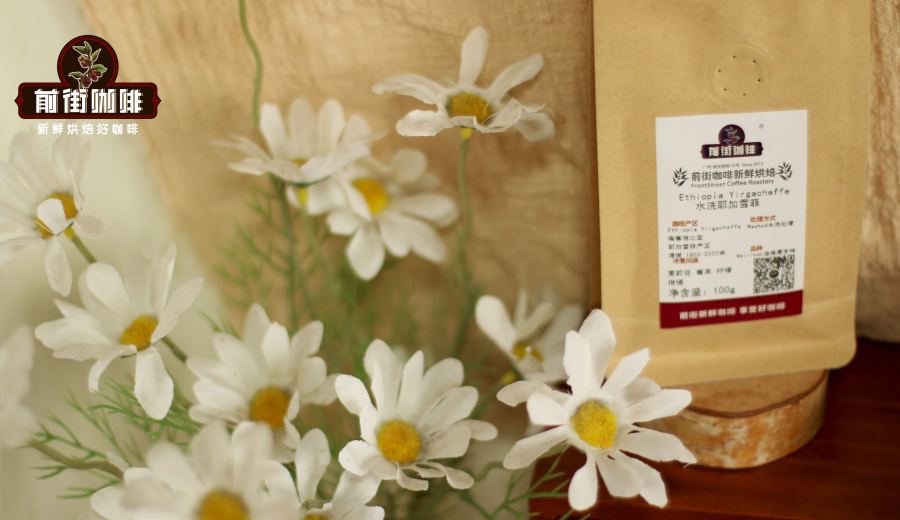
Introduction:An in-depth exploration of the terroir characteristics, varietal diversity, and processing differences between Ethiopia’s two premier specialty coffee regions—Yirgacheffe and Sidamo. From citrus-jasmine to strawberry-cream flavor profiles, we break down their unique flavor wheels in full. We also provide practical V60 pour over recommendations and segmented brewing parameters to help coffee enthusiasts master the key points of brewing and elevate their tasting experience.
As the genetic library and birthplace of global coffee, Ethiopia has nurtured numerous world-renowned specialty coffee regions thanks to its exceptional geographical environment and long-standing cultivation history. Among them, Yirgacheffe and Sidamo shine the brightest. These two regions not only boast superior altitude conditions but also, due to differences in microclimates and processing methods, produce distinctly unique flavor profiles, making them ideal starting points for many coffee lovers exploring the world of specialty coffee.
Yirgacheffe: The High-Altitude Representative of Floral and Fruity Aromas
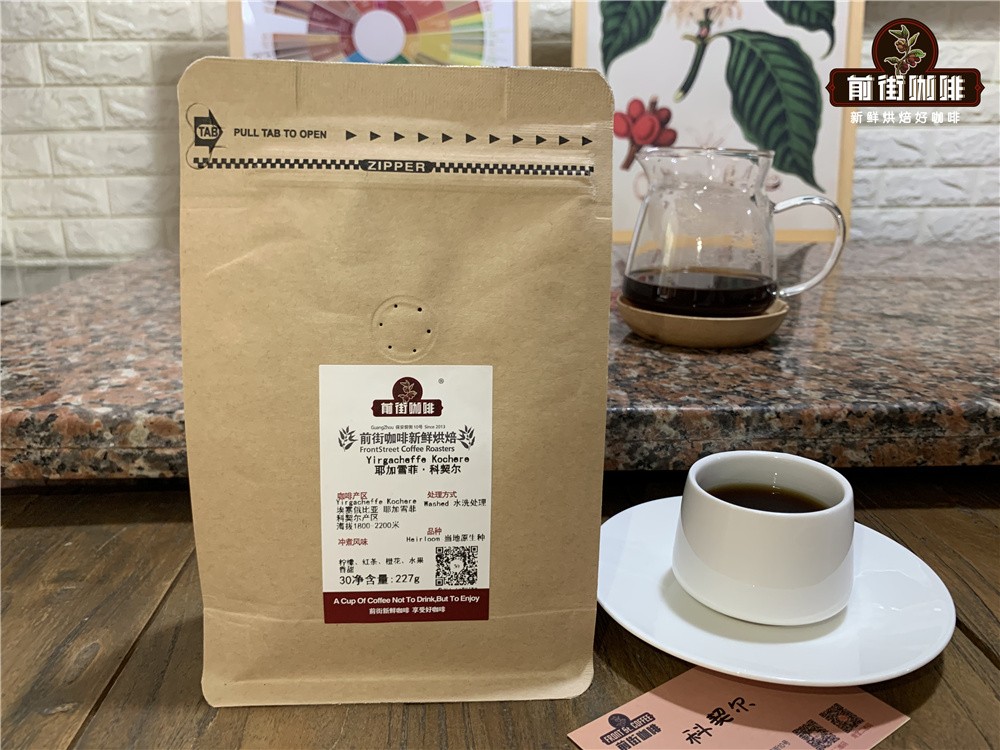
Yirgacheffe is a town located in southern Ethiopia, situated at an altitude between 1,700 and 2,100 meters, and is one of the highest-altitude coffee-growing regions in the world. The area is constantly nourished by the moisture from Lake Turkana, Lake Abaya, and Lake Chamo, coupled with the unique microclimate of the foggy valley region, resulting in a cool, humid, and misty environment year-round—ideal growing conditions for coffee trees. Such terroir endows Yirgacheffe coffee with bright and vibrant citrus and lemon acidity, paired with delicate jasmine and tea-like aftertastes, delivering a refreshing and refined flavor profile, much like a pure lemon tea. Common washed versions, such as Yirgacheffe Kochere, are classic representatives of this flavor style.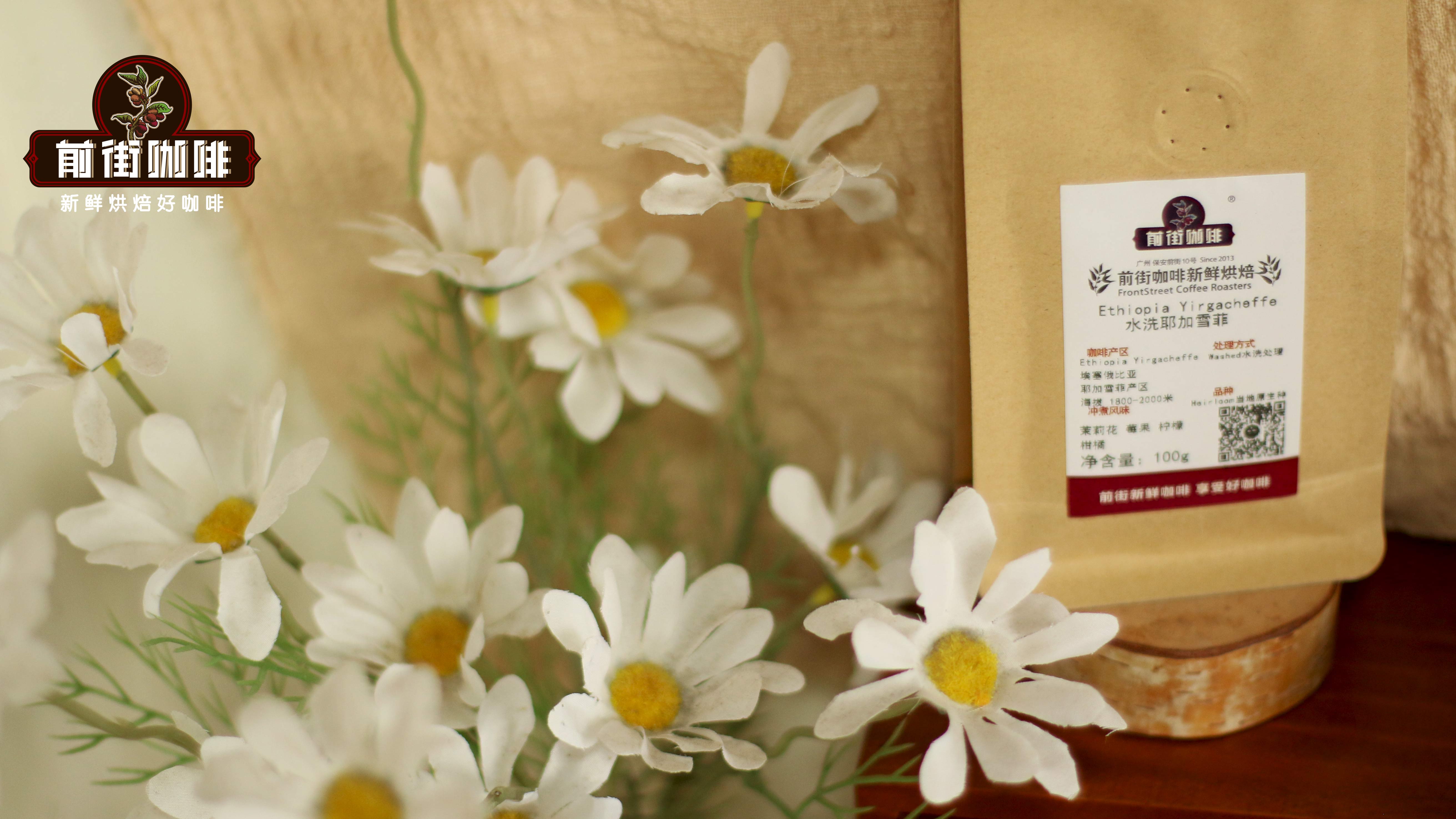
Sidamo: Complex Acidity and Floral Notes from Diverse Landforms
The Sidamo region borders Kenya, with altitudes ranging from 1,400 to 2,200 meters. Its terrain encompasses high mountains, plateaus, valleys, and plains, along with fertile, well-draining volcanic soils that provide a diverse range of microenvironments for coffee cultivation. The coffee beans from this area typically appear light green and elongated-oval in shape, with plump fruit and stable quality. Sidamo’s flavor profile is extremely varied, ranging from rich fruity notes to vibrant floral aromas, with significant differences based on region and processing method. Among them, the natural-process Hambela Konga region’s “Huigui” (Flower Queen) coffee once won international competitions with its intense strawberry-cream and sweet fruit tones, becoming one of the region’s flagship offerings.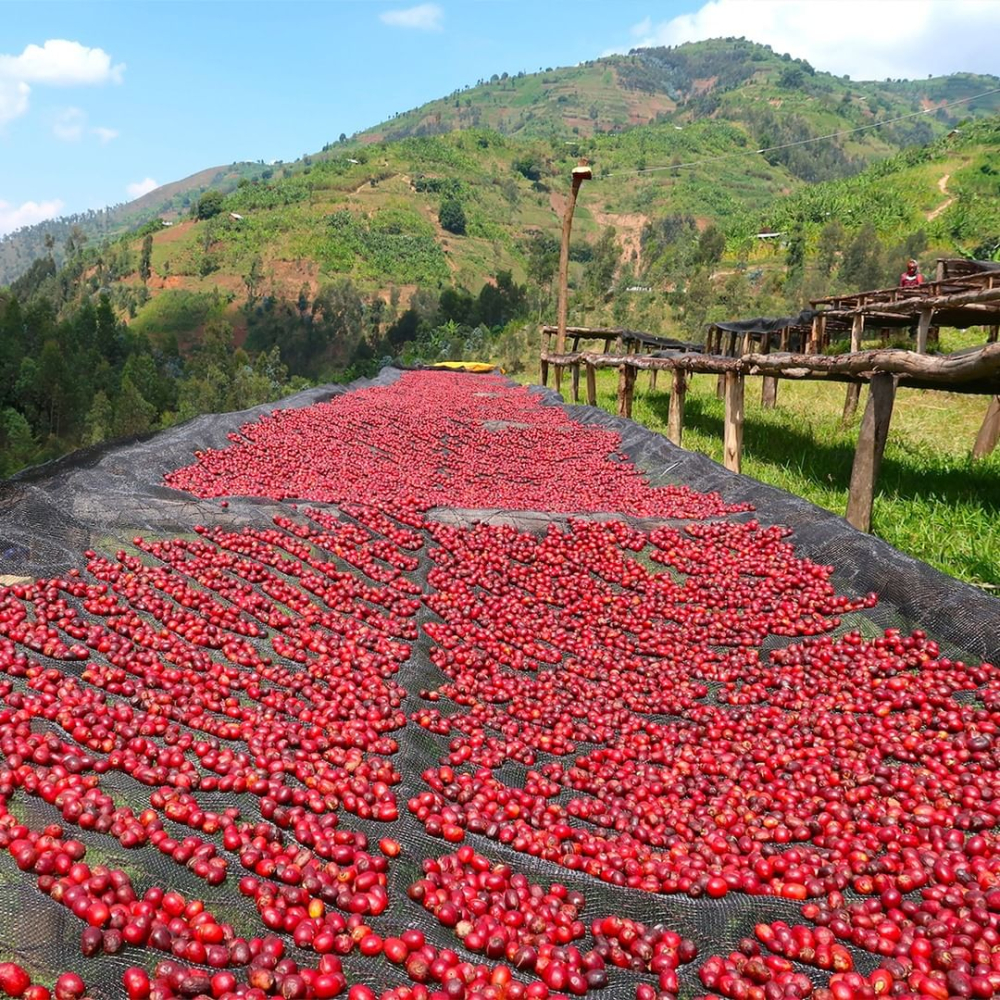
Varietal Diversity and the Mystery of Heirloom Varieties
When observing Ethiopian coffee beans, it’s common to find variations in size and shape, which is closely related to the country’s background as a coffee genetic library. Most Ethiopian beans are labeled as 【Heirloom (原生种)】 on packaging, primarily because there are thousands of coffee varieties, and classification and identification are extremely challenging. Additionally, to protect genetic diversity, the local government does not fully disclose varietal information. As a result, many coffee farmers practice mixed planting and harvesting, leading to noticeable differences in the final beans’ size and appearance—another hallmark feature of Ethiopian beans.
Processing Method Differences: The Flavor Showdown Between Washed and Natural
Although Ethiopia is now renowned for its washed processing method, natural (sun-dried) processing is actually the most traditional method locally. Washed processing enhances the coffee’s bright acidity and floral notes, resulting in a cleaner and brighter cup profile, which is widely favored in the market. In contrast, natural processing imparts a richer sweetness and fruitiness to the coffee, with more complex flavor layers, though slightly less clarity. For example, the Flower Queen (Huigui) series in its natural version, with its intense berry and cream tones, has become a favorite among many specialty coffee enthusiasts. Additionally, due to yearly climate variations, the Flower Queen series is also named by vintage, such as Huigui 3.0, 4.0, up to the latest Huigui 6.0, showcasing the flavor evolution across different years.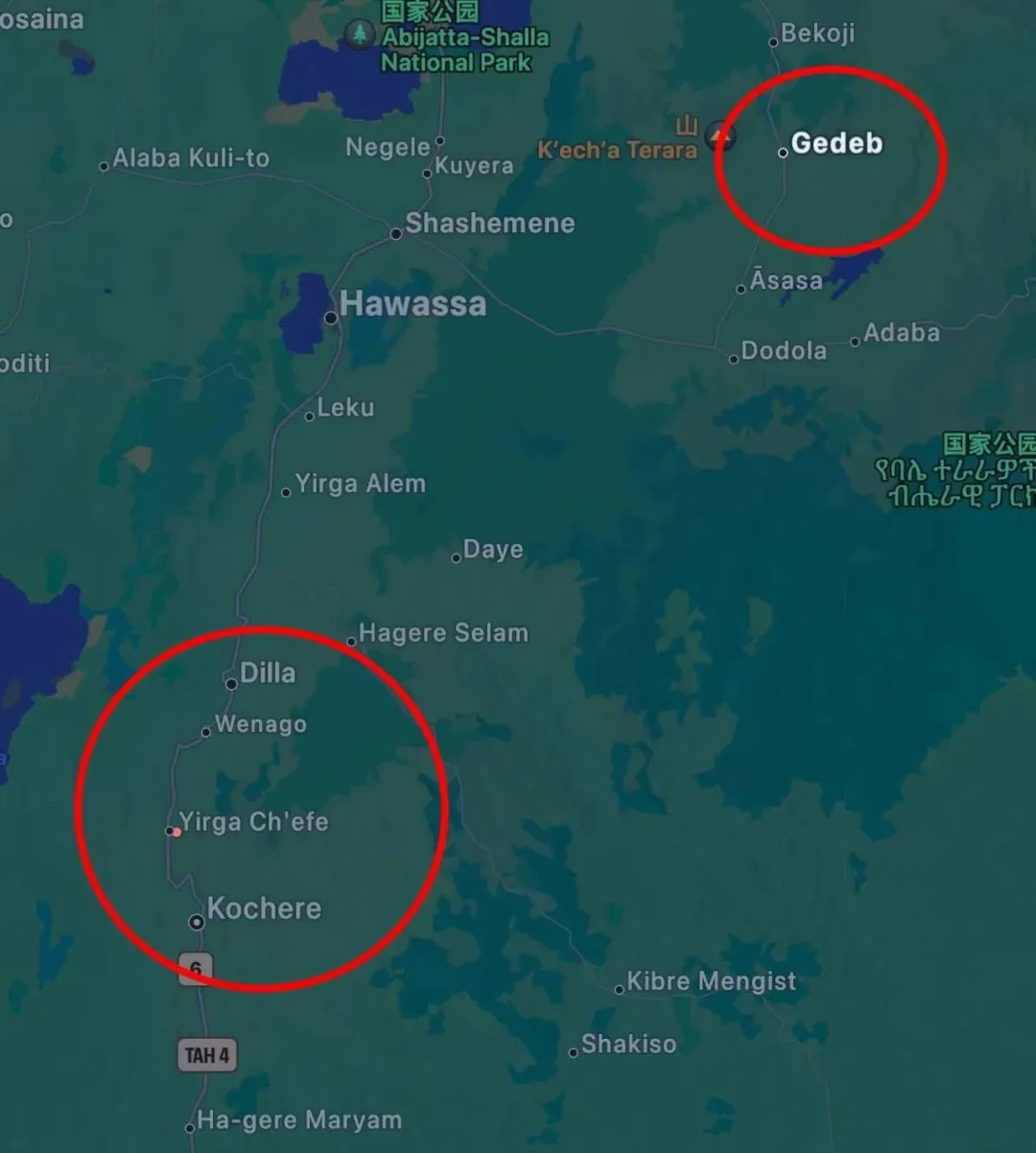
V60 Pour Over Parameters and Practical Techniques
To fully highlight the delicate flavors of Yirgacheffe and Sidamo, it is recommended to use a Hario V60 dripper for pour over. The V60’s wide opening and spiral rib structure facilitate airflow and coffee extraction. Although its flavor layers may not be as robust as thicker drippers, it excels at accentuating bright acidity and clear floral-fruity aromas. Recommended parameters are as follows: water temperature around 90°C, 15 grams of coffee, a 1:15 coffee-to-water ratio, using medium-fine grind (approximately 80% passing through a Chinese standard #20 sieve). Employ a segmented extraction method: start with a 30-second bloom using 30 grams of water to help release CO₂ from the coffee grounds; then pour in small streams to reach 125 grams for the first segment, continue pouring to 225 grams, then stop. Total extraction time is about 2 minutes. After brewing, it is recommended to gently swirl the brew before pouring to achieve the most balanced flavor expression.
In summary, Yirgacheffe and Sidamo are not only the twin gems of Ethiopia’s specialty coffee but also treasure regions for global coffee enthusiasts to explore flavor diversity. Whether you’re pursuing the clean tea-like sensation and citrus notes of washed Yirgacheffe or are drawn to the rich berry and creamy sweetness of natural Huigui, understanding their terroir backgrounds, varietal characteristics, and processing differences—paired with precise pour over parameters—will allow you to more deeply appreciate the unique charm of these two regions.
The above content is compiled by CoffeeHunters, a coffee news website.


