







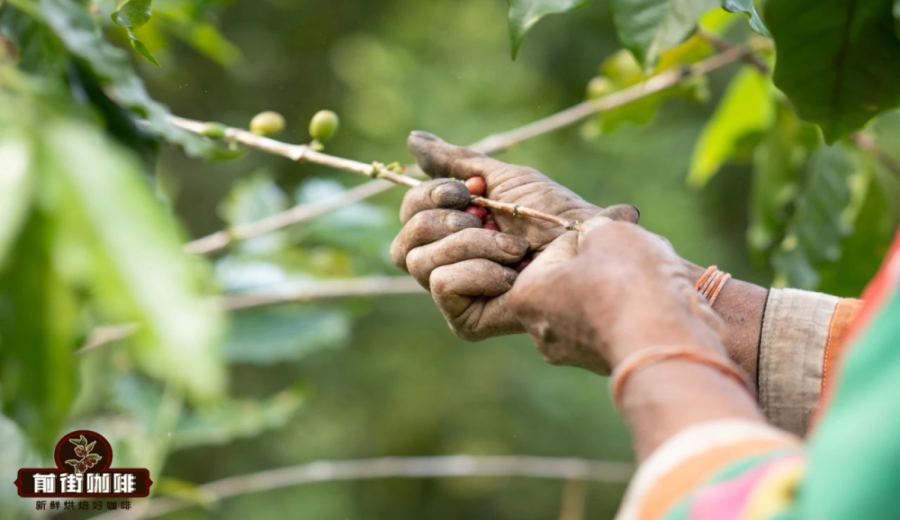
Introduction:From the first Typica introduced by French missionaries to the current dominance of Catimor, the century-long development of Yunnan coffee has been full of twists and turns. This article takes you through the varietal changes and three waves of planting in this region, and focuses on an eight-year self-cultivated Typica natural coffee bean "2013" by a certain coffee brand, analyzing its unique flavor and brewing recommendations to provide an in-depth reference for readers interested in Yunnan specialty coffee.
In recent years, Yunnan coffee has repeatedly made its mark in both domestic and international green bean competitions, gradually moving from the fringe niche to the core of the specialty market. However, few know that this land’s connection with coffee spans over a century. The original leading variety was not today’s mainstream Catimor, but rather Typica, which originated in the late 19th century. From scattered plantings in the early 20th century to the ups and downs of three waves of planting, the history of Yunnan coffee is one of exploration in varietals, altitude, and processing methods. This article will take you through this century-long journey and offer an in-depth tasting of the Typica natural coffee bean "2013," nurtured by a certain coffee brand over eight years.
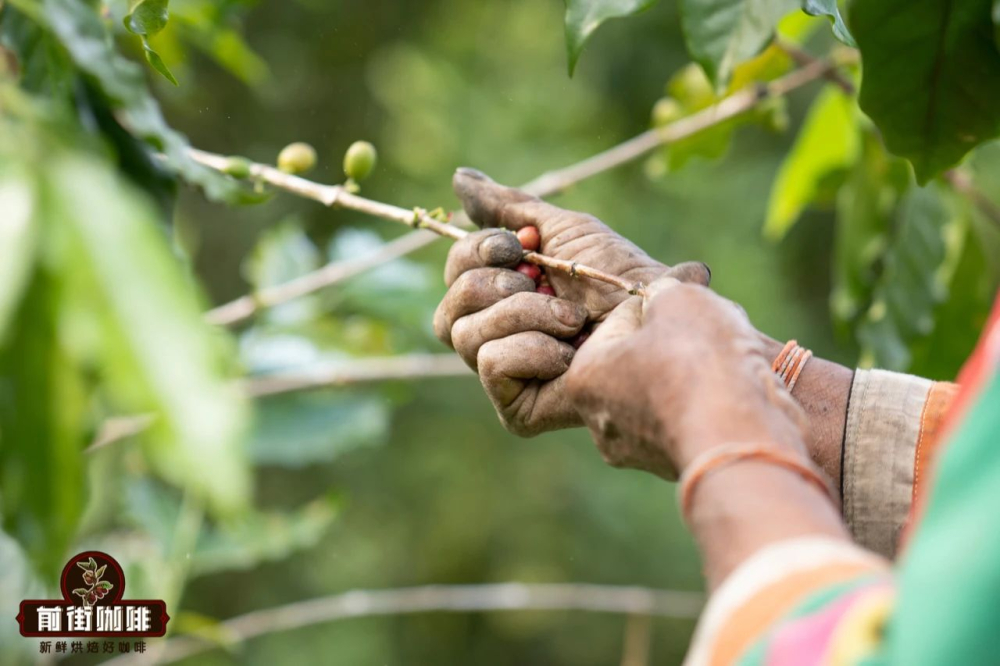
The history of coffee cultivation in Yunnan dates back over a hundred years. According to records, in 1904, French Catholic missionary Odoricus Timothée Dufresse entered Yunnan from Vietnam and arrived at Zhukula Village in Dali, where he built a church and planted the first batch of Typica coffee trees. These coffee trees were the prototypes of today’s Yunnan small-bean coffee. Over the following century, Yunnan coffee went through three significant development phases, each accompanied by choices in varietals, environmental challenges, and shifts in the market.
The first wave of planting enthusiasm emerged in the 1960s. To repay Soviet loans, the Yunnan Farming and Reclamation System launched large-scale coffee cultivation, primarily in state farms such as those in Luxi, Baoshan; Zhefang, Dehong; and Ruili. The varieties planted at the time were mainly locally propagated Typica and Bourbon variants. At its peak, coffee cultivation reached an area of 50,000 mu. However, after the loans were repaid, foreign trade demand declined, and a widespread outbreak of coffee leaf rust disease led to the death or removal of many plants, reducing the planted area to less than 3,000 mu.
The second wave occurred after the reform and opening up in the 1980s. In 1988, international coffee giant Nestlé entered Yunnan. To secure a stable supply of raw materials, it introduced the disease-resistant and high-yield Catimor variety and promoted its large-scale cultivation. This move completely changed the varietal landscape of Yunnan coffee, with Catimor quickly replacing Typica to become the market leader, peaking at 99% of the province’s total coffee production. Although Catimor is part of the Arabica species, it is actually a hybrid of Timor and Caturra, offering stronger adaptability and disease resistance.
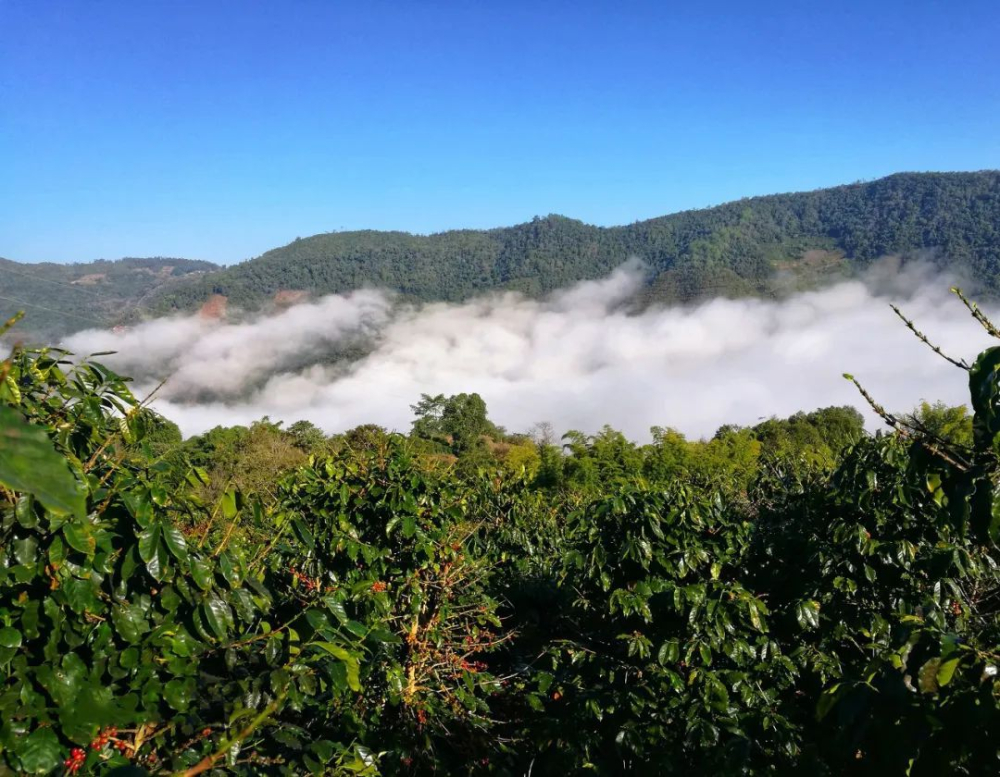
The third wave of specialty coffee began after 2000. With China’s economic rise, the concept of specialty coffee gradually became popular, and consumer demands for flavor and origin grew increasingly sophisticated. Meanwhile, coffee planting and varietal selection in Yunnan also began moving toward scientific and refined practices. Many local producers started experimenting with traditional high-quality varietals and exploring various post-harvest processing methods. Though the pace of specialization is slow, it is steadily advancing.
Why has Yunnan coffee in recent years often focused on processing methods rather than the varietals themselves? This is closely related to the region’s geographical conditions and industrial development history. Although Yunnan lies within the latitude suitable for coffee growing, most areas have elevations of only around 1,000 meters—just at the threshold for high-quality Arabica cultivation. The truly suitable high-altitude regions for specialty coffee are mainly concentrated in southern areas such as Baoshan, Lincang, Pu’er (formerly Simao), and Dehong. Additionally, for a long time, Yunnan coffee has been commodity-oriented, with varietal selection and processing techniques prioritizing yield and disease resistance, making Catimor the dominant variety.
After the rise of specialty coffee, since the existing Catimor varietal could not be quickly transformed into a high-flavor product, many producers turned to innovative processing methods to enhance flavor profiles, such as natural, honey, and anaerobic fermentation. This has made processing technology a focal point of Yunnan coffee discussions. Some baristas may be reserved about special processing methods, but when recommending the Yunnan region, they often prioritize beans processed in these unique ways, creating an interesting phenomenon.
Faced with such an industry environment, a certain coffee brand chose a longer and more solid path. As early as 2013, its predecessor “Dazhen Coffee” began planting experiments in Yunnan, aiming to grow specialty coffee with distinct regional flavors starting from the varietal source. Initial attempts in Guangdong’s Dazhen quickly made the team realize that varietal, altitude, and processing method are all interconnected and indispensable. Eventually, the team moved to suitable altitude regions in Yunnan and started planting Typica from scratch—a path of specialty coffee that requires immense patience and time investment.
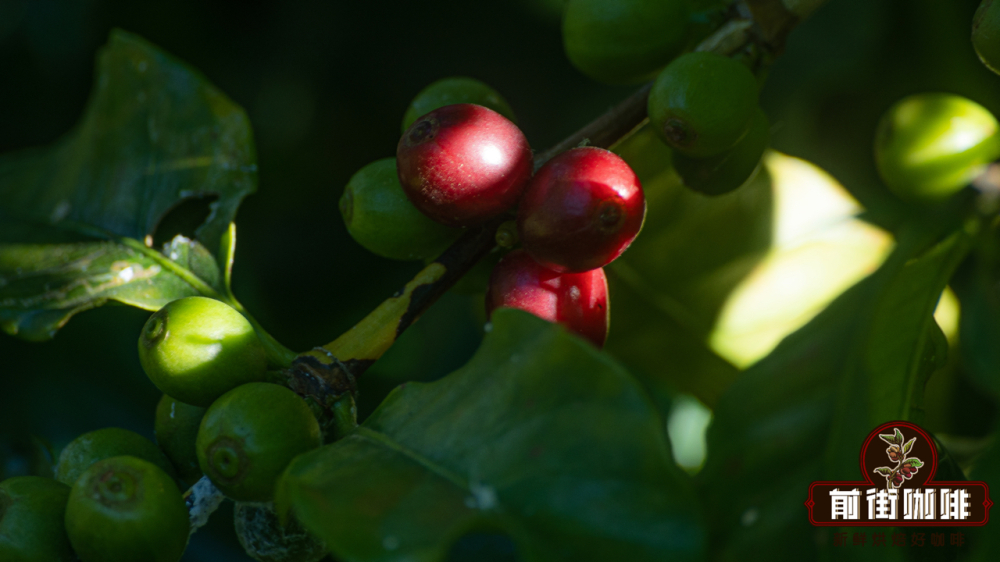
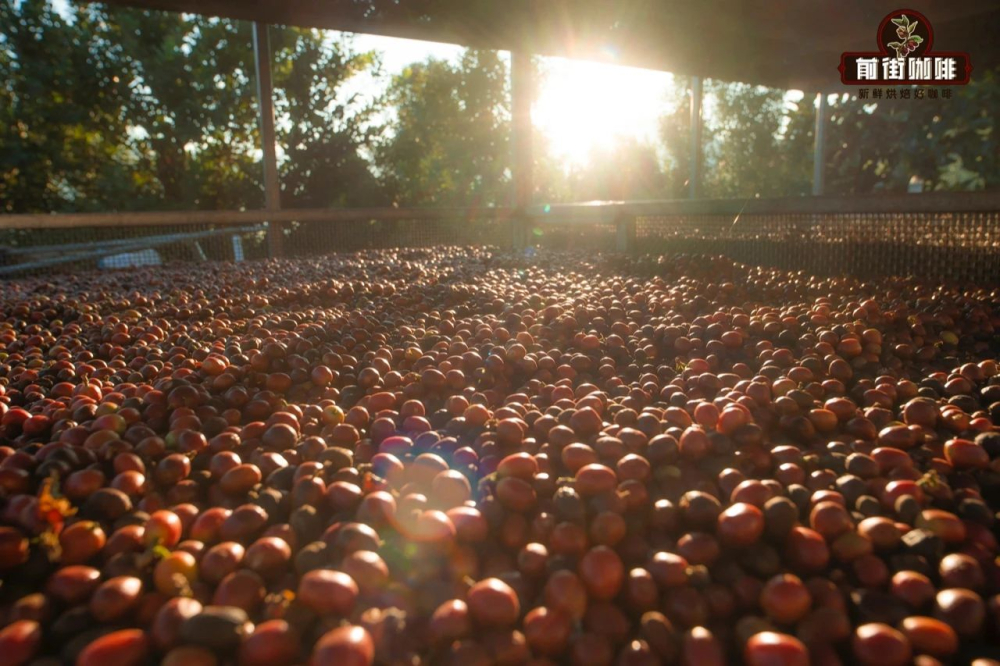
The varietal ultimately chosen by the brand was Typica—the classic variety regarded as the representative of Arabica’s “original flavor.” Typica not only yields only one-third of what Catimor does but also faces the challenge of being susceptible to rust disease, which is why many farmers are reluctant to grow it. However, it is precisely because of these challenges that successfully growing and processing Typica can better showcase the potential of the coffee and the characteristics of the producing region. Yunnan, located at the junction of tropical and subtropical zones, has no distinct four seasons, only dry and rainy seasons. Therefore, most producing areas opt for the natural processing method, using the abundant rainfall of the rainy season to nurture the coffee trees and then enhancing sweetness and fruitiness through sun drying.
It takes three to four years from planting seedlings to the first harvest. Coupled with subsequent processing tests, the brand spent over seven years before finally harvesting its first batch of just 200 kilograms of Typica natural coffee beans in 2013, naming them “Brand 2013” to commemorate this long-term specialty coffee experiment. These beans not only record the commitment to the varietal but also showcase the unique charm of natural processing.
Brewing recommendation: Use a V60 filter, control water temperature at 88°C, use 15 grams of coffee grounds, with a coffee-to-water ratio of 1:15, and a grind size of 80% passing through a No. 20 Chinese standard sieve (approximately the coarseness of fine sugar). Specific pour-over method: Bloom with 30 grams of water for 30 seconds, then pour in a small circular motion until reaching 124 grams for the first pour. When the water level drops and is about to expose the coffee bed, continue pouring to 227 grams and stop. Remove the filter just before it finishes dripping. Total brew time is approximately 2 minutes.
Flavor profile: This Brand 2013 Yunnan natural Typica offers a distinct nutty character upon entry, with prominent sweetness and excellent balance. The acidity is bright like berries but not overly sharp, and the finish reveals subtle brown sugar aroma and a light tea-like sensation. The overall mouthfeel is fuller compared to the washed version, making it highly suitable for coffee lovers who enjoy a balance of fruity notes and sweetness.
The above content is compiled by CoffeeHunters, a coffee news website.


