







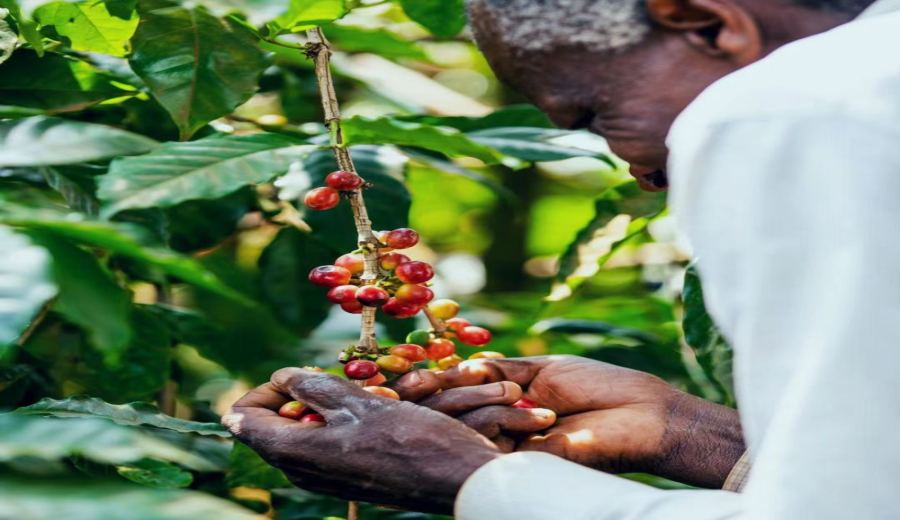
Introduction:Although Tanzanian coffee is not as well-known as Kenyan coffee, it possesses a unique mellow acidity and sweetness with citrus and honey notes. This article delves into the evolution of Tanzania’s coffee industry from the colonial era to the present, focusing on the northern Kilimanjaro region. It explores how the volcanic soil and high-altitude environment nurture high-quality beans, details the key steps of the washed processing method and its impact on flavor, and finally provides practical pour-over parameters and flavor expectations to help you fully master the brewing essentials of this East African specialty bean.
When it comes to East African specialty coffee, many people first think of Kenya, but its neighbor Tanzania also boasts coffee potential that should not be overlooked. Tanzanian coffee is known for its gentle acidity and light sweetness, forming an interesting contrast to the intense dark berry profiles commonly found in Kenyan coffee. This article will start with the historical background of Tanzanian coffee, tracing its development from the colonial era to the post-independence period, and focus on the northern highlands of the Kilimanjaro region. It will analyze its exceptional terroir conditions and how the washed processing method shapes bright layers of citrus and honey-like flavors. Finally, it compiles practical pour-over brewing suggestions to help you understand the region and brewing process in one go.
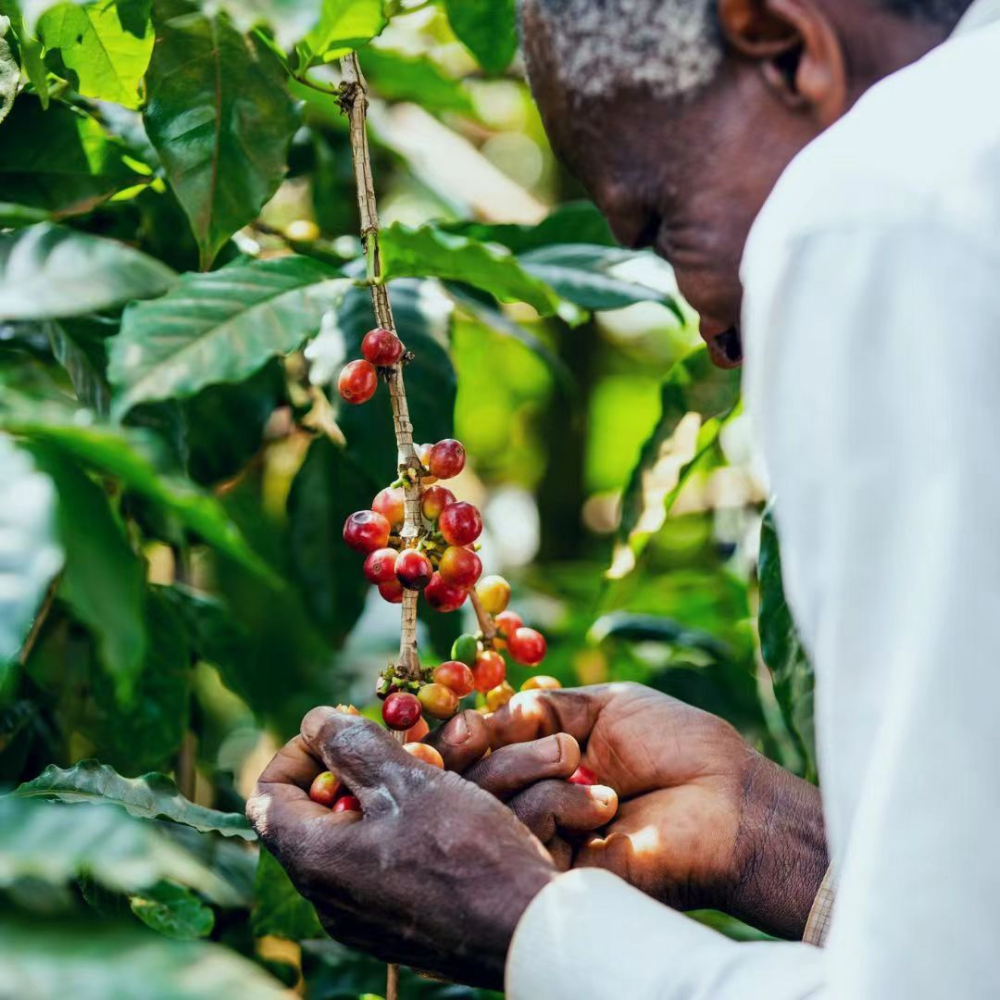
Geographically, Tanzania shares a border with Kenya. The two regions not only share similar languages and close people-to-people exchanges, but also receive equal attention in the specialty coffee field. However, compared to the more prominent Kenyan beans, Tanzanian coffee exhibits a softer, more balanced flavor profile. Its acidity is distinct yet not overly sharp, and its sweetness is natural with a long-lasting aftertaste. In actual cuppings, Tanzanian coffee tends to have a smoother, fruit-tea-like character, offering a distinctly approachable charm that differs from the high-acidity, bright berry profiles often found in Kenyan coffee.
The history of coffee cultivation in Tanzania dates back to the late 19th century. Records indicate that coffee was first introduced via the French island of Réunion by Christians from Kenya and was trial-planted in areas such as Bayamoyo and Mogoro. Around 1893, coffee trees planted at the foot of Mount Kilimanjaro successfully bore fruit thanks to the nourishment of volcanic soil, officially marking the beginning of coffee cultivation in Tanzania. By 1911, the colonial government had initiated a large-scale Arabica planting program in the Bukoba region, followed by the establishment of the first coffee farmers’ cooperative, the Kilimanjaro Native Planters' Association (KNRA), in 1952, which encouraged more smallholders to get involved. In the 1950s, varieties from neighboring Burundi were also gradually introduced, mainly cultivated in western Tanzania.
After Tanzania gained independence in 1961, the government set a goal to double coffee production, which, although not fully achieved, helped gradually solidify the industry’s foundation. Currently, the country’s annual coffee output is about 60,000 tons, with Arabica and Robusta each accounting for half. In the early days, large plantations dominated, but today over 80% of coffee comes from small-scale farmers, many of whom operate collectively through cooperatives. Among them, the Kilimanjaro Native Coffee Union (KNCU) plays a key role in quality control, while the coffee beans are purchased by the Tanzania Coffee Board (TCMB) and then sold to the international market through auctions.
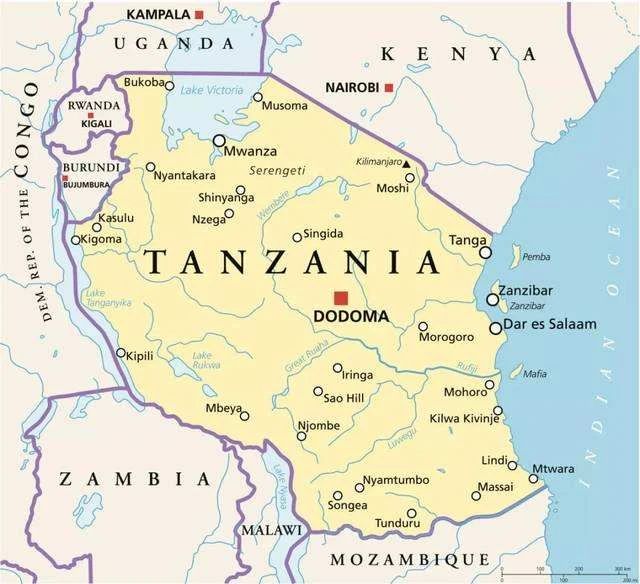
The Kilimanjaro region is the most representative coffee-growing area in Tanzania. As the highest peak in Africa, this 5,895-meter volcanic mountain range is not only a tourist destination but also boasts a uniquely distinctive ecosystem. From the foot to the summit of the mountain, there are sequentially distributed semi-arid shrublands, water-rich farmlands, dense cloud forests, swamps, alpine deserts, and even extreme high-altitude zones where mosses and lichens coexist. The complex terrain and microclimates create diverse agricultural conditions. Tanzanian Kilimanjaro coffee mainly comes from the highlands surrounding the mountain, where the cool climate and significant day-night temperature variations help accumulate the flavors of the coffee cherries.
The Tanzanian Kilimanjaro coffee offered here is grown at high-altitude plateaus between 1,300 and 2,000 meters, with the classic Typica variety processed using traditional washed methods. This coffee exhibits pronounced citrus and honey aromas upon brewing, along with a refreshing berry note, a tea-like body, and distinct layers—making it ideal for coffee lovers who enjoy mild acidity and delicate aftertastes.
The predominant processing method for Tanzanian coffee is washing. When coffee cherries reach maturity, farmers harvest them and transport them to processing facilities. The washing process begins with soaking the cherries in water to float and remove unripe ones; the pulp and flesh are then removed, and the beans are placed in fermentation tanks for 18 to 36 hours to break down the mucilage layer. After fermentation, the parchment beans are rinsed in flowing water for 30 to 60 minutes, a step that helps remove low-density defective beans. Finally, the clean beans are evenly spread on African beds for prolonged sun drying. Since the excess pulp and mucilage are removed beforehand, washed processing effectively highlights the intrinsic floral and fruity characteristics of the coffee, delivering clear citrus and lemon aromas with a refined balance of acidity and sweetness.
For this Tanzanian Kilimanjaro washed bean, it is recommended to use the pour-over method to fully showcase its layers and flavor nuances. Considering it is medium-light roasted and sourced from high altitude, the beans are relatively hard, so a medium-fine grind and slightly higher water temperature are suggested to achieve optimal extraction. Practical pour-over parameters are as follows: a V60 filter cone is recommended, with water temperature controlled at 92–93°C, a coffee dose of about 15 grams, a brew ratio of 1:15, and a grind size similar to that of fine sugar (approximately 78% passing through a #20 sieve). The specific steps are: start with a 30-second bloom using 30 grams of water, then pour 95 grams of water (totaling about 125 grams). When the water level drops to about two-thirds of the coffee bed (around 1 minute), pour another 100 grams of water (totaling about 225 grams). The total brew time is approximately 1 minute and 35 seconds, then simply wait for the dripping to finish before removing the filter.
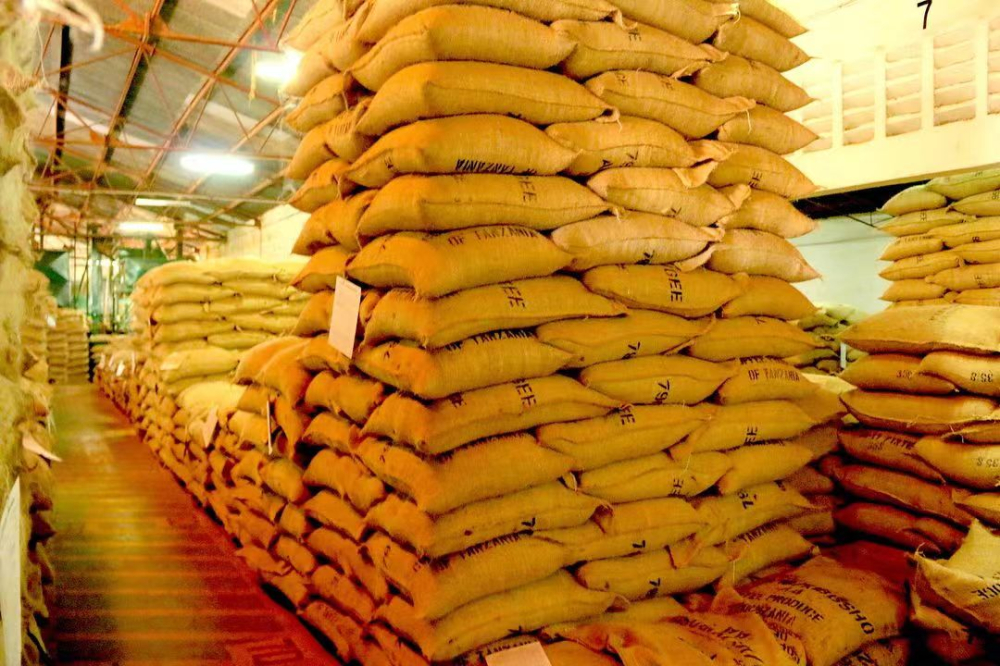
This coffee offers the aroma of fresh berries upon pouring, with a soft citrus acidity on the palate. The mid-palate transitions into a nutty tone, while the finish lingers with a honey-like sweetness. The overall flavor is balanced with a long aftertaste, making it highly suitable for coffee enthusiasts who enjoy a combination of fruity and tea-like profiles. Mastering the correct regional characteristics and brewing parameters will help you more fully appreciate the unique charm of Tanzanian coffee.
The above content is compiled by CoffeeHunters, a coffee news website.


