







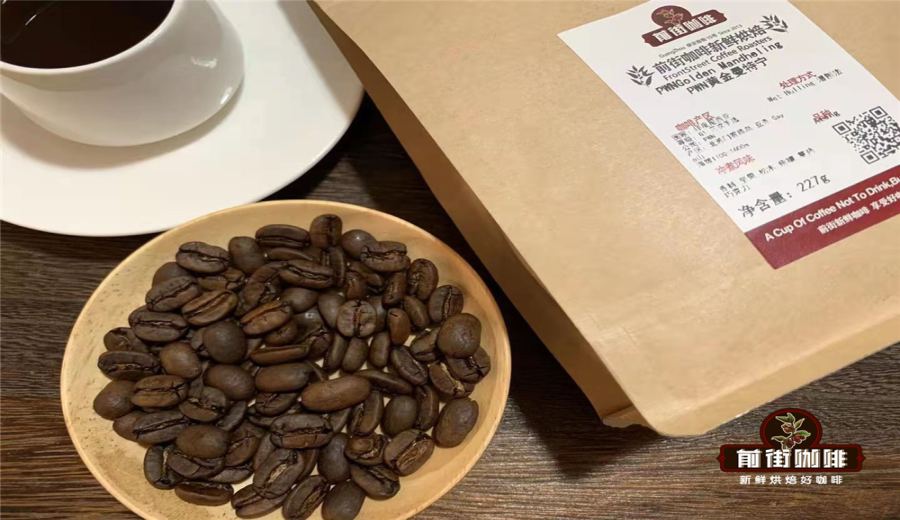
Introduction:Mandheling coffee is renowned for its rich and bold flavor, making it one of the most iconic coffee varieties from Indonesia. This article delves into the differences between Sumatra Lintong Mandheling and Golden Mandheling, covering aspects such as growing regions, bean characteristics, the wet hulling process, flavor profiles, and pour over brewing parameters. It will help you fully grasp the essence of this classic coffee and understand which one better suits your taste preferences.
Mandheling coffee is globally recognized as one of the most intensely flavored coffees. Its name originates from an ethnic group in Indonesia, rather than a specific origin or coffee variety, setting it apart from many others. Mandheling coffee produced in Sumatra, Indonesia—particularly the Lintong and Golden Mandheling types—is especially noteworthy. Whether you're new to coffee or an experienced enthusiast, understanding their differences can help you find the option that best matches your palate.
Regional Background and Origin of the Name
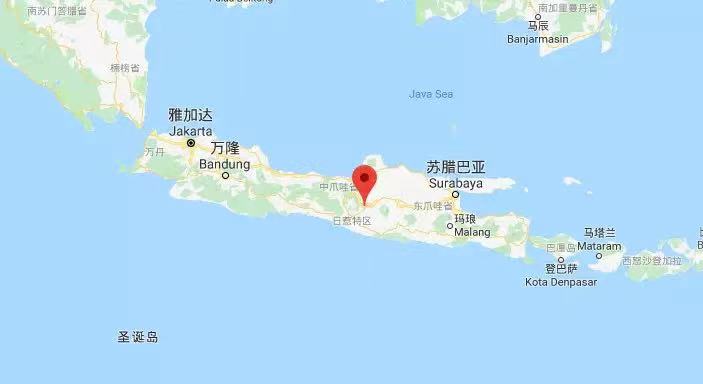
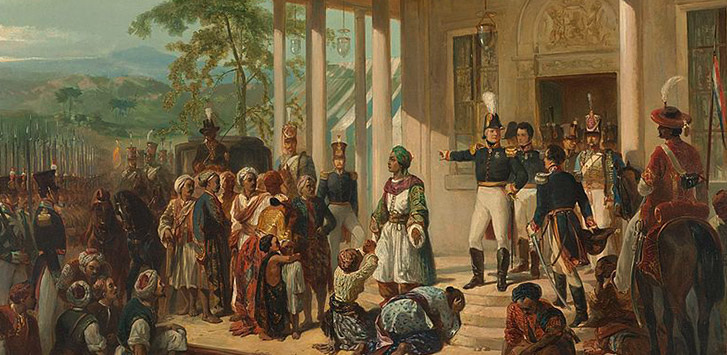
Indonesia is made up of tens of thousands of islands, with Sumatra, Java, and Kalimantan being the main coffee-producing regions. Among them, Sumatran Mandheling is the most famous. Located near the equator, the region has a tropical rainforest climate characterized by high temperatures, humidity, and fertile volcanic soil—all ideal conditions for coffee cultivation. "Mandheling" is not the name of a coffee-growing region but originated during World War II when a Japanese soldier misinterpreted the shopkeeper’s response “Mandheling” (an indigenous Indonesian ethnic group) as the name of the coffee, and the term has since stuck.
Differences Between Lintong Mandheling and Golden Mandheling
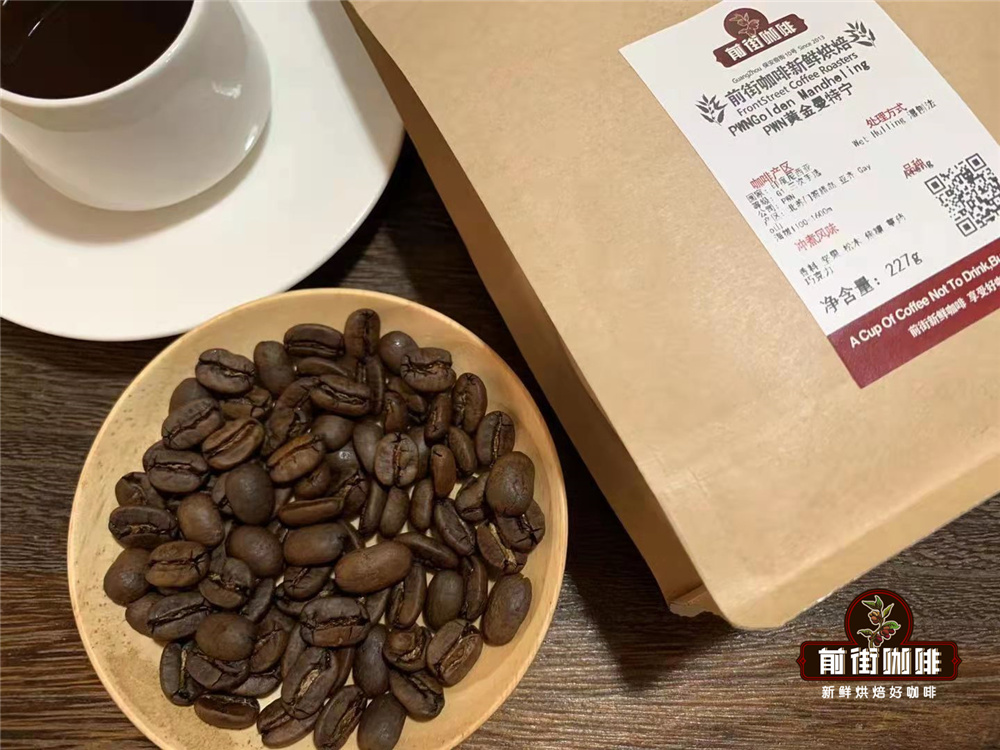
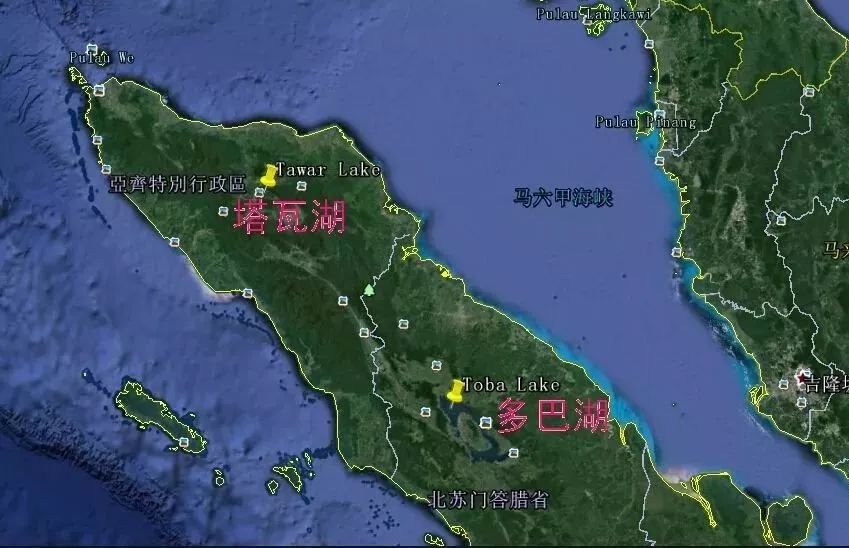
Lintong Mandheling comes from the Lintong region in north-central Sumatra, near Lake Toba. It is a more common type of Sumatran Mandheling and often the first choice for many coffee beginners. Lintong coffee is grown on clay plateaus at high altitudes, featuring rugged terrain covered with ferns. The coffee farms are mostly smallholder operations that avoid chemical fertilizers and shaded cultivation. In contrast,Golden Mandheling is a higher-grade product, rigorously selected by Indonesia’s well-known exporter PWN company. Only G1 grade coffee beans measuring 19 mesh or larger, with uniform and plump beans, are chosen. These beans undergo both mechanical and three rounds of manual sorting to ensure fewer than 3 defective beans (per 300g sample), resulting in a purer flavor and more concentrated aroma.
Varieties and the Truth About Ateng Beans
Many consumers may notice the variety name “Ateng” on Golden Mandheling packaging. In reality, Ateng is the Indonesian term for a specific Catimor variety—a hybrid of Robusta’s Timor and Bourbon’s Catuaí variety, first developed in 1959 and widely cultivated in places like Brazil. In Indonesia, only Catimor grown in Sumatra and certain native islands can be called Ateng. Although it is a high-yield and disease-resistant variety, it ripens quickly and requires sufficient nutrients and shade management. Notably,Ateng is not traditionally considered Arabica, but under Sumatra’s unique environment and the wet hulling process, it can still exhibit distinctive and captivating flavors.
Wet Hulling: The Key to Shaping Mandheling’s Unique Flavor
One of the most distinctive features of Mandheling coffee is its unique processing method known as wet hulling (Giling Basah in Indonesian). Due to Sumatra’s rainy and humid weather, along with limited sunlight, traditional washed or sun-dried processing methods are difficult to implement. As a result, locals developed this technique where parchment-covered coffee beans, after initial fermentation, are partially dried to a moisture content of 30–50% before the parchment is removed and the beans continue drying. This method significantly shortens the drying time but also gives Mandheling its characteristiclow acidity, full body, and intense earthy and spicy notes. Additionally, during processing, the beans often develop so-called “elephant foot” cracks due to pressure, which is a normal occurrence and not considered a defect.
Flavor Profile Comparison
The flavor of Lintong Mandheling typically presents a balanced combination of herbal, chocolate, and caramel notes, with a milder and more approachable profile, making it very suitable for those new to Mandheling. In contrast, Golden Mandheling, thanks to its strict selection process, offers a clearer and brighter flavor profile. Common tasting notes include nuts, spices, herbs, licorice, chocolate, and caramel. Overall, it presents a cleaner, more layered cup with a longer aftertaste.
Pour Over Recommendations and Parameters
To fully highlight the bold characteristics of Mandheling, it is recommended to use a KONO filter. The rib design of the KONO filter reduces airflow and extends the contact time between water and coffee grounds, extracting a richer body. Recommended parameters are as follows: water temperature at 88°C, coffee-to-water ratio of 1:15, using 15 grams of coffee grounds with a grind size passing through a 20-mesh sieve at about 75% (medium-coarse). Use a three-stage pouring method: start with a 30-second bloom using double the coffee weight (approximately 30 grams) of water, then pour in stages up to 125 grams and 225 grams. The total brew time should be around 2 minutes. This setup helps balance Mandheling’s intensity with its nuanced details.
Purchase and Storage Recommendations
The freshness of coffee beans directly impacts flavor performance. It is recommended to choose beans roasted within 5 days and consume them within 4 to 7 days upon arrival for the best experience. If purchasing pre-ground coffee, note that oxidation occurs faster once exposed to air, so it is best to use it promptly. While ground coffee is convenient, it does not preserve flavor as well as whole beans. Whenever possible, opt for whole beans and grind them fresh before brewing to fully enjoy Mandheling’s rich complexity.
The above content is compiled by CoffeeHunters, a coffee news website.


