







Introduction:Robusta coffee is often underestimated due to its bitterness, astringency, and earthy taste. However, under specialty cultivation, it can also showcase captivating aromas. This article delves into the botanical characteristics and flavor profile of Robusta, explores its classic blending logic with Arabica, and shares the rationale behind the formulations of both a classic and a commercial blend from a well-known café. Finally, it guides you step-by-step on how to transform ordinary Robusta coffee powder into a rich and smooth condensed milk coffee using a Vietnamese drip filter.
Robusta coffee beans, though often labeled as “bitter, astringent, and overly earthy,” actually possess far greater potential than commonly perceived. As one of the two major global coffee varieties, Robusta stands alongside Arabica, boasting advantages such as rapid growth and strong disease resistance. It can thrive stably even in low-altitude and hot climates. When cultivated under specialty conditions, Robusta can also emit warm, mellow aromas reminiscent of nuts and grains, making it worthy of rediscovery.
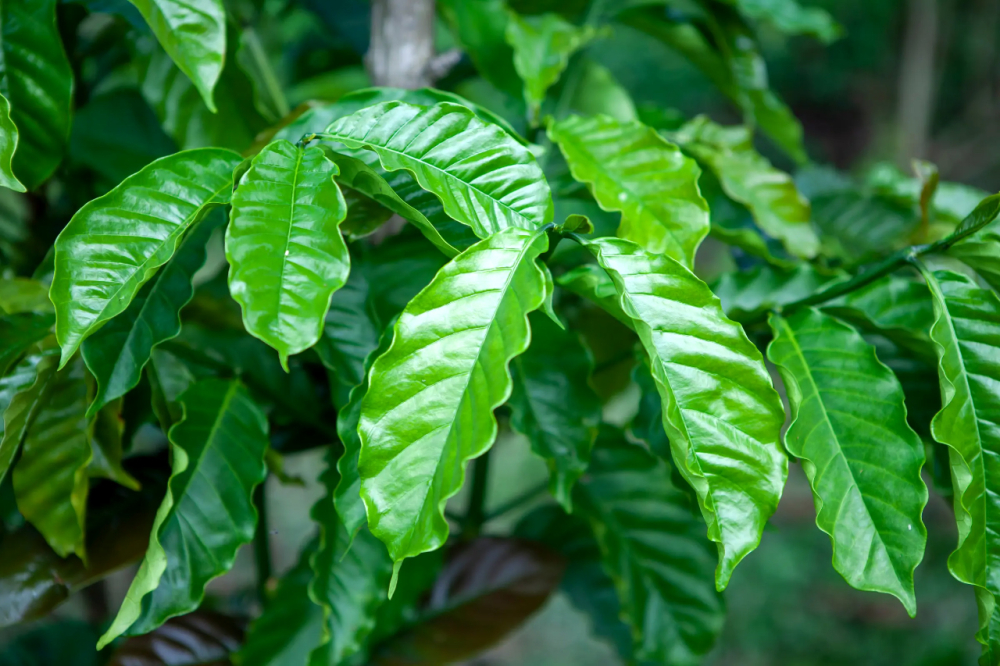
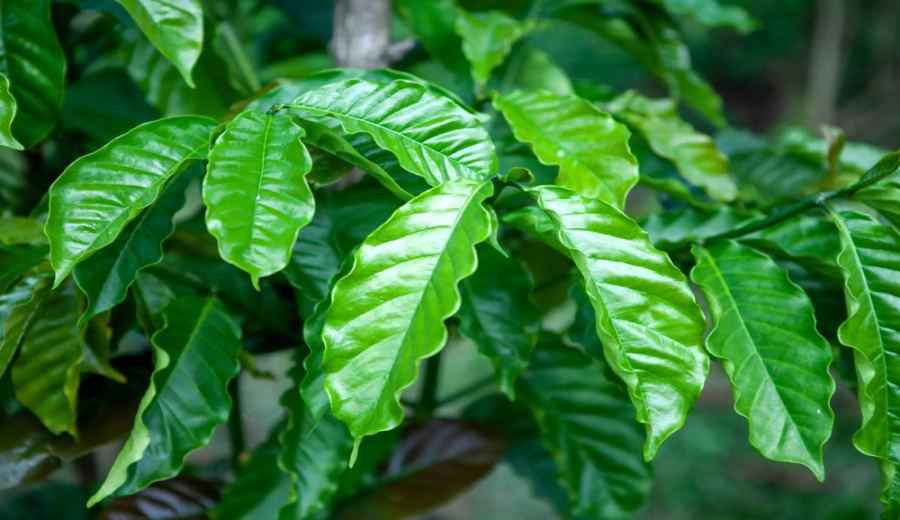
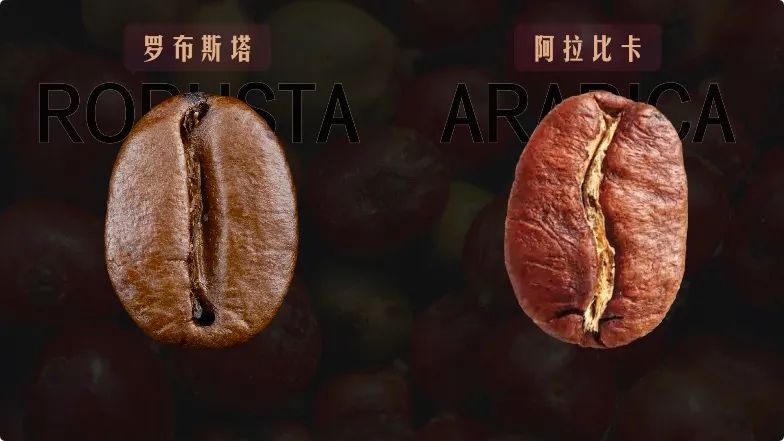
From a botanical perspective, Robusta is also known as the large-leaf variety, large fruit coffee, or large bean coffee. These coffee trees fall between shrubs and trees, with slender, bright green leaves and a height that can reach up to ten meters, though their root systems are relatively shallow. Their fruits are slightly rounder and smaller in size compared to Arabica. The raw beans are flatter and more rounded in shape, with a distinct straight-line notch in the center, resembling the Chinese character “一” (one). In contrast, Arabica raw beans are closer to semi-elliptical, with a pit mark that forms a gentle S-shaped curve.
In terms of growth characteristics, Robusta performs exceptionally well. It not only grows quickly but also exhibits significantly stronger resistance to pests and diseases compared to Arabica, making it suitable for cultivation in low-altitude regions (typically below 600 meters) with higher temperatures and overall excellent environmental adaptability. However, Robusta’s weaknesses mainly lie in its flavor profile. Especially when grown at low altitudes and processed without refinement, Robusta beans often carry intense earthy or rubbery notes, with a strong bitterness that makes them challenging to enjoy on their own.
Nevertheless, specialty-grade Robusta does exist. These beans are typically grown at mid-altitudes of around 1,200 meters, with rigorous control over cultivation management, harvesting timing, and post-harvest processing. The final product can present clean aromas akin to walnuts, peanuts, hazelnuts, or even wheat, with a more nuanced flavor profile.
Even at the specialty level, Robusta’s flavor remains relatively intense, and drinking it pure may jolt you awake with its bitterness. However, blending a small amount of Robusta with Arabica not only enhances the overall body and richness of the coffee but also maintains a smooth mouthfeel while effectively suppressing the release of undesirable flavors.
The frequent use of Robusta in espresso blends is related to its high caffeine content and abundant crema. During the peak popularity of espresso in earlier years, many consumers drank coffee primarily for its caffeine boost, making Robusta a key component in many blends. As consumer preferences shifted toward finer textures, richer aromas, and enticing coffee crema, the blending ratios and roasting methods were gradually adjusted. A well-known café took this as a foundation and developed two classic blends: the CaféV Classic Blend and the CaféV Commercial Blend.
The CaféV Classic Blend consists of beans from three major producing regions—Brazil, Mandheling, and Robusta—and is a medium-dark roasted all-in-one formula. This blend combines aromas of nuts and toasted bread, delivering a full-bodied taste with outstanding crema performance, making it highly suitable for coffee beginners or those looking to practice latte art. Its inspiration comes from the once-popular “Mandheling-Brazil” combination, and its multi-region design results in a more balanced and layered overall flavor.
So, how should one enjoy ordinary Robusta coffee powder commonly found on the market in a palatable way? In fact, many commercially available Robusta coffee powders, due to their average quality, tend to produce overly strong bitterness when brewed directly. Here, we recommend using a Vietnamese drip filter to make a classic Vietnamese condensed milk coffee, which can significantly improve the flavor profile.
First, prepare a Vietnamese drip filter (available on online platforms at an affordable price). Open the filter’s pressure plate, add an appropriate amount of Robusta coffee powder, spread it gently, and then close the pressure plate to secure it. Next, squeeze an appropriate amount of condensed milk into a heat-resistant glass as the base.
Then, slowly pour hot water over the coffee powder to bloom it, allowing the coffee grounds to fully absorb the moisture. It is recommended to let it sit for about 20 seconds, then continue pouring hot water at a 1:10 coffee-to-water ratio (e.g., 1 gram of coffee powder to 10 milliliters of hot water), and wait for the coffee to slowly drip through.
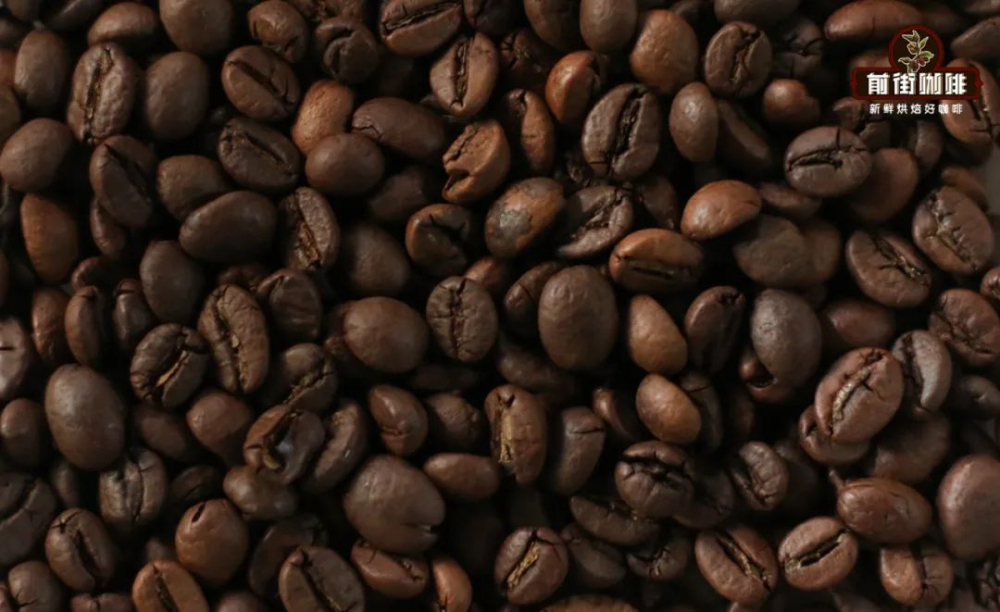
The resulting black coffee has a relatively high concentration, with a slightly grainy mouthfeel, noticeable bitterness, but a sweet aftertaste. It also retains a certain level of crema, exhibiting a rich and thick smoky aroma. When thoroughly mixed with condensed milk, the sweetness instantly spreads out, making the overall flavor smooth and layered. The bitterness and astringency turn mellow, making it highly suitable for drinkers who enjoy a bold taste without excessive intensity.
The above content is compiled by CoffeeHunters, a coffee news website.


