








Introduction:Catuai is an Arabica coffee variety that combines high yield, disease resistance, and excellent flavor. Originating in Brazil, it is widely cultivated throughout Central and South America. This article begins with the breeding background of Catuai, delves into its varietal characteristics, explores its cultivation status in Central America, and takes the Natural Catuai from Elida Estate in Panama as an example to detail its flavor profile and pour-over brewing recommendations—helping you better understand and appreciate this practical and flavorful coffee bean.
Catuai coffee is one of the varieties familiar to many coffee enthusiasts and professionals, yet often overlooked. It was developed by the Agricultural Institute of São Paulo State (IAC) in Brazil through the crossbreeding of Mundo Novo and Yellow Caturra, with the initial designation “H-2077.” Mundo Novo itself is a natural hybrid of Bourbon and Typica, first discovered in 1943 in the town of Trití-Milhos, São Paulo, Brazil.
Catuai inherits the high productivity and disease resistance of Mundo Novo, along with the compact plant stature, bright acidity, and suitability for sun-dried processing of Caturra. This makes Catuai not only strong in yield per unit area but also convenient for farmers to manage with high-density planting. Additionally,its shorter plant heightgrants it greater resilience against wind damage and rainy seasons, making harvesting and pest control more manageable. However, due to its lower tree height, the risk of leaf rust still needs attention.

The variety was named “Catuai” derived from the Guaraní language, meaning “very good.” Yet, the early version designated H-2077 did not particularly stand out in early cuppings—the truly appealing traits were itsyield potential, disease resistance, and environmental adaptability.After years of lineage selection (selecting and propagating the best individual plants across multiple generations), Catuai began to be widely promoted in Brazil around 1972.
Over time, Catuai was introduced to Central American countries including Costa Rica, Honduras, and Panama. However, research indicates that after being transplanted to Central America, its yield performance occasionally falls short of its peak in Brazil, though it maintains stable flavor profiles and strong stress resilience. Notably, Catuai comes in two color variants: red and yellow fruit. Among these, Yellow Catuai is often favored in countries like Costa Rica for its brighter acidity and fruity notes.
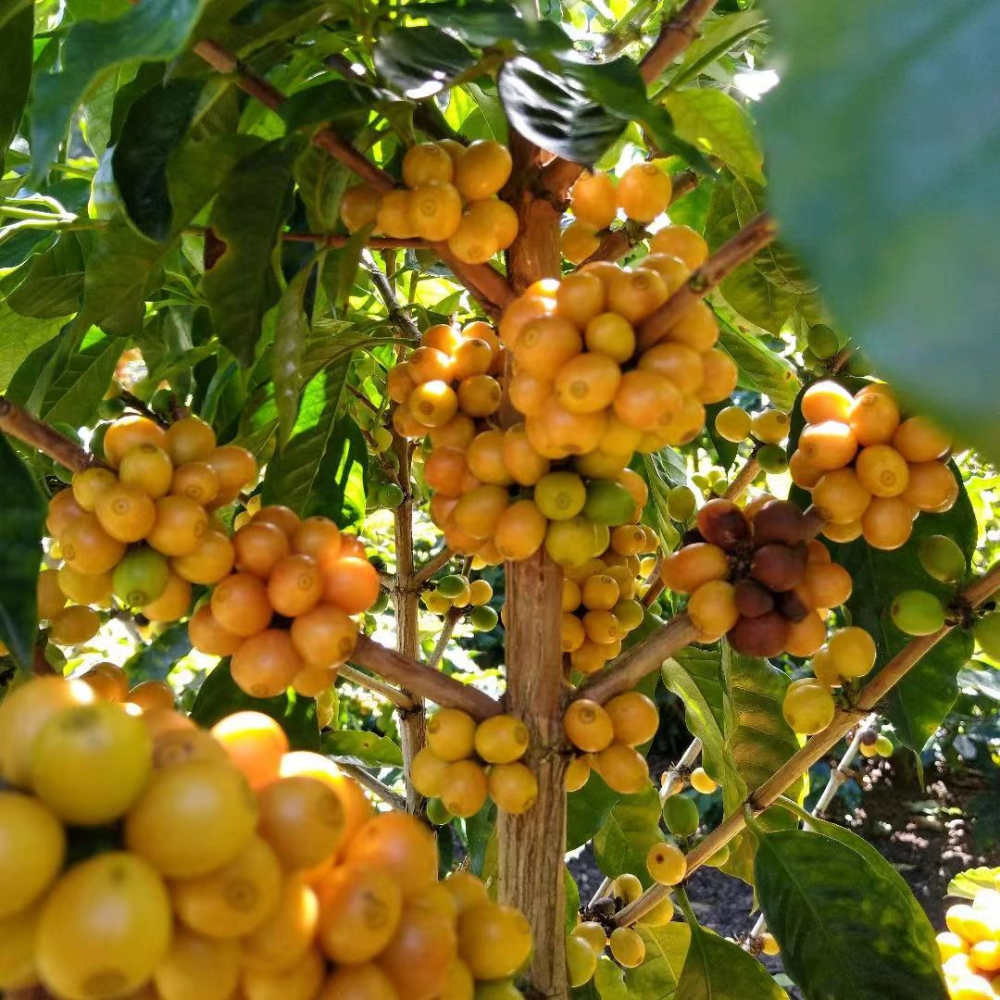
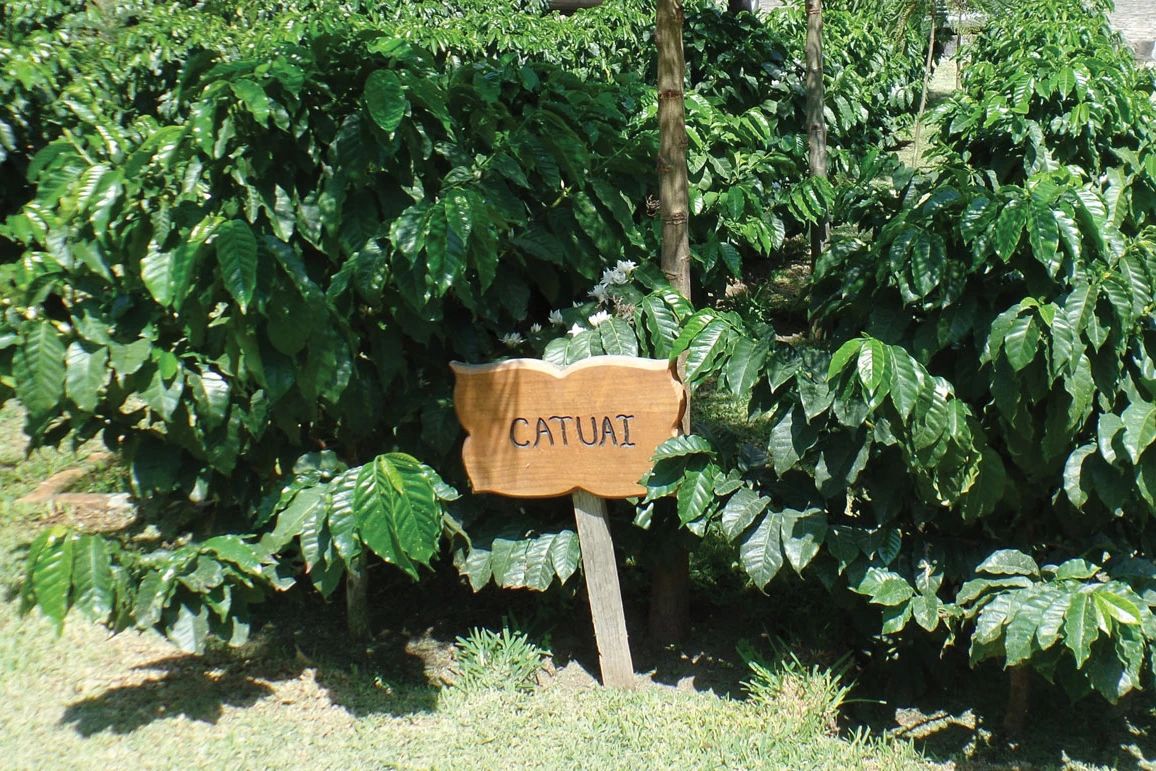
Interestingly, Caturra and Catuai are often found listed together on coffee bean variety labels, owing to their genetic and biological similarities. Studies in Honduras and Costa Rica show that in real-world growing conditions, there is little difference in productivity between the two, and since Catuai carries Caturra genetics, they are often hard to strictly distinguish in cultivation and management. As a result, many farms label them together or include both in their variety listings.
Currently, Catuai is cultivated in multiple Central American countries. For example, Beethoven from Costa Rica’s Musician Series is a classic single-variety offering of Yellow Catuai, praised for its clean profile and bright fruity acidity. Other notable examples include the Natural Catuai from Elida Estate in Panama, the Sweet Orange Estate in Honduras, and the well-known Geisha blend Flower Dancer (which includes 70% Geisha, Caturra, and Catuai)—all of which are widely available in the market.
Taking the Natural Catuai from Elida Estate in Panama as an example, this coffee comes from the Boquete region at an altitude of 1850 meters. The estate is managed by the Lamastus family, who have been dedicated to cultivating and processing high-quality coffee since its establishment in 1918. Among the family’s estates, Elida Estate is not only the largest in size but also the highest in elevation. Although only about 30 hectares of its roughly 65-hectare land are used for coffee cultivation (the rest being protected areas), thanks to its volcanic soil, microclimate, and refined post-harvest processing, the estate’s output consistently receives acclaim.

Elida Estate primarily grows three varieties: Typica, Catuai, and Geisha. Among them, Catuai stands out for its stable performance and adaptability, making it a key offering at the estate. This Natural Catuai is characterized by delicate fruit aromas and clear acidity, making it highly suitable for coffee lovers who enjoy bright flavor profiles. For brewing, if you want to fully highlight its peach, raisin, and orange aromas, as well as the green tea and grapefruit notes in the finish, we recommend the following pour-over parameters:
Coffee dose:15 grams
Brew ratio:1:16
Grind size:Fine sugar-like coarseness, recommended sieve passing rate of about 80% (e.g., 850 microns according to national standards)
Water temperature:92°C
Filter dripper:V60
Brewing steps:Start with a 30-gram bloom for 30 seconds, then pour in a circular motion to reach 150 grams, and finally add another 60 grams, keeping the total brew time around 2 minutes.
With these parameters, the unique sweet orange aroma and pleasant acidity of Catuai are accentuated, while sweetness becomes more concentrated. In the cup, you’ll notice distinct flavors of peach, raisin, and orange, followed by layers of cane sugar and melon sweetness gradually unfolding. The finish carries a hint of grapefruit acidity and a refreshing green tea-like aftertaste, delivering a balanced and layered overall experience.

The above content is compiled by CoffeeHunters, a coffee news website.


